
$44.90
Free delivery · 7–14 days
Car Cleaning Clay for Scratch-Free Paint and Glass

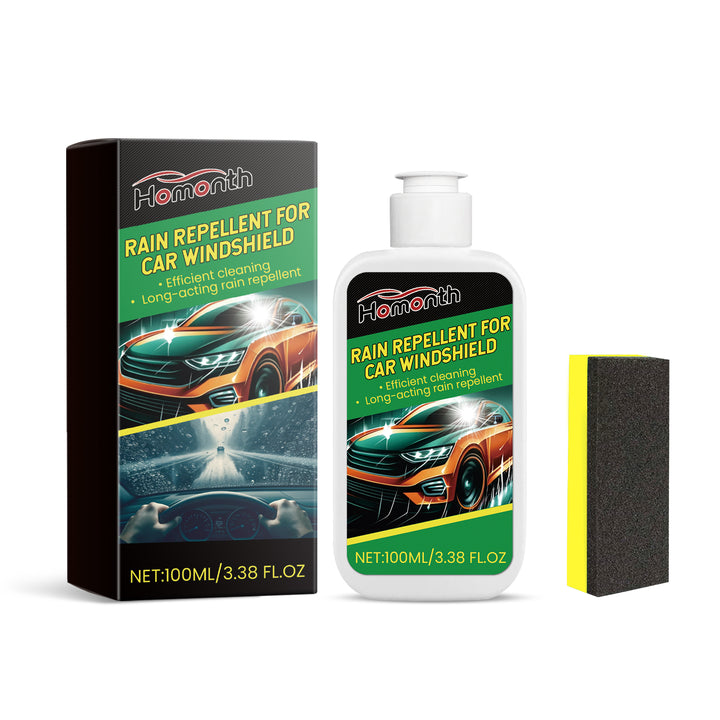


Car glass care products help remove haze, oil film, watermarks, road residue, and interior fog from windshields and windows. Choose a cleaner, treatment, wipe, tablet, polish, or anti-fog spray based on the glass problem you want to solve and the finish you prefer.
Start by identifying the residue on the glass. For everyday dust, fingerprints, and road film, choose a car glass cleaner or cleaning wipes. For rain spots and mineral watermarks, use a glass polishing powder or a dedicated oil film and watermark cleaner. A rain repellent treatment is designed for exterior glass after cleaning, while anti-fog spray is intended mainly for interior glass. Windshield cleaning tablets are useful when you want a compact concentrate to mix with water. If you are unsure, choose a cleaner for regular maintenance, then add a targeted treatment for persistent haze, oily film, rain visibility, or interior fogging.
Car glass cleaners are general-purpose options for removing fingerprints, dust, and traffic film. Cleaning wipes offer quick application without a spray bottle, making them practical for glove compartments. Anti-fog sprays are used on interior glass to help reduce fogging, while rain repellents are applied to clean exterior glass to support clearer wet-weather views. Polishing powder is suited to stubborn mineral marks and embedded residue that ordinary cleaner may not remove. Oil film cleaner targets the greasy layer that can create glare or haze, especially on windshields. Tablets provide a space-saving way to prepare a cleaning solution, but they require a suitable bottle and clean water.
Look for a product that clearly states whether it is for interior glass, exterior glass, or both. Check the application method: sprays need a clean microfiber cloth, wipes need careful buffing, and powders may require more controlled polishing. For streak-free results, choose a formula that can be wiped away cleanly and avoid products that leave a glossy or oily coating unless they are specifically designed as a rain treatment. Consider packaging if you keep supplies in the car; wipes and tablets are easy to store, while larger sprays may suit regular home detailing. Always review the directions and compatibility notes before use, particularly around tinted film, plastic trim, sensors, or aftermarket coatings.
Park in shade and allow hot glass to cool before cleaning. Remove loose dust first, then apply a small amount of car glass cleaner to a microfiber cloth or follow the product instructions; spraying directly onto the glass can help limit overspray near the dashboard. Work in small sections and wipe with one side of the cloth, then buff with a dry side. Clean the inside and outside separately so you can identify which surface still has haze. Use polishing powder or oil film cleaner only as directed, since abrasive or concentrated products need controlled application. Apply rain repellent or anti-fog spray only after the glass is clean and dry, and allow the stated drying time before driving.
Do not use a dirty cloth, paper towel that sheds lint, or a cloth contaminated with wax or interior dressing. Avoid cleaning in direct sun, where product can dry before you buff it and leave streaks. Do not combine vinegar, dish soap, glass polish, rain repellent, and anti-fog products in one bottle or apply them on top of one another without cleaning the surface first. Excess product can create smearing rather than clearer glass. Be cautious with tinted film, plastic windows, dashboard displays, and camera or sensor areas; follow the vehicle and product instructions. If haze remains inside, clean the glass and inspect the cloth for oily residue instead of repeatedly adding more cleaner.
These products suit drivers who regularly deal with fingerprints, road film, rain spots, interior haze, or fogging during changing weather. A frequent commuter may prefer a spray or wipes for routine cleaning, while someone detailing a vehicle may want polishing powder, oil film cleaner, and a rain repellent treatment as separate steps. Drivers who keep a compact emergency kit can choose wipes or tablets for easier storage. Anti-fog spray is most relevant for interior windshield and window care, while rain repellent is intended for exterior glass. If the vehicle has window film, coated glass, or advanced driver-assistance cameras near the windshield, confirm compatibility and keep treated surfaces away from areas that must remain optically clear.
A dedicated car glass cleaner used with a clean, lint-free microfiber cloth is a practical choice for routine windshield and window cleaning. Cleaning wipes are convenient for quick touch-ups, while oil film cleaner or polishing powder is better for stubborn greasy residue or watermarks. Choose a product labeled for the specific glass surface you plan to clean.
Dish soap can remove grease, but it may leave residue or streaks if it is not fully rinsed and dried. For regular windshield care, a dedicated automotive glass cleaner is easier to control and is designed for glass-cleaning use. Avoid using dish soap in a windshield washer reservoir unless the vehicle and product instructions specifically allow it.
Use an interior-compatible car glass cleaner and a clean microfiber cloth, working in small sections before buffing the glass dry. If the haze feels greasy, an automotive oil film cleaner may be more suitable than repeated applications of ordinary cleaner. Anti-fog spray should be applied only after the surface is clean and dry, following its directions.
Diluted white vinegar can loosen some mineral residue on plain glass, but it is not suitable for every vehicle surface or coating. Keep it away from sensitive trim, screens, and materials identified as incompatible, and do not mix it with other cleaners. A dedicated car glass cleaner or watermark product offers clearer application guidance for automotive use.
A simple homemade approach is water with a small amount of mild cleaning solution, applied with a clean microfiber cloth and fully buffed dry. Homemade mixtures can streak or affect nearby trim if they are too concentrated, so avoid excessive soap and do not use an untested mixture on tinted film or special coatings. For persistent oil film, watermarks, or fogging, use a purpose-made automotive product.
Neither is automatically better for every car windshield. Vinegar may help with some mineral deposits, while a dedicated automotive glass cleaner is generally more convenient for routine road film, fingerprints, and interior haze. Whichever product you use, check compatibility, apply it sparingly, and buff the glass with a clean lint-free cloth to reduce streaking.