
$64.90
Free delivery · 7–14 days
Automotive Paint Markers for Tire Lettering & Wheels



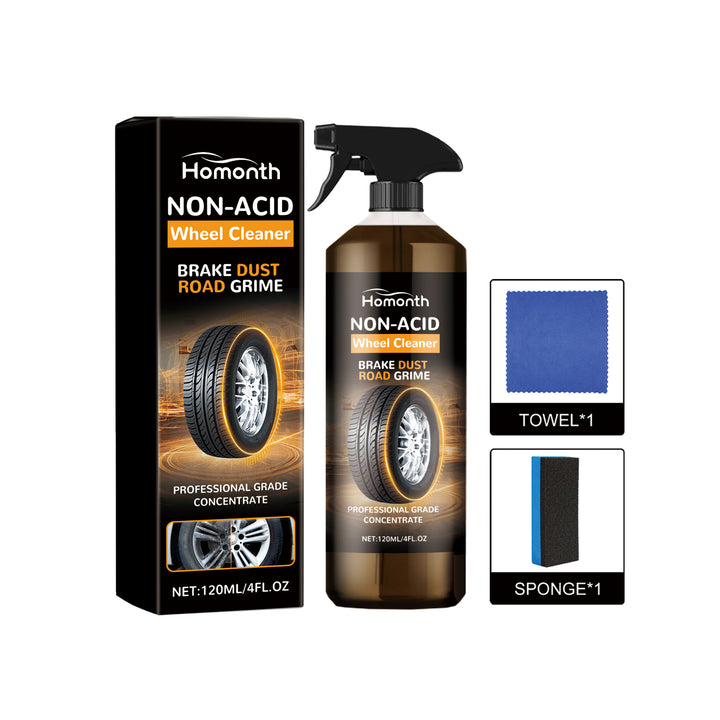

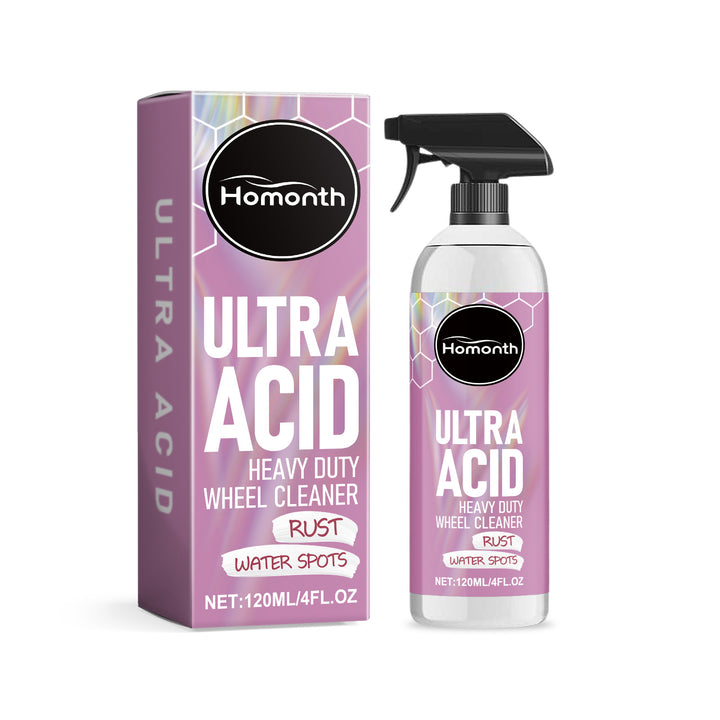
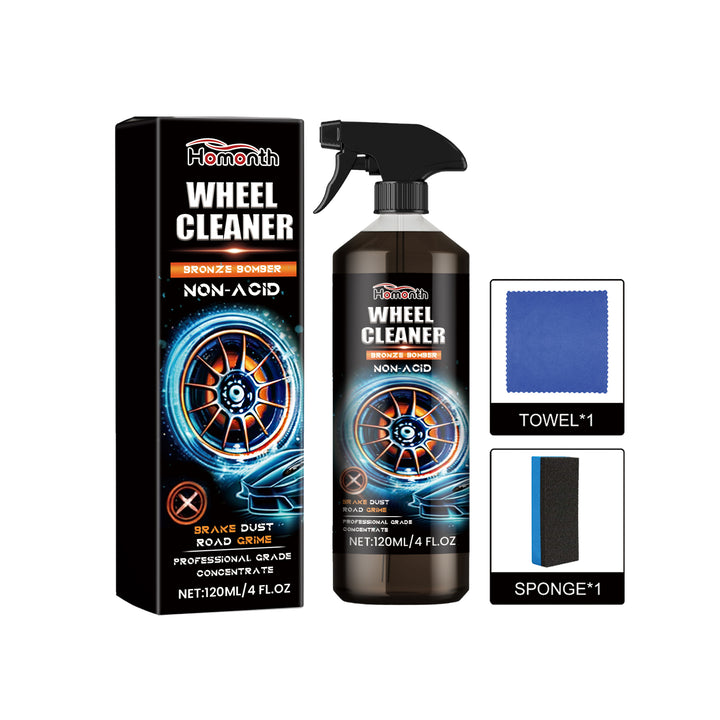
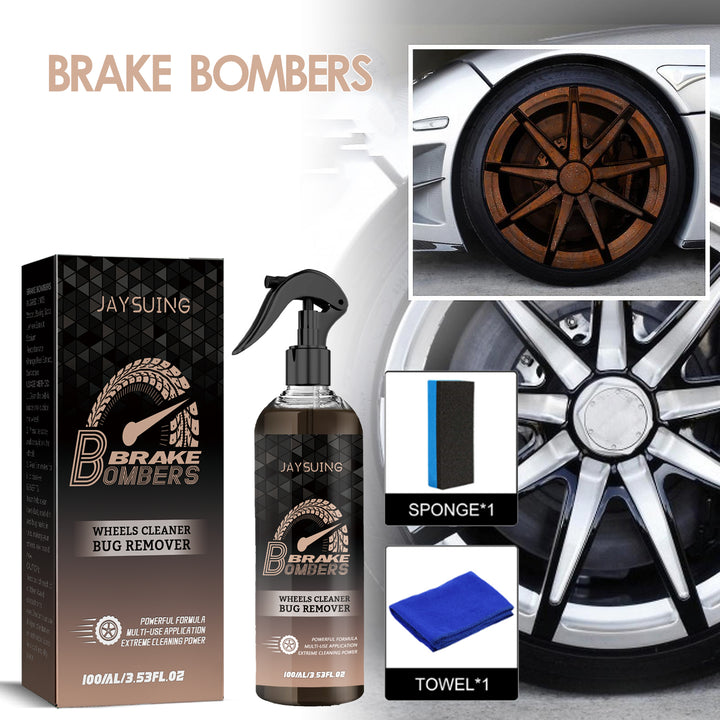
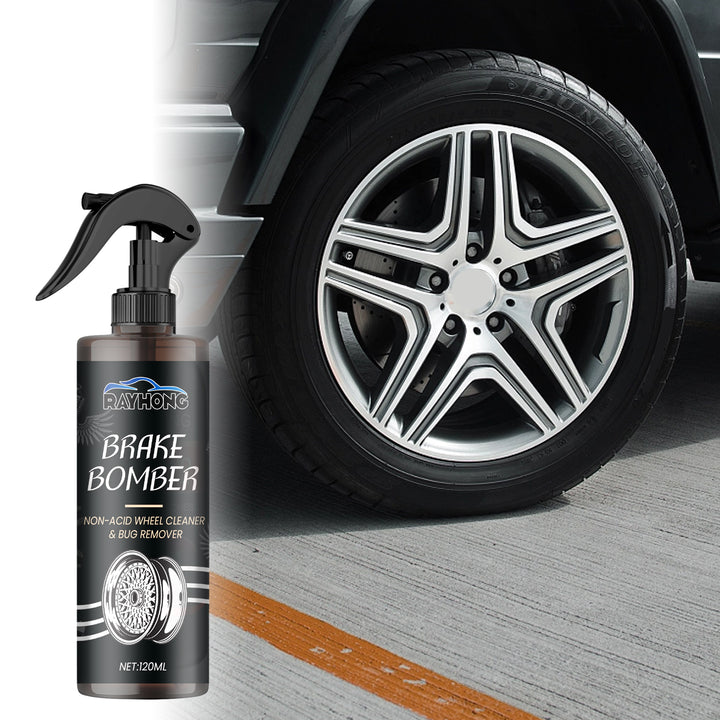
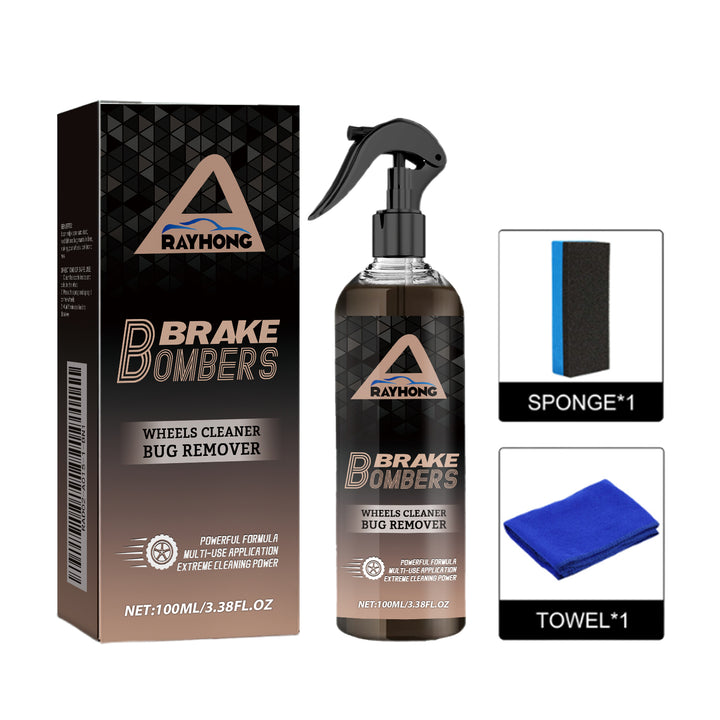
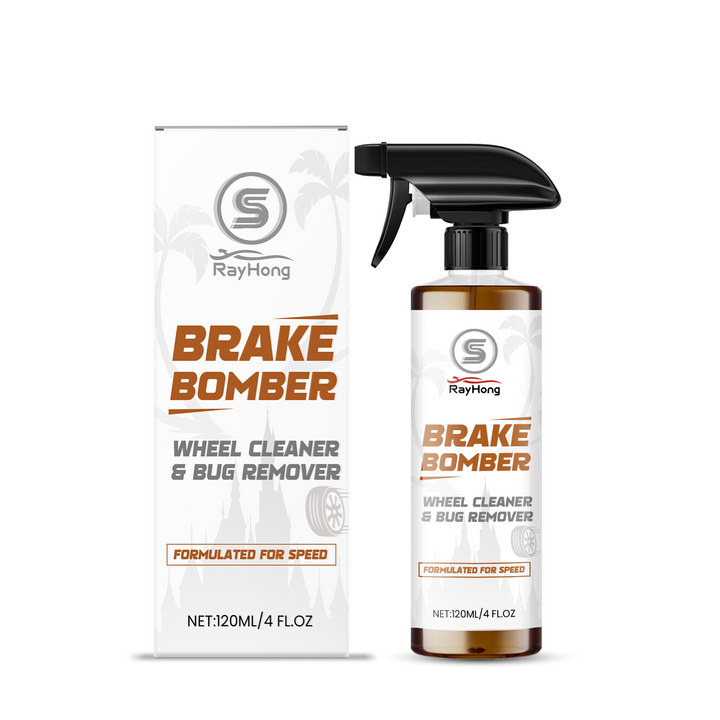

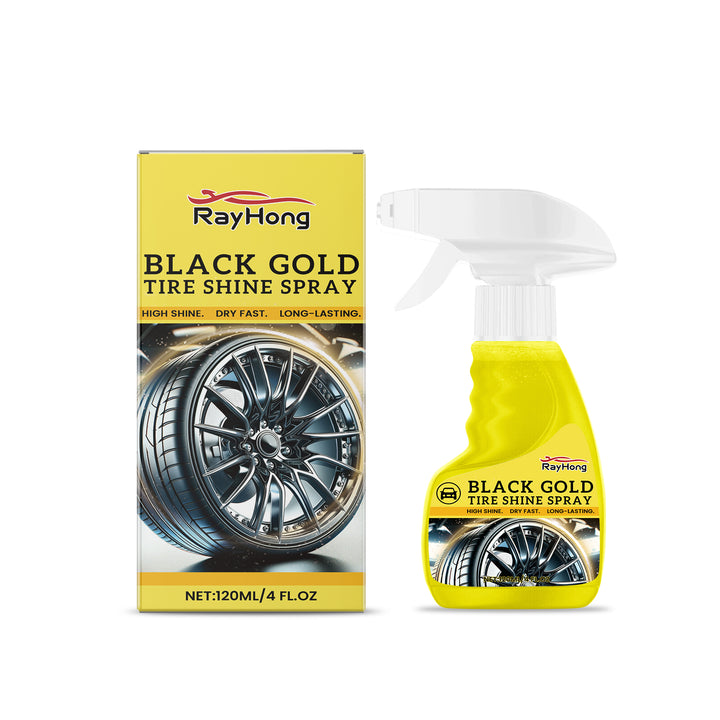
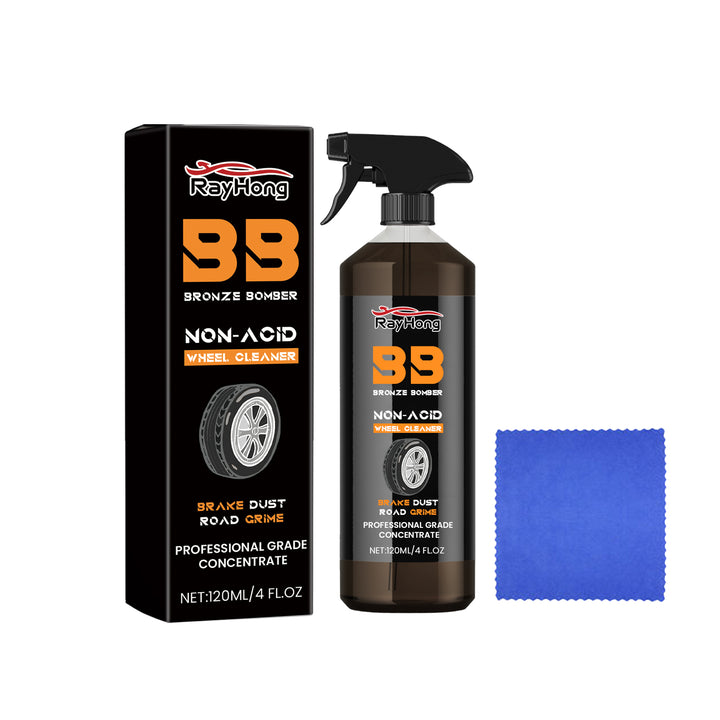
Car wheel care is easier when you match the cleaner or dressing to the surface and the job, from brake dust on alloy rims to dull, dry-looking tires. This category includes non-acid cleaners, wheel and tire sprays, rust removers, tire shine products, and tire coating agents for routine maintenance and appearance.
Start by identifying the surface you want to clean: alloy rims, chrome, painted wheels, tires, or several surfaces together. For brake dust and hub grime, choose a dedicated wheel cleaner spray or an automotive wheel and tire cleaner. A non-acid wheel cleaner and bug remover is a practical option when you want a gentler formula for suitable rims, but always check the product directions and surface compatibility first. If the main issue is a dull tire finish, choose a tire shine spray or tire coating agent instead of using a wheel cleaner. For orange marks or surface rust on compatible alloy rims, use a wheel rust remover spray. Consider the bottle size, spray coverage, rinse instructions, and whether you prefer a glossy or darker, cleaner-looking finish.
Wheel cleaners are designed to loosen road film, brake dust, and hub grime from wheel surfaces before rinsing and agitation. Non-acid wheel cleaner is one option for routine care, while a combined wheel and tire cleaner can help clean both the rim and the rubber in one step when the label allows it. Bug remover products can be useful on front wheels and nearby painted areas where insects and road residue collect. Wheel rust remover sprays target rust marks on compatible alloy rims, but they are not the same as a regular cleaner. Tire shine sprays add a darker or high-shine appearance and may be fast-drying. Tire coating agents focus on a longer-lasting-looking dark finish, so they belong after cleaning, not instead of cleaning.
Look for clear surface guidance before choosing a rim cleaner. Wheel materials and finishes vary, so confirm whether the product is suitable for alloy, chrome, painted, coated, or polished wheels. A spray nozzle that covers the face of the wheel and reaches around spokes can make application easier, while a non-acid formula may suit shoppers seeking an alternative to acid-based products. For heavy brake dust, choose a product specifically described for brake dust and hub grime rather than a tire shine. If you want rims to look new again, cleaning ability matters more than gloss: remove loose dirt, clean behind spokes where possible, and dry the wheel without leaving water spots. Also check whether the product requires dilution, dwell time, brushing, or thorough rinsing.
Work on a cool wheel and tire, preferably in the shade, and rinse away loose grit first. Spray the selected wheel cleaner onto the wheel according to its directions, keeping it away from your eyes, skin, and unintended surfaces. Allow only the recommended contact time, then agitate stubborn areas with a wheel-safe brush or microfiber tool before rinsing thoroughly. Clean one wheel at a time so the product does not dry on the surface. For tires, use a wheel and tire cleaner if approved, rinse away residue, and let the rubber dry before applying tire shine or a tire coating agent. Apply the dressing evenly and wipe away excess from nearby wheel faces or bodywork. Test any new product on a small, less visible area first.
One common mistake is using a strong household cleaner without confirming that it is suitable for the wheel finish. Another is cleaning hot wheels or allowing a spray to dry, which can leave marks or make rinsing harder. Do not assume that a tire shine spray removes brake dust, or that a rust remover replaces routine wheel cleaning. Using too much dressing can create an uneven appearance and may transfer onto adjacent surfaces, so apply a controlled amount and wipe excess. Avoid using the same dirty brush on the wheel face and tire, because trapped grit can scratch finishes. Do not skip the label: instructions can differ for chrome, polished metal, painted wheels, coated surfaces, and rubber.
Choose a wheel cleaner spray if your priority is regular removal of brake dust and hub grime. A non-acid wheel cleaner and bug remover suits shoppers who want a multipurpose option for compatible rims and road residue. An automotive wheel and tire cleaner is convenient when you want one product for both surfaces. Select a tire shine spray for a quick high-shine or darker, cleaner-looking finish after washing. A tire coating agent is better suited to shoppers focused on maintaining a dark tire appearance between washes. Wheel rust remover spray is for compatible alloy rims showing rust marks or staining. If you are unsure which product fits your car, begin with the surface instructions and choose the least aggressive suitable option, testing first in an inconspicuous area.
Rinse off loose dirt, use a wheel cleaner suited to the rim material, and agitate brake dust around spokes and hub areas with a wheel-safe brush. Rinse thoroughly and dry the rims to reveal the finish. If compatible with the surface, a rust remover can help address rust marks; tire shine should be applied only to clean, dry tires, not used to clean rims.
Clean rims regularly so brake dust and road film do not build up. Use a product that lists your wheel finish as compatible, work on cool surfaces, prevent the cleaner from drying, and rinse completely. Inspect the wheels after washing and remove residue before applying any tire dressing.
WD-40 is not included in this category, and it should not be treated as a dedicated wheel cleaner without checking the wheel manufacturer’s guidance. A purpose-made wheel cleaner provides directions for brake dust, hub grime, and compatible wheel surfaces. Test any product on a small area first and avoid leaving an unapproved residue on the rim.
The best choice depends on the rim finish and the type of dirt. For brake dust and hub grime, use a compatible wheel cleaner spray; for a combined job, choose a wheel and tire cleaner that is approved for both surfaces. A non-acid wheel cleaner may suit routine care when its label matches your wheel material.
Dish soap may remove some loose road film, but it is not a dedicated wheel-care product and may not address baked-on brake dust or wheel rust marks effectively. A purpose-made wheel cleaner gives you surface guidance and instructions for application and rinsing. Always confirm compatibility with chrome, polished, painted, or coated rims before use.
There is no single best wheel cleaner for every rim, because wheel materials, finishes, and levels of brake dust vary. Choose a product that specifically matches your surface and cleaning task, such as a brake-dust wheel cleaner, non-acid wheel cleaner, or wheel and tire cleaner. Follow the label and test it in a less visible area first.