$64.90
Free delivery · 7–14 days
Heavy Duty Wheel Cleaner for Brake Dust, Rust & Gloss
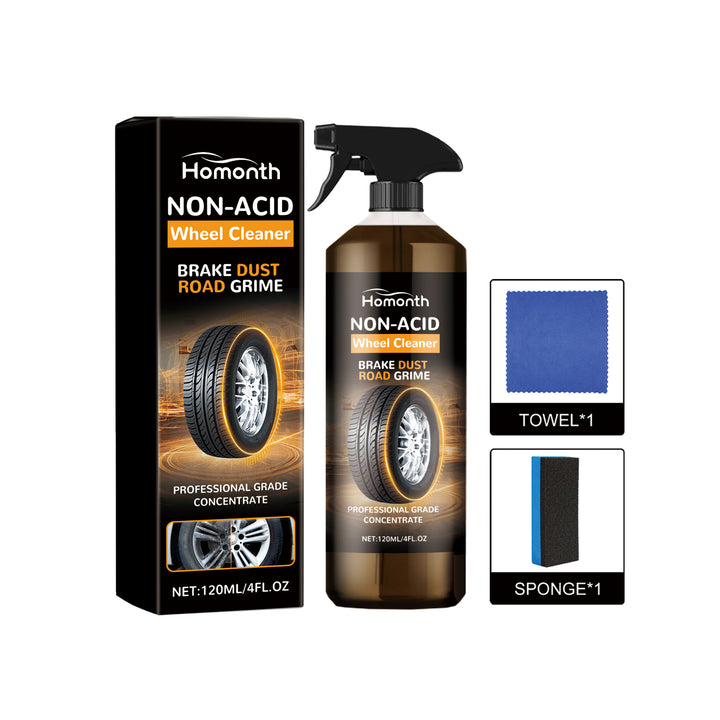
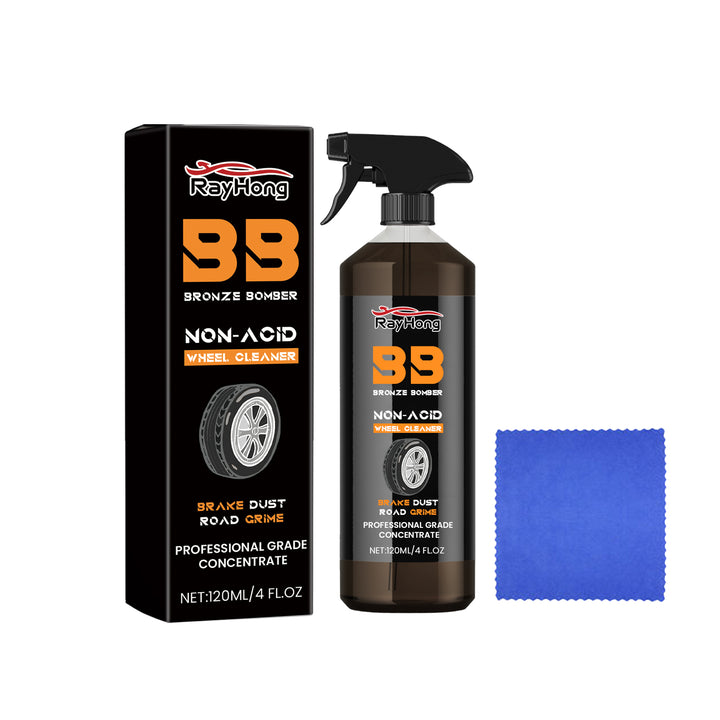
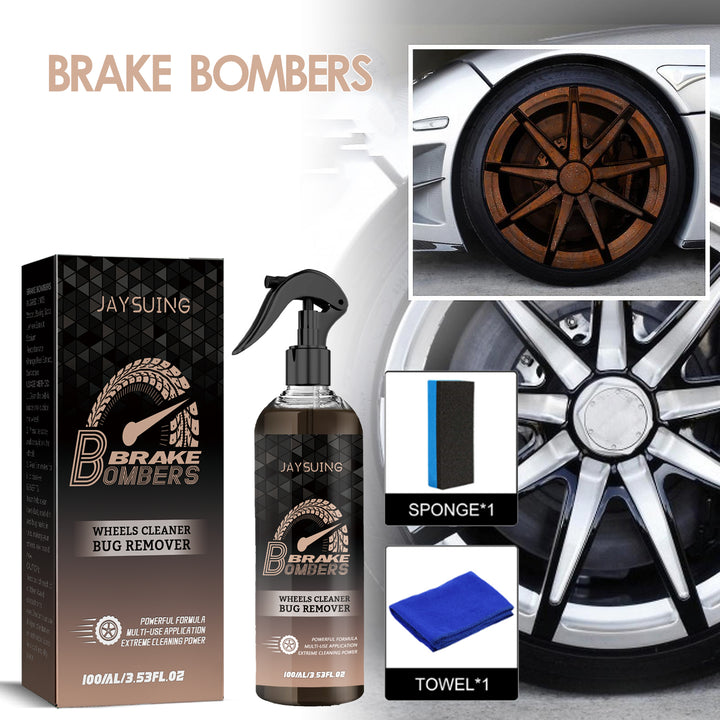


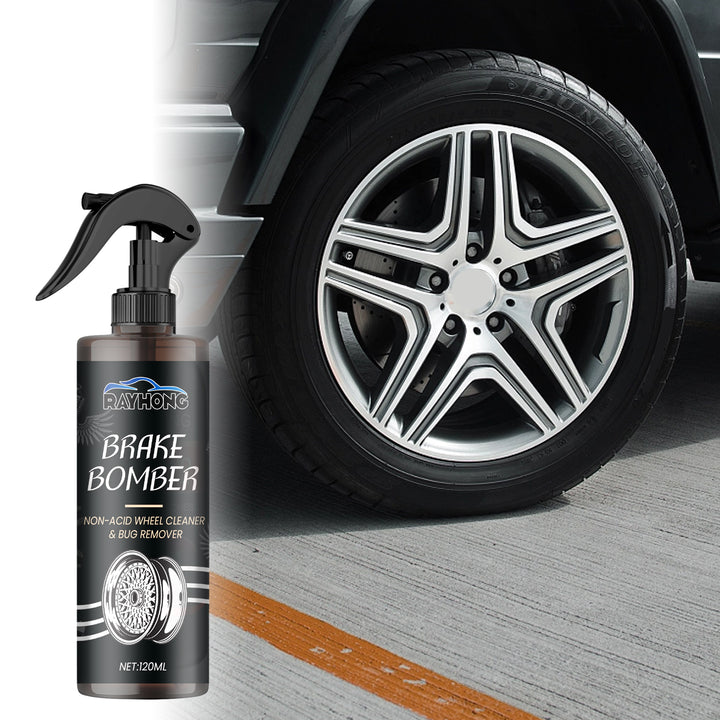
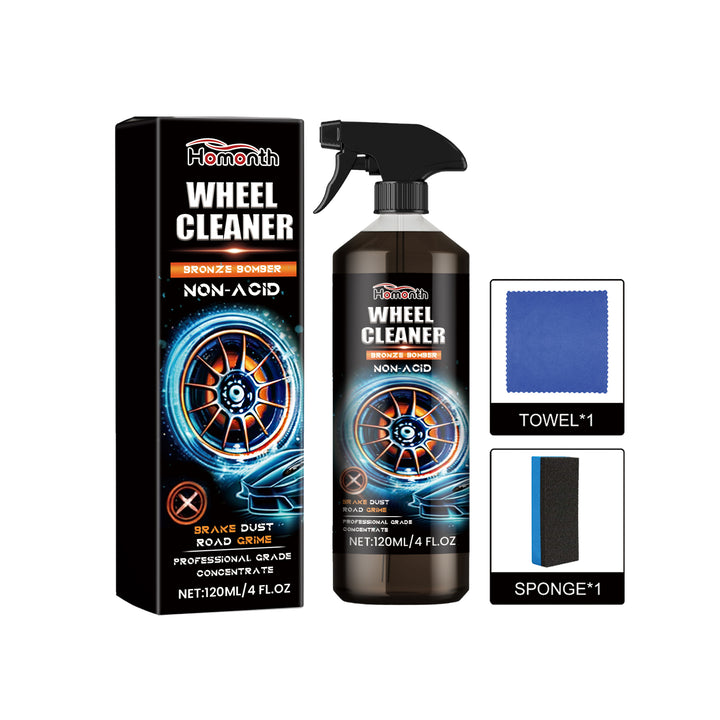
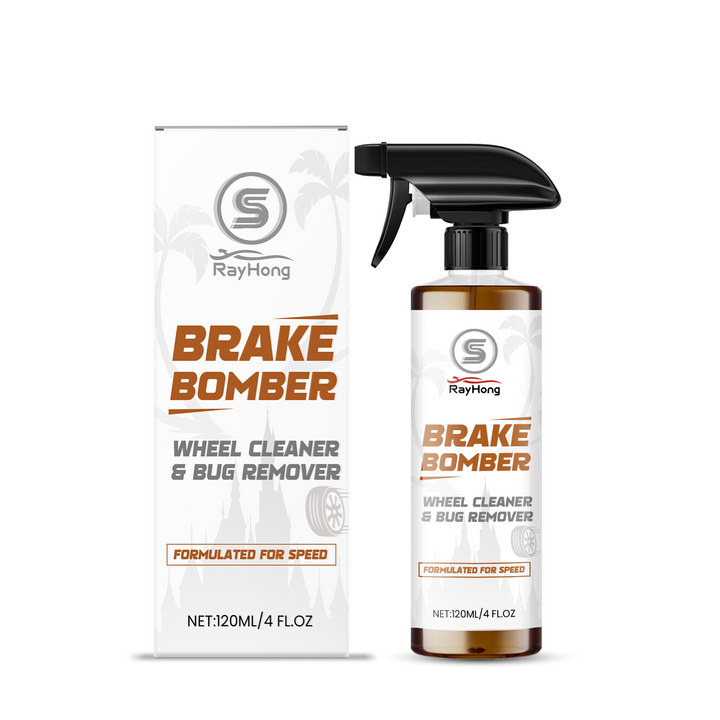


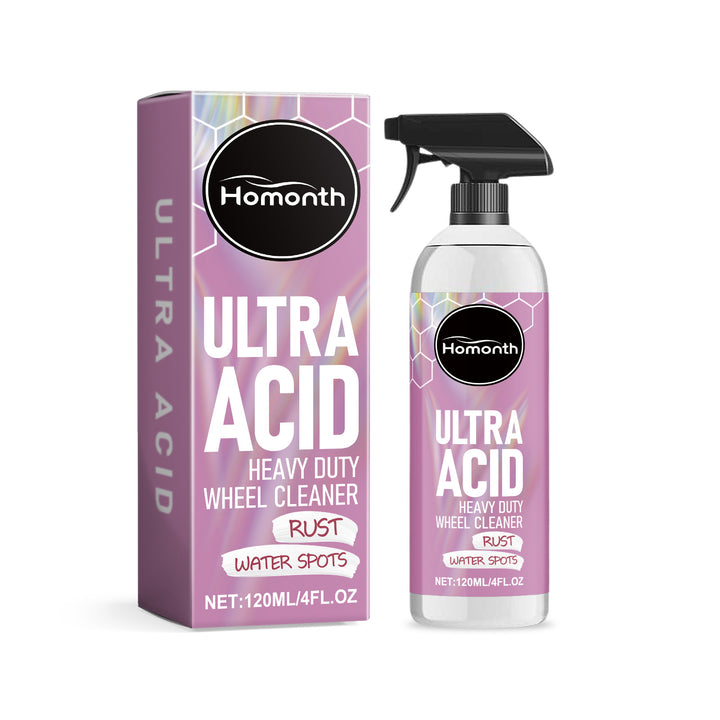
Choose a wheel cleaner based on your wheel finish, the type of grime you need to remove, and how much cleaning power you want. This range includes non-acid sprays, foaming formulas, brake-dust cleaners, tire-care products, and rust-removal options for routine maintenance or heavier buildup.
Start by identifying the surface you are cleaning: painted wheels, clear-coated alloy rims, steel wheels, tires, or exposed metal. For regular maintenance, a non-acid wheel cleaner is a practical choice for brake dust and road grime. If the wheels have heavy deposits, rust staining, or baked-on dirt, choose a stronger cleaner intended for that type of buildup and follow its label directions carefully. A wheel cleaner spray is convenient for quick applications, while foam can cling to vertical surfaces for more contact time. If you want one product for more than rims, look for a tire wheel cleaner or a formula also labeled for bugs and road film.
Non-acid wheel cleaners are suited to routine rim cleaning and are often a sensible starting point for painted or coated wheels. Brake-dust removers target the dark residue produced during braking, while road-grime formulas help lift mud, traffic film, and oily dirt. Foaming wheel cleaner is useful when you want visible coverage and less run-off during application. Tire-care sprays are designed for the rubber sidewall and may add a clean finish after washing. Heavy-duty wheel cleaner and metal rust remover are better matched to stubborn oxidation, rust marks, or neglected surfaces, but they require extra care. Always match the product to the material and the instructions.
Look for clear surface guidance, especially if you have alloy, painted, polished, or clear-coated rims. A non-acid formula can be a useful everyday option, while a heavy-duty product may be preferable for severe brake dust or rust. Check whether the cleaner is intended for tires as well as wheels before using it on rubber. A trigger spray makes it easier to cover spokes, lug areas, and the inner rim, while a foaming product can help show where it has been applied. Consider pairing the cleaner with a wheel cleaner brush that reaches between spokes and around lug nuts. A small bottle can suit spot cleaning or testing an unfamiliar product before buying a larger supply.
Work on cool wheels, preferably in shade, and rinse loose dirt away first so grit is less likely to scratch the finish. Apply the wheel cleaner evenly to one wheel at a time, covering the spokes, rim face, lug area, and accessible inner barrel. Allow the product to work only for the time stated on its label; do not let it dry on the surface. Agitate stubborn areas with a soft wheel cleaner brush, using separate tools for wheels and tires. Rinse thoroughly from top to bottom, then inspect the finish and repeat only if needed. Dry with a clean microfiber towel to reduce water spots and reveal remaining brake dust.
Do not use a wheel cleaner on a hot surface or leave it to dry, as this can make rinsing more difficult and may affect sensitive finishes. Avoid assuming that every product is safe for polished metal, anodized surfaces, or damaged coatings; check the label and test a hidden area first. Do not use the same dirty brush on tires and rims, because trapped grit can cause scratches. Rinsing without agitation may leave brake dust behind, while aggressive scrubbing can mark the finish. Household dish soap, including Dawn, can remove surface grime but is not a dedicated wheel cleaner and may not address baked-on brake dust or tire residue effectively.
A dedicated wheel cleaner suits drivers who want to maintain alloy rims, remove brake dust, or clean road grime before applying a protective finish. Choose a non-acid wheel cleaner for frequent upkeep, especially when the wheels are coated and the dirt is moderate. A foam formula can help with quick weekend washing, while a heavy-duty wheel cleaner is more appropriate for neglected wheels with stubborn deposits. If brown residue is building up on tire sidewalls, use a tire-safe product and a separate brush rather than applying a rim-only formula. For vehicles with rusted or exposed metal areas, a metal rust remover may be more suitable than a general wheel cleaner.
Use a wheel cleaner matched to the rim material and the type of dirt present. A non-acid wheel cleaner is a practical starting point for painted or clear-coated rims, while a brake-dust or heavy-duty formula may be better for stubborn buildup.
A dedicated wheel cleaner and a soft wheel brush are a reliable combination for most vehicles. Rinse loose grit first, clean one cool wheel at a time, and follow the product instructions before rinsing thoroughly.
Dish soap can remove light surface dirt, but it is not formulated specifically for brake dust, road grime, or wheel finishes. A purpose-made wheel cleaner gives you clearer surface guidance and is usually more effective for regular rim maintenance.
Brown discoloration on tire sidewalls is often surface residue that needs a tire-safe cleaner and agitation with a suitable brush. Rinse thoroughly after cleaning, and avoid using a rim-only product unless its label also approves tire use.
Choose a tire-care or tire-and-wheel cleaner labeled for rubber sidewalls. Apply it to a cool, dry or rinsed tire as directed, scrub with a separate brush, and rinse away loosened residue before drying.
WD-40 is not a dedicated tire cleaner and should not be treated as the first choice for removing brown residue or road grime from sidewalls. Use a product specifically labeled for tires, then follow its application and rinsing instructions.