$70.90
Free delivery · 7–14 days
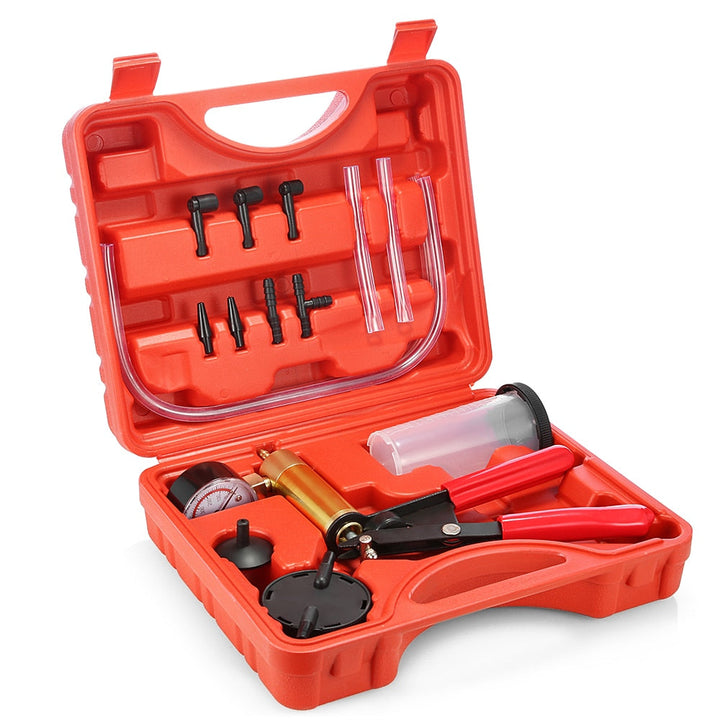
Brake Bleeder Kit — Professional Vacuum Pump with Gauge
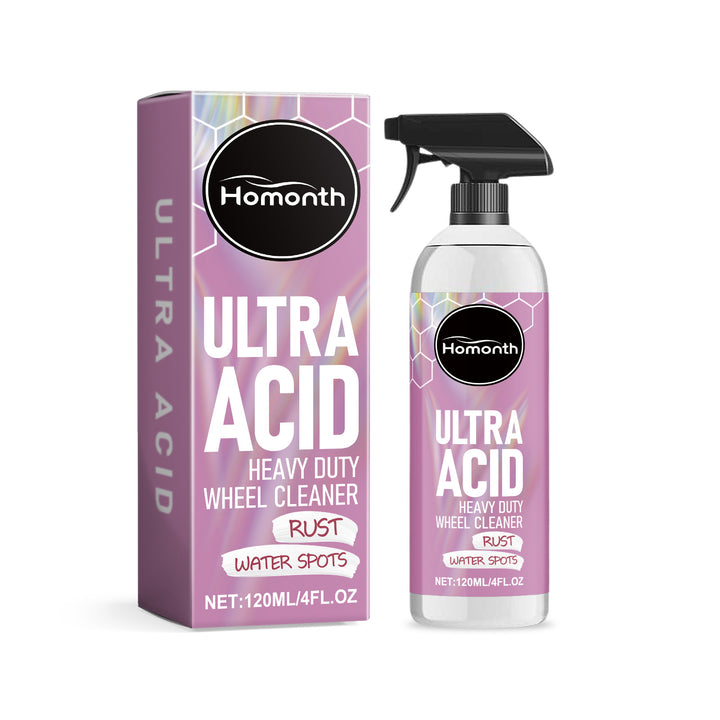
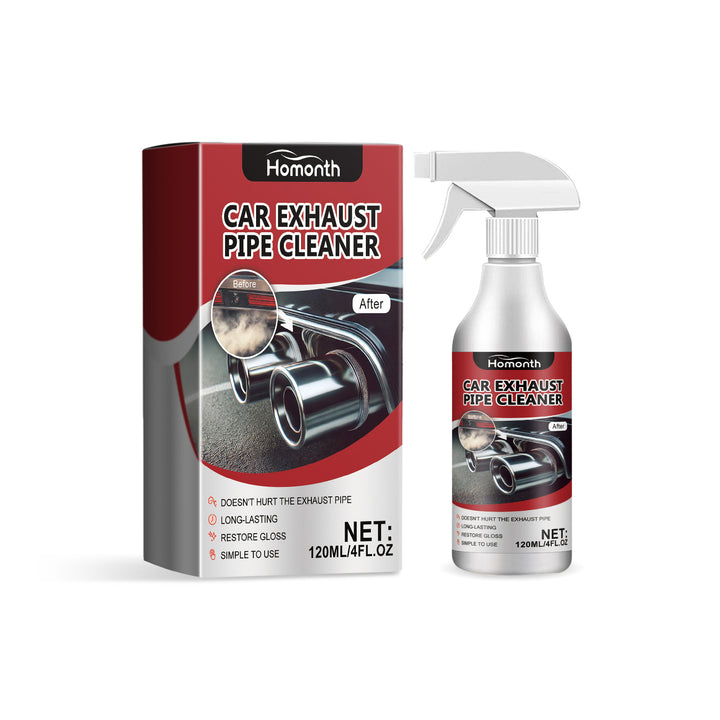
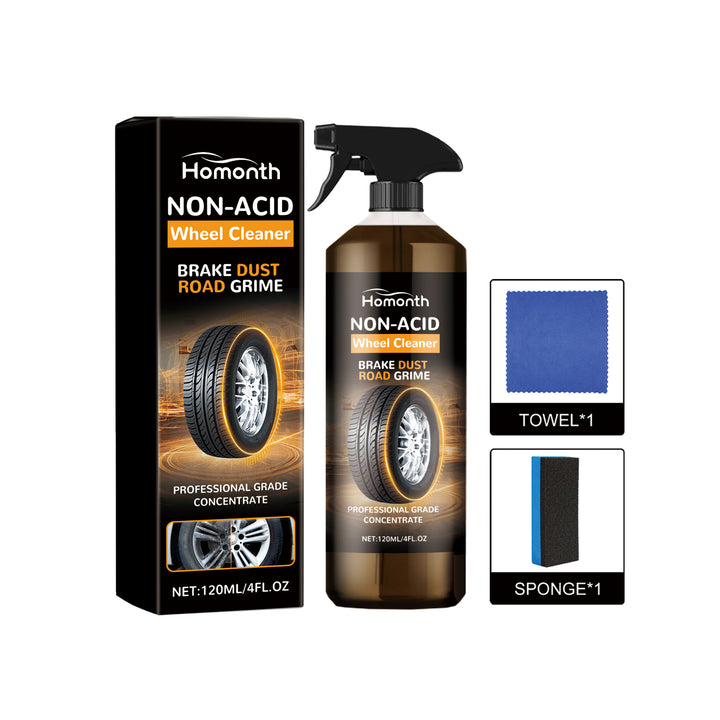
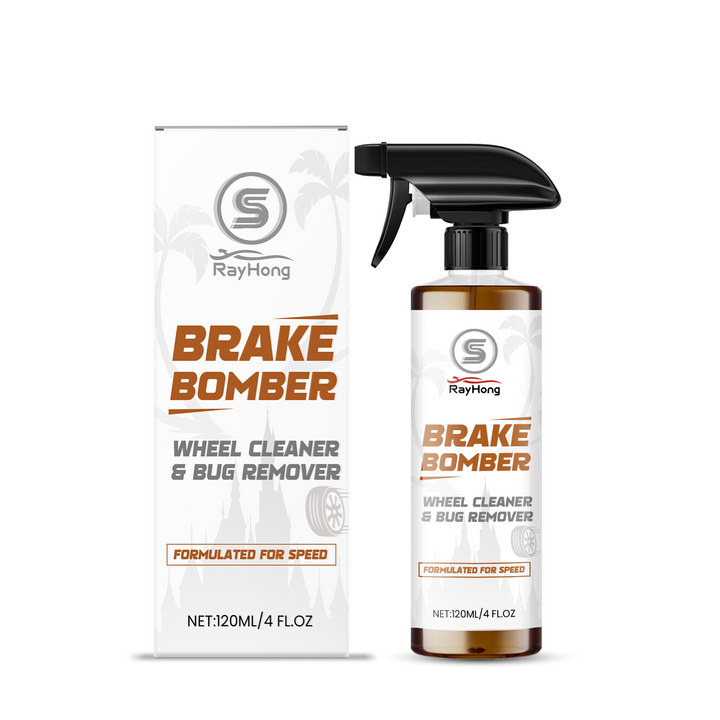
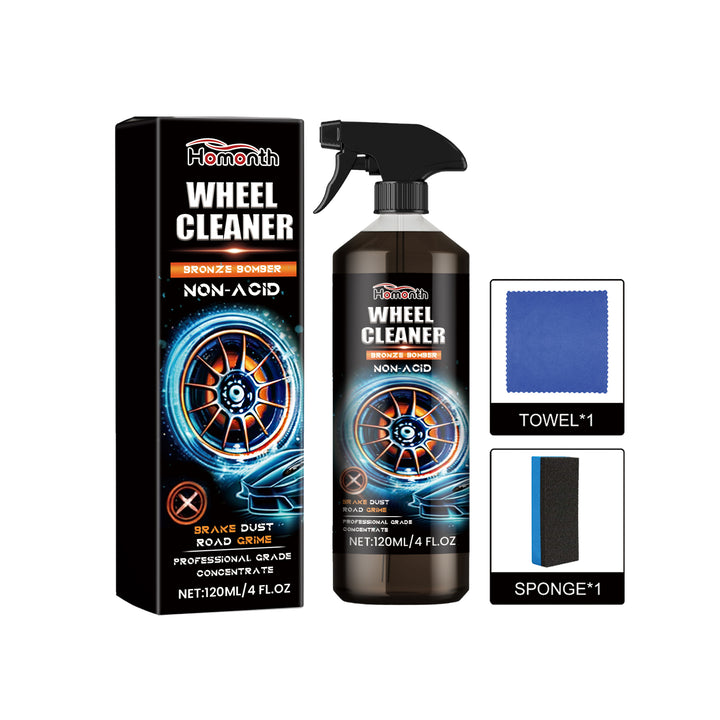
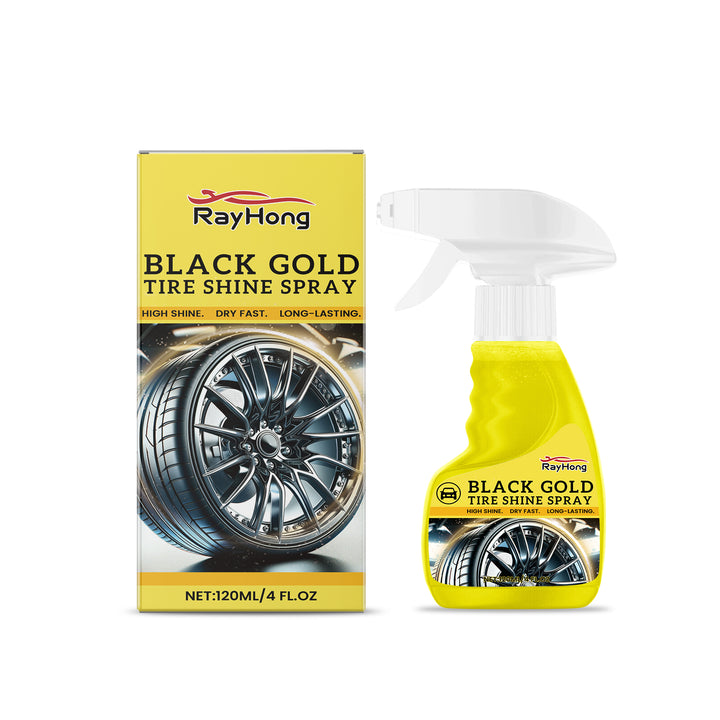
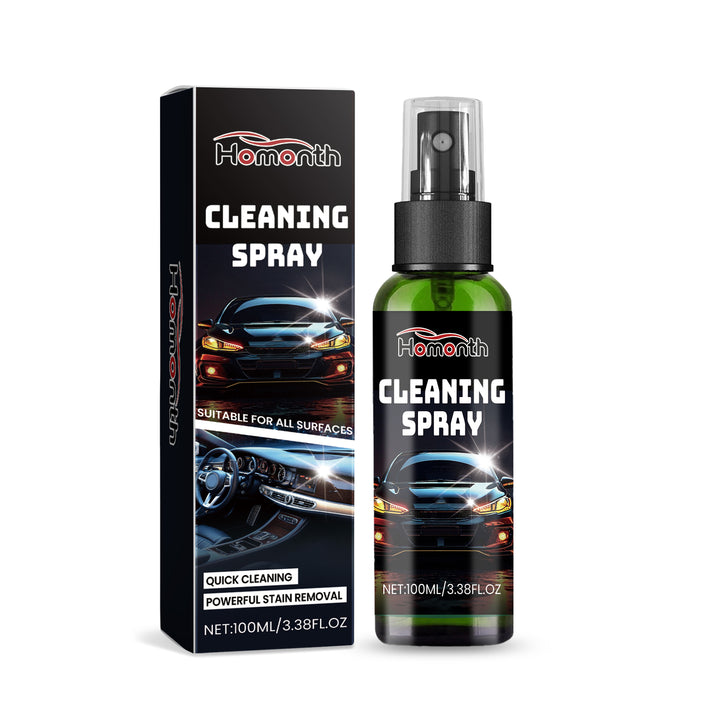
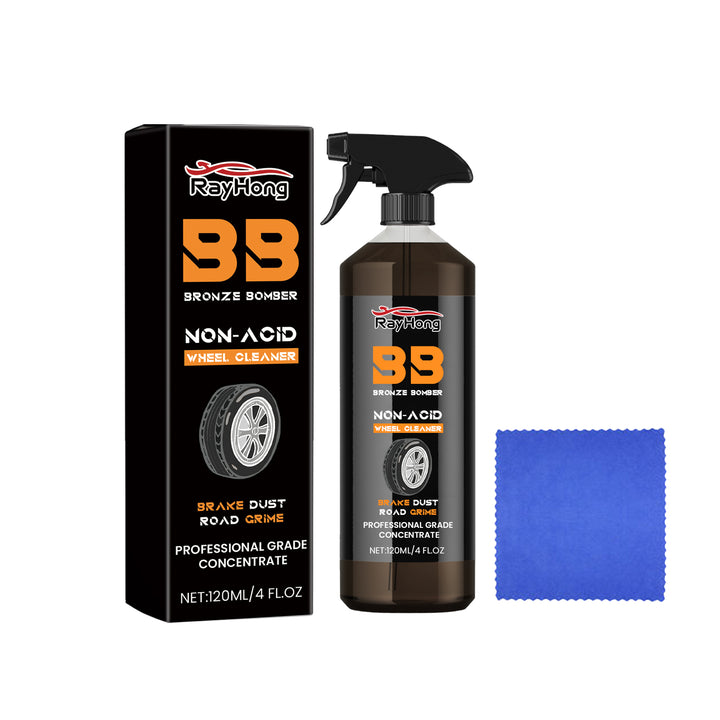
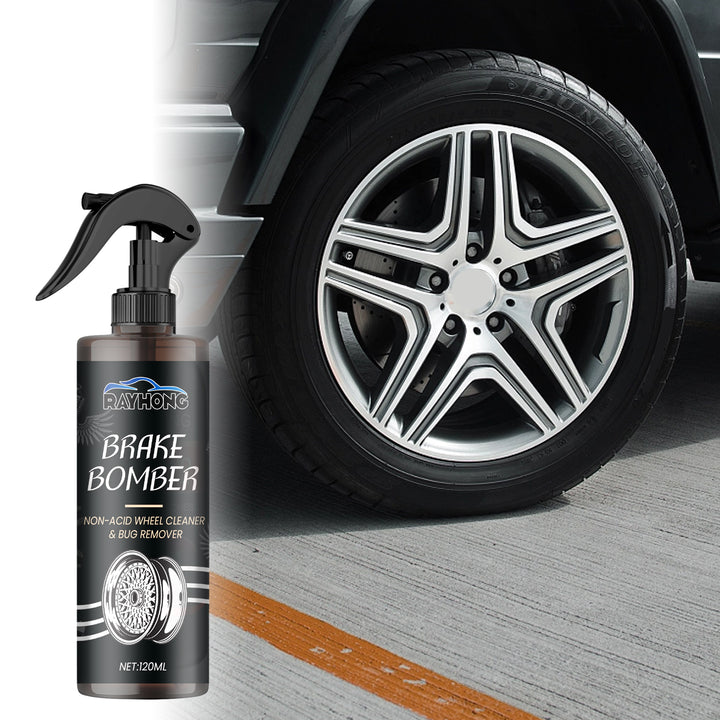
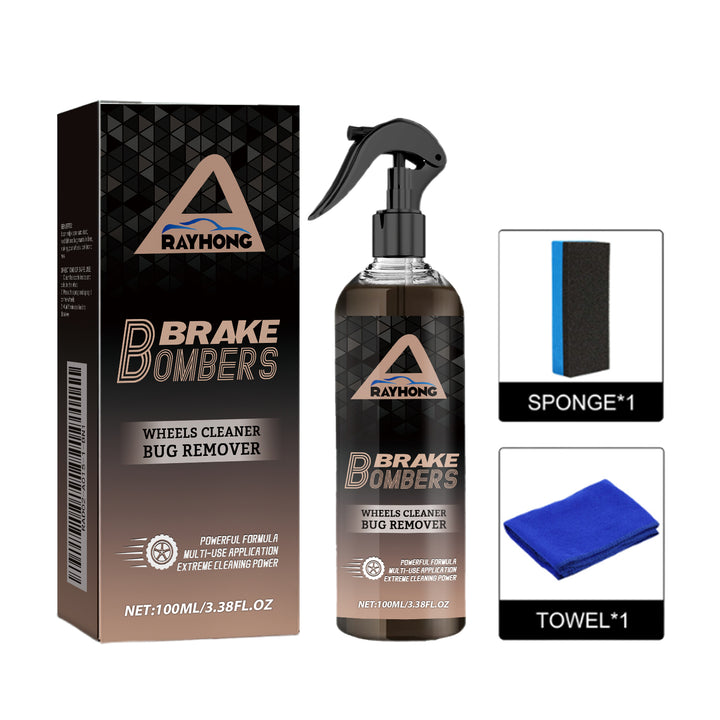
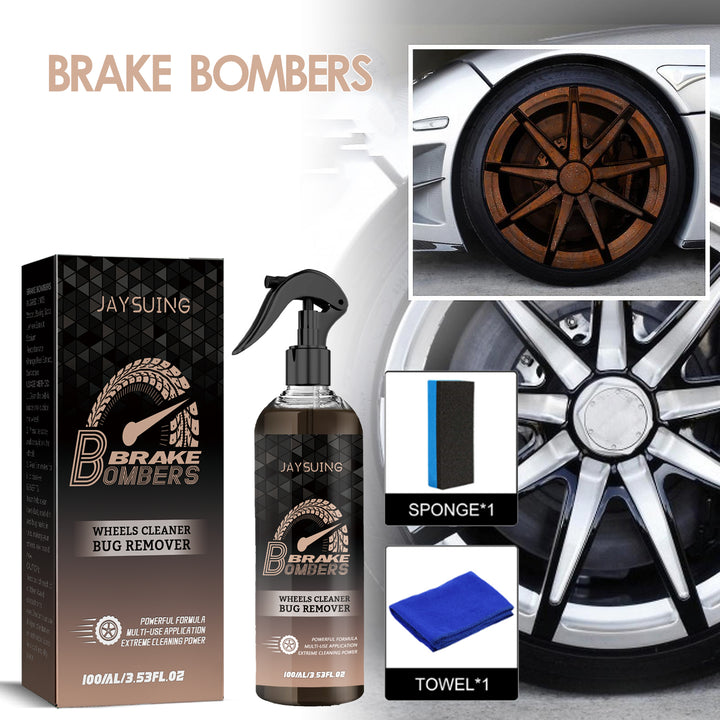
Car brake cleaner is used to remove brake dust, road grime, grease, and other residue from compatible vehicle surfaces. This category includes fast-drying wheel, tire, hub, exhaust, and multi-surface sprays, so check each product's intended use before applying it to brake components or painted finishes.
Start by identifying the surface you want to clean. For alloy or steel wheels with brake dust and road grime, choose a dedicated wheel cleaner or a non-acid wheel cleaner. For tires, select a tire-care spray designed for rubber and sidewalls. If you need to clean a metal exhaust pipe, use an exhaust cleaner rather than a general wheel product. A fast-drying car brake cleaner spray can be convenient for light residue, but it should not be chosen solely because it dries quickly. Read the label for compatible materials, dwell time, rinsing instructions, and warnings. If you need a brake cleaner gallon or brake cleaner 5 gallon size, confirm that the product is actually intended for bulk professional use before ordering.
Wheel cleaner sprays are designed for brake dust, hub grime, and road film on compatible wheel surfaces. Non-acid wheel cleaners are an option when you want a product formulated without an acidic cleaning approach, although the label still determines where it can be used. Heavy-duty wheel cleaners target more stubborn buildup such as embedded grime or rust staining. Tire shine sprays focus on the sidewall and finish rather than brake parts. Multi-surface cleaners may suit selected interior or exterior surfaces, while exhaust cleaners are formulated for metal exhaust areas. These products are not interchangeable: a tire shine product is not a brake cleaner, and an exhaust cleaner should not automatically be used on wheels, calipers, pads, or rotors.
Look for clear surface guidance, especially if your vehicle has painted, powder-coated, polished, chrome, plastic, or rubber parts near the wheel. A good car brake cleaner spray should explain whether it requires rinsing, how long it may remain on the surface, and whether the surface must stay cool. Fast-drying formulas can reduce dripping and waiting, but they still need careful application. A trigger or aerosol format can make spot cleaning easier; larger containers may suit frequent detailing when the label permits transfer or dilution. Also check ventilation, flammability, eye and skin protection, and storage instructions. If you are comparing products found through searches such as brake cleaner O'Reilly, compare the actual ingredients, surface directions, and intended use rather than relying on the product name alone.
Park on a stable surface, allow hot wheels and brake parts to cool, and work outdoors or in strong ventilation. Remove loose dirt first, then test the cleaner on a small hidden area. Apply only to the surfaces named on the label, allow the stated dwell time, agitate with a suitable brush if directed, and rinse or wipe as instructed. Keep spray away from brake pads, rotor friction faces, electrical connectors, sensors, bearings, tire tread, and freshly painted surfaces unless the instructions specifically approve them. Do not spray near flames, sparks, or smoking materials. After cleaning wheels, allow everything to dry and check that no residue remains on braking surfaces before driving. Always follow the product label and the vehicle manufacturer's care guidance.
A frequent mistake is treating every brake cleaner as a universal degreaser. Some formulas can damage sensitive finishes, plastics, rubber, decals, or coatings, while others may require rinsing to prevent residue or spotting. Do not use WD-40 as a brake cleaner: it is a lubricating water-displacing product, so its residue is unsuitable for brake friction surfaces. Avoid spraying any cleaner onto pads or rotor faces unless the product specifically states that it is made for that purpose. Do not clean hot wheels, mix chemicals, reuse a brush contaminated with harsh chemicals, or let a product dry on an unapproved finish. For heavy brake dust, repeat the label-approved process rather than increasing concentration or dwell time on your own.
These products suit drivers, detailers, and workshops that need to remove brake dust and road grime from compatible wheels, hubs, tires, or exhaust surfaces. Choose a wheel cleaner for routine wheel maintenance, a non-acid option when its surface directions match your finish, and a heavy-duty formula for more persistent buildup. A tire shine spray is better for a clean sidewall appearance, while a multi-surface spray is useful only on the materials listed by its manufacturer. This category may not suit someone seeking a solvent specifically for exposed brake hardware or friction components; verify that the product is labeled for that job. If you are unsure, clean the wheel exterior only and consult a qualified technician for brake-system cleaning.
A product labeled for brake cleaning is intended to remove contaminants such as brake dust, grease, and residue from approved brake-related surfaces. The products in this category are primarily wheel, tire, hub, exhaust, and multi-surface cleaners, so their effects depend on the formula and surface. Always check the label before applying one to brake parts, paint, plastic, rubber, or friction surfaces.
No. WD-40 is a lubricating and water-displacing product, not a brake cleaner, and it can leave residue where clean, dry friction surfaces are required. Keep it away from brake pads, rotor faces, and other braking surfaces.
Brake cleaner is not universally illegal, but some formulas or uses may be restricted by local rules concerning flammable solvents, volatile compounds, disposal, or workplace exposure. Regulations vary by location and product formulation. Check the label, local requirements, and shipping restrictions for the specific cleaner you are considering.
No. Brake cleaners may use different solvent systems and additives, while isopropyl alcohol is a separate chemical with different cleaning and drying characteristics. Do not assume one can replace the other; use a product specifically labeled for the surface and task.
The best substitute depends on the surface and residue. A labeled wheel cleaner can suit brake dust on compatible wheels, while a tire or exhaust cleaner is more appropriate for those specific surfaces. Avoid substitutes such as WD-40, household cleaners, or unapproved solvents on brake friction components.
Do not use it on surfaces excluded by the label, which may include certain plastics, rubber, painted finishes, decals, sensors, electrical connectors, bearings, tires, or polished coatings. Unless specifically approved, keep it off brake pads and rotor friction faces. Test an inconspicuous area and follow the product directions before wider use.