
$64.90
Free delivery · 7–14 days
Car Interior Cleaner for Stains, Shine and Freshness
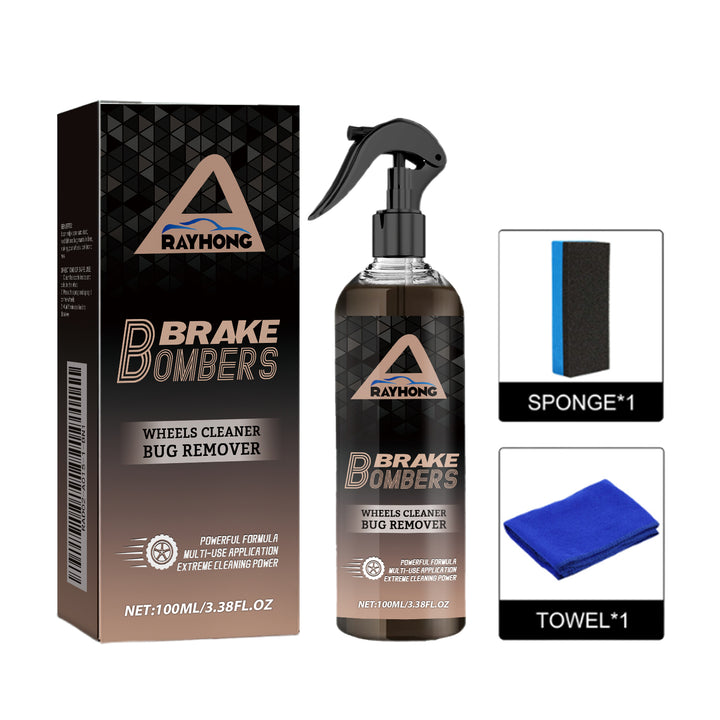


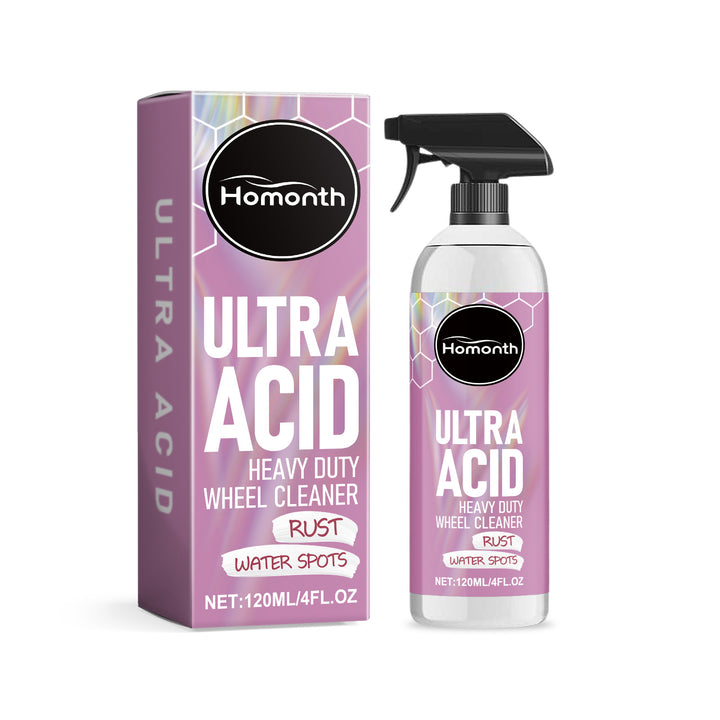
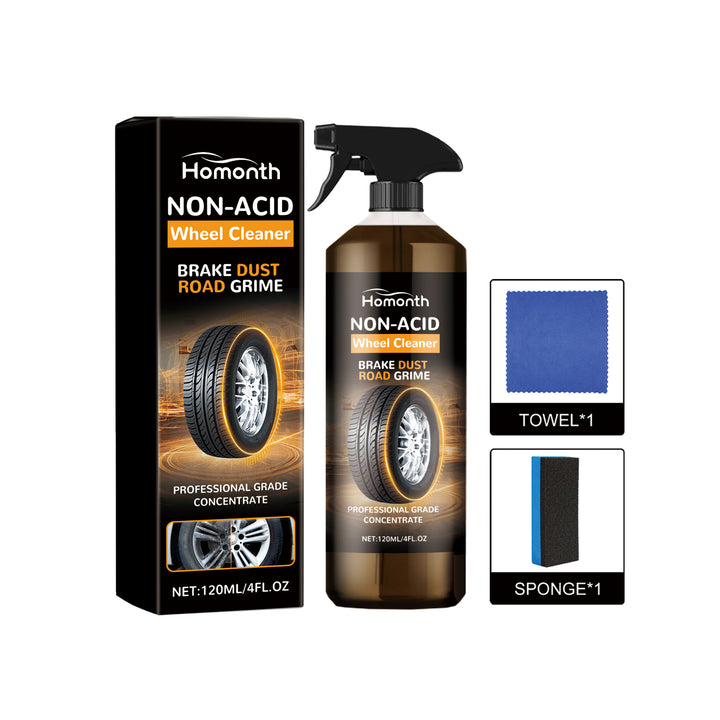
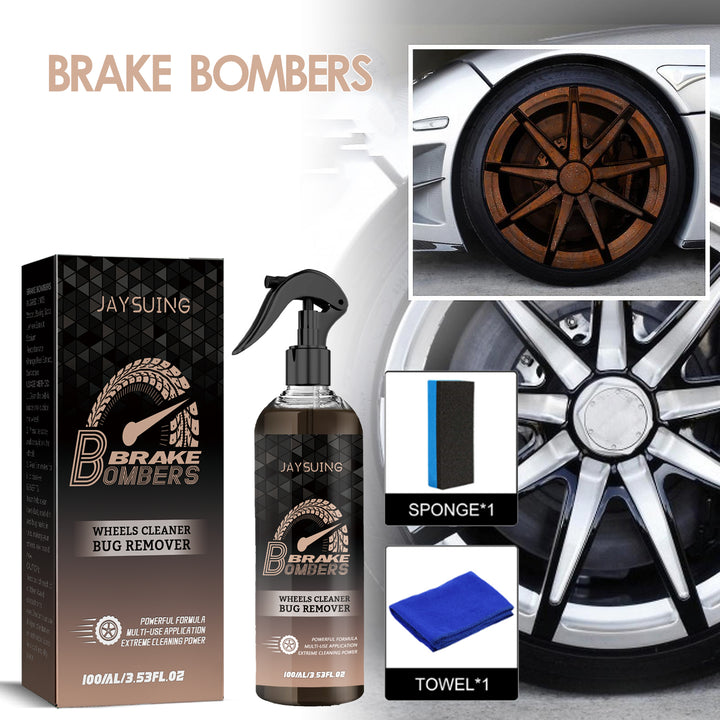
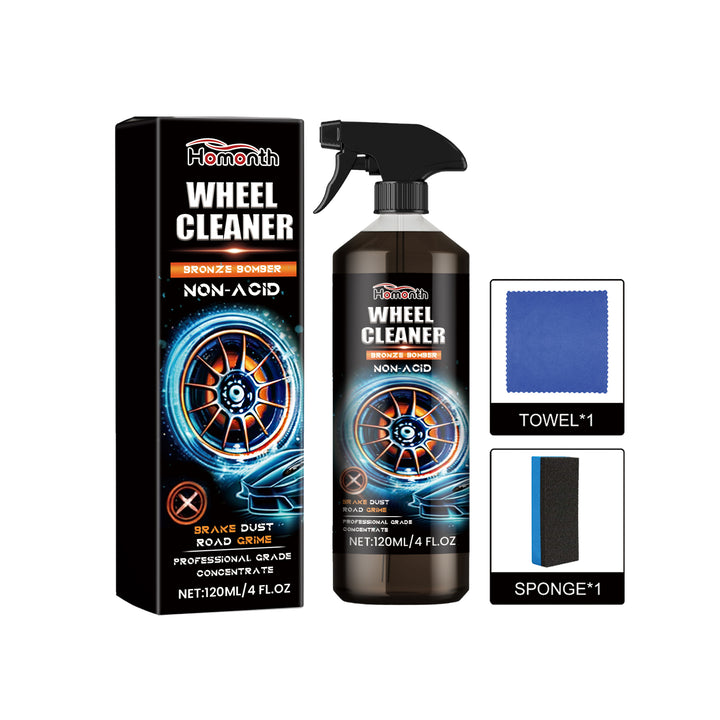

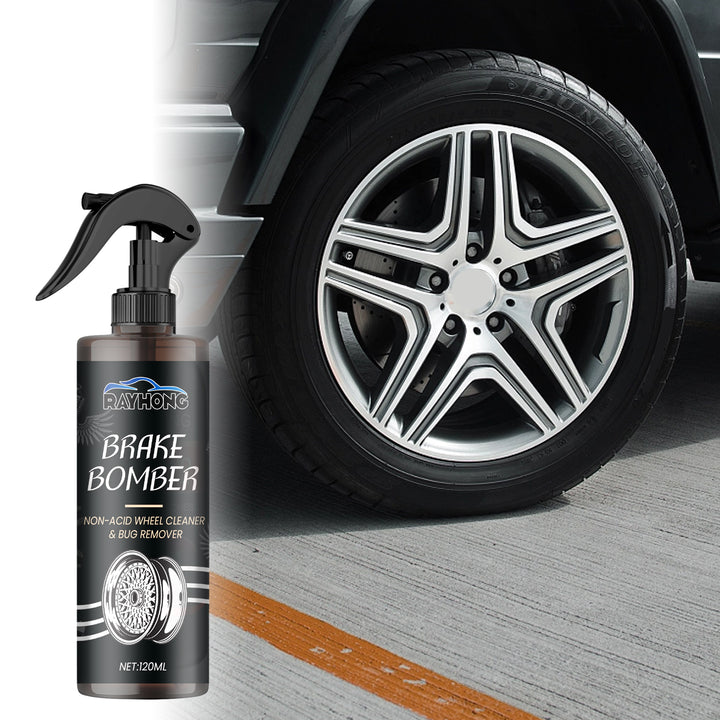


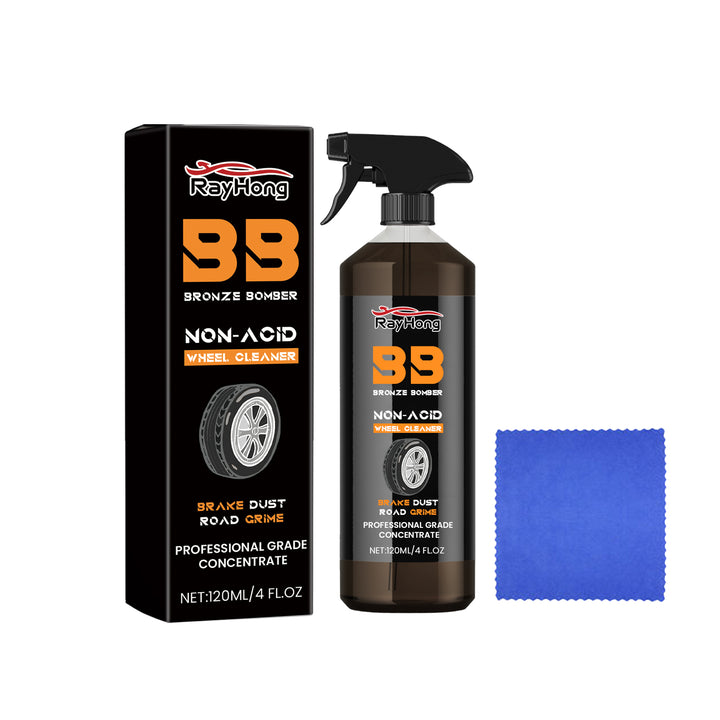
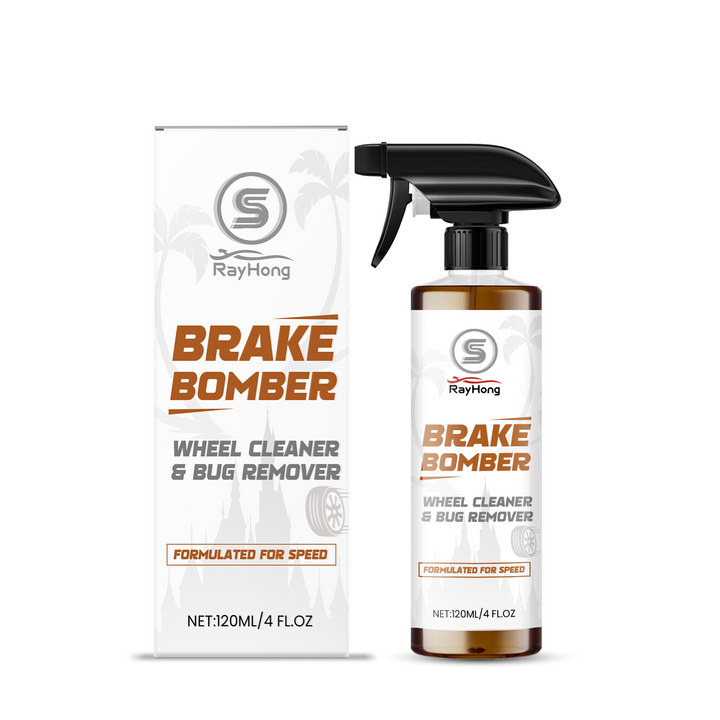

Find targeted cleaners for brake dust, road grime, bugs, tar, resin and wheel-hub buildup. This category includes sprays, foams, non-acid formulas and detailing products for rims, tires and metal parts, so you can match the cleaner to the mess and the wheel finish.
Start with the wheel material and the type of dirt you need to remove. For regular brake dust and road grime, choose a dedicated non-acid wheel cleaner or wheel cleaner spray. If bugs, tar or tree resin are also a problem, a separate bug and tar remover can help target those sticky deposits. For light maintenance, a fast tire-care and shine spray may be convenient, while foam is useful when you want more visible coverage on the wheel face. Check the product directions before use, especially on polished, painted, coated or unfinished metal. The best car wheel cleaner is one suited to your wheel finish, cleaning routine and level of buildup—not simply the strongest-sounding formula.
Wheel cleaner sprays are practical for routine brake-dust and hub-grime removal, while automotive wheel-cleaner foam helps coat broad areas before agitation. Non-acid wheel cleaners are a sensible option for shoppers seeking a gentler approach to road grime and brake dust, provided the label says the product is suitable for the wheel surface. Bug and tar remover sprays are designed for separate contaminants such as insects, asphalt residue and resin; they are not necessarily substitutes for a wheel cleaner. Rust remover is intended for rust or oxidation on wheel hubs and metal parts, rather than ordinary tire cleaning. A car wheel cleaner brush can complement any of these products by reaching spokes, lug areas and inner rims.
Look for clear surface guidance, especially if your vehicle has alloy, painted, clear-coated, polished or custom wheels. A product that identifies brake dust and road grime as target soils is a better match for wheel maintenance than a general-purpose cleaner. Spray or foam packaging can make it easier to cover spokes and recessed areas, while a smaller 120ml non-acid wheel and bug remover may suit spot cleaning or keeping in a detailing kit. If you want less manual work, compare products described for fast cleaning, but still check whether brushing or rinsing is required. Also consider whether you need one product for wheels or separate products for wheel grime, bugs, tar and rust.
Work on a cool wheel and follow the specific label directions. Remove loose dirt with water first when instructed, then apply the cleaner evenly to the wheel surface without allowing it to dry. Give the product only the stated dwell time, agitate stubborn brake dust with a suitable wheel brush, and rinse thoroughly. Clean one wheel at a time so the product remains under control. Use a dedicated brush for spokes, lug recesses and the inner rim, and keep bug or tar remover focused on the affected areas. Test an inconspicuous spot before treating an unfamiliar finish, and avoid mixing different cleaners. Drying the wheel afterward can help you inspect whether more cleaning is needed.
Using the same product on every surface without checking compatibility is a common mistake. Wheel finishes vary, and a cleaner suitable for one rim may not be appropriate for another, so read the directions first. Do not apply product to hot wheels, leave spray or foam to dry, or let loosened grime remain after rinsing. Another mistake is expecting a tire-shine spray to remove heavy brake dust, or using tar remover as the only treatment for general wheel grime. A brush also needs the right size and softness: choose one that reaches behind spokes without scratching. Finally, do not assume a stronger cleaner eliminates the need for agitation when deposits are bonded to the rim.
Routine car washers may prefer a dedicated wheel cleaner spray for brake dust and road grime, while detailers may combine non-acid cleaner with a car wheel cleaner brush for more controlled agitation. Drivers dealing with frequent insect residue, asphalt spots or tree resin can add a bug and tar remover spray to their kit. Foam is useful when broad, visible coverage matters, and a fast tire-care and shine spray suits lighter maintenance between deeper cleans. If the main concern is rust around wheel hubs or metal parts, choose the automotive rust remover rather than a general wheel cleaner. Shoppers who want a compact option for targeted work can consider the 120ml non-acid wheel and bug remover.
Use a dedicated wheel cleaner matched to the wheel finish and the type of dirt present. A non-acid wheel cleaner or brake-dust spray is suitable for many routine cleaning tasks when used according to its directions, while a wheel brush helps reach spokes and recessed areas.
The most suitable product depends on the deposit. Wheel cleaner is designed for brake dust and road grime, bug and tar remover targets sticky organic or asphalt residue, and rust remover is intended for rust on hubs and metal parts. Pre-rinsing, correct dwell time, brushing and thorough rinsing also affect the result.
Dish soap may remove some loose surface dirt, but it is not a dedicated solution for bonded brake dust, tar or rust. A purpose-made car wheel cleaner provides directions for wheel-cleaning use and can be paired with a suitable brush for more targeted cleaning.
A wheel cleaner spray or non-acid wheel cleaner made for brake dust and road grime is a suitable starting point. Apply it only as directed, allow the stated dwell time, agitate stubborn deposits with a compatible wheel brush, and rinse thoroughly.
It may loosen some light or fresh surface dirt, but dish soap is not specifically formulated for brake-dust buildup. For more targeted cleaning, choose a car wheel cleaner intended for brake dust and confirm that it is suitable for your rim finish.
Choose a wheel cleaner that explicitly lists brake dust and alloy-wheel compatibility in its directions. Non-acid wheel cleaner options can suit shoppers seeking a gentler formula, but every alloy finish is different, so test an inconspicuous area and follow the product instructions before full application.