$64.90
Free delivery · 7–14 days
Car Interior Cleaner Spray for a Refreshed Finish
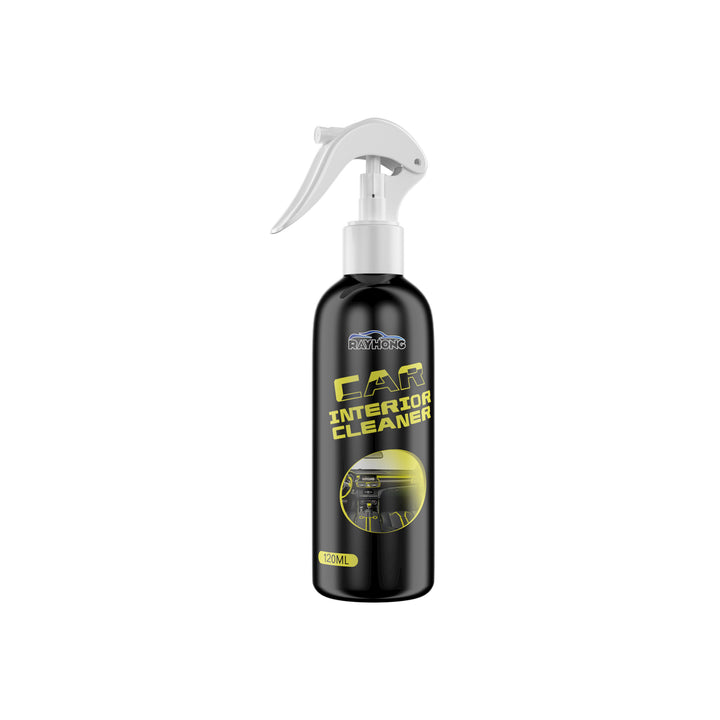
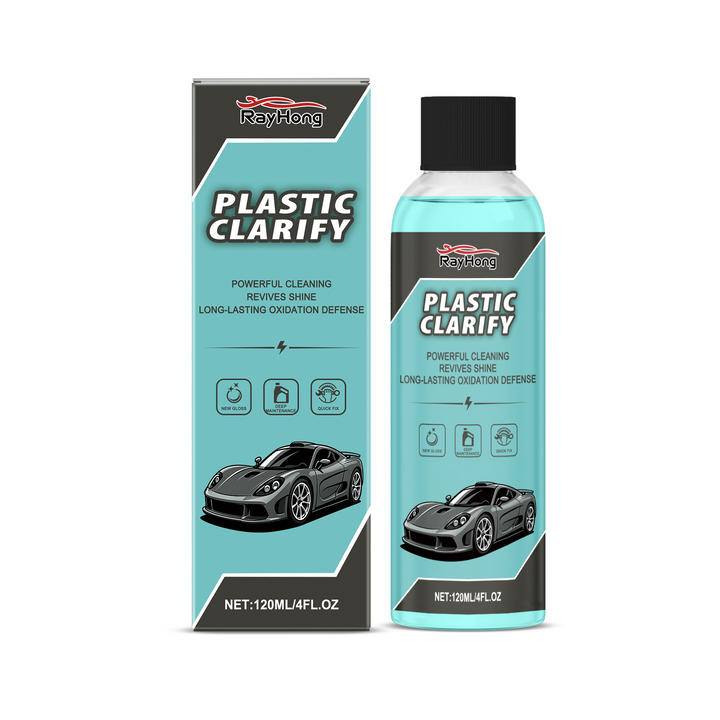
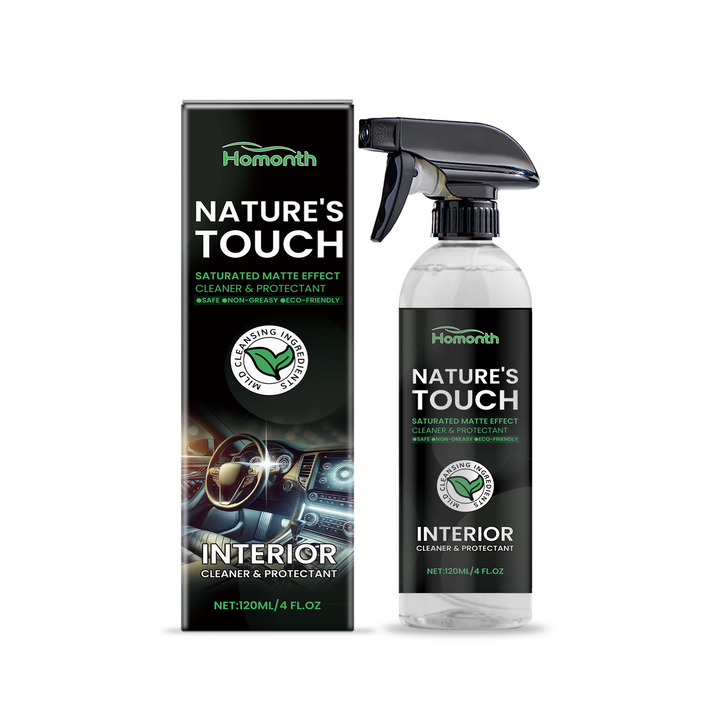

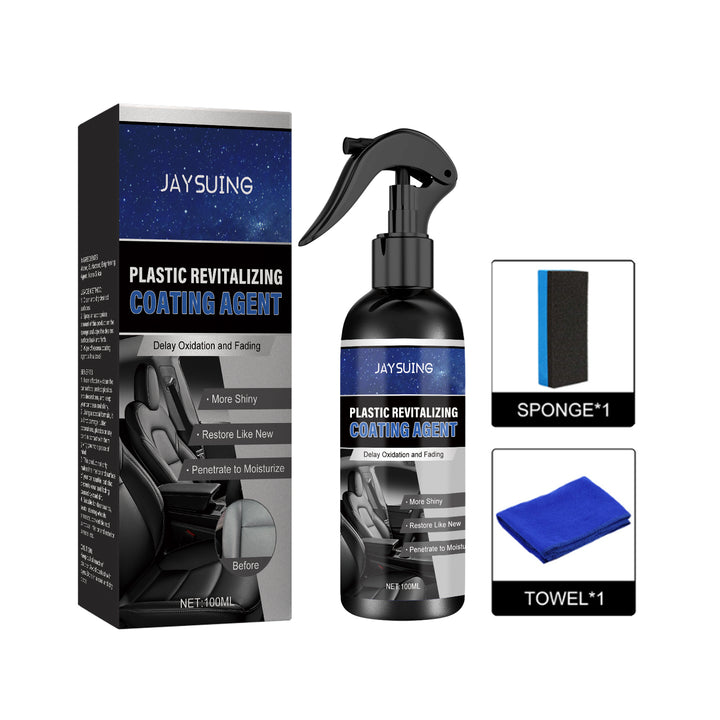
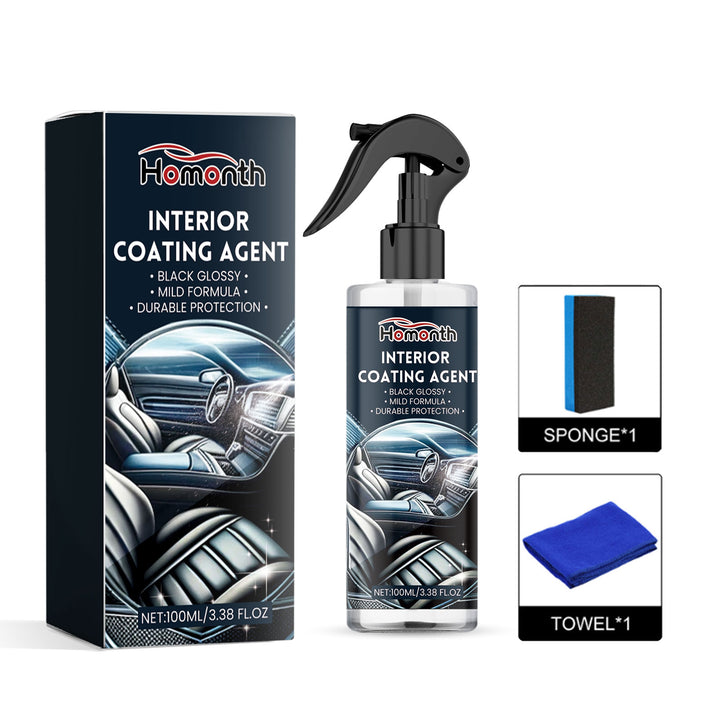


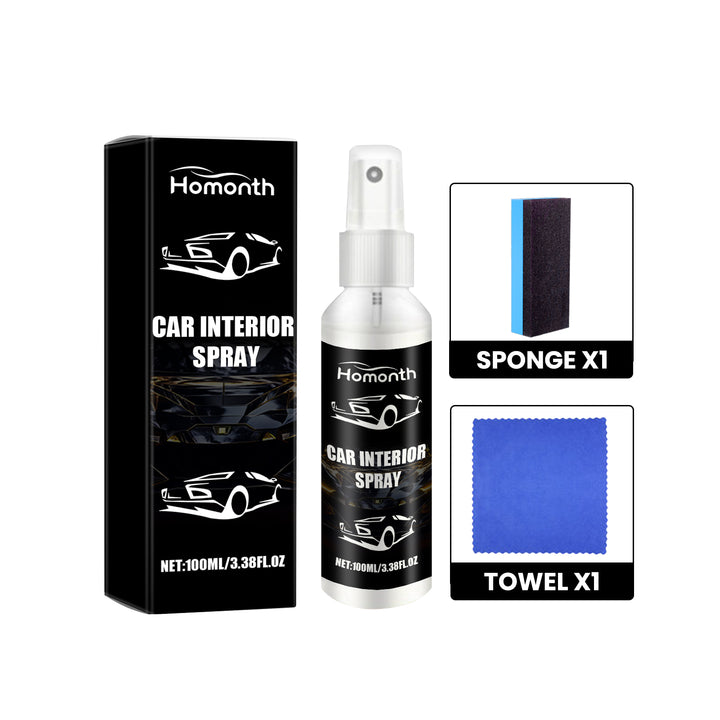
Keep seats, dashboards, door panels, and interior trim looking cared for with products made for car interiors. This category includes interior cleaners, foams, plastic restorers, conditioners, and coating sprays for routine cleaning, faded trim care, and finish protection.
Start by identifying the surface and the finish you want. Use a car interior cleaner spray or foam for dust, fingerprints, light grime, and everyday spills on compatible surfaces. Choose a plastic restorer or trim restorer when interior plastic looks faded and needs a renewed appearance. A cleaner and protectant is useful when you want cleaning plus a matte finish, while a coating agent or coating spray is better suited to shoppers seeking a glossy, durable-looking layer. For leather seats, check that the product is specifically labeled for leather before applying it. If you are comparing the best cleaner for car interior use, prioritize surface compatibility, finish preference, spray control, and clear directions over shine alone.
Car interior cleaners are designed to lift everyday dirt from suitable surfaces, making them a practical choice for regular car interior cleaning at home. Foam products can help with quick spot cleaning, while spray cleaners cover larger areas such as dashboards, consoles, and door trim. Plastic restorers are intended for faded-looking interior plastic and typically focus on renewing its appearance. Protectants and coatings add a finishing layer after cleaning; some are made for a matte look, while others create more noticeable gloss. A leather conditioner is a separate choice for compatible leather surfaces because plastic products should not automatically be used on seats. Read the label to confirm whether a formula suits vinyl, plastic, leather, rubber, or fabric.
Look for clear surface guidance, application instructions, and the finish described on the product page. A matte-finish cleaner and protectant can suit dashboards where a low-sheen appearance is preferred, while a glossy interior coating spray may appeal to shoppers restoring the look of trim. Consider whether you need a broad cleaner, a targeted plastic restorer, or a foam for small marks and hard-to-reach areas. A trigger spray can be convenient for larger sections; controlled foam application may help limit overspray during spot work. If UV protection is listed, use the product according to its directions and do not treat that feature as a substitute for regular cleaning. Always check compatibility before using any product on a new or delicate surface.
Remove loose rubbish and vacuum dust before applying a cleaner. Spray the product onto a microfiber cloth when possible, rather than directly onto screens, switches, vents, or seams. Work on a small, hidden area first, then clean one section at a time and wipe away residue with a separate dry cloth. Use a foam cleaner for localized spots and a suitable plastic restorer only after the surface is clean and dry. Apply leather conditioner only to leather identified as compatible by the product instructions. Keep liquids away from electrical controls, seat belts, and airbag areas. Finish by checking for streaks, slippery residue, or uneven shine. Good ventilation and careful application help make routine car interior care easier at home.
Using one product on every material is a common mistake. A plastic restorer may not be suitable for leather, fabric, glass, or touchscreens, and a glossy coating may not match a factory-style matte dashboard. Avoid applying heavy amounts, which can leave greasy residue and attract dust. Do not spray directly into vents, buttons, speakers, displays, or electrical controls. Skipping a patch test can also create an unwanted change in color or sheen. Dirty cloths can spread grime, so use clean microfiber cloths and change them as they become soiled. Finally, do not use household or workshop products simply because they create shine; check the label for automotive interior compatibility before use.
Home-use car interior cleaning products suit routine upkeep, light spills, faded-looking trim, and drivers who want to maintain a clean cabin between details. Professional car interior cleaning may be more suitable when dirt is deeply embedded, several materials need different treatments, or you lack the time and equipment to clean the cabin thoroughly. Search results for clean car interior near me can help compare local providers, but service scope and pricing vary by vehicle size, condition, materials, and requested work. After professional cleaning, a compatible cleaner, protectant, or trim restorer can help maintain the appearance. For regular care, keep a suitable spray or foam, microfiber cloths, and a surface-specific restorer available for quick touch-ups.
The price of professional interior cleaning varies by vehicle size, interior condition, location, and the services included. Basic cleaning, stain treatment, leather care, odor work, and full detailing may be priced differently, so request a written scope from local providers before booking.
Vacuum regularly, wipe high-touch areas with a compatible car interior cleaner, and treat spills promptly. Use a suitable protectant or trim restorer according to its directions, avoid excessive shine-producing product, and protect the cabin from prolonged dirt and unnecessary moisture.
Interior detailing can be worthwhile when the cabin needs more than routine wiping, especially after heavy use or before selling the vehicle. For light, ongoing maintenance, car interior cleaning products can handle many everyday tasks at home, while professional detailing offers deeper and more comprehensive care.
Clean and dry the plastic first, then apply a compatible automotive plastic restorer or interior coating according to the label. Choose a matte product for a factory-style appearance or a gloss product if that finish is preferred, and test it on a hidden area before treating the entire surface.
The best choice depends on the plastic, its condition, and the finish you want. Compare products by surface compatibility, matte or glossy finish, application method, and whether the listing describes protection features such as UV protection; always follow the product directions.
WD-40 is not automatically suitable for automotive interior plastic restoration, and it may leave an unwanted oily residue or finish. Choose a product specifically labeled for car interior plastic or trim, test it in an inconspicuous area, and follow the stated application instructions.