
$99.90
Free delivery · 7–14 days
Long Straight Orange Lace-Front Wig With Natural Hairline
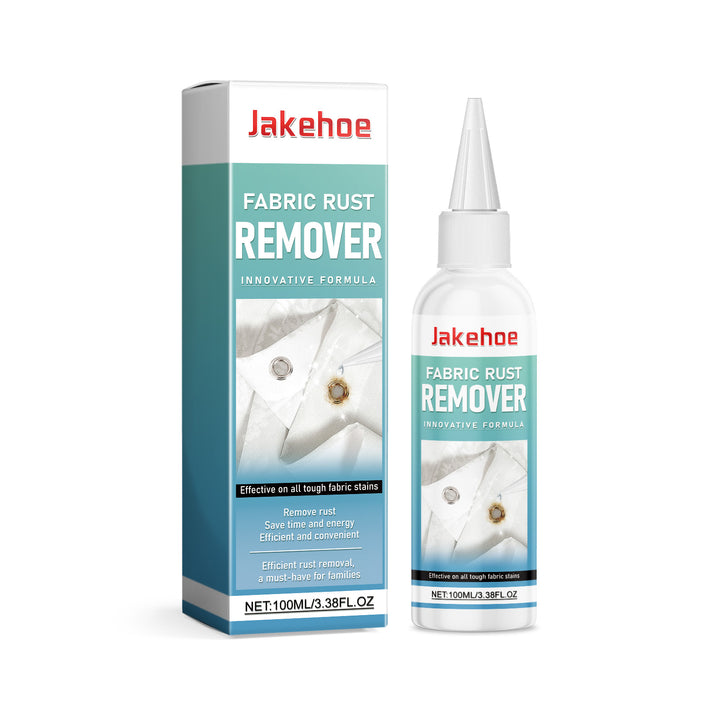
Rust removers are designed for different jobs, from lifting rust stains from fabric to loosening corrosion on metal. This category includes a fabric rust remover for clothing, so check the product label and surface guidance before using any rust remover chemical, spray, converter, or homemade solution.
Start with the material, not the stain alone. A fabric rust remover for clothing should be selected for washable garments and used according to its label, while a rust remover for metal needs directions that specifically cover the metal surface and the type of corrosion. For cars, check compatibility with painted panels, chrome, wheels, trim, and other finishes before applying a product. Consider the application too: a rust remover spray can be convenient for larger or vertical areas, while a liquid or gel may offer more controlled coverage. If the item is only stained, use a remover. If corrosion remains bonded to metal, compare a dissolver with a converter or hardener.
A rust remover is intended to dissolve or lift rust so it can be rinsed, wiped, or brushed away. A rust converter is used when rust cannot be fully removed; it reacts with the corrosion and leaves a treated surface that may be prepared for painting, depending on the instructions. A rust hardener generally helps stabilize a corroded area rather than restoring bare metal. These products are not interchangeable. Use a fabric rust remover only on suitable clothing and textiles, never as a substitute for a metal treatment. For a clean, paint-ready surface, removal may be preferable. For difficult metal corrosion, a converter or hardener can be more practical after loose rust is removed.
Look for clear surface directions, application time, rinsing or wiping instructions, and safety guidance. A suitable rust remover for metal should identify whether it works on steel, iron, chrome, aluminum, painted surfaces, or other materials; do not assume one formula suits every item. For tools and hardware, a soak-style product may reach crevices, while a rust remover spray can cover exposed areas without moving the object. For automotive use, check whether the product is intended for bodywork, wheels, or underbody parts. Also check storage and disposal instructions for any rust remover chemical. If choosing a fabric product from this category, confirm that it is intended for clothing before treating a garment.
Read the label before treating clothing, and test the product on a hidden area if the instructions permit. Remove loose dirt first, then apply the fabric rust remover only to the stained area. Follow the stated contact time rather than leaving the product on longer, and rinse or launder exactly as directed. Do not mix it with bleach, ammonia, or other cleaners. Avoid heat-drying the garment until the stain has been checked, because heat can make some stains harder to remove. Keep the product away from children, eyes, and damaged skin, and use ventilation where the label recommends it. The listed clothing cleaner is for fabric rust stains, not for metal corrosion.
One common mistake is using a metal rust remover on clothing, painted surfaces, or finished fixtures without checking compatibility. Another is treating rust converter and rust remover as the same product: a converter changes the treated corrosion, while a remover is intended to take it away. Do not combine products, especially acidic cleaners with bleach or other chemicals. Avoid applying a rust remover spray in an unventilated space, and protect nearby surfaces from drips or overspray. On metal, remove loose flakes and follow the recommended dwell time; excessive scrubbing can damage finishes, while too little contact may leave rust behind. For homemade rust removers, test first and remember that household ingredients may not suit every fabric, coating, or metal.
Choose a fabric rust remover when the problem is an orange-brown mark on a washable garment or household textile. Choose a metal rust remover when corrosion is on tools, hardware, outdoor metal, or another surface specifically listed by the product. Rust removers for cars require extra care because automotive finishes differ; read the directions for painted panels, wheels, chrome, and plastics before use. A converter or hardener may suit a metal surface that will be primed or painted after treatment, while a dissolver may be better when you want to remove visible rust. If you are unsure, use a small hidden test area or consult the manufacturer’s surface guidance rather than relying on a general “best rust remover” claim.
The best option depends on the surface and the condition of the corrosion. Use a fabric rust remover for rust stains on suitable clothing, a metal rust remover for compatible bare metal, and a converter or hardener when treating remaining corrosion before a coating.
A chemical rust dissolver can loosen or dissolve rust during its stated contact time, reducing the need for heavy scrubbing. Results depend on the metal, rust depth, product formula, and application instructions, so always test compatibility and follow the label.
The best rust dissolver is one labeled for the exact material and task. A soak may suit removable metal parts, while a liquid or rust remover spray may be easier for fixed surfaces; for clothing, use only a product specifically intended for fabric.
A rust converter is generally the relevant choice when corrosion cannot be completely removed and the surface will be treated afterward. It does not serve the same purpose as a rust remover, so check whether you need to dissolve rust, stabilize it, or prepare the surface for painting.
A powerful product is not automatically suitable for every metal. Choose a formula whose directions list the specific metal and finish, and use the recommended protective equipment, contact time, rinsing method, and ventilation.
Rust remover is better when you want to lift or dissolve corrosion and expose cleaner metal. Rust converter is better when some rust remains and you plan to stabilize the surface before a compatible coating; neither should be used on a material not listed on its label.