$33.90
Free delivery · 7–14 days
T10 LED Bulbs — 10-Pack Cold White 194 W5W Super Bright

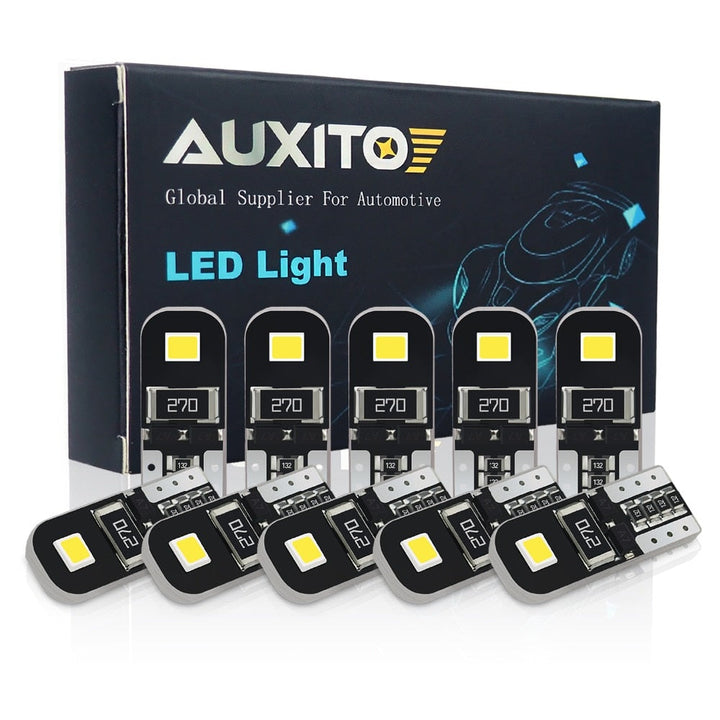


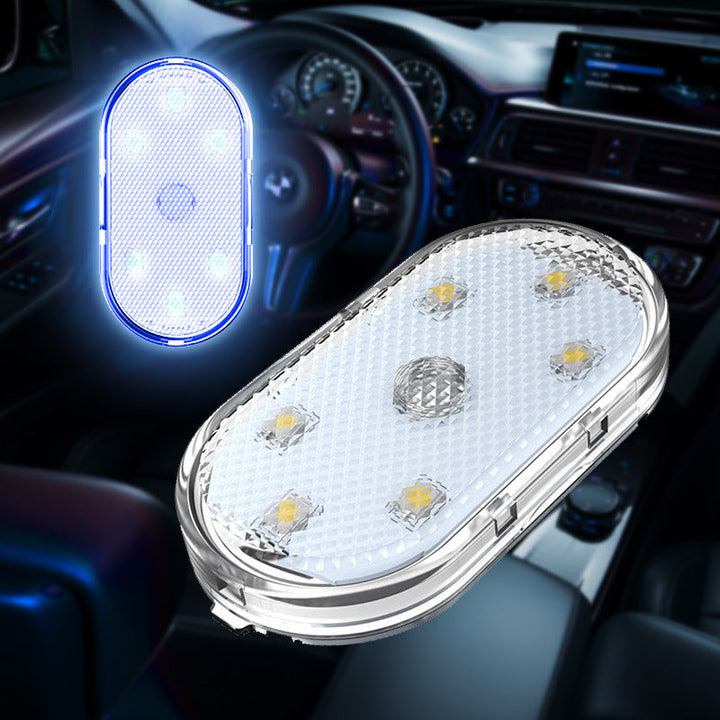



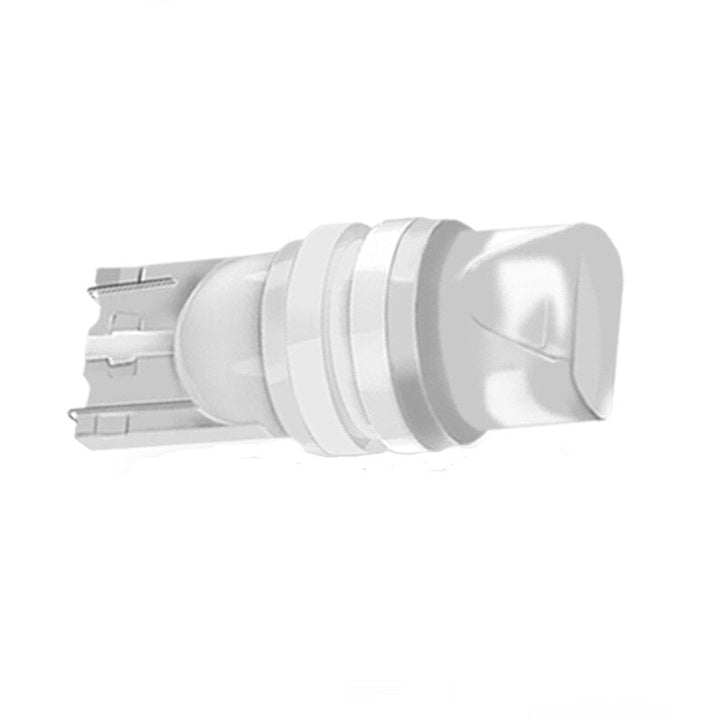

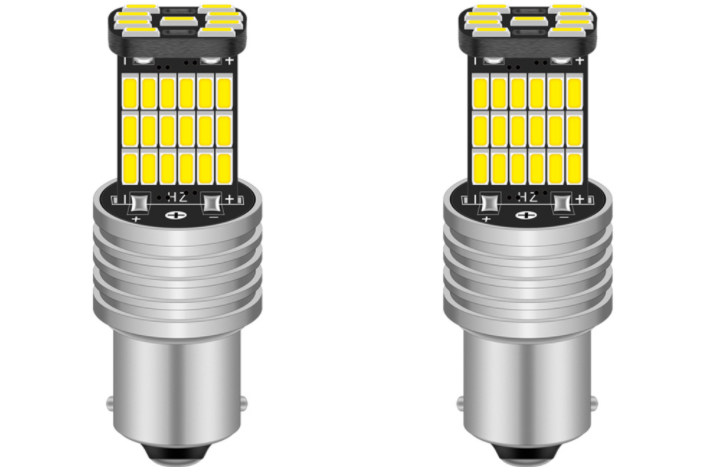
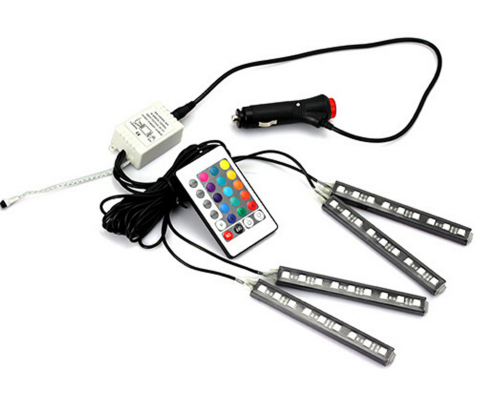


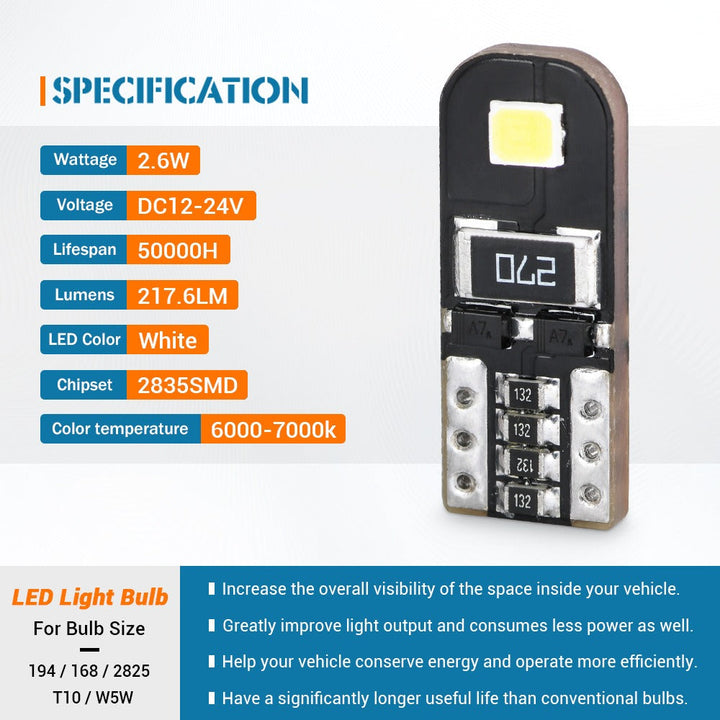
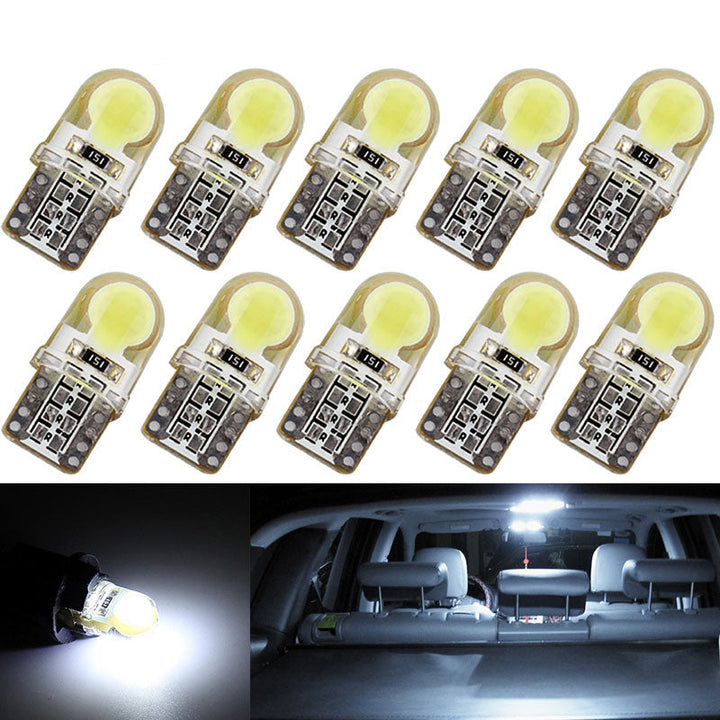
Upgrade your cabin lighting with car LED bulbs designed for common interior sockets, including T10/W5W, festoon, and 12V panel formats. This range includes bright white replacements, CANbus-compatible options, RGB lighting, and multi-packs for dome, map, vanity, trunk, and license-plate applications.
Start by identifying the original bulb type and size in your vehicle. T10, W5W, and 194 bulbs are common wedge-style options for map lights, courtesy lights, and some license-plate housings, while festoon bulbs use a tubular shape with contacts at both ends. A 12V COB panel can suit a larger dome-light housing when it includes the correct adapter and enough space for installation. Check the owner’s manual, the marking on the old bulb, or the socket dimensions before ordering. If your car displays a bulb warning after installation, choose a CANbus or error-free option. For a simple cabin refresh, bright white T10 or festoon bulbs are practical; RGB kits are better when you want adjustable color and remote control.
T10/W5W LED bulbs are compact and versatile, making them suitable for many map, courtesy, trunk, and small interior sockets. Festoon LED bulbs are the better match for elongated dome and vanity-light housings, but the length must match the original bulb. COB panel lights spread illumination across a broader surface and can work well in larger dome-light assemblies when the included fittings are compatible. A multi-pack is useful when several interior bulbs share the same socket type. RGB LED car interior lights add selectable colors and a wireless remote, while cold-white and 6000K-style options create a crisp appearance. These products are intended primarily for interior lighting, not as automatic replacements for H4 or H7 headlights.
Look for the correct socket designation, physical dimensions, polarity information, and a voltage rating suitable for a 12V vehicle electrical system. A polarity-sensitive wedge bulb may need to be removed and rotated if it does not light on the first attempt. CANbus or error-free construction can help reduce dashboard warnings in vehicles that monitor bulb resistance, although compatibility can vary by model. Consider beam direction too: a 360-degree T10 design can distribute light around the socket, while a panel-style COB light may provide broader coverage in a dome housing. Choose color according to the use—neutral or bright white for visibility, or RGB for decorative cabin lighting. “Super bright” should not replace checking fit, glare, and housing clearance.
Turn off the vehicle and the interior-light switch before removing an old bulb, and allow any recently used bulb to cool. Carefully remove the lens with a suitable trim tool, then pull the original bulb straight from its socket unless the housing specifies another method. Insert the replacement without forcing it; for T10 or W5W bulbs, test polarity before reinstalling the lens. Festoon bulbs should sit securely between the end contacts, while a COB panel should be mounted only after confirming that its adapter and wiring fit inside the housing. Test each door, switch, and dimming function before closing everything. If a bulb flickers, stays on, triggers a warning, or becomes unusually hot, switch it off and recheck the fit and compatibility.
The most common mistake is buying by appearance alone instead of matching the socket and bulb length. A T10/W5W bulb cannot replace every festoon bulb, and a festoon that is slightly too long may not fit between the contacts. Another mistake is assuming that every LED car bulb is suitable for headlights. Interior products in this category are not automatically replacements for H4 or H7 headlight bulbs, and headlight legality, beam pattern, and housing compatibility depend on the vehicle and local rules. Buyers also overlook polarity, dashboard bulb monitoring, and clearance beneath the lens. Finally, an extremely bright bulb is not always the best choice for a cabin; excessive glare can be distracting in a dark interior, especially near the driver’s line of sight.
These bulbs suit drivers replacing dim, failed, or mismatched cabin bulbs and anyone wanting a cleaner white interior appearance. T10/W5W multi-packs are useful for vehicles with several matching small sockets, while CANbus-compatible T10 or festoon bulbs are worth considering when the car reports bulb errors. A larger COB panel can suit shoppers who want broader dome-light coverage and have enough room in the original housing. The RGB seven-color kit is aimed at decorative lighting rather than maximum task illumination. If you are searching for led bulbs for cars headlights, led car lights exterior, or car LED bulbs H4 and H7, check a dedicated exterior or headlight category instead. This category focuses on interior, dome, map, trunk, vanity, and similar low-voltage cabin applications.
Not always. You need to match the original socket, bulb dimensions, polarity, and vehicle voltage, and some vehicles may need CANbus or error-free bulbs to avoid warning messages. Interior LED bulbs are generally straightforward replacements when the fit is correct, but headlight and exterior applications require separate compatibility and legal checks.
The best bulb is the one that matches your vehicle’s original socket and the location you are upgrading. T10/W5W bulbs suit many small interior sockets, festoon bulbs suit tubular housings, and COB panels suit larger dome-light spaces when their adapters fit. Choose CANbus or error-free construction if your car monitors bulb load.
This depends on your vehicle, the headlight housing, the bulb’s approval status, beam alignment, and local regulations. An LED bulb that fits physically may still produce an unsuitable beam or be restricted for road use. The products in this category are primarily interior bulbs, so check dedicated headlight requirements before choosing an H4 or H7 LED.
Brightness depends on the socket, housing, optical design, and intended use, so a higher advertised lumen figure does not guarantee better visibility. For interior lighting, a COB panel can provide broad coverage, while a 360-degree T10 design can spread light around a small socket. Choose a bulb that illuminates the area without excessive glare.
A very high claimed lumen figure does not by itself confirm safe or suitable headlight performance. Beam pattern, glare control, housing compatibility, alignment, and local rules matter just as much. Do not use interior bulbs as headlight replacements, and verify vehicle-specific requirements before selecting an H4 or H7 product.
Brand alone does not determine compatibility. For these interior products, compare the socket type, dimensions, color temperature, polarity, CANbus or error-free design, included adapters, and warranty or return information. Selecting the correct T10/W5W, festoon, RGB, or COB format for your vehicle is more important than choosing by brand name.