
$64.90
Free delivery · 7–14 days
Car Scratch Repair Cream for Minor Paint Marks at Home
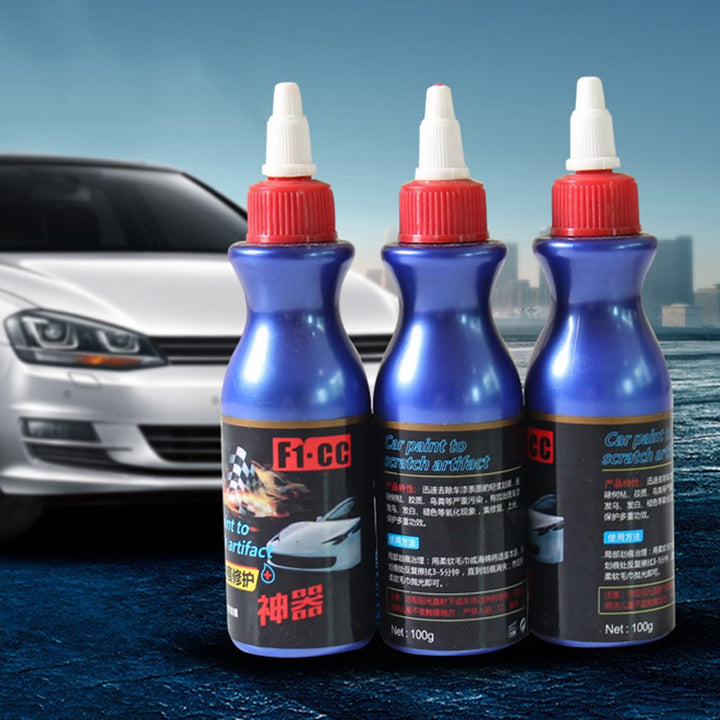
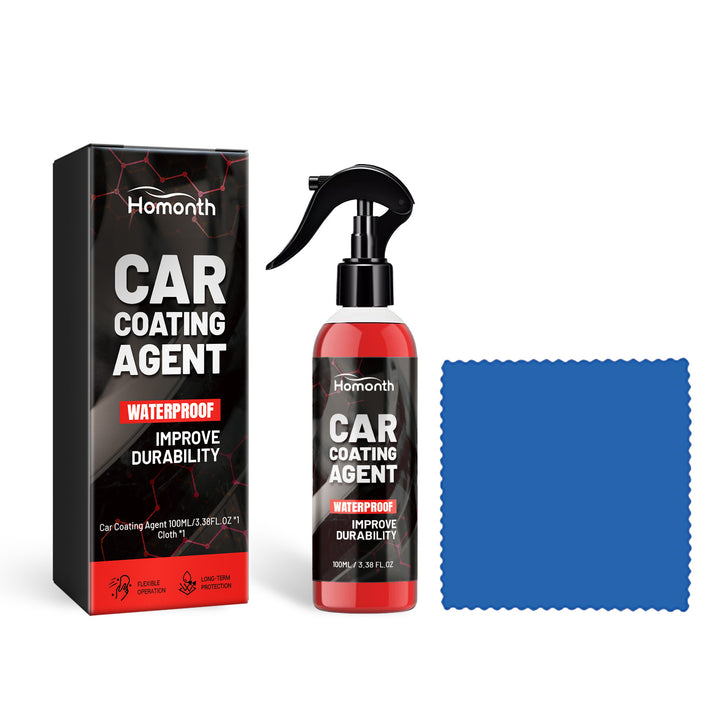


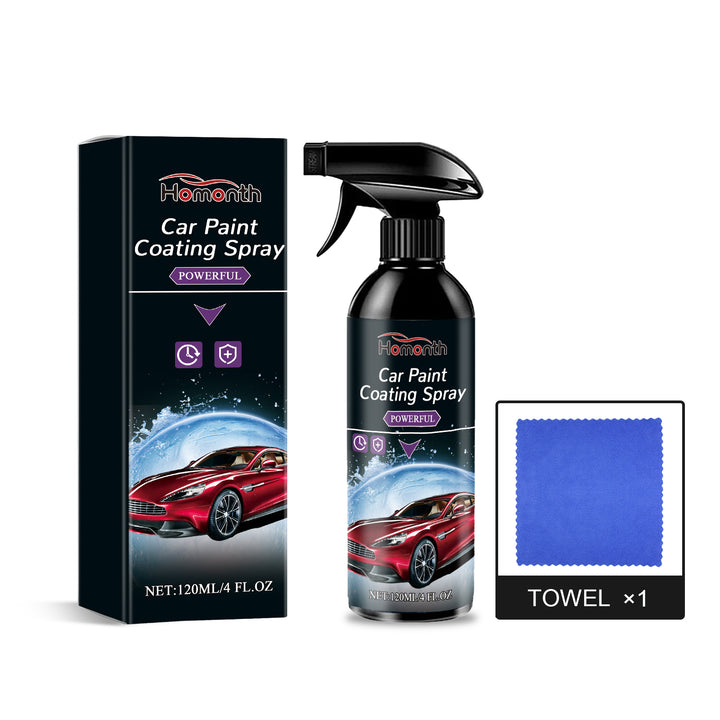


Car paint repair products can help refresh light scratches, surface marks, small chips, and dull areas without repainting an entire panel. Choose a scratch remover, polishing paste, touch-up liquid, or protective coating based on the damage, finish, and result you want.
Start by checking whether the damage is a surface mark, a shallow scratch, a paint chip, or a larger faded area. Scratch remover paste and polishing paste are suited to light marks that have not removed much color. Scratch repair liquid is useful for quick, targeted touch-up work, while a paint coating spray is intended for gloss and surface protection rather than filling deep damage. Match the product to your car’s paint finish and follow its preparation instructions. Clean and dry the panel first, then test the product on a small, inconspicuous area. If you are comparing car paint repair cost with a professional service, a kit may be practical for small cosmetic repairs, but extensive damage can require specialist preparation and repainting.
Scratch remover paste is designed for light scratches, scuffs, and transfer marks that affect the surface appearance. Polishing paste can help refine the finish and restore gloss after cleaning or mild correction. Scratch repair liquid is a convenient option for small paint touch-ups where precise application matters. Coating and protection sprays are better suited to adding gloss, water repellency, or a protective finish after the paint surface is clean and even. None of these options is a universal substitute for panel repainting. For paint chip repair, remove loose contamination and apply only as directed; deeper chips may remain visible. For a large area, work in small sections and confirm the product is suitable before attempting a full-panel application.
Look for clear instructions covering compatible surfaces, application method, drying or curing time, and whether the product should be wiped or polished away. A controlled applicator is helpful for small chips and narrow scratches, while a spreadable paste can be easier for broader surface marks. For spray products, check whether they are intended for gloss, water repellency, or general paint protection. Consider the finish you want: a repair product may reduce the appearance of a mark, while a coating spray can improve overall shine without correcting deep paint loss. Also check the quantity and coverage guidance so you do not buy a small bottle for a large panel. If you search for car paint repair near me, compare local services with the kit’s intended DIY use.
Wash the affected area with a suitable car-safe cleaner and allow it to dry fully. Remove loose dirt, wax, and residue so the product can contact the surface evenly. Apply scratch remover or polishing paste with a clean applicator using light, controlled pressure, then remove residue as directed. For scratch repair liquid, use a small amount and keep the application within the damaged area. When using a coating or protection spray, apply a thin, even layer to a clean panel and follow the label’s wiping instructions. Work out of direct heat when possible, and avoid touching the surface while it dries. Always test first, especially on metallic, pearlescent, matte, or recently repainted finishes.
Do not begin on a dirty panel, since trapped grit can create additional marks during rubbing or polishing. Avoid using heavy pressure to remove a deep scratch; this can make the surrounding finish look uneven. Applying a coating spray over grease, old wax, or loose paint may trap contamination and reduce the quality of the finish. Do not assume that polishing paste will replace missing paint in a chip or bare area. On a large section, avoid spreading product too thinly or allowing it to dry before it can be levelled as directed. Mixing several repair products without checking compatibility can also create residue or an inconsistent gloss. If the damage reaches primer or metal, or covers a substantial area, a professional spot repair may be more appropriate.
DIY car paint repair products suit drivers who want to improve light scratches, small marks, minor chips, or a dull-looking surface with basic preparation and careful application. They are useful for quick maintenance between professional detailing appointments and for comparing the convenience of a car paint repair kit with local repair options. A beginner should start with a small test area and choose a product with a simple wipe-on or paste application. More serious damage, mismatched paint, peeling clear coat, rust, or a large affected panel may need sanding, color matching, blending, and refinishing. If you are learning how to blend car paint in a spot repair, keep the repaired area small and follow the product directions rather than extending product across an entire panel without testing.
The cost depends on the damage, panel size, paint type, preparation needed, and whether you use a DIY product or a professional service. A car paint repair kit is generally intended for smaller cosmetic jobs, while larger or deeper damage may cost more because it can require color matching, sanding, blending, and repainting.
Yes, light scratches, surface marks, and some small chips can often be improved with the right scratch remover, polishing paste, or touch-up product. Damage through the paint, peeling clear coat, rust, or a large area may need professional preparation and repainting rather than a surface treatment.
There is no single price because paint damage varies from a small isolated chip to a full-panel repair. Compare the cost of a suitable DIY car paint repair product with a local body shop quote, particularly when the damage needs color matching or blending.
You can handle many light scratches, marks, and small touch-ups yourself if you clean the surface, test the product, and follow the instructions carefully. DIY products are less suitable for deep scratches, missing paint over a large area, rust, or finishes that need professional color matching.
Availability and services vary by retailer and location, so check directly with the store you are considering. This category provides DIY scratch removers, repair liquids, polishing pastes, and coating sprays for shoppers who want to handle suitable surface repairs at home.
Paint or touch-up product should only be applied to a clean, sound surface and according to the product instructions. Loose paint, heavy oxidation, grease, and damaged clear coat can affect the result, so deeper or peeling areas may need preparation or professional refinishing before new paint is applied.