Car Repair Tools & Auto Body Repair Kits for Scratch Fixing
7 products
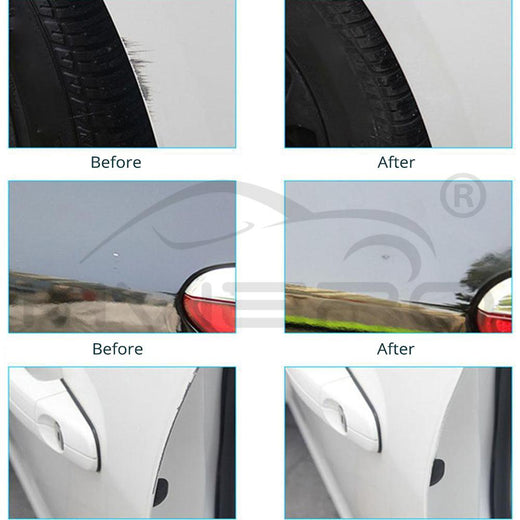
Find practical car repair tools for minor exterior damage, including paint scratch repair creams, liquids, pens, dent pullers, paintless dent kits, and a foam-head snow removal tool. Use this guide to match the tool to the damage, check compatibility with your vehicle’s surface, and choose a repair approach you can handle at home.
How to choose car repair tools for scratches and dents
Start by identifying the damage before choosing a car repair tool. A light surface mark that has not cut through the paint may suit a scratch repair cream or liquid. For a small, localized chip or line, a car paint scratch repair pen can offer more controlled application. A shallow dent without cracked paint may be a candidate for a dent puller or paintless dent removal kit. Check the product instructions for suitable surfaces, paint types, dent locations, and preparation steps. If the panel is sharply creased, deeply dented, rusted, or has damaged paint, a DIY tool may not produce a satisfactory finish. This approach is more useful than relying on a generic mechanic tools list, because these products are designed for specific cosmetic repairs.
Car scratch repair tools compared: creams, liquids, and pens
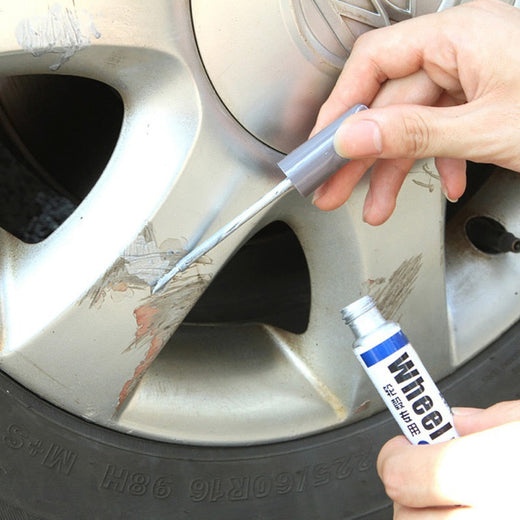
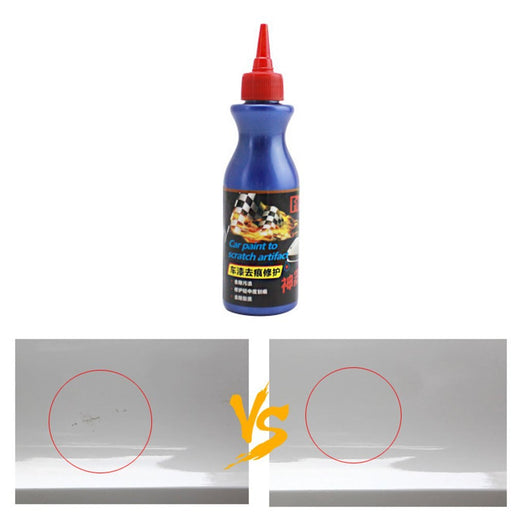
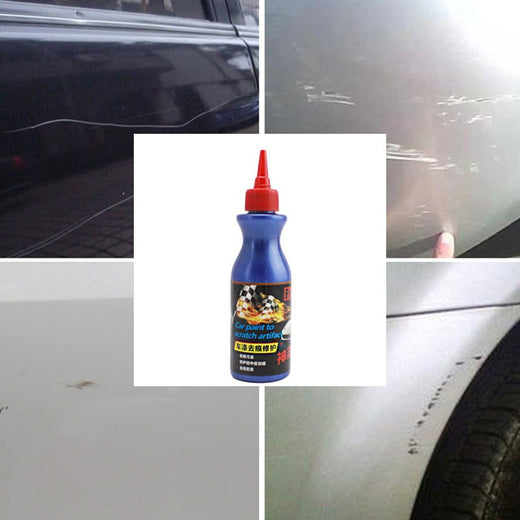
Scratch repair cream and liquid products are suited to spreading over broader areas where the mark is shallow and the surrounding finish is intact. They typically require a clean, dry surface and careful wiping after application. Scratch repair pens are better for narrow lines, small chips, or targeted touch-ups because their applicator gives you more control over placement. Compare the pen tip, color selection, drying guidance, and whether the product is intended for clear coat, painted panels, or another surface. These products are not substitutes for a full body-shop refinish when paint is missing or metal is exposed. If you are building a car repair tools list, treat scratch products as cosmetic-detailing tools rather than general mechanic power tools.
What to look for in a DIY dent removal kit
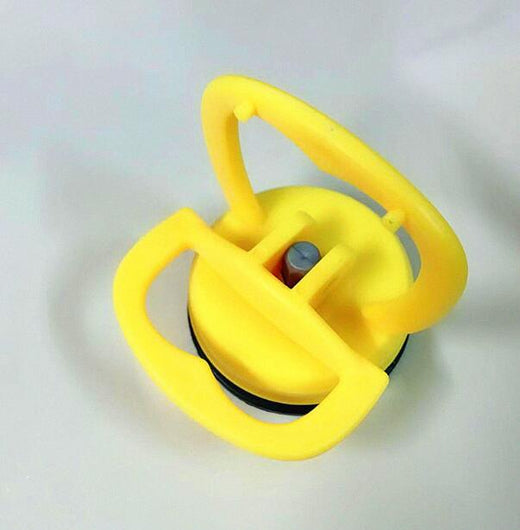
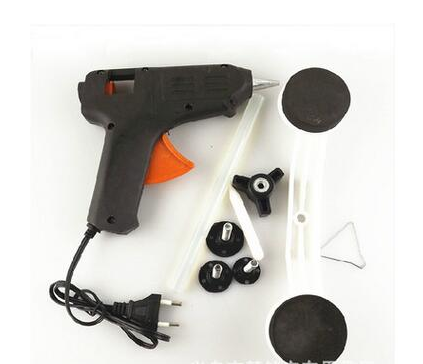
For dent repair, compare a simple car dent puller with a more complete DIY paintless dent repair kit. A puller may be useful when you want a focused tool for a small, accessible dent. A kit can provide additional pieces or methods for working gradually, which may help when the damage requires more controlled positioning. Before buying, inspect the dent’s size, depth, location, and shape. Smooth, shallow dents are generally more suitable for paintless techniques than sharp creases or dents near panel edges. Read the instructions for adhesive use, pulling direction, surface preparation, and removal. Avoid using excessive force, since pulling too aggressively can stretch the panel or worsen the finish. These considerations matter more than finding the “best” tool in a broad mechanic tools list.
How to use car repair tools for scratch fixing and dent removal
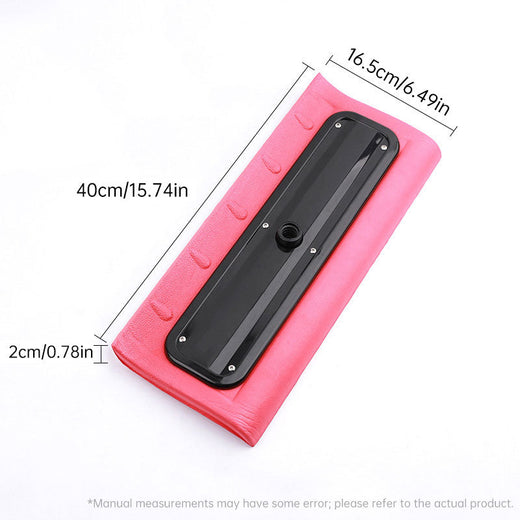
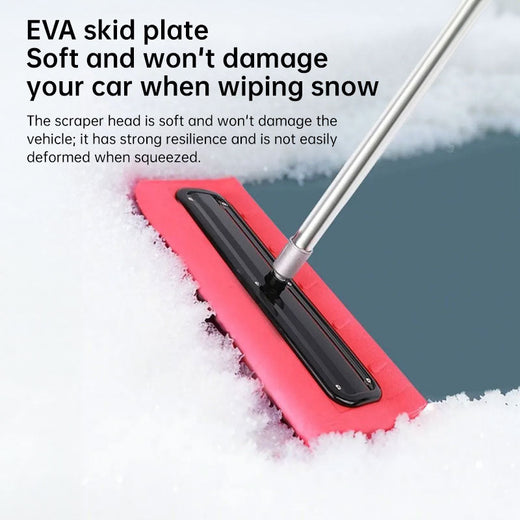
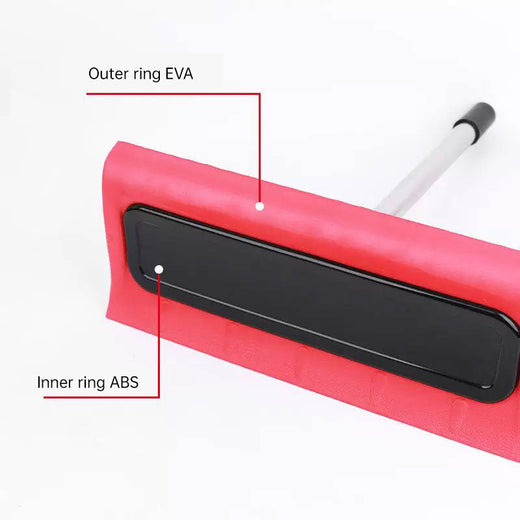
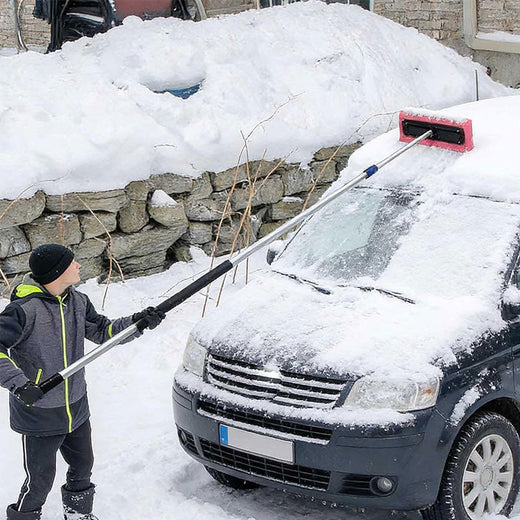
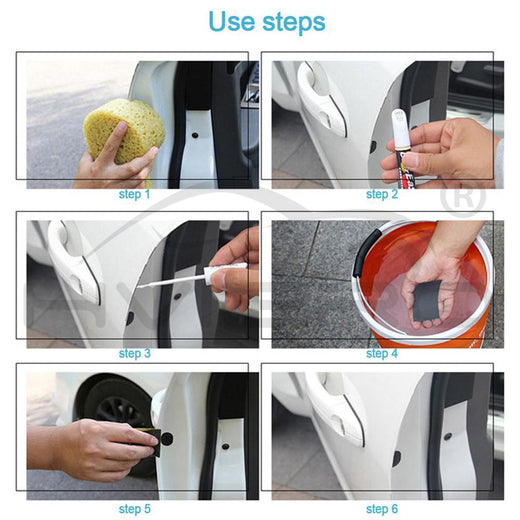
Clean the panel first with a suitable car-safe cleaner, then dry it fully and work in good light. For cream or liquid scratch repair, apply a small amount to a soft applicator, work gently over the mark, and remove residue as directed. With a repair pen, test the flow away from the vehicle and use light, controlled strokes rather than flooding the scratch. For dent tools, follow the kit’s setup instructions, center the attachment or pulling point, and make gradual adjustments. Do not rush between steps or combine products unless the instructions allow it. Test in an inconspicuous area when possible, especially on unfamiliar paint. A foam-head snow removal tool should be used gently to clear snow without dragging hard debris across the finish.
Common mistakes when using automotive repair tools
One common mistake is treating every visible scratch as the same problem. Polishing products may not correct paint that is missing, while a touch-up pen may leave an uneven mark if used across a wide scuff. Another mistake is applying products to dirt, moisture, wax, or loose paint, which can affect the result. Dent pullers can also cause problems when used on sharp creases, flexible trim, or panels with weakened paint. Avoid pressing harder simply because the first pass was not successful; clean the area, reassess the damage, and follow the recommended process. Do not use a snow tool with a rough or contaminated head. If you are searching for car repair tools near me, local stores may offer general mechanic tools, but cosmetic damage still requires the right specialized tool.
Who should buy these car repair tools for home use
This category suits vehicle owners who want to address minor cosmetic damage without assembling a full car mechanic tools list. Scratch creams, liquids, and pens are useful for small marks, light scuffs, and limited paint touch-ups when you can work patiently and follow surface-preparation instructions. Dent pullers and paintless dent kits suit careful DIY users dealing with accessible, shallow dents. The foam-head snow removal tool is useful for owners who want a gentler way to clear snow from a car or roof. These products are less suitable for collision damage, large areas of missing paint, deep creases, rust, or panels that need replacement. A professional repair estimate may be the better option when appearance, resale value, or structural parts are involved.
Frequently asked questions
What tools do you need for car repairs?
For minor exterior repairs, useful tools include a scratch repair cream, liquid, or pen; a dent puller or paintless dent repair kit; clean applicators; and suitable car-safe cleaning supplies. Mechanical jobs such as brake, engine, or suspension work require a different mechanic tools list and should be matched to the vehicle and repair task.
What are the best tools for automotive repair?
The best tool depends on the damage. Use a cream or liquid for suitable shallow surface scratches, a pen for narrow touch-ups, and a dent puller or paintless dent kit for appropriate shallow dents. For mechanical repairs, choose tools designed for the specific vehicle system rather than relying on a general-purpose kit.
What tools does a car mechanic use?
A car mechanic may use hand tools, diagnostic equipment, lifting equipment, torque tools, and mechanic power tools, depending on the job. The products in this category are mainly for minor exterior appearance work, such as scratch touch-ups, dent removal, and snow clearing, rather than engine or drivetrain repairs.
Is $100 an hour fair for mechanic labor?
An hourly labor rate can be reasonable or expensive depending on the location, shop equipment, technician experience, repair complexity, warranty, and overhead. Compare written estimates that separate labor, parts, shop fees, and taxes, and ask what work is included before approving the repair.
What's the most expensive thing to repair on a car?
Major engine, transmission, electrical, structural, or collision repairs can be among the costliest, but the price varies widely by vehicle and damage. Cosmetic scratches and shallow dents are generally different from these major repairs and may be candidates for DIY tools when the paint and panel condition are suitable.
Is a $2000 car repair worth it?
Consider the car’s condition, age, maintenance history, safety, current market value, and the likelihood of additional repairs. Get a detailed estimate and ask which work is urgent, safety-related, or optional. A scratch cream, repair pen, or dent kit may help with minor cosmetic damage, but it should not be used to avoid necessary mechanical or structural repairs.