
$64.90
Free delivery · 7–14 days
Leather Furniture Salve for Glossy, Safer Surfaces


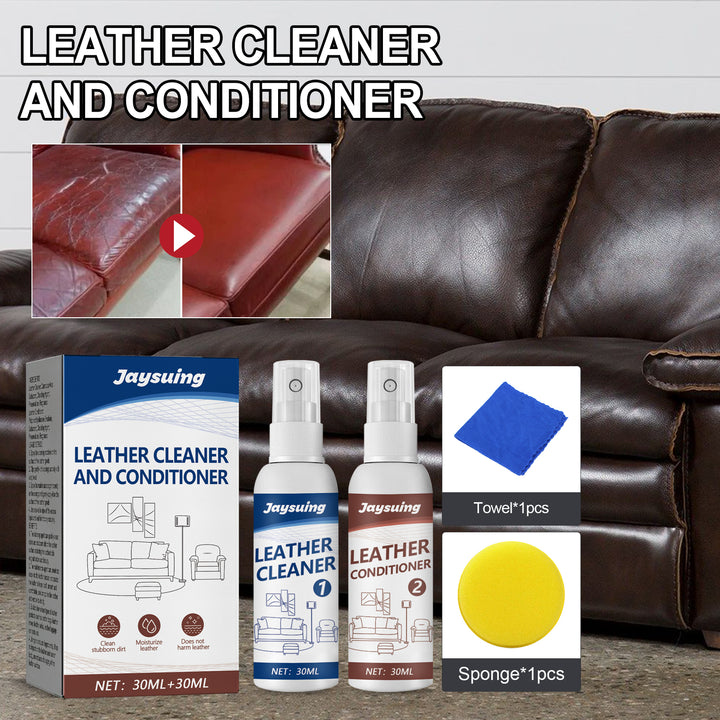
Upholstery cleaners help refresh fabric sofas, couches, cushions, car seats, and other upholstered surfaces, while repair products can address scratches, loose material, tears, and small surface damage. This category includes fabric cleaner spray, leather care, fabric and leather repair creams, adhesives, and a repair kit, so choose according to the material and the job you need to complete.
Start by identifying the upholstery material and the problem you want to solve. Fabric upholstery, such as a sofa cushion or car seat, may need a fabric cleaner spray designed for interior seats. Leather furniture usually needs a leather salve or repair cream rather than a general fabric spray. For torn, lifting, or separated material, choose fabric adhesive, multi-purpose glue, or a leather repair kit instead of a cleaning product. Check the care label and test any cleaner, cream, or adhesive on a hidden area first. If you are comparing an upholstery cleaner spray with an upholstery and carpet cleaner machine, consider the size of the job: spray suits spot cleaning and touch-ups, while a machine may be more practical for larger fabric surfaces.
Fabric cleaner sprays are intended for cleaning suitable fabric surfaces, including some car interior seats and upholstered cushions. Leather furniture salve is designed for conditioning and surface care, while leather repair creams are better suited to covering or blending minor scratches and worn areas on sofas, car seats, bags, and similar items. Fabric adhesives and multi-purpose glue help with washable fabric, leather, or other compatible repairs where a no-sew fix is appropriate. A leather repair kit may be useful when a sofa, vinyl surface, or car seat needs several repair materials together. These products are not interchangeable: a spray cleaner will not repair a split, and adhesive should not be applied simply to remove dirt.
For a fabric cleaner spray, look for clear instructions covering compatible materials, application, dwell time, and removal. A product for car interior seats may be especially useful for small areas, armrests, and other fabric sections that need targeted treatment. Choose packaging that makes controlled application easy, particularly when cleaning cushions or textured upholstery. For leather, look for a product specifically described for leather furniture, sofas, car seats, or bags rather than choosing a fabric spray. If you are shopping for the best upholstery cleaner machine, compare its intended surfaces and cleaning method with your upholstery care label. Shoppers searching for consumer reports best upholstery cleaner should still verify the product instructions and test for color transfer before treating a visible area.
Remove loose crumbs and dust before applying any product. Read the label, test a small hidden section, and check for color transfer or unwanted texture changes as the area dries. Apply fabric cleaner spray sparingly to a manageable section rather than saturating the sofa, cushion, or car seat. Work according to the instructions, then remove residue as directed and allow the upholstery to dry fully before use. For leather salve or repair cream, clean and dry the surface first, then apply a small amount and blend carefully. Adhesives and repair creams require clean, dry contact areas; use only enough product to secure or cover the damaged section. Avoid mixing cleaners, creams, and glues in the same treatment.
One common mistake is treating every material as if it were fabric. Leather, vinyl, suede-like materials, and delicate woven upholstery can react differently to sprays, water, creams, and adhesives. Another is skipping the hidden-area test, which can reveal color transfer, darkening, or an uneven finish before the product reaches the main surface. Excess liquid can leave fabric slow to dry, while excess leather salve may create a finish that feels greasy. Do not use fabric glue as a substitute for cleaning, or leather repair cream as a solution for deep structural damage. Avoid scrubbing aggressively, applying heat without care instructions, or layering multiple products before the surface is clean and dry.
DIY upholstery products suit shoppers handling small stains, routine surface care, minor scratches, or limited fabric and leather repairs. A spray can be convenient when you need a targeted fabric cleaner for a couch, cushion, or car seat, while a repair kit can help with several compatible leather or vinyl issues. Professional upholstery cleaning may be worth considering when a sofa is heavily soiled, made from delicate material, or too large to treat confidently at home. Before booking an upholstery cleaning service or searching for upholstery cleaners near me, ask which materials they handle and whether the quoted work includes a couch, chair, cushions, or separate sections. Compare that cost with an upholstery cleaner rental or a suitable product for a smaller job.
The best choice depends on the upholstery material and its care instructions. Use a suitable fabric cleaner spray for compatible fabric, and choose leather-specific care products for leather furniture or car seats. Test the product on a hidden area first and avoid saturating the surface.
Prices for professional couch and chair cleaning vary by location, material, size, condition, and the services included. Request a current quote directly from the provider and confirm whether cushions, stain treatment, travel, and drying are included. A local upholstery cleaning service may price the work differently from an upholstery cleaner rental or DIY product.
Begin by checking the care label and removing loose dirt. Use a compatible cleaner, apply it sparingly, follow the removal and drying instructions, and test for color transfer before treating the full surface. For extensive soil or delicate upholstery, professional cleaning may be a safer option.
Professional cleaning can be worthwhile when the sofa is heavily soiled, delicate, oversized, or difficult to dry safely at home. For a small spot or routine refresh, a suitable fabric cleaner spray may be more practical. Ask for a detailed quote and confirm that the service handles your sofa's specific material.
Vacuum or brush away loose debris, check the care label, and test a fabric cleaner spray in an inconspicuous area. Treat small sections without over-wetting, remove residue as directed, and let the sofa dry completely before sitting on it. Stop if the fabric bleeds, changes texture, or develops a watermark.
Steam cleaning is not suitable for every couch, so check the manufacturer's care guidance and material requirements first. Excess heat or moisture can affect some fabrics, finishes, adhesives, and cushion materials. If you are unsure, choose a compatible low-moisture product or ask a professional upholstery cleaning service for advice.