Skip to content

Air Conditioner Cleaner & Foaming AC Coil Cleaner for HVAC

7 products

Shop Cleaning & Laundry by type

Find the right air conditioner cleaner for routine AC care, from foaming coil sprays to cleaning tablets for compatible indoor units. Compare application method, surface compatibility, residue control, and the type of buildup you need to address before choosing an AC coil cleaner.

How to choose the best air conditioner cleaner

Start by identifying the part of the system you want to clean. An air conditioner foaming coil cleaner is suited to accessible evaporator or condenser coils when the product instructions allow that use. Cleaning tablets are designed for compatible condensate pans or drainage areas and are better for ongoing maintenance than for removing heavy, stuck-on debris. Check whether the formula is intended for window units, split systems, portable units, or central HVAC equipment. Look for clear directions covering aluminum fins, plastics, wiring, filters, and rinsing. If odor is your main concern, choose an odor-focused product, but do not treat it as a substitute for removing mold-like growth, standing water, or a blocked drain.

What types of AC coil cleaner are available

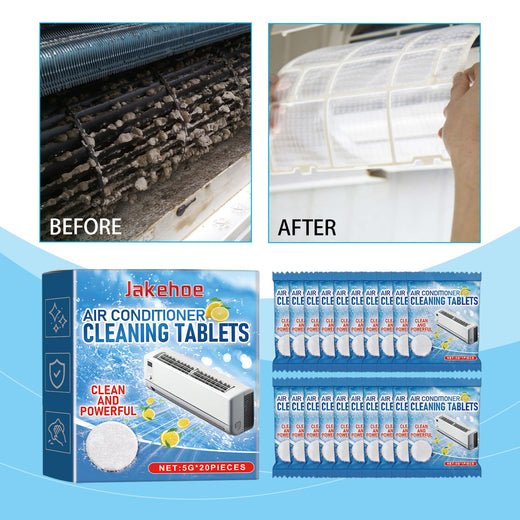
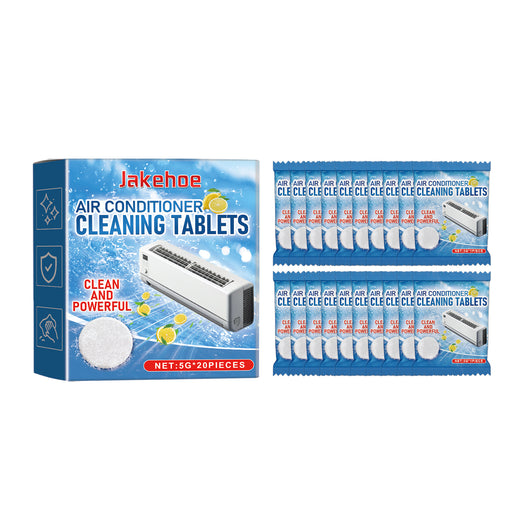
Foaming AC coil cleaners come in spray cans or bottles and expand across accessible fins, helping loosen dust and greasy residue before removal according to the label. They are a practical choice for a window air conditioner cleaner routine or other equipment where the coil can be reached safely. AC cleaning tablets are placed only where specified, commonly in a compatible condensate pan or drain area, and can support regular maintenance between deeper cleanings. Some products focus on odor removal, while others emphasize low residue or fin cleaning. An air purifier is not an air conditioner cleaner, and a leather cleaner is unrelated to HVAC maintenance, so confirm the product’s intended use before adding it to your cart.

What to look for in an air conditioner cleaning spray

For an air conditioner cleaner spray, read the label for the surfaces and equipment it supports. Useful details include whether it is safe for aluminum coils, whether rinsing is required, how much ventilation is recommended, and whether the formula is designed for indoor or outdoor use. A no-rinse or low-residue formula may be convenient, but it still needs to be used exactly as directed. Look for a controlled spray or foaming action that can reach between fins without encouraging excessive runoff. Also check package size, included applicator, storage instructions, and warnings around electricity. “AC safe foaming cleaner” should describe the stated application, not imply that every AC design or component is automatically compatible.

How to use air conditioner foaming coil cleaner safely

Turn off and unplug a window or portable air conditioner before cleaning, and follow the equipment manual as well as the cleaner’s instructions. Remove the filter and visible debris first; a soft brush or vacuum attachment can help when used gently along the direction of the fins. Apply the foam only to accessible surfaces listed on the label, keeping liquid away from controls, motors, and electrical connections. Allow the stated dwell time, then rinse or wipe if required. Let components dry fully before reassembly and operation. For tablets, use only the recommended location and quantity. Central HVAC coils, sealed cabinets, refrigerant circuits, and difficult-to-reach areas may require a qualified technician rather than a household spray.

What are common mistakes when cleaning AC coils

A frequent mistake is spraying cleaner into a powered unit or flooding the cabinet with liquid. Avoid bending aluminum fins, scraping coils with sharp tools, or forcing a hose through delicate components. Do not assume that dish soap, household degreaser, bleach, or an unlabelled cleaner is suitable for an AC coil; these products may leave residue or affect surfaces and nearby materials. Skipping the filter, drain pan, or condensate line can also leave the source of dirt or odor untouched. Never mix cleaning products. If airflow remains poor, water continues to leak, or the unit has extensive buildup, corrosion, or unusual odors after basic maintenance, stop and arrange an inspection instead of repeatedly applying spray.

Who should use an air conditioner cleaner

An air conditioner cleaner is most useful for homeowners, renters, and facilities staff handling accessible, routine maintenance on compatible equipment. A foaming cleaner suits someone who wants to clean visible fins and nearby surfaces, while tablets suit users who prefer a scheduled maintenance option for a compatible condensate area. DIY cleaning is reasonable when the manual permits it and the unit can be safely powered down, opened, and dried. Choose professional service for rooftop units, central systems with sealed access, refrigerant problems, extensive biological-looking growth, damaged fins, persistent leaks, or electrical concerns. Before buying, confirm the product type matches your AC design. The best AC coil cleaner is the one intended for that surface and can be applied without risking the equipment.

Frequently asked questions

What is the best way to clean an air conditioner?

Power the unit off, remove and clean the filter, and clear loose debris before using a compatible air conditioner cleaner. Apply a foaming coil cleaner only to accessible surfaces named on the label, then rinse or wipe as directed and let the unit dry fully. For sealed or difficult-to-reach HVAC equipment, professional service is safer.

Can I clean my AC myself?

You can usually handle basic maintenance such as cleaning the filter and accessible surfaces if the equipment manual allows it. Unplug or isolate power first, protect electrical parts from liquid, and use only a product labelled for your AC’s materials and design. Stop if you find leaks, damaged fins, electrical issues, or extensive buildup.

Does cleaning AC coils really help?

Cleaning can remove dust and residue that may restrict airflow across accessible coil surfaces. The result depends on the condition of the unit and whether the filter, drain area, and other causes of poor performance are also addressed. Cleaning will not repair refrigerant, electrical, or mechanical faults.

What is the best cleaner for air conditioner coils?

The best AC coil cleaner is one labelled for the specific coil material and equipment type you are cleaning. A foaming air conditioner cleaner spray is convenient for accessible fins, while tablets are intended for compatible condensate or drainage areas rather than direct coil cleaning. Always follow the product instructions for rinsing, ventilation, and electrical protection.

Can I clean my AC coils yourself?

Yes, accessible coils can often be cleaned as part of careful DIY maintenance when the manufacturer permits access. Use a soft brush or vacuum gently, avoid bending fins, and apply only an AC-compatible product. Central HVAC coils inside sealed or hazardous areas should be handled by a qualified technician.

Can I use Dawn dish soap on my AC coils?

It is better not to assume dish soap is suitable for AC coils. Household soap may leave residue, create excess suds, or be difficult to rinse from fins and nearby components. Use an air conditioner foaming coil cleaner whose label specifically covers your equipment, or follow the cleaning method in the manufacturer’s manual.