
$64.90
Free delivery · 7–14 days
Laundry Detergent Beads for Stain Removal & Freshness


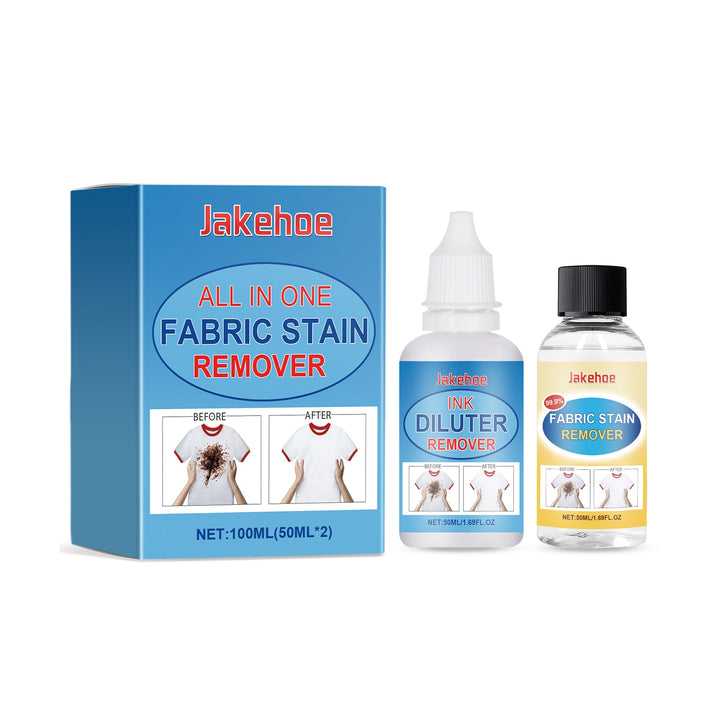


Find a stain remover for everyday laundry, set-in marks, grease, rust, carpet spots and other household messes. Compare formats and stain-specific options to choose a practical solution for clothing, fabric surfaces or on-the-go touch-ups.
Start with the stain, fabric and timing. A general clothes stain remover suits many food, dirt and everyday laundry marks, while a foam designed for oil is a better match for greasy collars, cuffs and cooking splashes. For rust-colored marks on washable clothing, choose a fabric rust stain remover rather than a general spray. Wipes are convenient for fresh spills when you are away from home, but they may not replace a full wash treatment. If you are shopping for stain remover from clothes, check whether the product is intended for white, colored or delicate fabrics. For carpet or other household surfaces, read the label carefully before using a clothing formula. Wood stain remover is a separate category and should not be substituted with fabric products.
Laundry detergent beads are added during washing and focus on cleaning and freshness as part of the laundry routine. Sprays and foams are applied directly to stubborn laundry stains before washing, making them useful for oil, ink and set-in marks. Fabric rust stain remover targets rust-like discoloration on suitable clothing, so follow its directions closely. Stain remover wipes are portable for lifting fresh grease marks before they spread. A fabric stain remover with broader use may help with several common marks, but always check the care label and test an unseen area. A stain remover machine is a separate appliance that sprays, agitates or extracts solution; it can be useful for upholstery or carpet when the machine and formula are compatible.
Look for clear instructions covering fabric type, stain type, contact time and washing temperature. If you need stain remover for white clothes, confirm that the product is suitable for whites and does not warn against colored or delicate materials. For colored garments, color-safe guidance and an inconspicuous-area test are especially useful. Choose a spray or foam when you want controlled application on a specific mark, and consider wipes for travel, work or quick household cleanups. For ink, oil or dried stains, select a product that specifically lists those problems rather than relying only on a broad phrase such as best stain remover. Also check whether the product is intended for washable fabric, carpet, upholstery or another surface before purchasing.
First, remove excess residue by gently scraping or blotting; rubbing can push a stain deeper or spread it. Apply the chosen product according to its label, working from the outer edge toward the center when blotting a fabric mark. Give it the stated treatment time, then wash or wipe as directed. Do not place a treated garment in a dryer until the mark is gone, because heat can make some stains harder to remove. For dried stains, repeat treatment may be needed, but avoid aggressive scrubbing that can damage fibers. Test on a hidden area first, especially with dark colors, delicate fabrics, carpet or upholstery. For a stain remover machine, use only a compatible solution and follow the appliance instructions.
Using the wrong product for the surface is a frequent mistake: fabric formulas are not automatically suitable for wood, carpet or upholstery. Another is applying too much product or leaving it on longer than directed. Mixing household cleaners can create unwanted reactions, so use one method at a time and rinse or wash as instructed. Home remedies for clothes, including vinegar and dish soap, may help with some fresh marks but are not universal solutions; dish soap can also leave residue if it is not rinsed thoroughly. Avoid vigorous rubbing on delicate fibers and never assume a product is safe for white clothes, dyed garments or upholstery without checking its directions. Follow garment care labels and test first.
Busy households may prefer laundry detergent beads for routine washing and freshness, with a targeted spray or foam for stubborn marks. People dealing with cooking splashes or oily clothing can choose a clothing stain remover foam made for oil stains. A fabric rust stain remover is suited to washable garments with rust-like discoloration, while a broader fabric formula may fit mixed laundry problems such as ink, oil and set-in stains. Stain remover wipes suit commuters, travelers and parents who want an immediate response to fresh grease marks. Tooth powder and teeth whitening stickers are intended for tooth-surface stain concerns, not clothing or household fabrics; follow their packaging directions. For carpet or upholstery, select a compatible surface product or machine rather than guessing.
The most effective option depends on the stain, surface and how long it has been present. A targeted product, such as an oil foam, fabric rust remover or ink-and-oil formula, is usually a more suitable starting point than a general cleaner. Always follow the label and test an unseen area first.
There is no single homemade mixture that works for every fabric or stain. Mild dish soap and water may help lift some fresh greasy marks, but use caution with delicate materials and rinse thoroughly. Do not mix household cleaners, and check the care label before trying a home remedy.
A small amount of dish soap may help loosen some fresh grease, but results vary by stain and fabric. Vinegar and dish soap are not suitable for every surface, and mixing cleaners can cause unwanted reactions. Use a product labeled for the specific material when possible, and test any solution in an inconspicuous spot.
Target the stain type with a suitable product and treat it before drying whenever possible. Oil-focused foam, ink-and-oil fabric remover and fabric rust remover are designed for different stubborn problems. Dried stains may require repeated treatment, but some marks can permanently alter or damage fibers.
Sometimes, yes, although dried stains can be more difficult and may need more than one treatment. Follow the product directions, avoid dryer heat until the mark is gone and do not scrub aggressively. Results depend on the stain, fabric, age of the mark and whether it has been heat-set.
Some stains cannot be fully removed, especially when they have permanently changed the dye or damaged the fabric. Bleach marks, dye transfer and heat-set stains may leave lasting discoloration even after cleaning. Treat marks promptly and choose a formula made for the specific stain and surface.