
$47.90
Free delivery · 7–14 days
Portable Asthma Nebulizer Machine — Compact, Medical-Grade


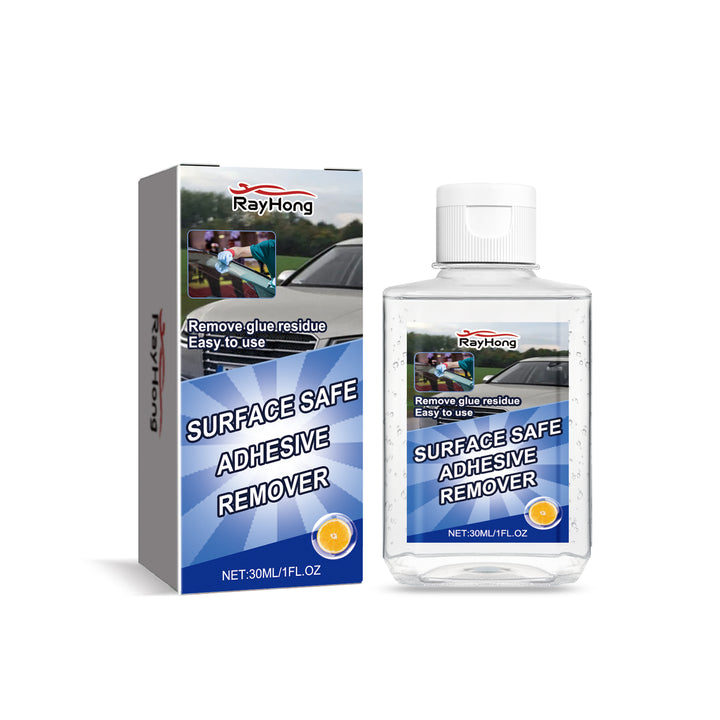

Adhesive removers help lift sticker residue, tape glue, label buildup, and other sticky deposits from suitable surfaces. This category includes a remover with a scraper for stubborn residue, a general sticker and glue cleanup formula, and an automotive option for preparing glue-free vehicle surfaces.
Start with the surface, then match the remover to the residue. For paper labels, tape marks, and everyday glue, choose the adhesive remover for sticker and glue residue cleanup. For thick, aged, or layered buildup, the adhesive remover with scraper provides a tool for lifting softened residue. For vehicles, select the automotive adhesive remover, especially when removing trim tape, decals, or badge residue from compatible exterior surfaces. If you need an adhesive remover for skin, check the product label carefully for skin-use directions rather than using an automotive or hard-surface formula. Always test an inconspicuous area first, since finishes such as painted surfaces, plastics, coatings, and polished materials can react differently.
General-purpose adhesive removers are designed for sticker residue, label glue, tape marks, and similar deposits on suitable household or work surfaces. A scraper-equipped option is useful when residue is thick, rubbery, or difficult to lift after the remover has had time to work. Automotive adhesive removers are formulated for common vehicle cleanup tasks, such as decal or badge residue, but the surface still needs to be checked before use. Medical or skin-oriented adhesive removers are a separate use case: products should explicitly state that they are intended for skin or adhesive residue associated with skin-applied products. Do not assume that a strong hard-surface remover is suitable for skin, painted finishes, dashboards, or clear coats.
Look for clear instructions covering compatible surfaces, contact time, removal method, and cleanup. A scraper can make a practical difference when softened residue needs gentle mechanical lifting, but it should be used carefully to avoid scratches. For automotive jobs, prioritize a product described for vehicle surfaces and confirm whether it is suitable for the specific finish before applying it broadly. If you are comparing the best adhesive removers, consider the residue type, the area size, the need for a scraper, and whether the product is intended for skin, household surfaces, or cars. A controlled application and a clean cloth are often more useful than choosing the strongest available formula.
Remove loose paper or tape first, then apply a small amount of remover to the residue or to a cloth, following the product directions. Allow the formula to work for the stated time without letting it spread onto nearby surfaces. Lift softened adhesive with a cloth or the supplied scraper, keeping the scraper at a low angle and using light pressure. Wipe away remaining residue and clean the area as directed. Work with ventilation when required by the label, keep the product away from eyes and damaged skin, and wash hands after use. For an adhesive remover for skin, follow the skin-specific directions and stop if irritation occurs; never substitute an automotive product for a skin-use product.
Do not begin by scraping aggressively, since dry adhesive and sharp tools can mark plastic, paint, glass coatings, or finished surfaces. Avoid mixing removers or adding household chemicals that are not listed in the directions. Using too much product can spread softened glue and make cleanup harder, while leaving a formula on the surface longer than directed may affect the finish. Do not skip a hidden-area test, particularly on automotive paint, vinyl, dashboards, laminates, or delicate coatings. A household solution such as dish soap may help with light surface grime, but it may not dissolve cured adhesive. Likewise, an oil-based household product may leave a film and is not automatically appropriate for every material.
Choose the scraper-equipped remover when you are handling stubborn sticker residue, layered labels, or hardened glue and want a matching lifting tool. Choose the sticker and glue residue remover for routine cleanup on compatible household, office, workshop, or retail surfaces. Choose the automotive adhesive remover for vehicle-related residue such as decals, badges, or trim adhesive, after confirming compatibility with the finish. Shoppers looking for a medical or skin-safe glue remover should select only a product whose label specifically covers skin use and follow those instructions closely. If the job involves a valuable, freshly painted, coated, or unknown surface, test first or consult the surface manufacturer before applying any remover.
The best choice depends on the adhesive and the surface. Use a general sticker and glue residue remover for routine cleanup, a scraper-equipped product for stubborn buildup, and an automotive formula for suitable vehicle surfaces.
Adhesive removers are designed to soften or loosen many common sticker, tape, and glue residues. Results vary by adhesive age, thickness, and surface, so follow the label and test a hidden area before treating the full spot.
Some oil-based household products may loosen certain sticky residues, but they can leave an oily film and may not suit painted, coated, plastic, or skin surfaces. A purpose-made adhesive remover with surface-specific directions is the more controlled option.
Use an adhesive remover matched to the surface, then lift the softened residue with a cloth or suitable scraper. Apply lightly, follow the recommended contact time, and test an inconspicuous area first.
Dish soap may remove surface dirt or light oily residue, but it usually is not enough for cured sticker or tape adhesive. For persistent glue, use a suitable adhesive remover and finish by cleaning the surface as directed.
A strong remover is not automatically the safest choice because formulas vary by surface and intended use. For stubborn residue, choose the scraper-equipped option or a product specifically intended for automotive surfaces, and follow its compatibility and application instructions.