Repair Adhesives & Ceramic Glue for Strong Lasting Fixes
10 products
Repair adhesives help fix leaks, cracks, gaps, tiles, walls, nail tips and 3D-printing surfaces with less mess than replacing the damaged item. Choose by the material, the type of repair and the conditions the finished fix must withstand, such as water, movement, heat or repeated handling.
How to choose the best repair adhesive
Start by identifying both surfaces and the job they need to do after repair. Waterproof Adhesive for Neat Bathroom Leak Repair and Waterproof Sealant for Invisible Household Leak Repair suit small household leaks where a flexible, water-resistant seal is more useful than a rigid bond. For damaged tile, a Tile Crack Repair Kit for Waterproof Surface Restoration is designed around surface touch-ups and moisture-prone areas. Use Wall Repair Paste with Easy Roller for shallow wall marks and quick cosmetic repairs rather than joining two load-bearing parts. For wider cracks, gaps or leaks, Waterproof Repair Putty can be shaped into the damaged area. Also consider appearance, working time, flexibility and whether the repair will be exposed to cleaning, vibration or heat.
Which types of repair adhesive are best for different jobs
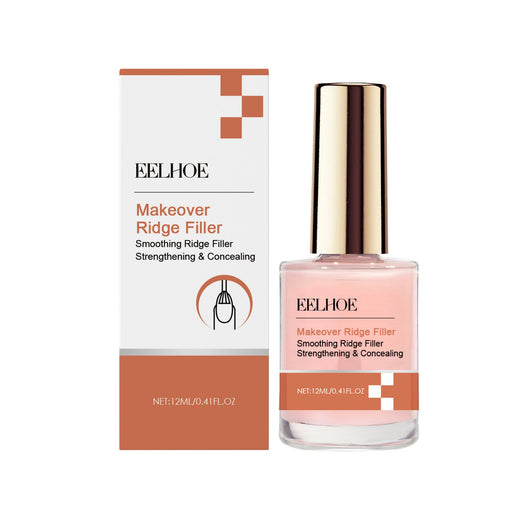
Sealants are useful where water resistance and flexibility matter, including bathroom edges, household leaks and joints that may move slightly. Repair putty is better for filling cracks, gaps and irregular spaces because it can be pressed into the damaged area before it sets. Wall repair paste is intended for smoothing and blending surface imperfections. Tile repair products focus on restoring the look and water resistance of cracked tile surfaces. Nail Tip Glue Gel is made for attaching nail tips with a controlled gel texture, while Nail Repair Oil is for nail-care routines rather than bonding materials. A 3D Printing Glue Stick is intended for improving hot-bed adhesion during printing, not for general household repairs.
What to look for in a strong lasting repair adhesive
Look for a formula that matches the stress placed on the repair. A rigid adhesive can work well when two clean, close-fitting parts must stay aligned, while a flexible waterproof sealant is preferable for joints exposed to moisture or small movements. For automotive repairs, check the product label for compatibility with the specific materials, temperature range and vibration conditions; there is no single strongest automotive adhesive for every repair. For glass, clarity and a neat finish may matter as much as bond strength, and the adhesive must be suitable for glass and the adjoining material. Check cure time, surface preparation instructions, gap-filling ability and whether the product is intended for indoor or outdoor use.
Is epoxy stronger than super glue for repairs
Epoxy and super glue serve different repair conditions, so strength depends on the surfaces and the forces involved. Epoxy is generally chosen when a gap needs filling, when a more substantial cured layer is useful or when two different materials must be joined; it commonly has a longer working time. Super glue is convenient for small, close-fitting parts that can be held still while it sets, but it is less suitable for flexible joints, large gaps or surfaces exposed to repeated impact. Waterproof Repair Putty may be more practical than either for cracks, gaps and leaks. Before choosing epoxy, remember that it may not adhere reliably to greasy, dusty, very smooth or low-surface-energy materials such as some plastics unless the label specifically allows them.
How to use repair adhesives for a cleaner fix
Clean away dust, grease, loose paint and moisture unless the instructions specifically permit application to a damp surface. Dry-fit the parts first, protect nearby areas with masking tape and use only the amount needed to cover the joint or fill the defect. For sealants, apply a continuous bead and smooth it before the surface skins over. Press repair putty firmly into cracks or gaps, then shape the surface with a suitable tool or gloved finger. For wall paste and tile repair, remove loose material and blend the edges after application. Hold joined parts steady for the stated set time and allow full curing before exposing the repair to water, load or movement. Follow the package instructions for ventilation and cleanup.
Common repair adhesive mistakes to avoid
Applying adhesive over dirt, soap residue, oil or loose material is one of the quickest ways to weaken a repair. Another common mistake is using a rigid glue where the joint flexes, or using a sealant where a structural bond is required. Do not overfill a narrow joint with a product that expands or spreads, and do not smooth a repair after it has begun to skin unless the instructions allow it. Avoid treating Nail Repair Oil as a glue, or using Nail Tip Glue Gel for household materials. Do not use 3D Printing Glue Stick as a general-purpose adhesive. Finally, do not test a repair before it has fully cured; set time and cure time can be different.
Who should use these repair adhesives
This category suits renters, homeowners, hobbyists and makers handling small repairs without replacing an entire surface or item. Choose the bathroom adhesive or household sealant for neat leak-control work around suitable joints and edges. Pick tile repair or wall repair products when the main goal is restoring a visible surface. Waterproof Repair Putty suits users who need to fill uneven cracks, gaps or leaks and shape the material by hand. Nail Tip Glue Gel is for cosmetic nail-tip application, while Nail Repair Oil is for maintaining the appearance and feel of natural nails rather than making bonds. 3D printing users can choose the glue stick when they need help keeping a print attached to a compatible hot bed. For structural, electrical, pressurised or safety-critical repairs, consult the relevant product instructions or a qualified professional.
Frequently asked questions
What is the best adhesive for repairs?
The best option depends on the materials, gap size and conditions around the repair. Use a waterproof sealant for flexible, moisture-prone joints, repair putty for cracks and gaps, wall or tile products for surface restoration, and a material-specific glue for close-fitting parts. Always check the label for surface compatibility and curing requirements.
What is the strongest automotive adhesive available?
There is no single strongest automotive adhesive for every application. Automotive repairs can involve metal, plastic, rubber, heat, vibration and safety loads, so choose a product specifically labelled for the materials and conditions involved. Do not rely on a general household repair adhesive for a safety-critical vehicle component.
What type of adhesive is best for fixing broken glass?
Choose an adhesive specifically labelled as suitable for glass and for the adjoining material. A clear, neat finish may be important, but the bond also needs to match whether the repair is rigid, flexible, indoor or exposed to moisture. Broken glass that is load-bearing, sharp or part of a safety component should be replaced or assessed by a professional.
Is epoxy stronger than super glue?
Neither is universally stronger for every repair. Epoxy is often better for gap filling and larger, more substantial bonds, while super glue suits small, close-fitting parts that remain relatively still. Surface preparation, material compatibility and exposure to impact or movement can matter more than the adhesive type alone.
What surfaces will epoxy not stick to?
Epoxy may bond poorly to dirty, oily, wet or very smooth surfaces, and some low-surface-energy plastics may require a specially formulated product. Always clean and prepare the surface as directed, then check the package for approved materials. Test an inconspicuous area when compatibility is uncertain.
Which is stronger, Gorilla Glue or epoxy?
Strength depends on the specific product, materials, joint design and curing conditions, so a general comparison is not reliable. Epoxy is often selected for gap filling and rigid bonds, while polyurethane-style adhesives may suit some porous or slightly flexible applications. Compare the product instructions for surface compatibility, water exposure, expansion, working time and final use rather than choosing by adhesive type alone.