$64.90
Free delivery · 7–14 days
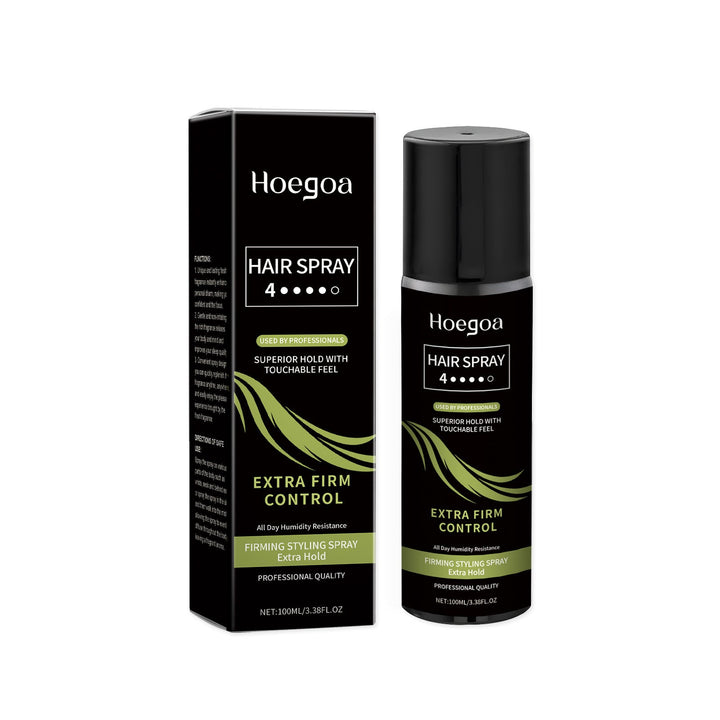
Hair Styling Spray for Touchable, Long-Lasting Hold

Repair sealants help close leaks, joints, cracks, and gaps on surfaces such as tile, walls, roofs, and other household areas. Choose a formula based on the surface, the size of the repair, the amount of water exposure, and whether you want a clear or tile-matching finish.
Start by identifying the surface and the type of repair. Tile Joint Sealant is suited to kitchen tile joints and helps create a cleaner, water-resistant finish around areas exposed to splashes. Waterproof Sealant for Roof, Wall & Tile Leak Repair is a practical choice when you need to address visible water entry or gaps across several building surfaces. Waterproof Repair Sealant for Clear Leak Protection is useful when you want the repair to remain less noticeable. Check whether the area is interior or exterior, dry or regularly wet, and rigid or subject to movement. For large gaps, confirm that the product can bridge the opening rather than relying on a thin bead alone.
The products in this category cover three common repair needs. Tile Joint Sealant focuses on kitchen tile joints where a neat, waterproof barrier is needed between adjoining surfaces. Waterproof Sealant for Roof, Wall & Tile Leak Repair is intended for broader leak-repair tasks involving roofs, walls, and tile. Waterproof Repair Sealant for Clear Leak Protection is designed for repairs where a transparent-looking finish is preferred. These products may overlap in general use, but they are not interchangeable for every surface or gap. Match the sealant to the material, exposure, and appearance you need. If the repair will be painted, tiled over, or placed under constant movement, review the product instructions before buying.
Look for clear surface guidance, water-resistance information, and instructions that match your repair. A roof or wall leak may need a different product choice from a narrow tile joint, even when both areas become wet. Consider the finish as well: a clear repair sealant can help reduce visual contrast, while a tile-focused sealant may be better suited to visible kitchen joints. For gaps, check the recommended gap size and whether backing material or multiple applications are required. Also review curing and application instructions, including whether the surface must be clean, dry, and free from loose material. Good preparation is especially important when sealing around old, peeling, or contaminated sealant.
Remove loose debris, dust, grease, and failing sealant from the repair area, then follow the product instructions for drying. Cut the applicator nozzle to suit the joint or gap, keeping the opening smaller for narrow tile lines and larger only when the product allows it. Apply a continuous bead rather than a series of short dabs, then tool or smooth it as directed before the surface skins over. Do not disturb the repair while it cures, and protect it from water if the instructions require this. When sealing a roof, wall, or tile leak, trace the likely entry point rather than covering only the most visible damp mark. Test adhesion on an inconspicuous area when the surface is unfamiliar.
A small patch over existing silicone may not bond reliably if the old bead is dirty, loose, moldy, or already separating. Remove failing material where possible, clean the joint, and apply fresh sealant to a sound, dry surface. Common mistakes include sealing over moisture, using a product that is unsuitable for the surface, applying too little material to a wide gap, and exposing the bead to water before it has cured. Avoid using silicone caulk where the instructions exclude the substrate, such as surfaces that are dusty, oily, constantly submerged, or incompatible with the formula. Also avoid blocking drainage paths or sealing moving joints without checking whether the product is designed to accommodate movement.
Repair sealant suits homeowners, renters with permission to carry out repairs, maintenance teams, and DIY users handling localized leaks or gaps. It can be useful for refreshing tile joints, closing small openings around walls and roofs, or adding clear protection where a visible repair would be distracting. It is best for defined areas that can be cleaned, prepared, and left undisturbed while the sealant cures. Choose carefully if the gap is unusually large, the substrate is unstable, or water is entering from an unknown structural source. Sealant is not a substitute for replacing damaged materials or correcting the cause of persistent water ingress. For major roof, plumbing, or structural problems, arrange an appropriate inspection before relying on a surface repair.
The best choice depends on the surface and location of the leak. Waterproof Sealant for Roof, Wall & Tile Leak Repair is suited to general leak-repair work across those surfaces, while Waterproof Repair Sealant for Clear Leak Protection is useful when a less visible finish is preferred. Prepare the area carefully and follow the product instructions.
You can sometimes apply fresh sealant to a sound, clean section, but a patch may fail over loose, dirty, or peeling silicone. Remove failing material where possible, clean and dry the surface, and apply the new sealant according to its instructions. If the underlying joint is moving or damaged, replacing the old bead may be more reliable than patching it.
A sealant repair uses a flexible or water-resistant compound to close a joint, crack, gap, or leak path. The sealant forms a barrier between surfaces and can help prevent water or air from passing through the repaired area. It works best when the surface is suitable, stable, clean, and properly prepared.
Use a repair sealant selected for the gap's surface, width, movement, and exposure to water. Tile Joint Sealant is suited to tile joints, while a waterproof repair sealant may be better for roof, wall, or tile leak areas. Check the product's recommended gap size and application method before filling a wide opening.
Do not use silicone caulk on surfaces or in conditions excluded by the product instructions. Avoid applying it over wet, greasy, dusty, loose, or unstable material, and do not use it to block drainage or correct a structural problem. Check compatibility before applying it to unfamiliar substrates, painted surfaces, or areas that remain permanently submerged.
For a large gap, choose a product that specifically allows that gap size and follow its preparation requirements. A wider opening may need backing material, staged application, or repair of the underlying surface before sealant is applied. Do not assume that adding a thicker bead will solve the problem; check the product guidance and address any movement or damage first.