
$44.90
Free delivery · 7–14 days
Metal Repair Glue for Cracks, Leaks and High-Heat Repairs

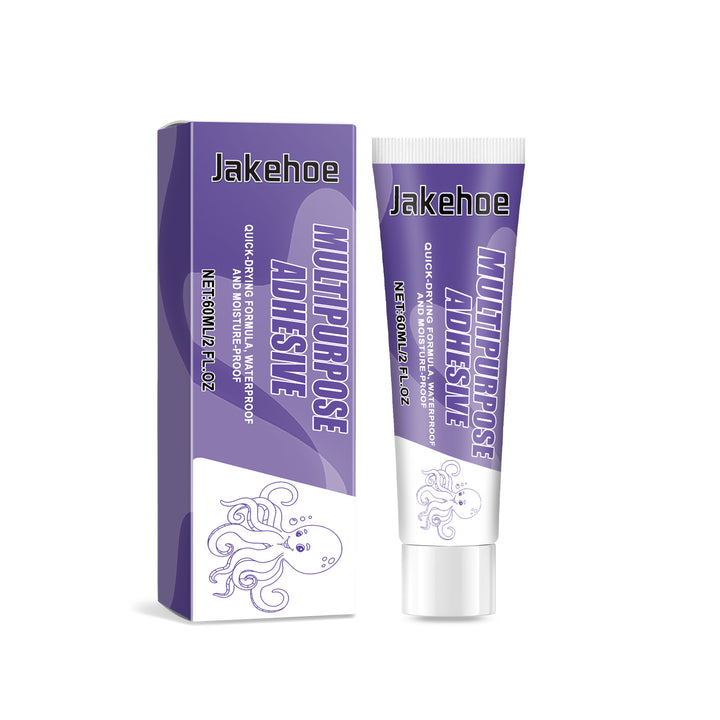


Repair glue and bathtub sealant help address cracks, holes, loose tile edges, surface gaps, and small household leaks. Choose a formula according to the material, repair depth, moisture exposure, and finish you need, then follow the product instructions for preparation and curing.
Start by identifying the surface: ceramic tile, grout, metal, leather, plastic, or a mixed household material. For tile cracks and small ceramic chips, use a tile repair glue paste or a waterproof repair glue designed for cracks and holes. For joints, tile gaps, and areas exposed to splashes, a tile gap filler or glue sealant is usually more suitable than a rigid adhesive because it can fill a visible seam. Deep cracks may need an AB repair glue, while a general multi-purpose formula suits small home fixes. Check whether the product is intended for wet areas, whether it can be smoothed or painted, and whether its finish will be visible after curing.
These products serve different repair jobs. Tile repair glue paste is aimed at cracks and chips on ceramic surfaces. Tile gap filler is intended for seams and crevices where a waterproof, mildew-resistant finish is useful. Waterproof repair glue and multi-purpose repair glue cover assorted cracks, holes, and household fixes. Glue sealant is better suited to small leak-prone joints where sealing matters as much as bonding. AB repair glue is designed for deeper cracks and tile crevices, typically using two components that are mixed before application. Automotive leather repair glue targets scratches and cracks in leather surfaces, while TPE doll repair glue is formulated for TPE material. Do not assume one formula suits every substrate.
For bathroom caulking, look for wording that matches the job: waterproof, suitable for tile or ceramic, intended for gaps or cracks, and appropriate for the level of moisture involved. A waterproof product can help protect a repaired area from splashes, but it does not automatically replace proper plumbing work or a full bathtub joint seal. Consider the package size, nozzle shape, application control, curing instructions, and whether the finished surface can be cleaned without damaging the repair. For outdoor use, check the label for exterior suitability and resistance to the conditions where it will be applied. If you are comparing the strongest waterproof glue, compare material compatibility and the repair design rather than relying on strength wording alone.
Clean the repair area first and remove loose dust, old filler, grease, soap residue, and flaking material. Let the surface dry unless the product specifically allows application to damp areas. Apply a controlled amount into the crack, hole, or tile gap; avoid filling beyond the surrounding surface when a neat finish matters. Smooth the material with a suitable tool or the applicator while it is workable. For AB repair glue, mix the components only as directed and use the mixture within its working time. Keep the area free from water, movement, and cleaning until the stated curing period has passed. Ventilate the room and use gloves or other protection recommended on the label.
A common mistake is applying glue over dirt, loose grout, soap film, or a wet surface without checking the instructions. Another is using a rigid repair adhesive where a flexible bathtub or tile joint needs a sealant-style filler. Avoid forcing a thin product into a deep void without confirming that it is suitable for that depth, and do not mix AB components in the wrong proportion. Test the finish in an inconspicuous area if color or texture matters. Do not use leather repair glue on ceramic tile, TPE repair glue on unrelated plastics, or a general product where the label excludes the substrate. Finally, repair the source of movement or leaking when necessary; glue alone may not solve a damaged joint or underlying plumbing issue.
Repair glue is useful for renters, homeowners, DIY users, and maintenance teams handling small surface repairs rather than major structural damage. Tile repair paste suits chips and hairline surface cracks, while gap filler and glue sealant suit seams around tile or other bathroom surfaces. Multi-purpose repair glue is convenient when several materials need occasional attention. Choose automotive leather repair glue for interior leather scratches and cracks, and TPE doll repair glue only for compatible TPE items. People searching for repair glue for metal should check the product label carefully because not every waterproof household formula bonds metal well. Terms such as “repair glue grounded,” “repair glue grounded 2,” or “how to make repair glue grounded 2” refer to game-related searches, not instructions for making this household repair product.
The best option depends on the material and repair type. Use tile repair glue for ceramic cracks, gap filler or glue sealant for bathroom joints, AB repair glue for suitable deeper cracks, and a material-specific formula for leather or TPE. Always check substrate compatibility and moisture guidance on the product label.
Repair glue bonds or fills damaged areas such as cracks, holes, chips, scratches, and tile crevices. Some formulas also form a sealing layer to help protect a repaired joint from water exposure. The result depends on surface preparation, product compatibility, application, and curing.
Household repair glue should not be improvised from unrelated ingredients. Use a ready-made formula and follow its instructions; an AB repair glue may require mixing two supplied components in the stated proportions. “How to make repair glue” searches connected with Grounded or Grounded 2 are game questions and are separate from real bathroom repair products.
Waterproof repair glue is a product labeled for bonding or filling in areas exposed to water after it has cured as directed. It can suit selected cracks, holes, tile surfaces, and small household leaks, but waterproof wording does not mean it is suitable for every substrate or a replacement for repairing serious plumbing problems.
There is no single strongest option for every repair because performance depends on the materials, gap size, movement, preparation, and moisture conditions. For this category, choose a formula specifically labeled for the surface and job, such as AB repair glue for compatible deeper cracks or a tile sealant for bathroom gaps.
Choose a product whose label specifically allows exterior use and matches the materials being joined. Outdoor repairs must also account for weather, temperature changes, movement, and surface preparation. If exterior suitability is not stated, do not assume a bathroom waterproof repair glue is appropriate outdoors.