$64.90
Free delivery · 7–14 days
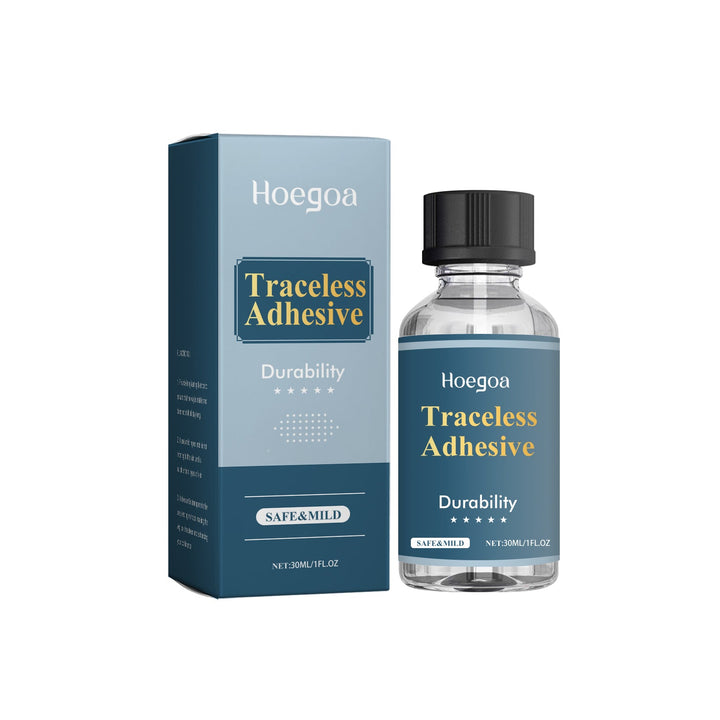
Wig Adhesive Glue for Strong, Long-Lasting Daily Hold


Repair torn clothing, loose seams, fabric shoes and other textile items with a fabric-to-fabric adhesive designed for practical, no-sew fixes. This category includes washable, crystal-clear glue, fast transparent garment glue and fabric adhesive suitable for clothing and shoes, so you can choose the finish and setting speed that match your repair.
Start by identifying the material, the size of the damage and how the item will be used. For visible repairs on clothing, a crystal-clear or transparent fabric repair glue helps keep the finished area discreet. For clothing and shoes, choose an adhesive intended for fabric and check the product instructions for suitable surfaces and washing guidance. Fabric-to-fabric glue is useful when sewing is inconvenient or when a patch needs extra support. If the damage is a clean tear, glue may be enough; a larger hole may need a fabric repair patch or a fabric repair kit with reinforcement material. For delicate, stretchy or coated fabrics, test a small hidden area first.
Fabric repair glue bonds fabric surfaces together and works well for hems, tears, loose edges and no-sew garment fixes. Fabric repair tape is usually quicker to position and can suit temporary repairs, outdoor items or straight tears, but it may be more visible or less flexible depending on the tape. Fabric repair patches cover holes and worn areas; self adhesive fabric repair patches are convenient when you need a fast surface covering, while sew-on or glue-on patches allow more control over placement. A fabric repair kit can combine adhesive, patches or tools for several repair types. Choose glue when you want a clear bond between fabric layers, and patches when the damaged area needs coverage.
A useful fabric repair kit should match the materials and repair conditions you expect. Look for an adhesive clearly described for fabric-to-fabric bonding, transparent or crystal-clear drying if appearance matters, and instructions covering application, drying and cleaning. For clothing, washable-use guidance is important, but always follow the specific product directions before laundering. If you are repairing shoes, bags or heavier textiles, check whether the glue is listed for those surfaces rather than assuming every fabric adhesive is interchangeable. Kits with patches can help cover holes, cigarette burns or worn spots, while glue alone is better for joining a tear or securing a loose edge. Compare the kit contents before buying, especially if searching for a fabric repair kit nearby.
Clean and dry the fabric first, removing lint, dust and loose threads. Place the item flat and bring the torn edges together without overlapping them unnecessarily. Apply a thin, even layer of fabric repair glue to the areas that will meet, then press the fabric together according to the product instructions. Use a clean weight or clips if appropriate, taking care not to squeeze excess adhesive onto the visible surface. Leave the repair undisturbed for the stated drying time before stretching, wearing or washing the item. For a hole, position a matching fabric piece behind or over the opening and secure its edges with glue. Test the finished repair on a hidden section before treating a valuable garment.
Applying too much glue is one of the easiest ways to create a stiff, shiny or visible patch. Avoid spreading adhesive beyond the repair area, and use a small amount until you know how the fabric responds. Do not glue damp, dirty or heavily creased material, because the surfaces may not bond evenly. Rushing the drying stage can pull the tear open again, so allow the repair to set as directed. Check the care label and adhesive instructions before washing or exposing the item to heat. On mesh fabric or netting, avoid blocking more openings than necessary and align the strands carefully. For large holes, cigarette burns or badly frayed edges, reinforce the area with a suitable patch rather than relying on glue alone.
Fabric repair glue suits shoppers who want fast, no-sew repairs for garments, shoes and household textiles. It is useful for fixing small tears, attaching fabric layers, securing loose hems and making transparent repairs where stitching would be noticeable. It can also complement fabric repair patches or a fabric repair kit when a hole needs reinforcement. Renters, travelers, students and busy households may prefer glue because it requires fewer tools than sewing. It is less suitable when the repair must carry heavy tension, when the fabric is highly elastic or when the damaged area is extensive; in those cases, combine adhesive with a patch or use professional tailoring. If you search for fabric repair near me, compare local services for complex work while using glue for straightforward home repairs.
Clean and dry the area, trim only loose threads, and bring the damaged edges together. Apply a suitable fabric repair glue in a thin layer, press the surfaces together and allow them to dry as directed. Larger damage may need a fabric patch or a complete fabric repair kit.
Place a matching fabric piece behind or over the hole, then secure its edges with fabric glue if the product instructions allow. Keep the patch flat while it dries and test the repair before washing. For a large or heavily frayed hole, a sewn repair or professional service may provide better support.
The best kit depends on the material and damage. Look for fabric-to-fabric adhesive, clear or transparent drying if appearance matters, and patches or reinforcement pieces for holes and worn areas. For clothing, check washable-use guidance; for shoes or heavier textiles, confirm that the kit is suitable for those surfaces.
Yes, small tears in mesh can often be stabilized with a compatible fabric adhesive or a small patch. Align the mesh carefully, use a thin application and avoid covering more open area than necessary. Test first, because some mesh fabrics stretch, fray or react differently to adhesive.
Lay the fabric flat, clean the tear and align the edges. Apply fabric repair glue sparingly to the joining surfaces, press them together and let the repair dry fully before use. A backing patch can add support when the tear is wide or the edges are frayed.
For a small split, align the netting and secure the surrounding strands with a compatible fabric repair glue. A fine backing piece can help reinforce a larger opening, but keep it small enough to preserve the netting's function. Follow the adhesive instructions and test the repair before stretching or washing the item.