$49.90
Free delivery · 7–14 days
Tooth Gem Adhesive — Permanent, Waterproof Bond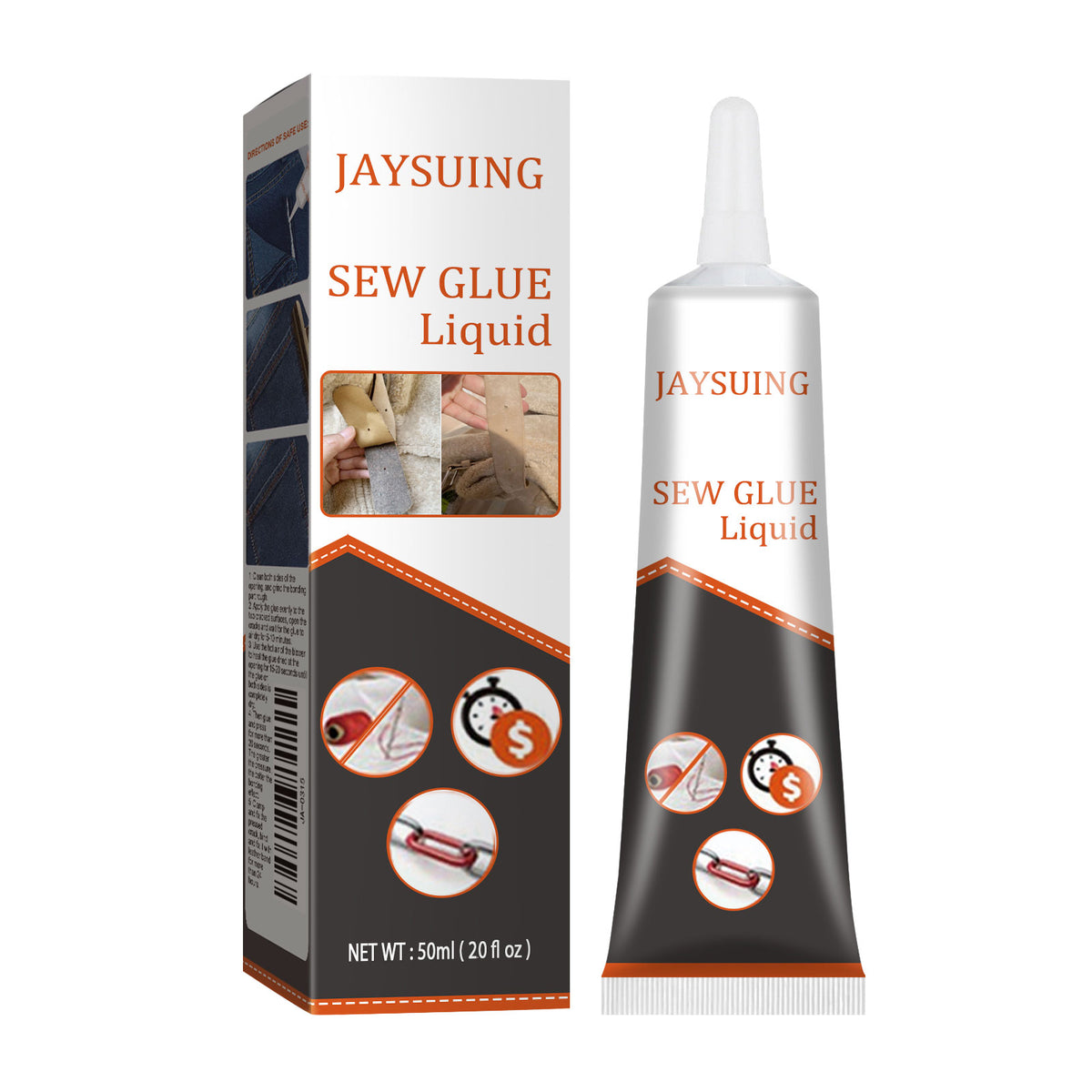
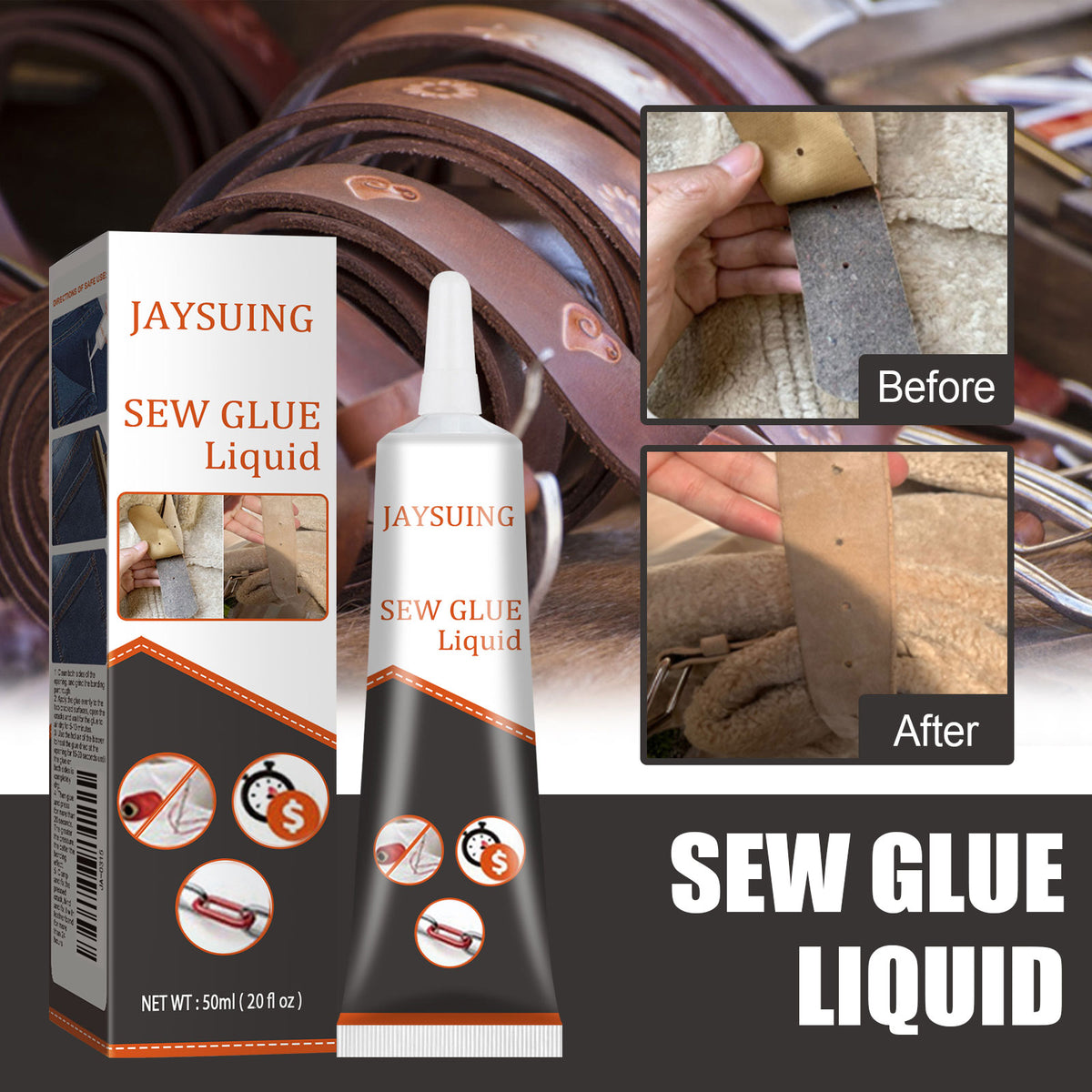
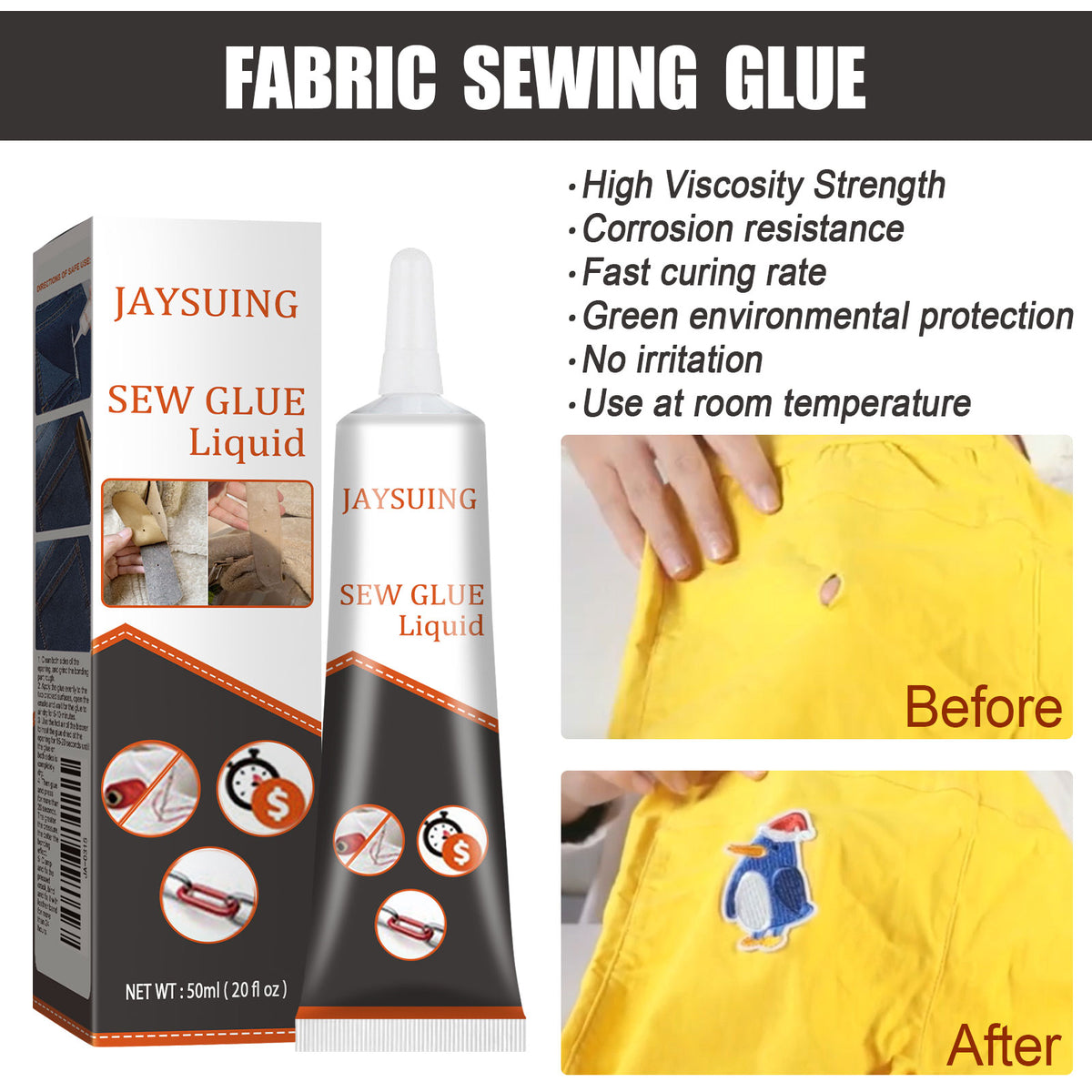
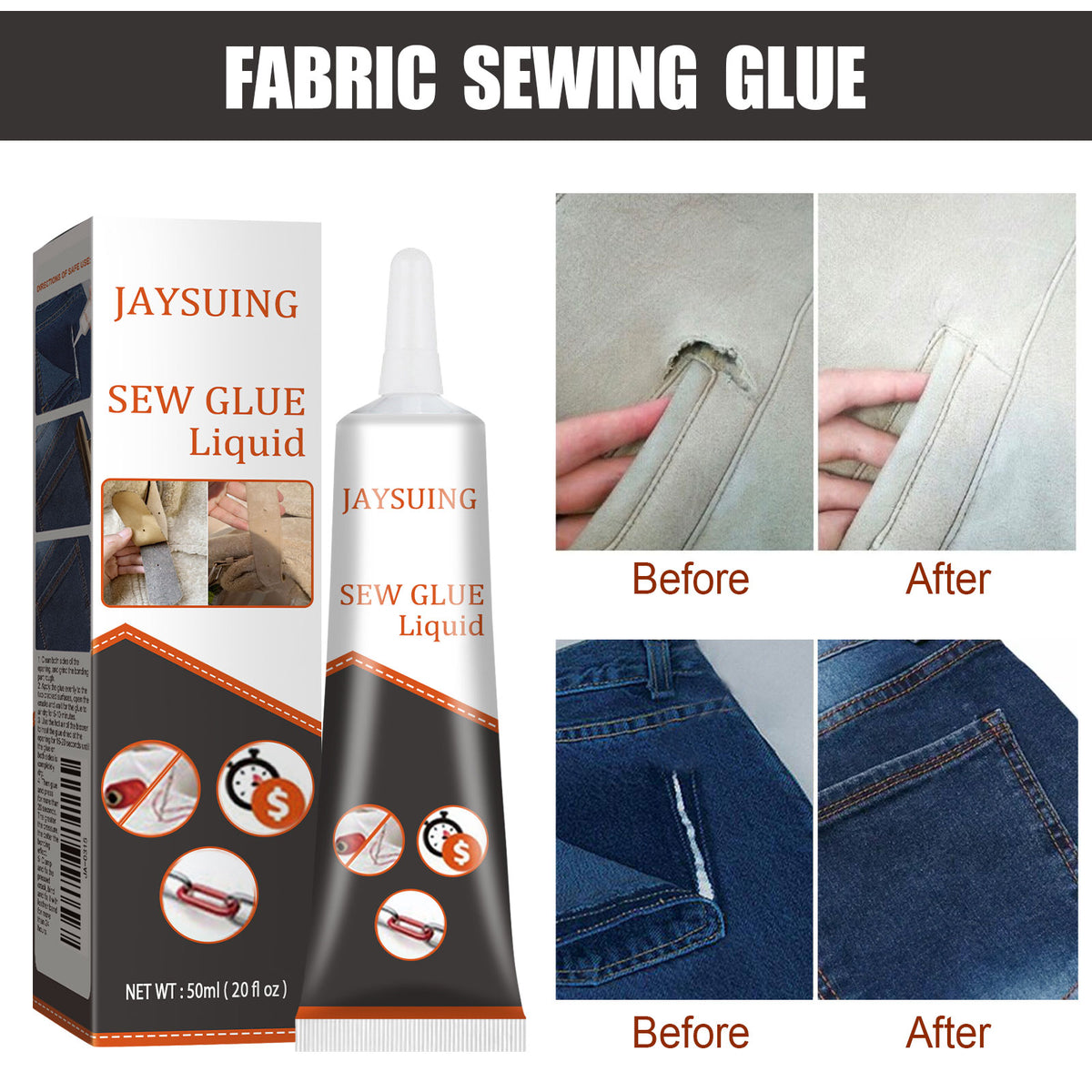
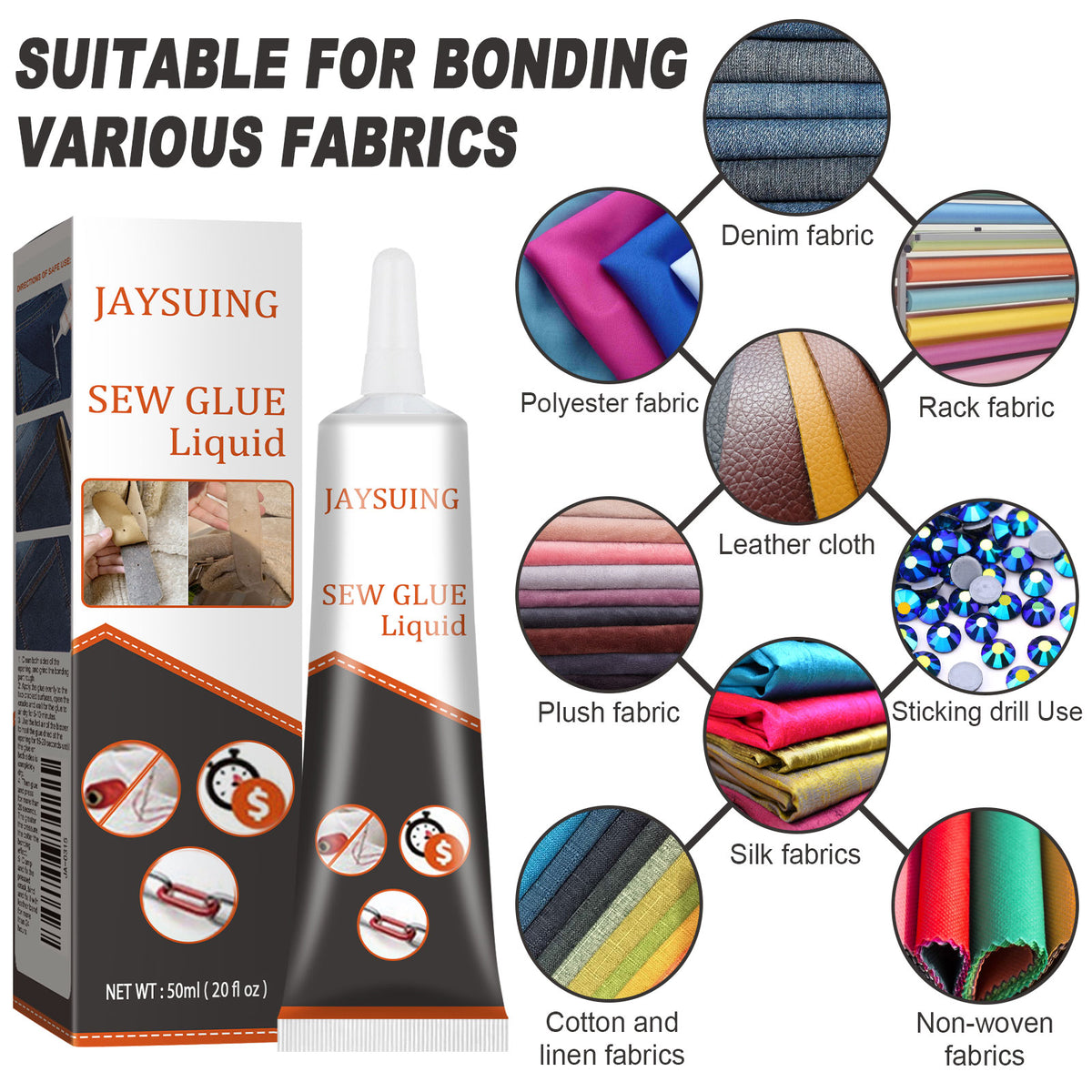
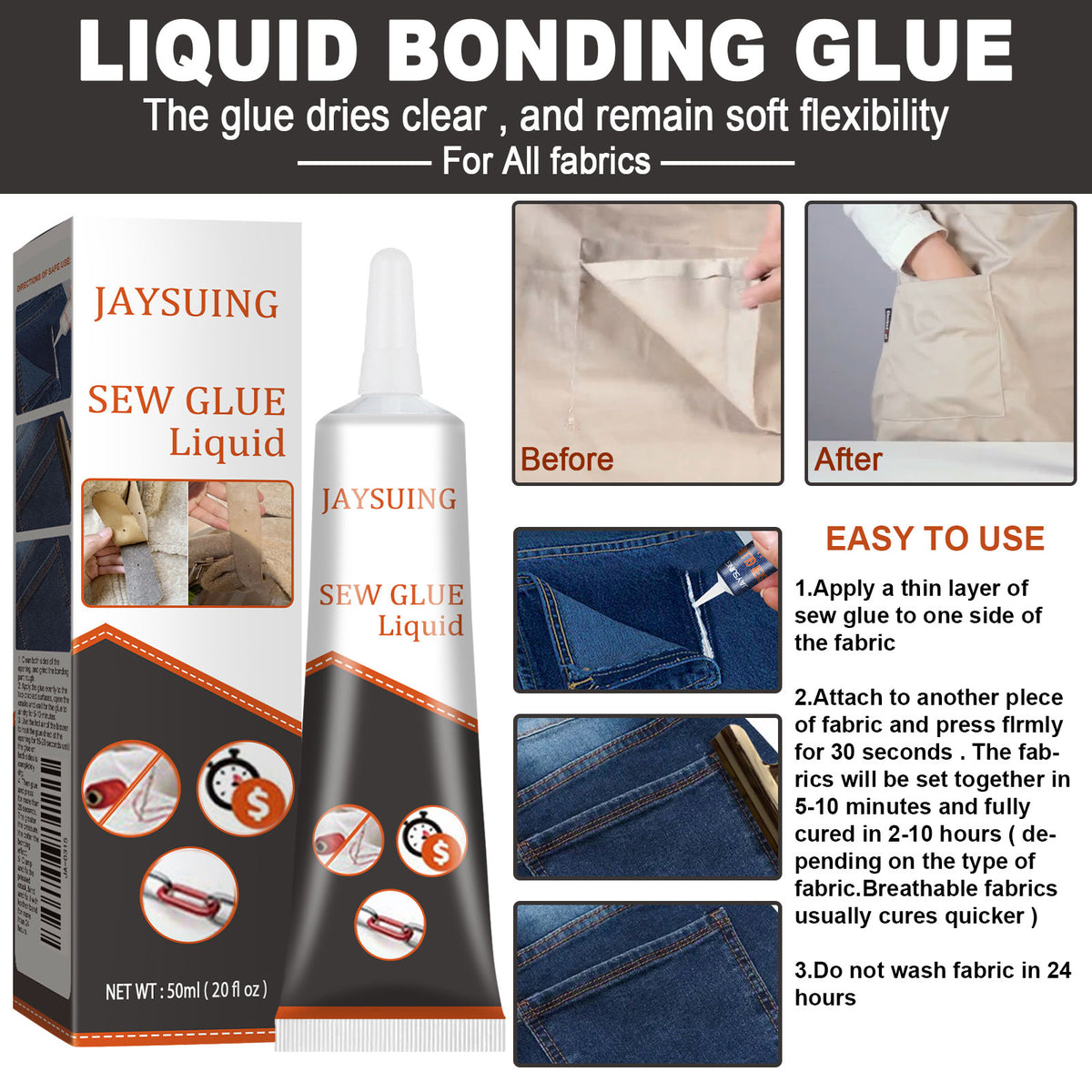
Put torn clothes, jeans, patches, and suitable shoe materials back into everyday use without reaching for a needle and thread.
Read the full descriptionPut torn clothes, jeans, patches, and suitable shoe materials back into everyday use without reaching for a needle and thread.
Quickly repair torn fabric, clothing, jeans, and shoes without sewing
Stop setting aside clothes, jeans, shoes, and craft projects because a seam or edge gave way. Apply precise adhesive at room temperature and get everyday repairs moving again without stitching.
The tube-style precision nozzle helps place adhesive along a tear, edge, or patch instead of flooding the surrounding fabric.

The packaging positions the adhesive as high viscosity, supporting deliberate application for fabric edges, patches, and selected material repairs.

Room-temperature use removes the need for heat or specialized equipment, so household and craft repairs can start with simple tools already at home.
Work on a clean, dry surface and test a discreet section before touching a visible tear, patch, shoe area, or upholstery piece.
Use the precision nozzle to place a modest amount along the repair. For broader projects, see our repair adhesives collection.
Bring the edges or patch together once, smooth the area, and avoid shifting the materials while the adhesive sets.
Leave the item undisturbed and follow the product label before wearing, washing, bending, or putting the repaired area under stress.
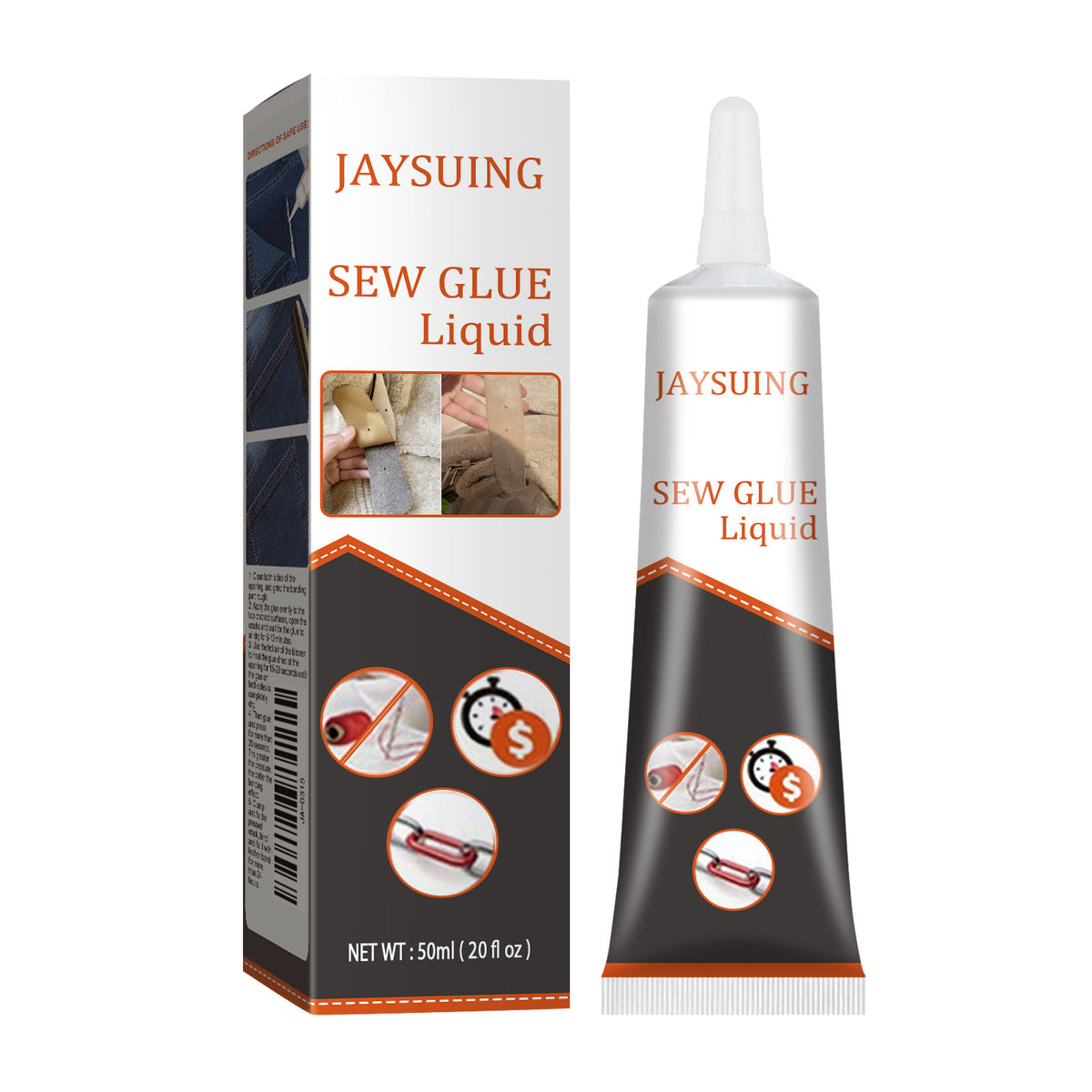
50 ml squeeze bottle
Tube-style nozzle attached to the bottle
Protective product packaging
One small tear can make a perfectly usable shirt, pair of jeans, or shoe wait indefinitely. When sewing feels like too much effort, useful things stay in the pile instead of returning to daily life.
The narrow tube-style nozzle puts adhesive where the repair needs it. High-viscosity strength and room-temperature use make small fabric, patch, and selected shoe repairs feel more controlled.
A torn garment, loose denim edge, decorative patch, or suitable textile shoe section can return to ordinary use. Keep the compact bottle in a craft box or utility drawer, ready before a small defect becomes a reason to discard the item.
| Fabric adhesive | Needle and thread | General-purpose glue | |
|---|---|---|---|
| No special setup | Yes | No | Yes |
| Precision nozzle | Yes | No | Partial |
| Room-temperature use | Yes | Yes | Partial |
| Intended for fabric repairs | Yes | Partial | No |
| Best for load-bearing seams | No | Yes | Partial |
| Compact repair-drawer format | Yes | Partial | Yes |
It is intended for fabric, clothing, jeans, upholstery, patches, and selected shoe materials. Test a discreet area first because dyes, coatings, textures, and synthetic surfaces can respond differently.
The finish depends on the material and how much adhesive you apply. A narrow, modest bead gives you the best chance of keeping the repair neat and limiting stiffness. Test first on a hidden section.
Apply a small amount to an unseen section or spare fabric, align it, and let it settle according to the product label. Check the color, texture, and bond before moving to the visible repair.
Yes, decorative patch application is a suitable use to test. Position the patch dry, apply adhesive beneath it, smooth from the center outward, and leave it flat while it cures.
Start with a narrow, controlled line rather than saturating the fabric. The precision tip is there to keep the adhesive on the tear, edge, or patch area.
No. It is a practical choice for targeted small repairs, patches, loose edges, and suitable textile areas. Load-bearing seams and heavily stressed shoe sections may need stitching or professional repair.

 Fabric Glue for Clothing & Shoes | Fast No-Sew Repairs