
$59.90
Free delivery · 7–14 days
Laundry Stain Remover Spray for Quick Spot Cleaning



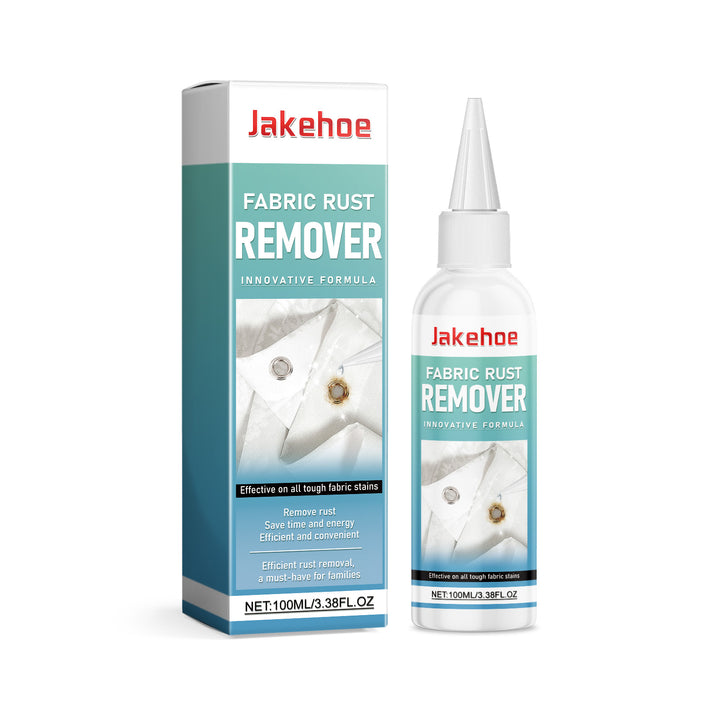
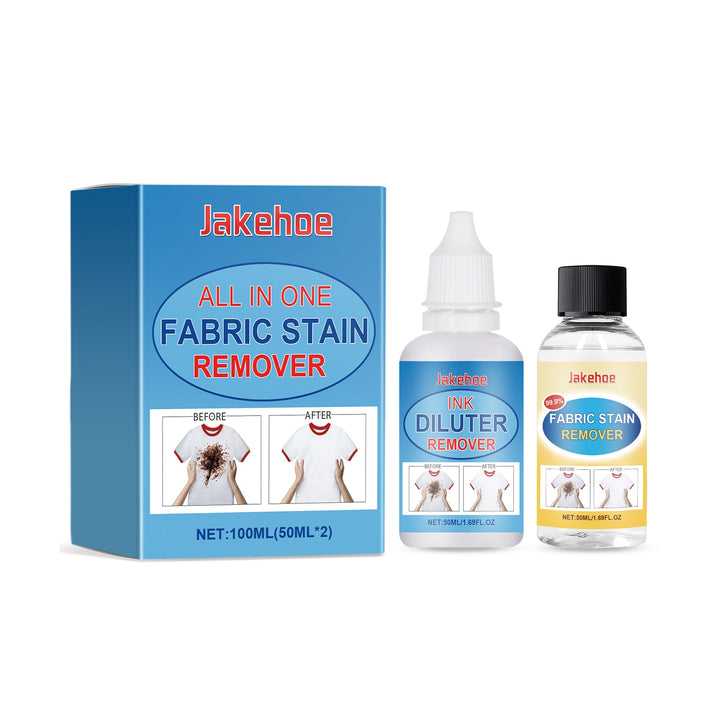

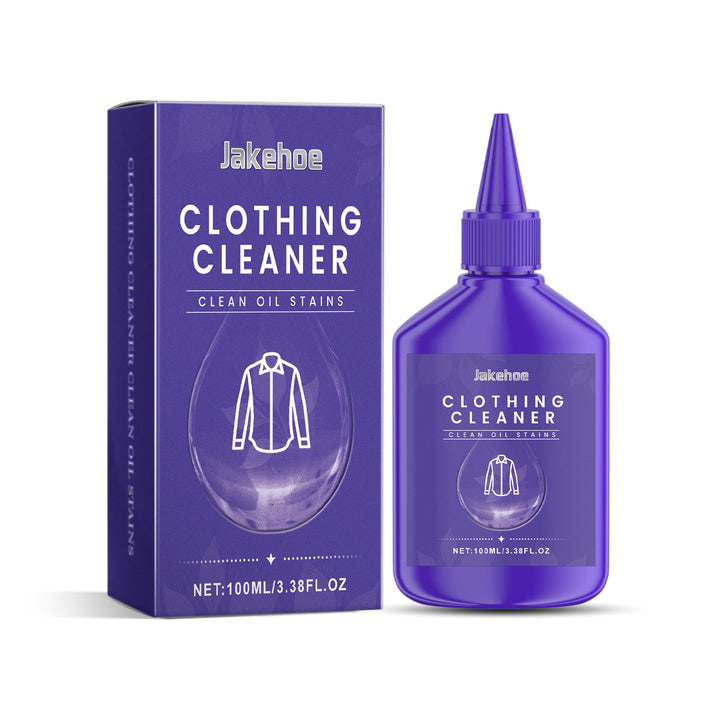
Laundry care products help you handle everyday washing, quick spills, odors, and stubborn marks on clothing and household fabrics. This category includes detergent sheets, targeted stain removers, and enzyme cleaners so you can choose a practical option for your routine, fabric types, and preferred washing method.
Start with the job you need to complete. For regular loads, choose laundry detergent sheets designed for everyday washing; they are pre-measured and easy to store. For a fresh scent, select a lavender-scented sheet option. If you are treating a visible mark before washing, use a stain remover spray for quick spot cleaning. For set-in marks, compare a stubborn-stain remover with an active enzyme laundry cleaner. An enzyme clothing stain remover can be useful for yellow sweat marks when the product label says it is suitable for the fabric. Check care labels first, especially for wool, silk, leather, delicate finishes, and dark colors. Reviews can help you compare ease of use and scent preferences, but always follow the product directions.
Laundry detergent sheets are intended for washing a full load, while stain removers are targeted treatments for individual marks. Everyday detergent sheets suit routine loads and simple storage, and zero-waste washing sheets may appeal if you prefer lightweight, package-conscious laundry care products. Lavender-scented sheets offer a specific fragrance choice rather than a different cleaning method. Stain remover spray is convenient when you want to treat a spill quickly. A dedicated stubborn-stain remover is made for more demanding marks, while active enzyme and enzyme clothing cleaners are options for certain organic stains, including some sweat-related discoloration. These products are not interchangeable: detergent sheets wash the load, while spot treatments should be applied only as directed before or during washing.
Look for a product matched to the stain, fabric, and timing of the job. A spray format is useful for fresh spills because it can be applied directly to a small area without preparing a full wash. For older or more noticeable marks, compare products described for stubborn clothing stains or yellow sweat marks. Read the instructions for pretreatment time, dilution, rinsing, and whether the item can go into a washing machine afterward. Test an unseen area when the fabric or dye may be sensitive, and avoid assuming that a natural ingredient is safe for every textile. Check whether the formula is intended for whites, colors, or both. If fragrance matters, review the product description and customer reviews before choosing.
For detergent sheets, read the package directions, separate laundry by color and care requirements, and place the recommended sheet where the instructions specify. Use a suitable wash cycle and water temperature for the garments rather than choosing heat solely to treat a stain. For a stain remover, remove excess residue, apply the directed amount to the affected area, and allow the stated contact time. Gently work the product in only if the instructions permit it, then wash as directed. Inspect the garment before drying; heat can make some stains harder to remove. Never mix laundry products unless the labels specifically allow it, and keep all products away from children and pets.
A common mistake is drying a stained item before checking whether the mark has disappeared. Other errors include using a spot treatment without checking the care label, skipping a hidden-area test on colored fabric, applying too much product, or using a detergent sheet in a way not covered by its instructions. Do not treat every stain with the same formula: dyes, oils, food residue, and sweat marks may need different approaches. Avoid mixing cleaners, and do not use a hotter cycle than the garment allows. For questions about what kills bacteria when doing laundry, follow the garment label and detergent directions; washing conditions vary, and a standard laundry product should not be assumed to sanitize every item.
These products suit households that want a simple routine for clothing and washable fabrics. Detergent sheets are practical for people who prefer pre-measured laundry products, have limited storage, or want a lightweight option for travel and shared laundry rooms. Stain remover sprays suit parents, commuters, cooks, and anyone who wants to treat marks as they happen. Stubborn-stain and enzyme options are useful when routine washing has not handled a particular mark, provided the fabric label and product directions allow them. They can also support a laundry attendant or cleaning worker who needs clearly labeled products for different tasks. If you are comparing laundry care near me services, remember that these products are for at-home care, not a substitute for professional textile treatment.
The price depends on your location, whether washing and drying are included, pickup or delivery, garment handling, folding, and any special treatment. Ask for a complete quote before booking and confirm whether detergent, stain treatment, minimum orders, and additional items cost extra. Local laundry care services may list rates online or through an app.
At home, cost depends on the product type, how many loads a package covers, and how often you use stain treatments. Compare the stated load coverage and usage instructions rather than judging only by the package price. A laundry service costs more because it may include labor, washing, drying, folding, and pickup or delivery.
Laundry results depend on the wash temperature, cycle, detergent, fabric, and drying method. Follow the care label and product directions, and do not assume that a standard detergent sheet or stain remover sanitizes every item. For items requiring special hygiene handling, use instructions from the relevant manufacturer or care professional.
That depends on the role, pay, schedule, travel requirements, workload, and benefits. Compare the full offer with your local cost of living and ask about training, equipment, lifting expectations, and advancement. Reviews can provide context, but verify details with the employer rather than relying on anonymous comments alone.
Salary varies by location, employer, experience, shift, and whether the role is in a hotel, laundromat, care facility, or service company. Check current local job listings and official labor-market sources for relevant pay information. Confirm whether the advertised figure is hourly or annual and whether overtime or benefits are included.
Useful skills include sorting by color and fabric, reading care labels, following product directions, treating stains carefully, operating laundry equipment, folding consistently, and keeping work areas organized. Attention to detail, time management, safe lifting, and clear communication are also important. Employers may provide task-specific training, so requirements differ by workplace.