$49.90
Free delivery · 7–14 days
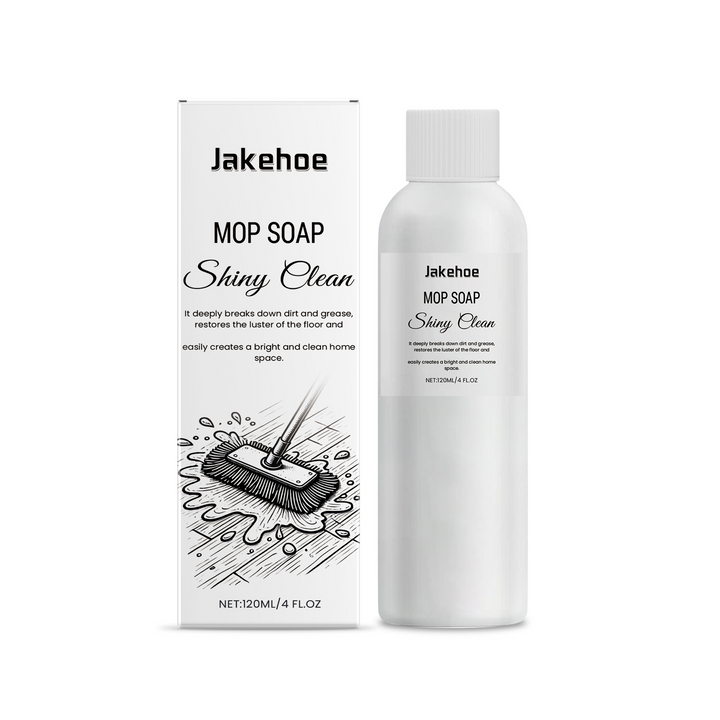
Jakehoe Floor Cleaner Concentrate for Hardwood & Tile Shine


Tile care products help you clean everyday soil, refresh dull surfaces, and maintain a polished look on suitable tile and stone. This category includes floor cleaners, cleaning tablets, seam treatments, sprays, and polishes for ceramic, porcelain, marble, and other compatible surfaces.
Start with the surface: ceramic and porcelain tile usually need a cleaner suited to hard, glazed surfaces, while marble and other stone may require a stone-specific spray or polish. Next, decide whether you need routine cleaning, stain-focused cleaning, grout or seam care, or a protective finish. Tile floor cleaner and cleaning tablets are practical for regular maintenance, while stone cleaning spray is better suited to targeted marks on marble and tile. A polish or wax treatment can help refresh the appearance of compatible floors, but it should not be applied automatically to every surface. Check the product directions, finish compatibility, and whether the tile is glazed, textured, sealed, or unsealed before buying.
Tile floor cleaners are designed for general soil and routine floor care. Ceramic or bathroom cleaning tablets are convenient when you want a measured cleaning format for suitable hard surfaces. Stone cleaning spray is intended for spot cleaning on surfaces such as marble and tile, while stone countertop polish is made for compatible countertop applications rather than broad floor use. Tile seam cleaning wax focuses on grout lines, joints, or seams where grime can be difficult to remove. Floor wax, stone polish, and tile cleaning polish are finish products that may improve shine and provide a surface treatment when compatible. Use cleaners first; only add polish or wax when the surface and product instructions allow it.
Look for clear surface guidance that names ceramic, porcelain, natural stone, marble, grout, or the specific area you plan to clean. A useful label should explain dilution or tablet use, application method, dwell time if relevant, rinsing, drying, and whether the product leaves a finish. For porcelain tile care and maintenance, choose a cleaner that supports regular soil removal without relying on a waxy residue. For tile seams, select a product intended for seam or grout care rather than spreading countertop polish across the floor. If you are comparing information from a ceramic tile care and maintenance PDF or a manufacturer guide, use it to confirm compatibility with your tile finish before selecting a cleaner, polish, or protective treatment.
Remove loose grit first by sweeping or vacuuming with a suitable hard-floor attachment. Apply the tile floor cleaner, spray, or tablet solution according to its directions, working in manageable sections and using a clean mop or cloth. Do not leave excess solution standing on the floor; rinse or wipe as directed and allow the surface to dry. For polish or wax, clean and dry the tile completely before applying a thin, even layer to a small test area. Avoid walking on the treated section until the instructions permit it, and keep the finish away from surfaces where added slickness or residue could be a problem. Always test an inconspicuous area, especially on stone, textured tile, or older grout.
Do not assume that a product suitable for glazed ceramic tile is also suitable for marble, porous stone, unsealed grout, or a countertop. Avoid abrasive tools and harsh cleaning methods that can dull finishes, scratch surfaces, or damage seams. Using too much cleaner can leave a film, while applying polish over soil can trap discoloration and make later cleaning harder. Do not mix cleaning products, and follow the label instead of increasing concentration for stubborn marks. Skip wax or polish if the tile manufacturer advises against it or if the floor becomes uncomfortably slippery after a test application. Regular sweeping, prompt spill removal, and controlled product use are usually better than repeated heavy treatments.
These products suit homeowners, renters, and cleaning teams maintaining tile floors, bathroom surfaces, backsplashes, seams, and compatible stone areas. Choose routine cleaners or tablets if your priority is everyday ceramic or porcelain maintenance. Choose a seam treatment when grout lines or tile joints collect grime, and select a stone spray or countertop polish for compatible marble or stone surfaces. A floor polish or protective treatment is better for shoppers who want to refresh a dull-looking, suitable surface after cleaning. They may not be appropriate for every unsealed, highly textured, painted, waxed, or manufacturer-treated surface, so check care instructions first. If you are following a Daltile porcelain tile care and maintenance PDF or another manufacturer guide, use its surface recommendations as the final compatibility check.
Sweep or vacuum regularly to remove grit, then clean with a product labeled for ceramic tile and use the recommended amount. Wipe up spills promptly, keep grout and seams clean, and dry the floor when directed. Use polish or wax only when the tile and existing finish are compatible.
A small amount of mild dish soap may be used on some tile surfaces, but it can leave residue if overused or not rinsed well. A tile floor cleaner is usually a more direct choice because its directions identify the intended surface and cleaning method. Test any substitute in an inconspicuous area first.
Use a cleaner labeled for ceramic or porcelain tile, along with a soft mop or cloth that will not scratch the surface. Cleaning tablets can be convenient when their directions list your tile type. Remove loose grit first and follow the product instructions for dilution, rinsing, and drying.
Avoid abrasive powders, rough scouring tools, unapproved acidic or highly aggressive cleaners, and excessive amounts of product. Do not mix cleaners, and do not use stone, wax, or polish products unless the label confirms they are suitable for the tile and finish. Manufacturer care instructions should take priority.
Professionals typically remove loose soil, apply a suitable tile cleaner, agitate problem areas with appropriate tools, and remove the solution thoroughly. They may treat seams or grout separately and use a finish product only when the surface allows it. For difficult buildup or damage, they assess the tile and existing finish before choosing a stronger method.
Oil-based or soap-based cleaners can leave a film on some tile floors, especially when too much product is used. Choose a tile-specific cleaner when possible and follow its label. If you consider any general-purpose cleaner, confirm compatibility and test a small hidden area before cleaning the full floor.