
$35.90
Free delivery · 7–14 days
Nasal Air Purifier for Snoring & Congestion Relief


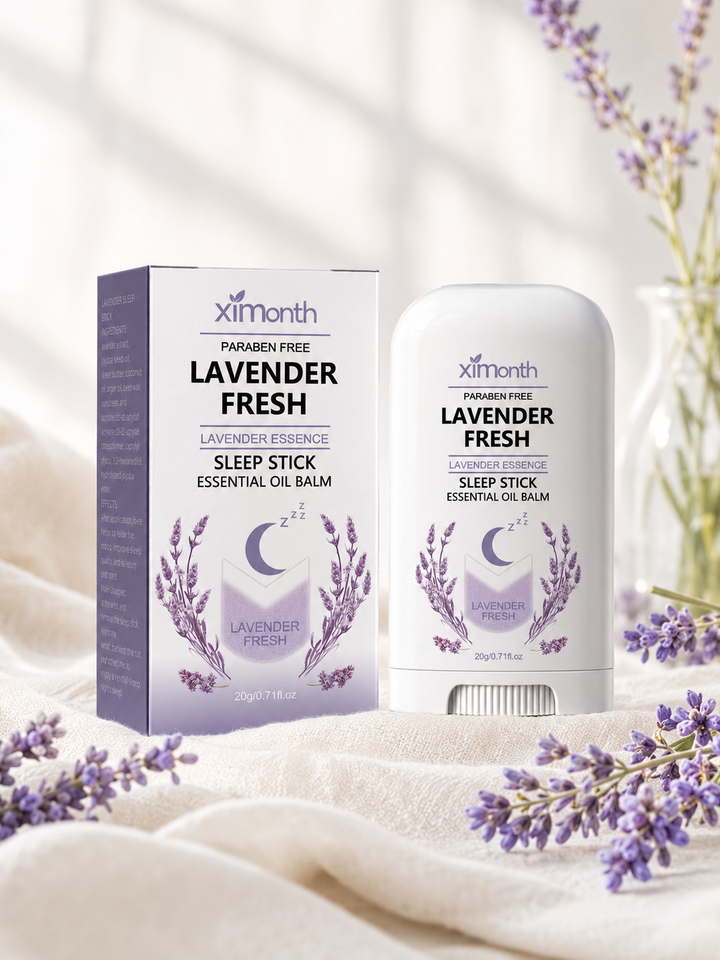
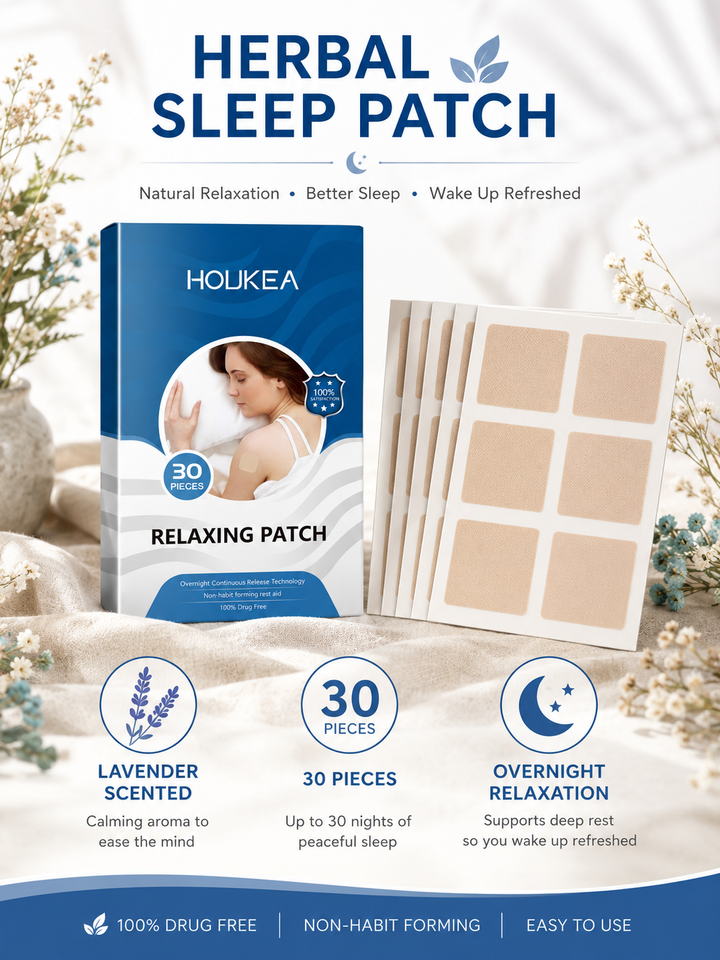
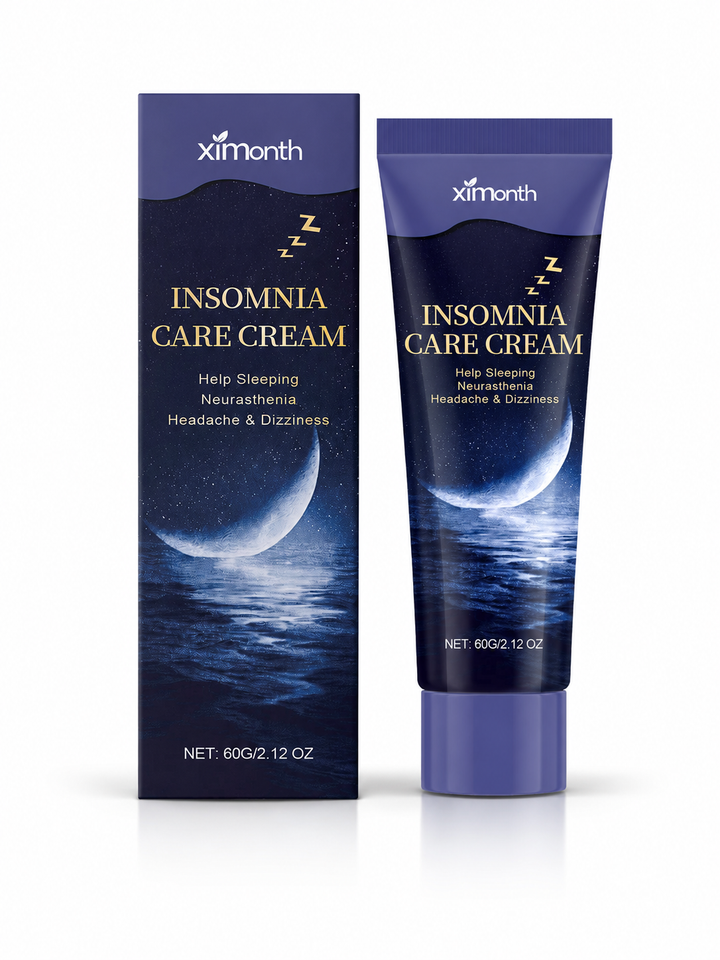


Sleep aids can support a calmer bedtime routine, easier nasal breathing or a more comfortable sleep environment. This range includes non-drug options such as nasal strips, anti-snoring devices, lavender and passion flower products, magnesium body spray and handheld sleep devices, so you can compare approaches based on your routine and sleep concerns.
Start by identifying what is getting in the way of sleep. If nasal congestion or nighttime breathing feels like the issue, compare the Anti-Snoring Nasal Device, Ximonth Nasal Strips and other products designed to support easier airflow. If you want a relaxing bedtime ritual, consider Lavender Sleep Spray, Magnesium Body Spray or Passion Flower Sleep Oil. For people exploring device-based options, the handheld Sleep Aid Device and Sleep Instrument use different formats that may suit different routines. An Adjustable Anti-Snoring Mouthpiece is aimed at shoppers looking for a mouthpiece-style option. Read each product description for fit, application and usage details, and choose something you can use consistently. If you are searching for a natural sleep aid for adults, review the ingredients and avoid anything you know you cannot use.
This category covers several approaches rather than a single type of sleeping pill. Nasal strips and nasal devices sit on or around the nose and are intended to support easier nighttime breathing. An adjustable anti-snoring mouthpiece is a reusable, fit-based option that requires careful adjustment and cleaning. Lavender spray, magnesium body spray and passion flower sleep oil are topical or aromatic products for a calming bedtime routine; check the label for directions and skin-use guidance. The handheld Sleep Aid Device and Sleep Instrument are electronic formats for shoppers interested in device-based routines. These products are not presented as a ranking of the top 10 sleeping pills over the counter, and they are not a substitute for professional advice about persistent sleep problems.
For sleep aids natural shoppers can add to an evening routine, look first at ingredients, application and convenience. Lavender Sleep Spray is designed for use around bedtime, while Magnesium Body Spray and Passion Flower Sleep Oil offer different formats and ingredient profiles. Check whether a product is intended for skin, fabric or another surface, and follow its label rather than applying it more often than directed. Consider scent strength, portability, cleanup and whether you prefer a spray, oil or device. “Natural” does not automatically mean suitable for everyone, especially if you have allergies, sensitive skin, take medicines or are pregnant. For a strongest natural sleep aid comparison, focus on transparent product information and personal suitability instead of assuming that a stronger sensation or scent will work better.
Nasal strips should be placed on clean, dry skin across the bridge of the nose, following the product instructions and removing them gently. A nasal device may require a different fit, so check its placement guidance before bedtime. The Adjustable Anti-Snoring Mouthpiece needs careful fitting and regular cleaning; stop using it if it causes pain, significant discomfort or problems with your teeth or jaw. These products are intended for sleep routines, not to diagnose the cause of snoring. If snoring is persistent, unusually loud, accompanied by breathing pauses or linked with daytime tiredness, seek medical advice rather than relying only on an over-the-counter sleep aid. Keep reusable products clean and replace disposable strips as directed.
A common mistake is choosing a product based only on claims about the strongest sleep aid over the counter. Instead, match the format to your concern and follow the directions precisely. Do not combine several new products at once, because it becomes harder to identify irritation, discomfort or an unwanted reaction. Avoid using a mouthpiece without checking its fit, applying oils where the label does not allow them, or placing nasal strips on damp or irritated skin. Do not assume a sleep aid can resolve anxiety, ongoing insomnia or breathing-related symptoms. People asking about sleep aids you can take every night should review the label and discuss regular use with a healthcare professional, particularly when taking medicines or managing a health condition.
These products may suit adults looking for non-pill additions to a bedtime routine, easier-feeling nasal airflow or a calming sensory ritual. Nasal strips and nasal devices may appeal to shoppers focused on nighttime breathing, while the mouthpiece suits those comfortable with a reusable oral device. Sprays and oils suit people who prefer a scent-based or topical routine, and electronic devices suit shoppers who prefer a handheld format. Suitability depends on the individual product instructions, sensitivities and existing conditions. There is no universal safe sleeping pill for elderly people in this category, and these products should not be selected as a replacement for tailored advice. If sleep difficulty lasts, worsens or affects daily life, speak with a qualified healthcare professional.
There is no single best option for everyone. The most suitable choice depends on whether you want a calming routine, support for easier nasal breathing, an anti-snoring device or a device-based format. Choose by concern, instructions, comfort and consistent use rather than by a strongest-sounding claim.
A quiet, repeatable bedtime routine may help you create a calmer transition to sleep, and products such as lavender spray, magnesium body spray or passion flower sleep oil can be considered as routine supports. If anxiety is persistent, severe or affecting daytime life, speak with a healthcare professional rather than relying only on a sleep aid.
There is no universally healthiest product, and “natural” does not guarantee that an item is suitable for every person. Review ingredients and directions, consider non-pill options such as a bedtime spray or nasal strip, and ask a healthcare professional for personalised guidance if you have a condition, take medicines or need regular support.
Long-term use depends on the specific medicine, your health and professional guidance. Do not start, stop or extend a sleeping-pill routine without discussing it with a qualified healthcare professional. The products in this category are mainly non-pill sleep aids and should still be used according to their labels.
There is no single sleeping pill that can be described as the best or universally non-addictive for everyone. This category focuses on non-pill options, including nasal strips, sprays, herbal oils and sleep devices, but suitability still varies. Ask a healthcare professional before choosing a medicine for sleep.
The right decision depends on the cause of the sleep problem, the medicine and your personal health. Do not take a sleeping pill that was not recommended for you, or mix it with other products without professional advice. For repeated sleeplessness, ask a healthcare professional about safer options and the underlying cause.
Browse related: CPAP Nasal Pillow Masks for Sleep Apnea Relief · explore baby sleeping bag & transition sleep sack for better sleep.