$64.90
Free delivery · 7–14 days
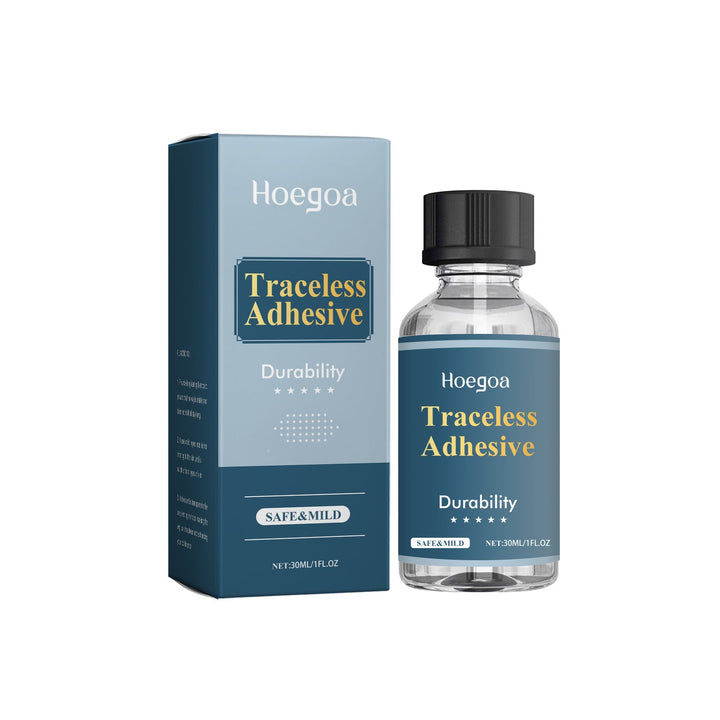
Wig Adhesive Glue for Strong, Long-Lasting Daily Hold


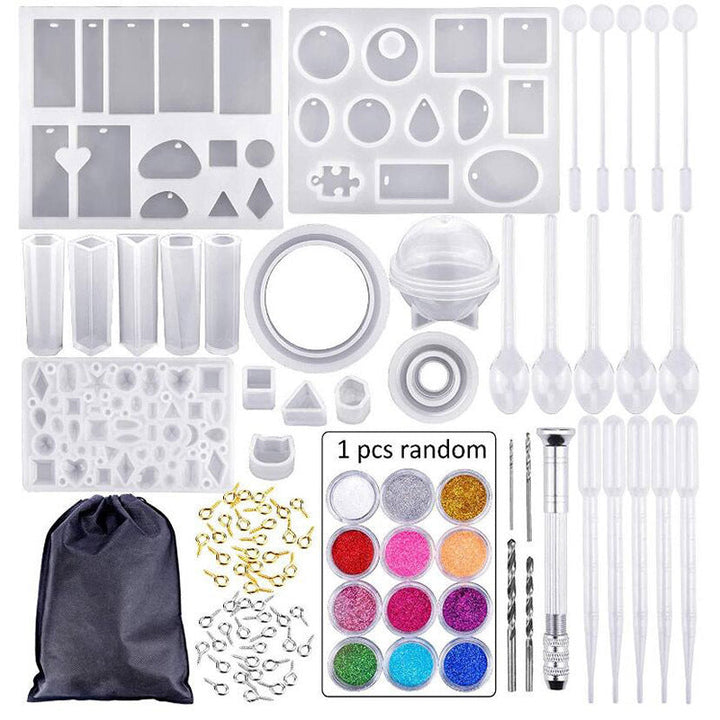


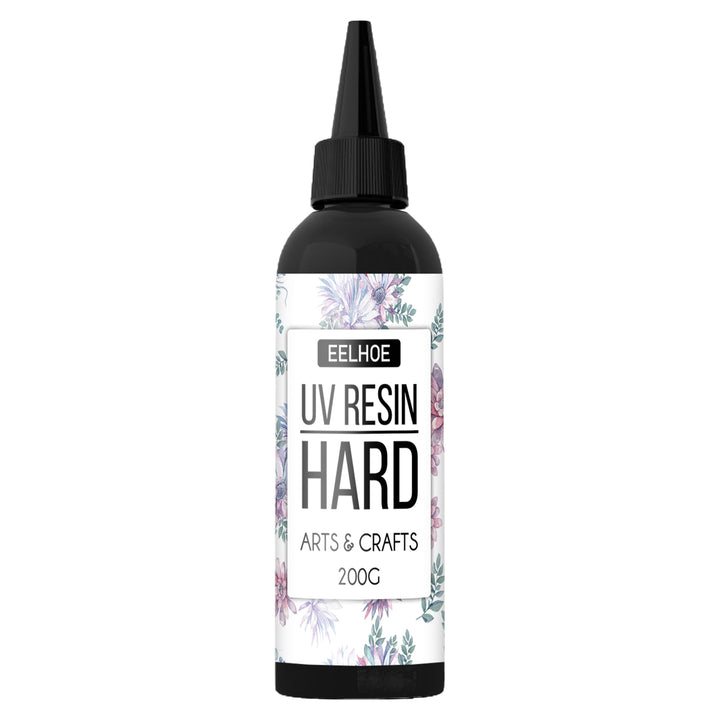
Resin glue products in this category are designed for craft, jewelry, model, household and selected repair projects. Choose between UV-curing resin for clear, quick bonds and two-part epoxy for gap filling and longer working time, then match the adhesive to the materials and conditions of the repair.
Start by identifying the materials you need to join, the size of the bond and whether the finished repair will be visible. UV resin glue is useful for clear jewelry, small craft parts and quick repairs where light can reach the adhesive. Fast-set epoxy resin is more versatile for thicker joints, uneven surfaces and projects that need gap filling. For wood, compare the wood surface with the resin component: epoxy can bond many sealed or prepared surfaces, while a dedicated wood adhesive may be better for wood-to-wood joints. For shoes, use the listed shoe repair glue rather than craft resin. Do not use craft resin glue for teeth, dental work, skin or internal body use.
UV resin glue cures when exposed to suitable UV light, making it convenient for small, visible bonds and layered jewelry work. It generally needs a clear path for the light, so it is less suitable for opaque, deep or tightly enclosed joints. Two-part epoxy resin combines resin and hardener, giving you working time to position parts before it sets. Epoxy is often the better choice for thicker repairs, irregular gaps and materials that block UV light. Both types can produce clear results when applied carefully, but cure time, bond strength and appearance depend on the surfaces, mix or light exposure, layer thickness and product instructions. A clear epoxy kit may be more practical for larger DIY craft projects.
Check the product format, cure method, finish and intended use before buying. UV resin glue is convenient when you want a clear, fast-curing craft adhesive and can expose the joint to UV light. Look for a clear hard cure when appearance matters on jewelry or transparent components. For epoxy, check whether the kit is supplied as separate components and whether the instructions specify a mixing ratio and curing conditions. Packaging size also matters: smaller tubes suit occasional repairs, while a 100g UV resin option can be useful for repeated craft work. If you need a strong bond for resin, prioritize proper surface preparation and a suitable joint design rather than relying on adhesive thickness alone.
Clean both resin surfaces and remove dust, grease and loose residue. Test-fit the parts first, then lightly roughen smooth areas if the product instructions allow it; wipe away sanding dust before applying adhesive. For UV resin, apply a controlled amount, align the parts and expose the joint to the recommended UV light from accessible angles. For two-part epoxy, measure and mix the components as directed, spread a thin even layer, join the pieces and support them while curing. Avoid moving the repair during the stated cure period. Remove squeeze-out before it hardens, using the method recommended for the product. Work in a ventilated area, protect your workspace and follow the label instructions for gloves, cleanup and handling.
Resin glue may have difficulty bonding to dirty, oily, wet, dusty, very flexible or extremely smooth surfaces. It can also struggle where the joint is under constant bending, where parts do not fit closely, or where UV light cannot reach the adhesive. Some plastics, silicone-like materials, waxy finishes and low-surface-energy materials may need a different adhesive or may not bond reliably without suitable preparation. Always test on an inconspicuous area, especially with finished wood, painted items or decorative pieces. For stones, clean and dry the faces, check that they fit closely and consider clear epoxy for an irregular or heavier joint. For wood, remove loose fibers and finish only as appropriate for the project, then allow the adhesive to cure fully.
Using too much adhesive is a common mistake: excess resin can remain soft, spill onto visible surfaces or create a messy edge. Another is choosing UV resin for an opaque joint that blocks the light, or applying epoxy without following its mixing instructions. Do not bond over dust, oil, moisture or loose paint, and do not handle the repair before it has cured. Avoid making a heavy repair depend on a tiny contact area; improve the fit or add mechanical support where possible. Clear craft glue is not the same as cured resin and is unlikely to provide the same hard, durable result. Keep resin products away from children, food-contact surfaces, teeth and skin, and follow the specific safety directions supplied with each item.
UV resin glue suits crafters making jewelry, charms, small decorations and clear repairs that can be exposed to UV light. It is a good pick for shoppers who value quick positioning and a clear hard finish. Epoxy resin kits suit DIY users working on thicker, uneven or partly enclosed joints, including many craft and decorative projects where gap filling is helpful. Choose the shoe glue in this category for flexible sole repairs and footwear-related bonding rather than using a rigid craft resin. Shoppers looking for resin glue for nails should use only products specifically labeled and intended for nail use; these craft products are not a substitute for nail adhesive. Resin glue for teeth is not an appropriate use for these products.
For small, clear joints that can be reached by UV light, UV resin glue is a convenient choice. For thicker, uneven or partly enclosed joints, a two-part clear epoxy resin is usually more suitable because it can fill small gaps and cure without light passing through the entire bond.
Resin glue is an adhesive based on a resin that hardens through curing. In this category, it includes UV-curing resin glue and two-part epoxy resin, both commonly used for crafts, jewelry and selected household repairs.
Bonding can be unreliable on dirty, oily, wet, dusty, very flexible or extremely smooth surfaces, as well as some silicone-like and low-surface-energy plastics. Clean and prepare the surfaces as directed, and test first because finishes and plastic types can vary.
Clean and dry the parts, test the fit and prepare smooth surfaces if the instructions allow it. Apply UV resin and expose it to suitable UV light, or mix epoxy components in the stated ratio, join the parts and leave the repair supported until fully cured.
They may bond some materials, but expanding formulas can create pressure, visible foam and an uneven joint. For resin-to-resin craft repairs, UV resin glue or clear epoxy is generally easier to control; always check compatibility and test before committing to the repair.
Clear craft glue is typically a different water-based or polymer adhesive and does not cure into the same hard, resin-like material. It may suit lightweight paper or decorative tasks, but use UV resin or epoxy when you need a hard clear bond for suitable craft components.