$64.90
Free delivery · 7–14 days
UV Resin Glue for Clear, Fast-Curing DIY Craft Jewelry

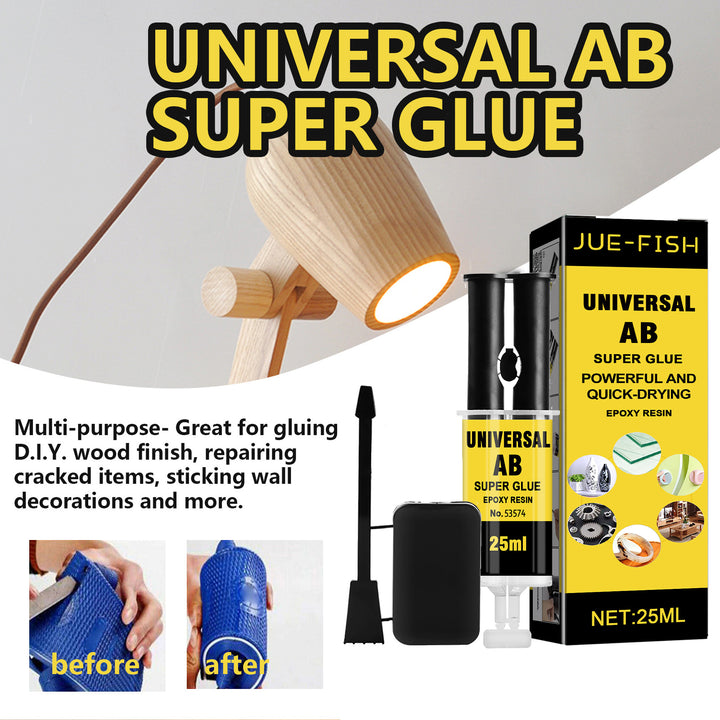
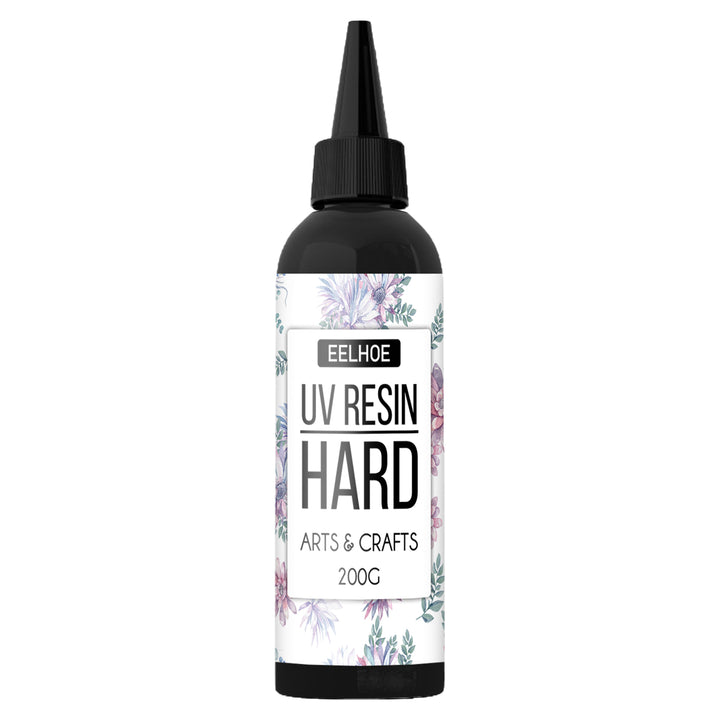
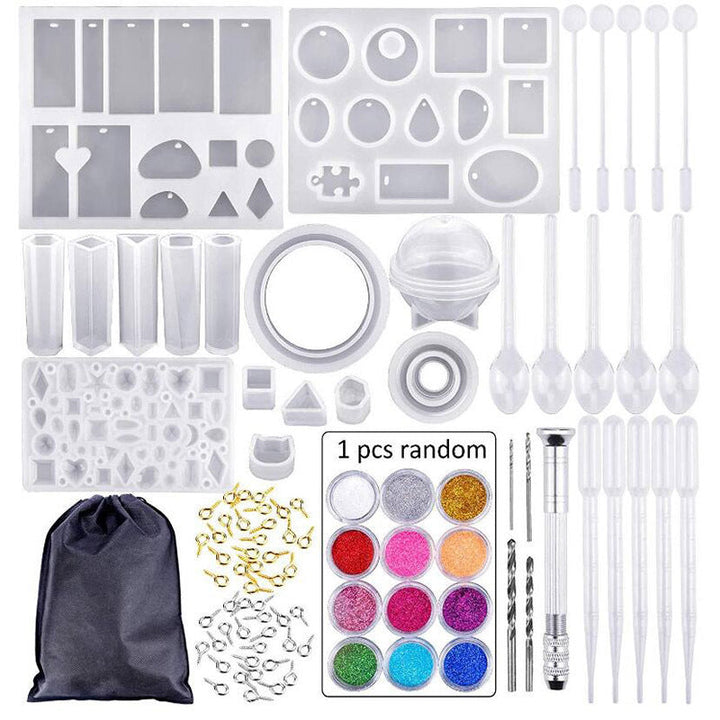
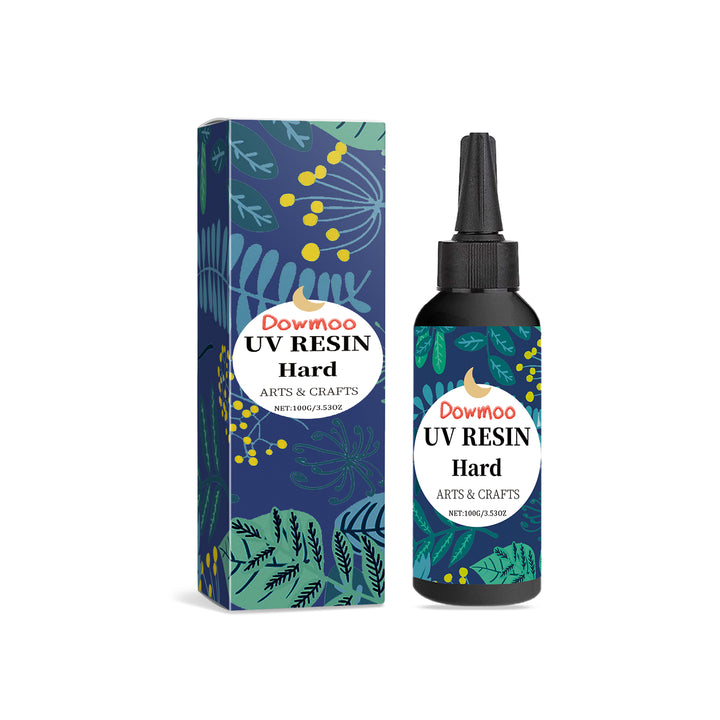

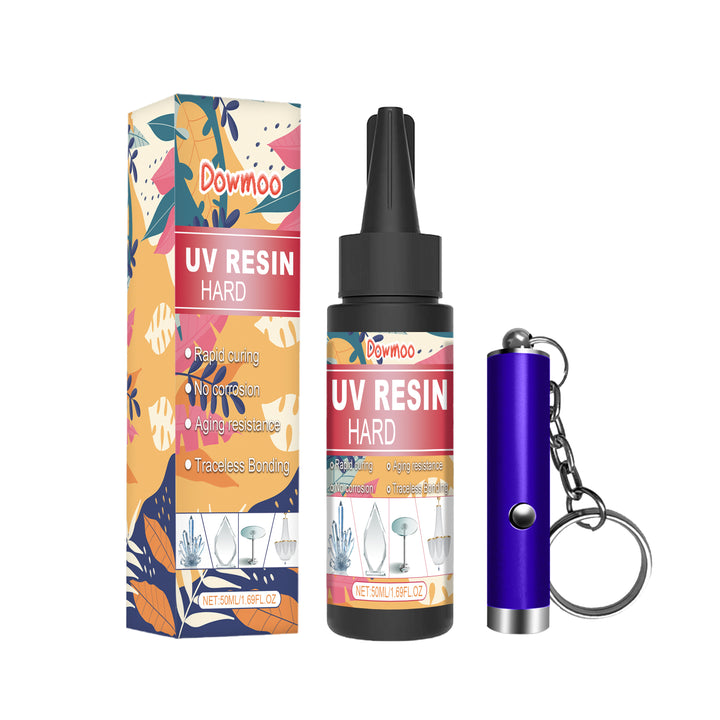
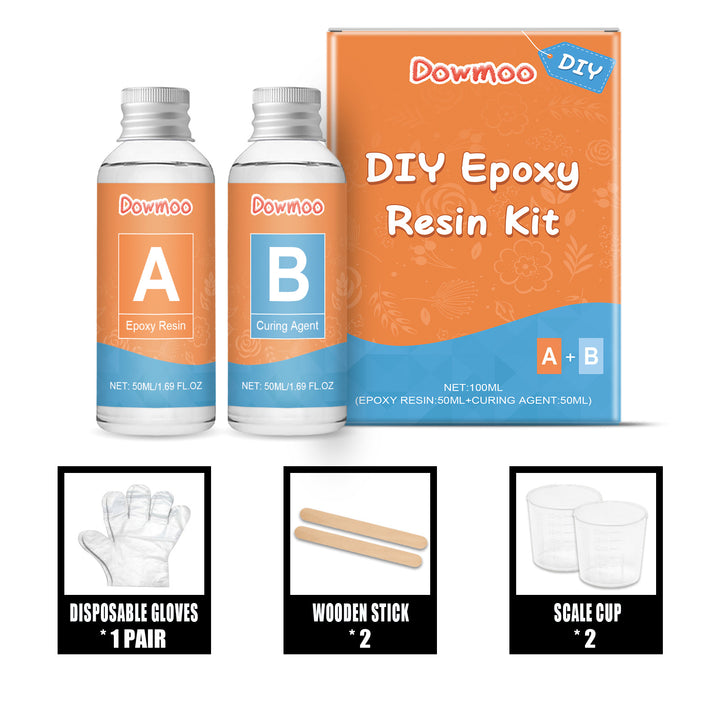


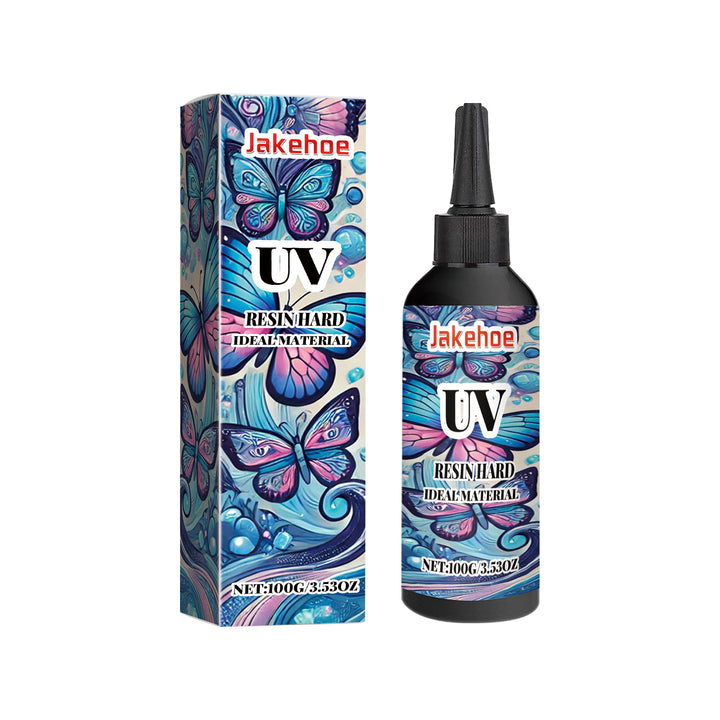
Choose the right product for clear repairs, craft assembly, jewelry making, or leak protection. This category includes UV resin glue, clear epoxy resin kits, adhesive remover, and waterproof repair sealant, so the best option depends on the materials, curing method, flexibility, and finish you need.
Start by deciding whether you need a rigid bond, a clear coating, residue removal, or a flexible seal. UV resin glue is suited to small craft and jewelry projects where you can expose the adhesive to UV light and want a fast hard cure. Clear epoxy resin kits are useful when you need a two-part adhesive or smooth finish for DIY projects. Waterproof repair sealant is the better choice for clear leak protection and areas that may need some flexibility. Adhesive remover is not a bonding product; it is for cleaning sticker and glue residue before a new repair. Check the product instructions for compatible surfaces, curing requirements, and recommended project size before buying.
The main options in this category work in different ways. UV resin glue cures when exposed to suitable UV light, making it practical for small, visible craft pieces and jewelry projects. Clear epoxy resin comes as a resin and hardener that are combined according to the supplied directions, creating a hard finish after curing. Waterproof repair sealant is intended to close or protect against leaks and is generally chosen where a sealed, weather-resistant repair is more important than a rigid craft bond. Adhesive remover loosens existing sticker and glue residue. In everyday shopping terms, adhesives join surfaces, while sealants close gaps, seams, or openings. Some products can overlap in use, but they are not automatically interchangeable.
Look at the cure method first. UV resin requires access to the light source across the area being cured, while epoxy requires accurate mixing and curing time. For a clear appearance, check whether the product is described for transparent crafts, jewelry, or smooth finishes, and consider how visible the bond will be. For repairs exposed to moisture, choose a product specifically described as waterproof or leak-protecting rather than a general craft adhesive. Also check the working consistency: a liquid resin may flow into small details, while a sealant may be better for filling a seam. Review surface compatibility, application instructions, storage guidance, and cleanup requirements before starting.
Prepare clean, dry surfaces and remove dust, oil, and old residue; adhesive remover can help with sticker or glue buildup when suitable for the surface. Apply UV resin glue in a controlled amount, position the pieces, and cure according to the instructions while ensuring the light reaches the resin. For clear epoxy, measure and combine the two components as directed, mix thoroughly, apply within the stated working window, and leave the project undisturbed while it cures. For waterproof repair sealant, apply it to the prepared seam or leak area in an even bead, smooth if instructed, and allow full curing before exposing it to water. Use ventilation and the protective equipment specified on the label.
Using the wrong product is a frequent problem: a rigid craft resin may not be suitable for a moving or leaking joint, while a flexible sealant may not provide the neat hard finish expected for jewelry. Applying too much can create runs, bubbles, or a visible edge, especially with clear resin. Poor surface preparation can weaken the bond, so remove grease, dust, and loose material first. Do not assume UV resin will cure through an opaque piece or in a shaded recess. With epoxy, incorrect proportions or incomplete mixing can leave the material soft or uneven. Finally, do not expose a repair to water, handling, or load until the product instructions indicate that curing is complete.
UV resin glue suits crafters making small jewelry, charms, embellishments, and transparent DIY pieces who want a fast-curing adhesive and have suitable UV curing access. Clear epoxy resin kits suit shoppers working on jewelry, decorative crafts, casting-style details, or projects that call for a smooth, hard clear finish and careful two-part mixing. Waterproof repair sealant suits practical repair jobs involving seams, gaps, or clear leak protection. Adhesive remover is useful for preparing a surface or cleaning leftover sticker and glue residue, rather than replacing an adhesive. If you are unsure whether to choose glue or sealant, ask whether the main job is joining two surfaces or sealing an opening; that distinction usually narrows the choice.
No. Glue is mainly intended to join two surfaces, while sealant is mainly intended to close gaps, seams, or openings and help protect against moisture or air passage. Some products can both bond and seal, but you should follow the stated use and surface guidance for the specific product.
Sometimes, depending on the sealant and the materials being joined. A waterproof repair sealant may hold certain surfaces while also closing a seam, but it may remain more flexible and may not provide the rigid finish expected from UV resin or epoxy. Check the product instructions before using it as the primary bond.
Sealants are commonly grouped by the way they cure or by their main material, such as silicone-based, polyurethane-based, and acrylic-based products. The exact properties vary by formulation, so shoppers should check flexibility, water resistance, surface compatibility, and curing instructions rather than choosing by category name alone.
Adhesives are materials designed to join surfaces, while sealants are materials designed to fill or close gaps and protect a joint from moisture, air, or debris. Clear UV resin glue and epoxy resin are adhesive-focused craft options in this category, while waterproof repair sealant is intended for sealing and leak-protection tasks.
The best choice depends on the job. Choose UV resin glue for small clear crafts and jewelry when UV curing is practical, clear epoxy for a hard two-part craft bond or finish, and waterproof repair sealant for clear leak protection or sealing a gap. Match the product to the surface, movement, moisture exposure, and desired finish.
Different sealants may be flexible or rigid, water-resistant or general-purpose, transparent or opaque, and designed for materials such as glass, plastic, metal, wood, or masonry. In this category, waterproof repair sealant is the option focused on clear leak protection, while UV resin and epoxy are primarily clear adhesive or craft materials rather than general-purpose seam sealants.