
$44.90
Free delivery · 7–14 days
Metal Repair Glue for Cracks, Leaks and High-Heat Repairs
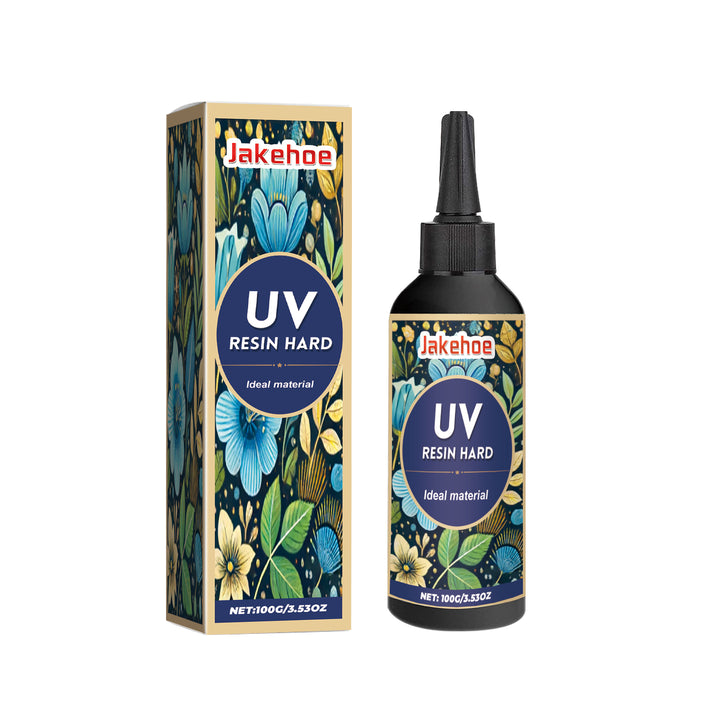
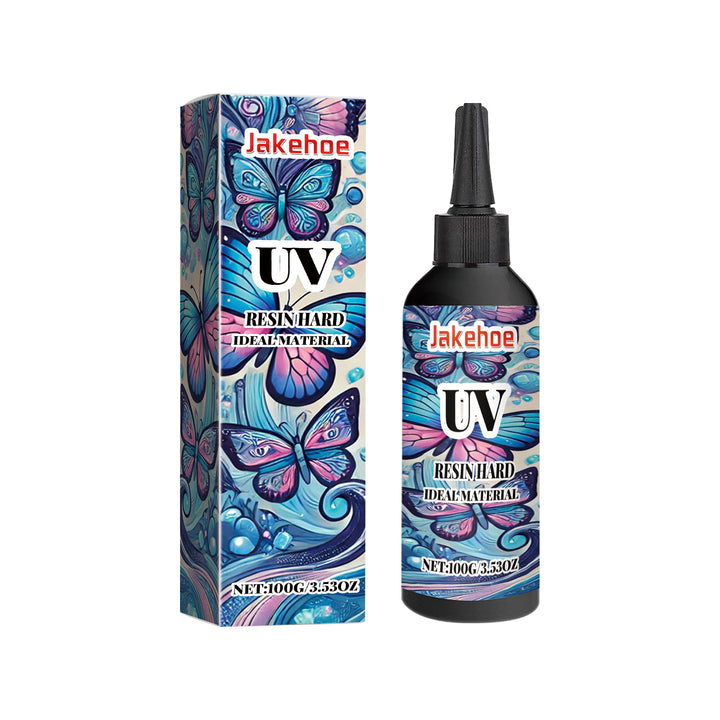

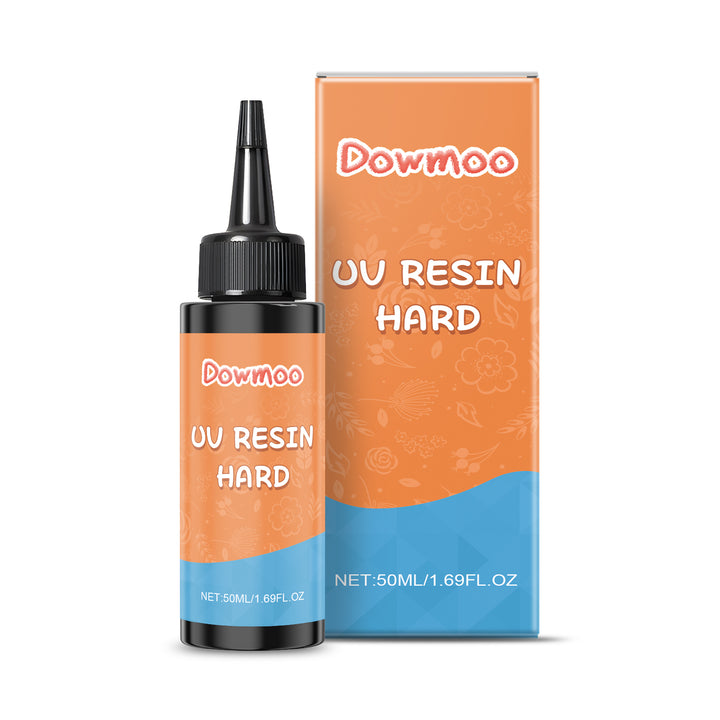
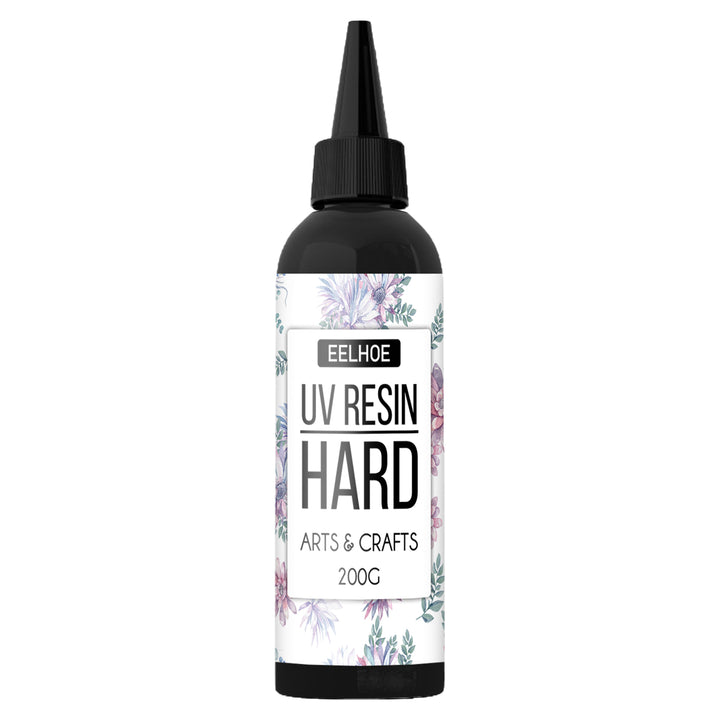
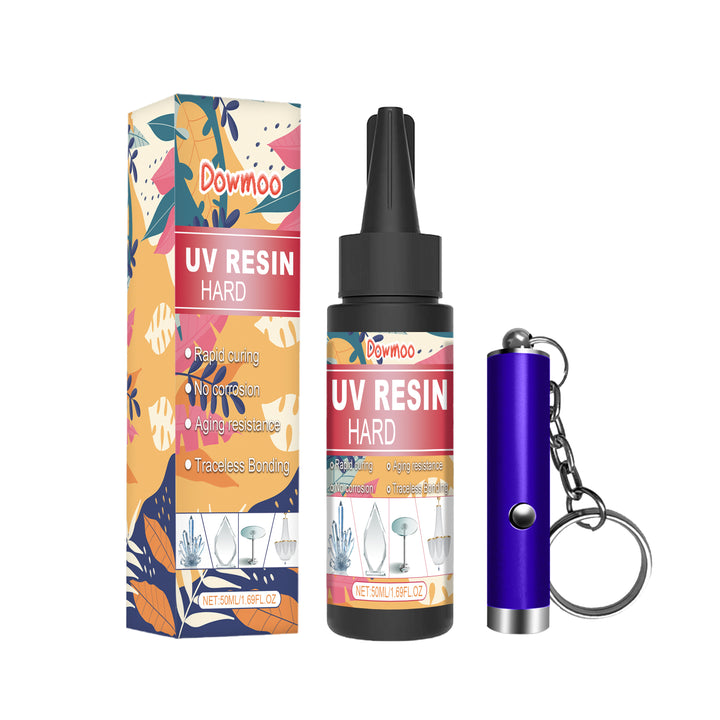
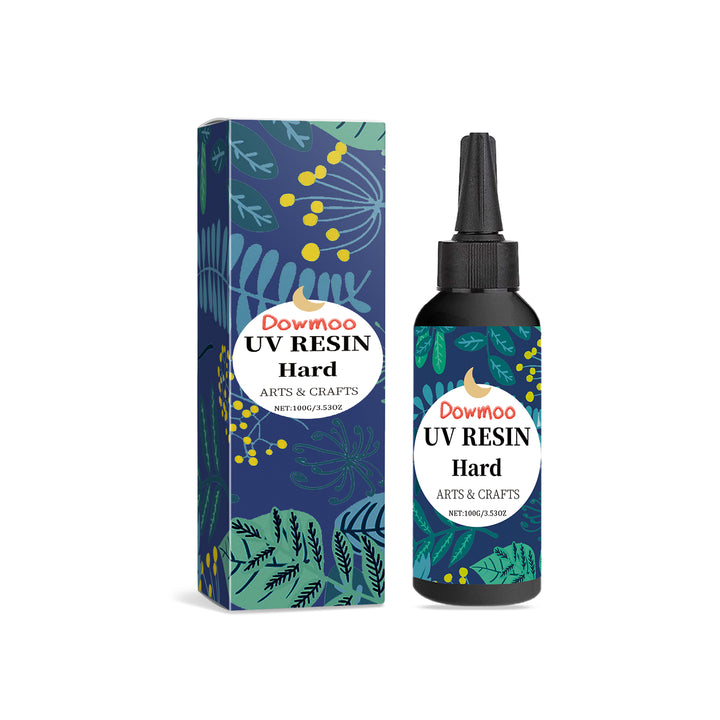

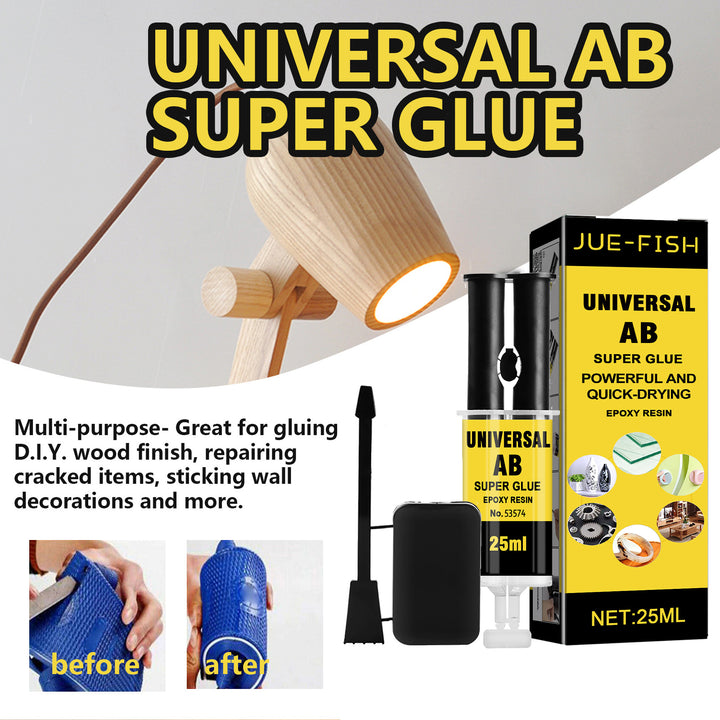
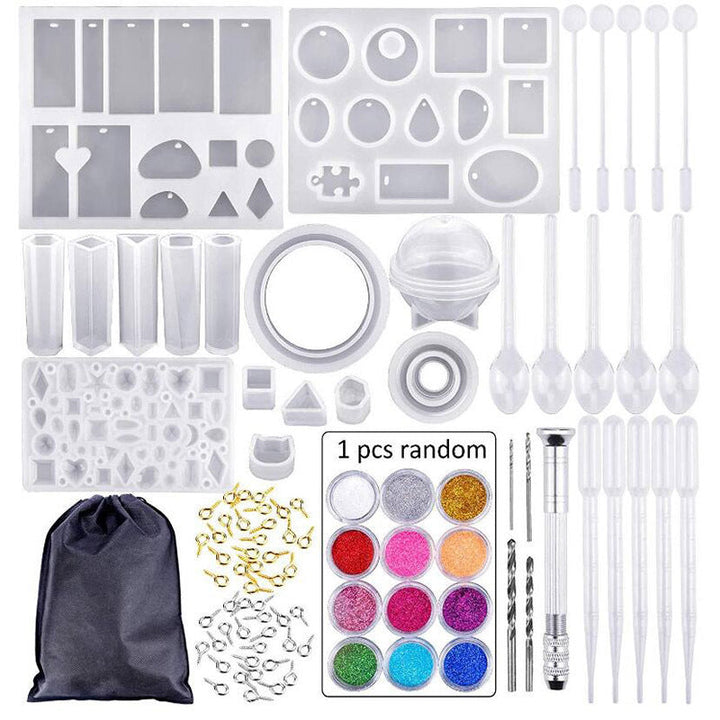
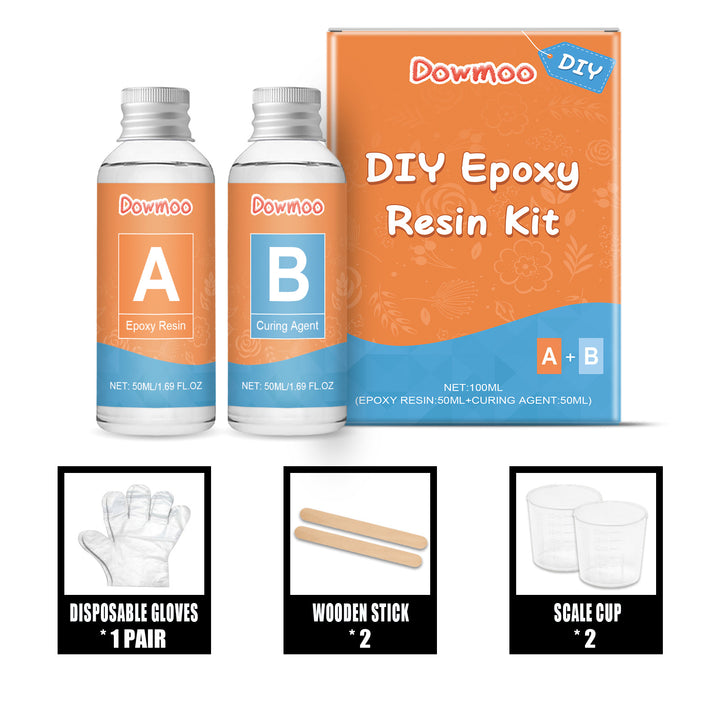

Find clear UV resin and epoxy resin kits for jewelry, casting, bonding, and DIY craft projects. This guide explains the differences between curing methods, what to check before buying, and how to work more carefully with resin at home.
Start by choosing the curing method that matches your project. UV resin glue is convenient for small jewelry pieces, thin layers, embeds, and quick repairs when you have a suitable UV lamp or direct sunlight. Clear epoxy resin kits are better suited to projects that need measured resin and hardener, such as coatings, molds, and larger craft surfaces. Check the product description for the recommended layer thickness, curing instructions, mixing ratio, working time, and finish. A clear, non-yellowing epoxy resin kit can be useful when appearance matters, while a fast-curing UV option helps when you want to finish a small project promptly. Compare bottle size, included accessories, and whether the kit is intended for bonding, casting, coating, or several uses.
UV resin and epoxy resin work differently. UV resin is generally supplied ready to use and cures when exposed to UV light, making it practical for small areas and detailed jewelry work. It is commonly used as a clear adhesive or for thin craft layers. Epoxy resin normally uses two components that must be mixed in the stated ratio before application. It offers more working time for arranging inclusions, coating surfaces, or filling a mold, but the project may take longer to cure. UV resin may not be suitable for thick or shaded sections where light cannot reach. Epoxy may be a better choice for larger pours, provided the instructions allow that application. Neither type is the same as natural resin from trees, resin wax, or resin fruit products.
Look for a product description that clearly states whether the item is UV resin glue, UV resin adhesive, or a two-part epoxy resin kit. For transparent projects, check that the product is described as clear and note any stated finish, such as glossy or non-yellowing. For jewelry, a precision nozzle or small bottle can help with controlled application. For epoxy projects, confirm that both resin and hardener are included and that the mixing directions are easy to follow. Also check the intended materials, including metal findings, wood, plastic, silicone molds, or decorative pieces. Bottle size affects value: a smaller UV bottle may suit occasional repairs, while a larger 100g option may suit repeated craft sessions. Read storage and cleanup instructions before purchasing.
Prepare a clean, level, protected workspace and read the package instructions before starting. Wear suitable gloves, avoid contact with eyes and skin, and work with good ventilation. For UV resin, apply a thin layer, position the pieces, and cure with the recommended UV source and exposure time. Check the underside and edges before handling. For epoxy, measure the resin and hardener accurately, mix slowly as directed, and avoid adding materials that contain moisture unless the instructions allow them. Keep dust, food, children, and pets away from the work area while the product is being used and curing. Uncured resin should not be treated like ordinary craft glue. Follow the label and safety data information for handling, storage, spills, and disposal.
A common mistake is choosing UV resin for a deep pour or a fully opaque design where light cannot reach the center. Another is mixing epoxy components by eye, which can leave the surface soft or tacky. Applying too much UV resin at once can also interfere with curing, so build up thin layers when appropriate. Avoid working on a damp, dusty, or unstable surface, and do not add colorants, glitter, flowers, or other inclusions without checking their compatibility. Stir epoxy slowly to reduce unnecessary bubbles, but follow the product directions rather than relying on generic techniques. Do not touch the surface simply because it looks clear; allow the stated cure time and inspect the finished piece. Store opened products as directed and keep caps tightly closed.
These products suit beginners, jewelry makers, model crafters, and DIY users who want to make clear bonds, decorative finishes, small cast pieces, or resin painting projects. Choose UV resin glue if you prefer a ready-to-use product for pendants, charms, bezels, and small repairs and already have a compatible UV lamp. Choose an epoxy resin kit if you want time to position decorations, coat a broader surface, or work with a mold according to the instructions. Beginners should start with a small, simple project and select a kit with clear directions. Resin price often reflects quantity, format, and included components, so compare the usable contents rather than bottle size alone. If you are looking for natural resin, incense resin, or resin-based wax, this craft category is different.
Resin is a material that starts as a liquid or soft compound and can harden into a solid. In this category, resin usually means synthetic craft resin, including UV resin and two-part epoxy resin used for bonding, coating, casting, and decoration. Natural resin from plants is a different material.
Craft resin is a synthetic polymer material and, once fully cured, behaves similarly to many plastics. UV resin and epoxy resin begin as liquid components and harden through curing. The exact properties depend on the formula, so follow the product instructions for its intended use.
Resin is used for jewelry, decorative coatings, small castings, craft projects, model work, and clear bonding. UV resin is useful for small pieces and thin layers that can be exposed to UV light. Epoxy resin is commonly selected for projects where two components are mixed and a longer working time is helpful.
The term resin covers many materials, so safety depends on the specific product and whether it is uncured or fully cured. Uncured craft resin should be handled carefully: read the label and safety data information, avoid skin and eye contact, use suitable gloves and ventilation, and keep it away from food and children. Do not use a cured craft item for food contact unless the product specifically states that it is suitable.
Avoid touching uncured UV resin or epoxy resin with bare skin, even during a short craft session. Use the protective equipment and handling instructions supplied with the product, and wash or manage accidental contact according to the label or safety data information. Fully cured resin is different from liquid resin, but the finished item should still only be used for purposes supported by its instructions.
Resin work requires careful measuring or curing, a protected workspace, and patience during the cure period. UV resin needs suitable light and may be less practical for thick or shaded projects, while epoxy requires accurate mixing and may take longer to harden. Resin can also produce bubbles, dust marks, spills, or an uneven finish if the surface and process are not prepared properly.