Infant & Adult Choking Rescue Devices for First Aid Safety
14 items









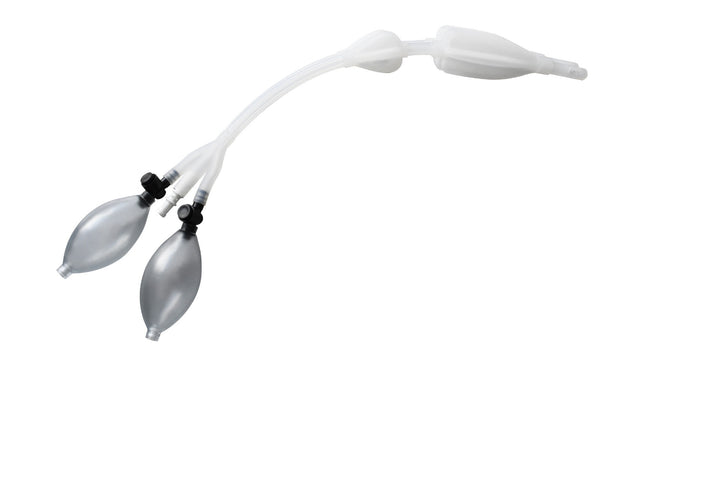
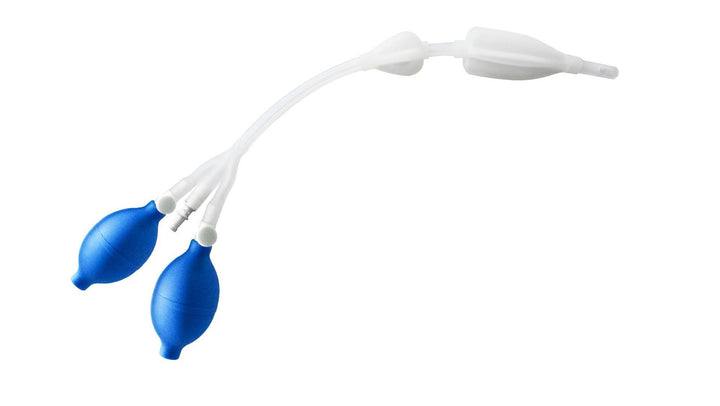
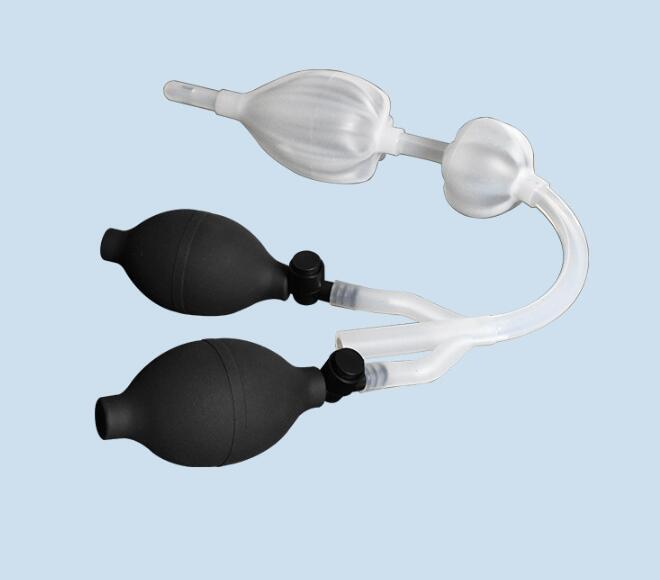





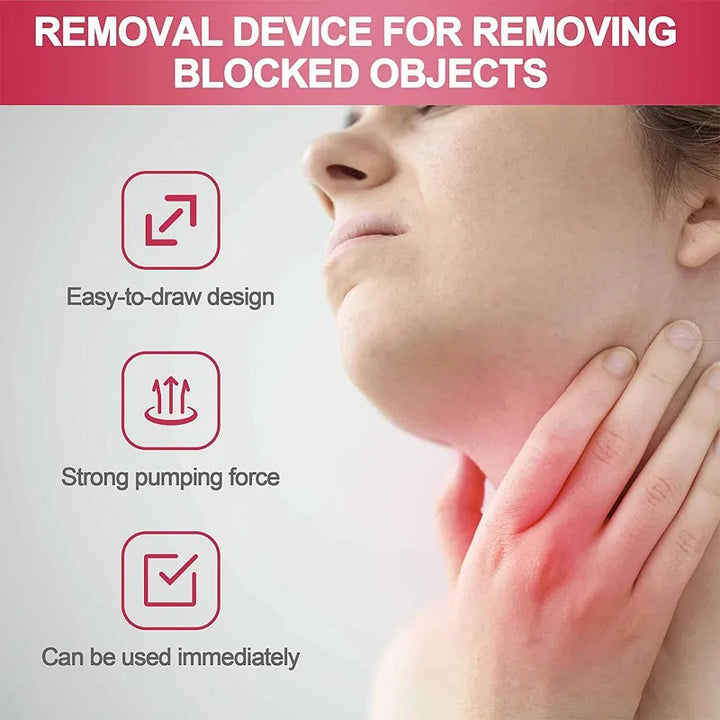
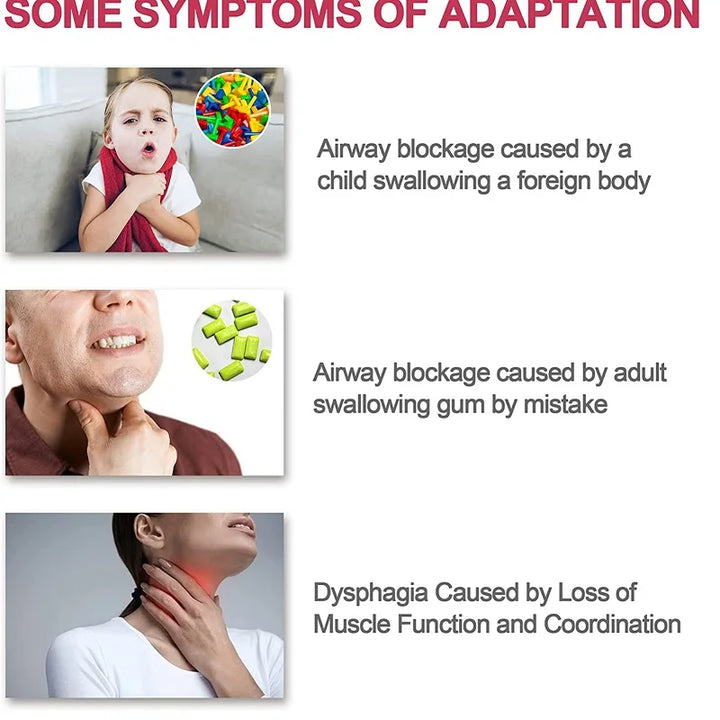



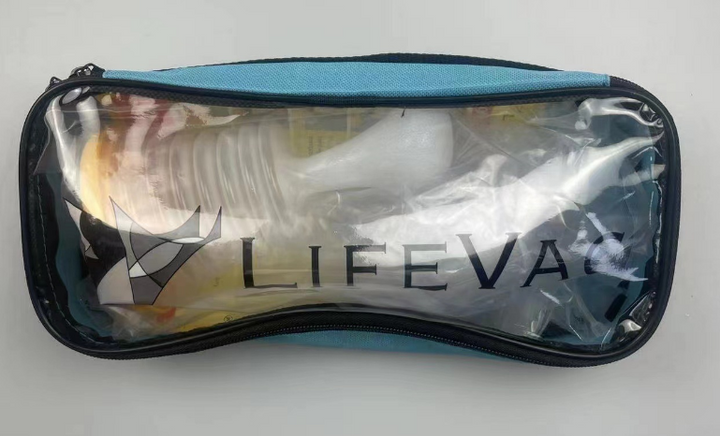
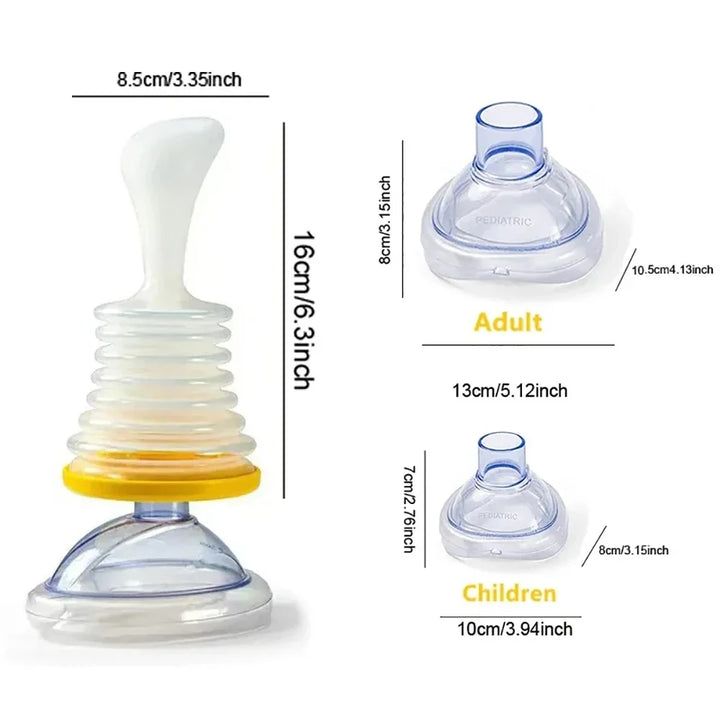


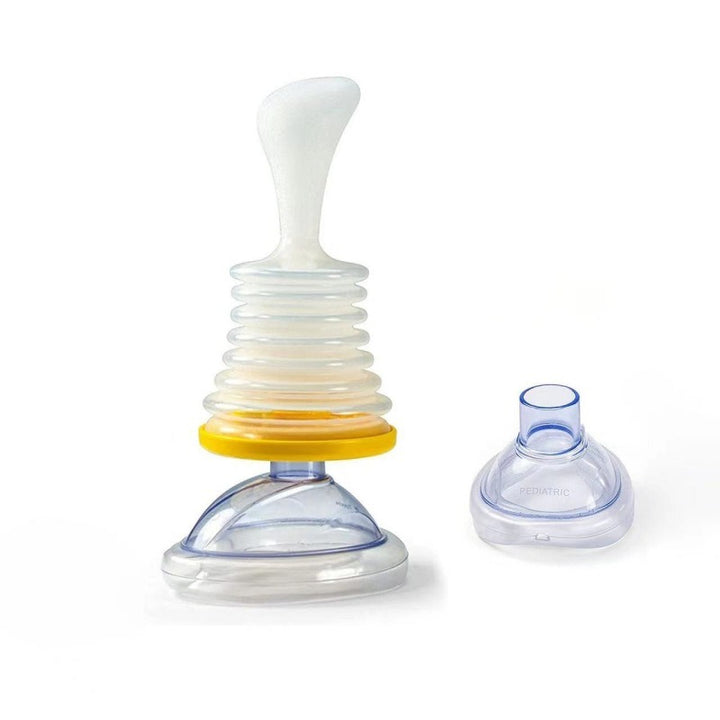



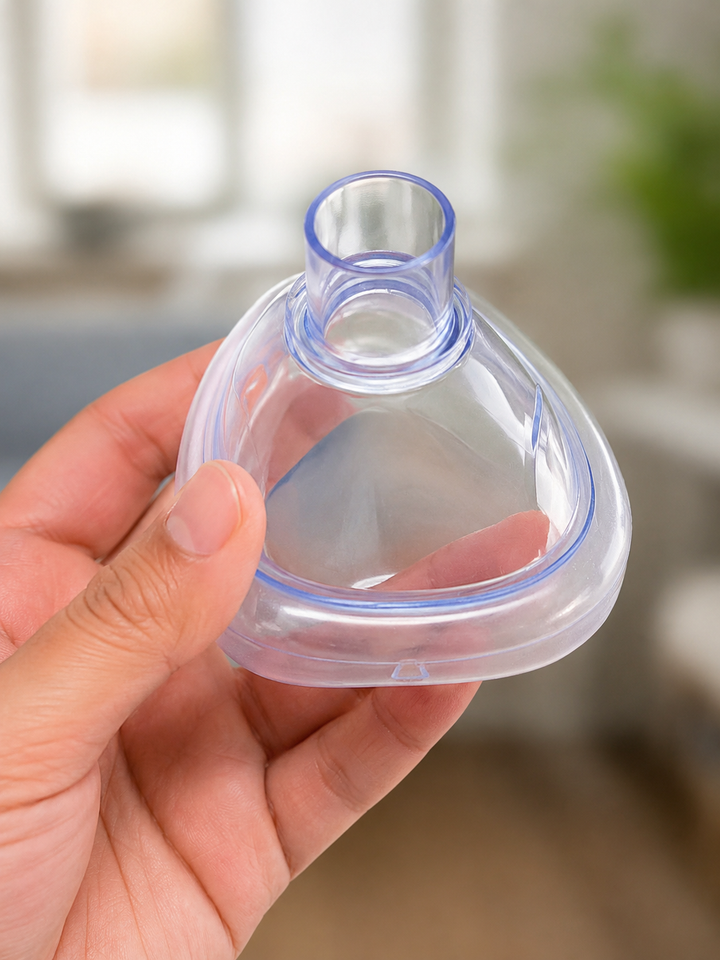
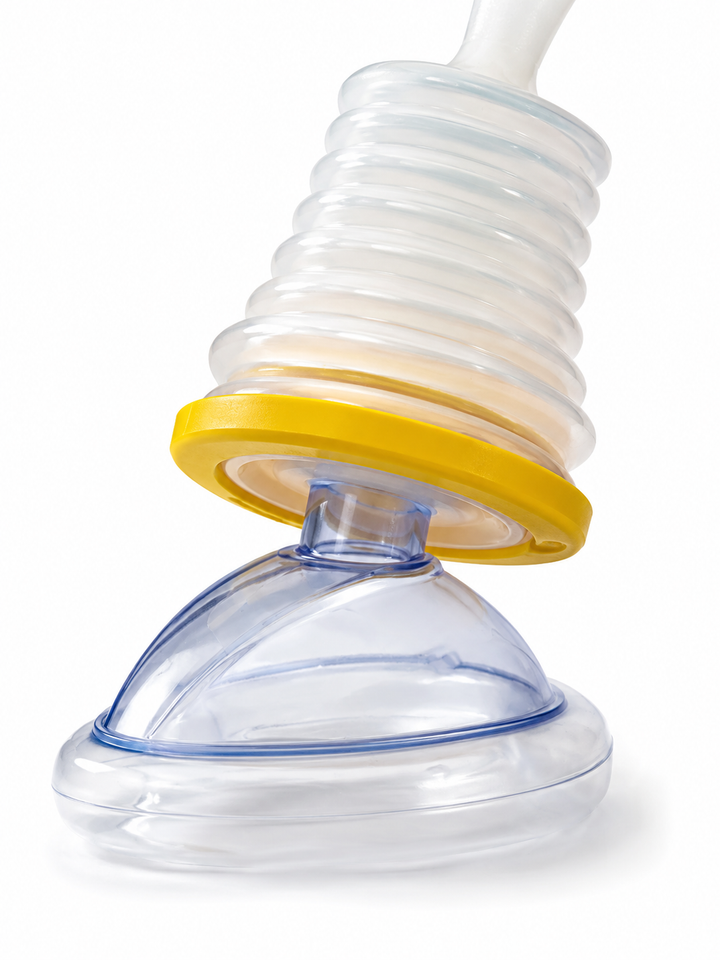
Shop choking rescue devices alongside training equipment designed for first aid preparedness at home, in vehicles, or in care settings. Compare suction-based devices, emergency trainers, mask options, and portability features, while remembering that recognized choking-response steps and emergency services remain essential.
How to choose a choking rescue device
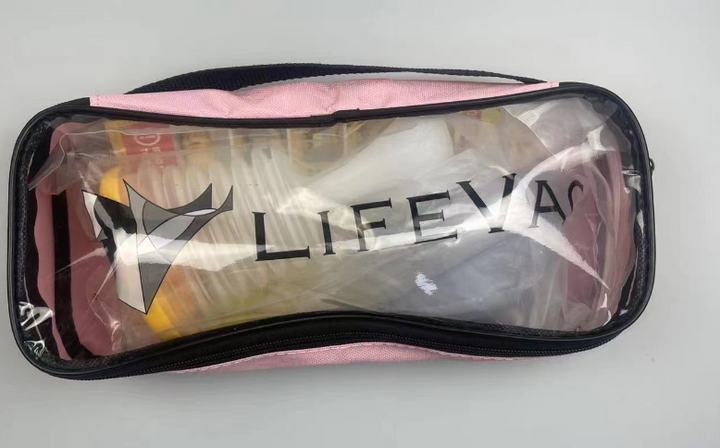
Start with the people and situations the device is intended to support: adults, children, or both. Check the listed age and size guidance, included masks, suction method, storage requirements, and whether replacement parts are available. A portable anti-choking device may suit a travel bag, while a larger kit may be easier to organize in a home first aid area. Review the instructions before purchase so every intended user understands the setup. Look for clear labeling, an accessible carrying case, and components that can be cleaned or replaced according to the manufacturer’s directions. No device should be treated as a substitute for learning age-appropriate choking response techniques or contacting emergency services. The best choking rescue device is one that matches your household, is easy to locate, and can be used as directed under stress.
What types of choking rescue devices are available?
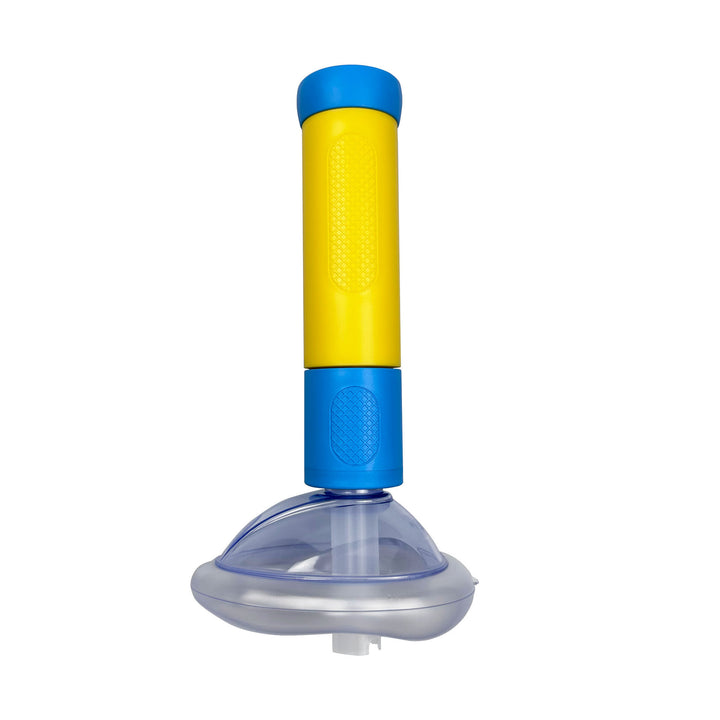
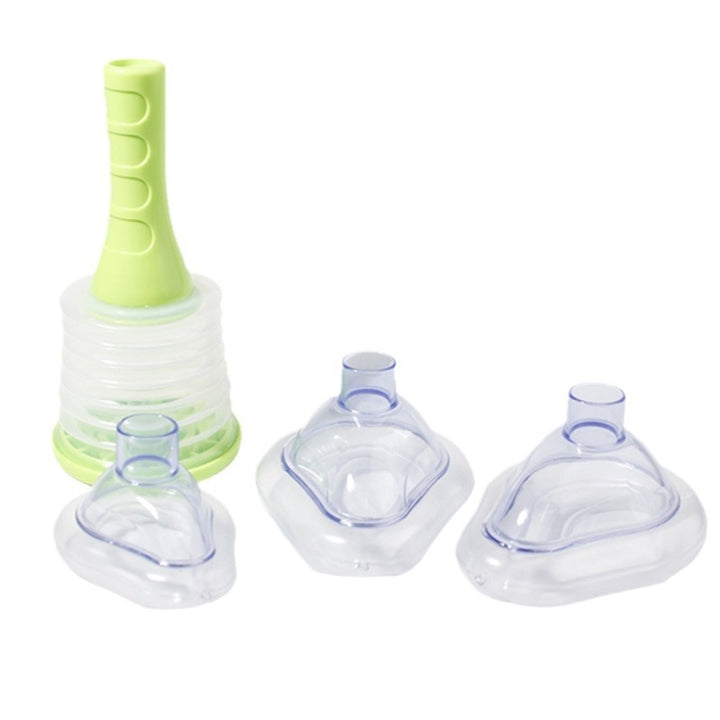
This category includes suction-based choking rescue devices, which are designed to create a seal and use suction according to the product instructions. Some sets include separate adult and pediatric masks, while others focus on a compact design for travel or quick storage. Automatic choking rescue device listings may describe a device with a preassembled or simplified operating process, but shoppers should still read the exact instructions and limitations. A choking emergency trainer is different: it is intended for CPR or response practice rather than emergency airway use. Trainer masks can help users become familiar with positioning and sequence, but they are not a rescue device. Compare each product’s intended purpose carefully, especially when a listing combines training accessories with an airway-clearance device.
What should I look for in an anti-choking device?
Prioritize practical details over dramatic wording. Confirm the device’s stated user range, mask sizes, seal design, operating steps, cleaning instructions, and storage case. For an anti-choking device for babies, check whether the manufacturer specifically lists infant use and supplies an appropriately sized mask; do not assume an adult or general pediatric attachment is suitable for an infant. Look for instructions that are readable in an emergency and components that can be handled without complicated assembly. Product reviews may help you compare packaging, clarity, and ease of storage, but reviews cannot establish that a device will work in every choking event. Also check seller information, return terms, replacement-part availability, and any regulatory statements. Be cautious with listings that promise guaranteed results or use “FDA approved” language without clear, verifiable product details.
How do you use a choking rescue device?
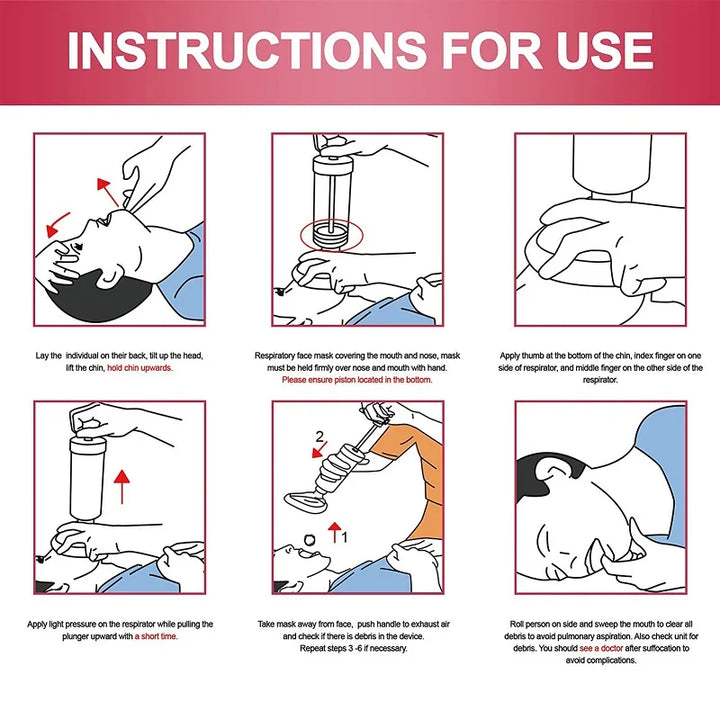
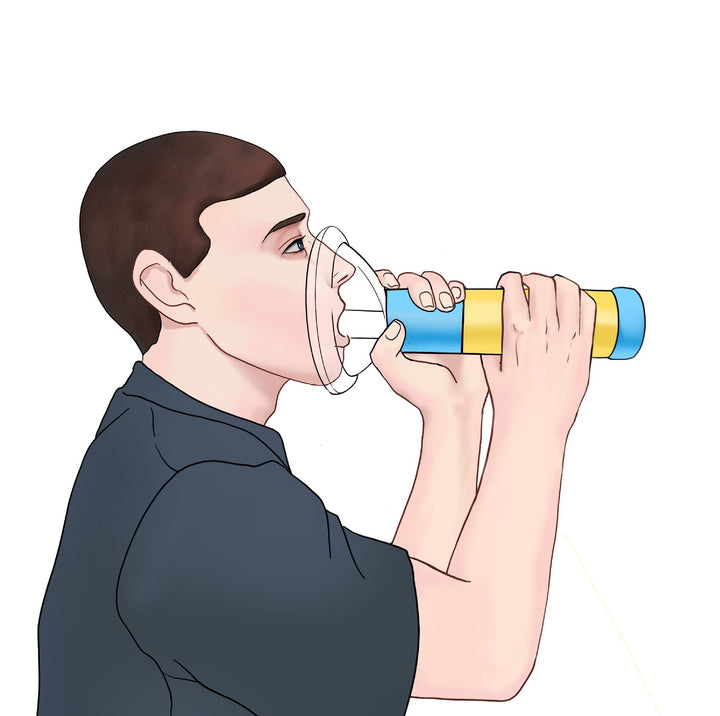
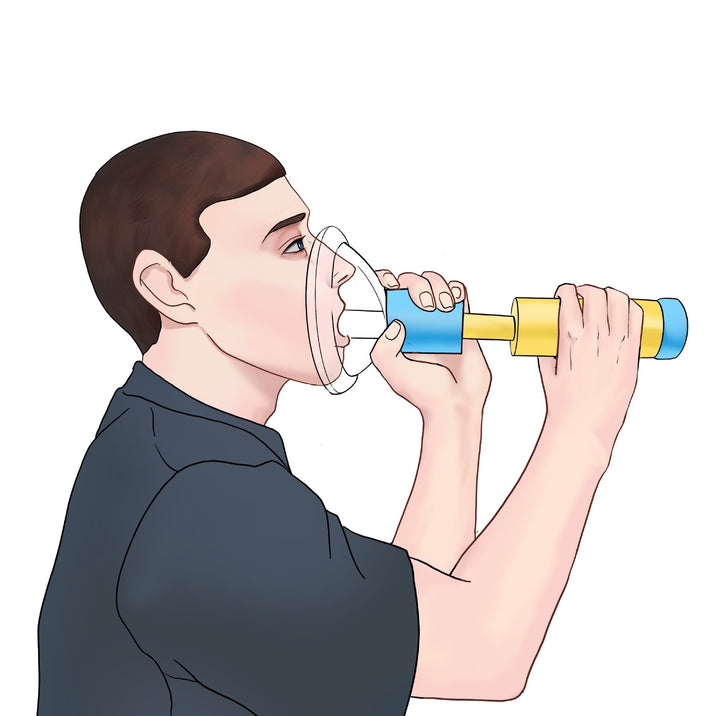
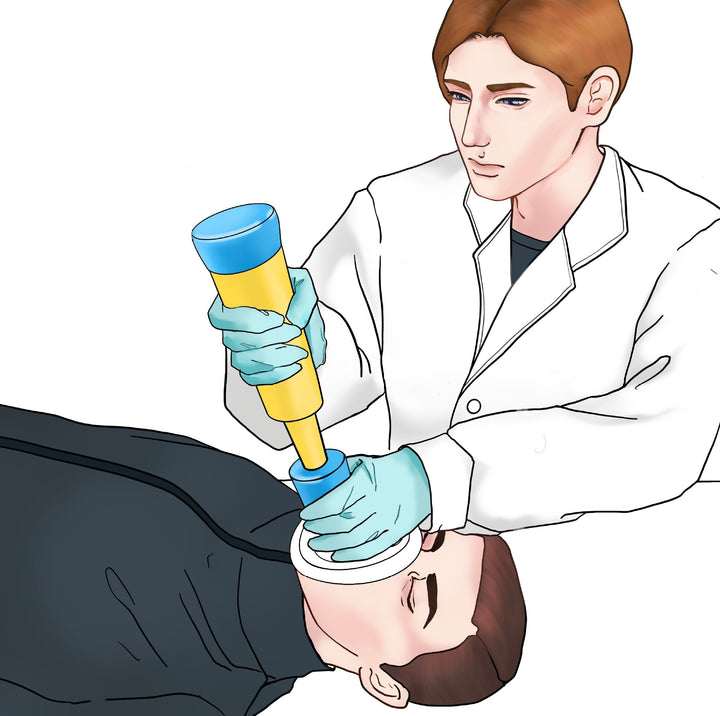
Read the product manual before an emergency and keep it with the device. In a real choking event, assess the person, call emergency services or direct someone else to call, and follow current first-aid guidance from a qualified source. If the device is appropriate for the person and situation, use only the supplied mask or attachment and follow the manufacturer’s sequence for creating a seal, operating the device, and checking the result. Do not improvise with household objects, force a mask that does not fit, or continue using a damaged component. A trainer can help adults practice positioning and familiarization, but practice equipment should not be used as an emergency device. After any event, seek appropriate medical evaluation and replace single-use or compromised parts as directed.
What are common mistakes when buying a choking rescue device?
A common mistake is buying by headline claims instead of checking the intended age range, included attachments, and instructions. Another is choosing a device for adults and assuming it is suitable for infants or children. Shoppers may also confuse a CPR practice trainer with an airway-clearance product, overlook the need for replacement masks or seals, or store the device somewhere difficult to reach. Searching for choking rescue device reviews can reveal useful packaging and usability observations, but a small number of positive stories does not prove universal performance. Avoid relying on a device without learning standard choking-response steps, and do not delay emergency help while searching for it. Finally, inspect the kit periodically for missing, expired, cracked, or damaged components and keep the manual available to every adult who may need to respond.
Who should consider a choking rescue device?
A household with infants, children, older adults, or anyone who may face an increased choking concern may consider keeping an appropriately sized device with its first aid supplies. It can also be useful for travel, vehicles, childcare settings, hospitality areas, and workplaces when the product’s intended users and storage conditions fit the setting. Caregivers should choose equipment they can identify quickly and understand how to operate. A trainer may suit parents, babysitters, teachers, and workplace teams who want to rehearse response steps without using a rescue device. These products are preparedness tools, not guarantees, and they do not replace supervision, age-appropriate food preparation, first-aid education, or emergency services. Before buying, confirm whether the kit covers the ages in your care and whether everyone responsible for using it can access the instructions.
Frequently asked questions
What's the best choking rescue device?
There is no single best option for every household. Compare the intended age range, mask sizes, instructions, portability, replacement parts, and storage case, then choose a product that matches the people you care for. Keep standard choking-response training and emergency contact procedures in place as well.
Do any anti-choking devices really work?
Performance can depend on the device, fit, situation, and correct use, so no product should be treated as guaranteed. Review the manufacturer’s instructions and limitations, use only the correct attachment, and do not delay recognized first-aid steps or emergency help while trying to locate or operate a device.
What is the controversy with suction-based choking devices?
Discussion commonly centers on the strength and limits of evidence, marketing language, user reports, and whether a device could delay established choking-response actions. When comparing products, look for clear instructions and verifiable product information rather than relying only on testimonials or dramatic claims.
What is the best choking rescue device for adults?
For adults, compare products that specifically list adult use and include a mask or attachment designed for that purpose. Prioritize a clear operating sequence, secure storage, and easy access, while ensuring users also know current adult choking-response guidance and how to contact emergency services.
Have choking rescue devices saved anyone?
Individual success stories may appear in product reviews or manufacturer materials, but they do not establish how a device will perform in every event. Treat testimonials as anecdotal, review the product’s instructions and limitations, and rely on trained emergency response rather than assuming a device will produce a particular result.
What are the risks of using a choking rescue device?
Possible concerns include an incorrect mask fit, misuse, damaged or missing parts, skin or tissue irritation, and delaying established first-aid actions or emergency assistance. Follow the manual, never improvise attachments, stop if the device is damaged or unsuitable, and seek appropriate medical care after a choking incident.