
$47.90
Free delivery · 7–14 days
Choking Suction Device — Instant Emergency Airway Clearance


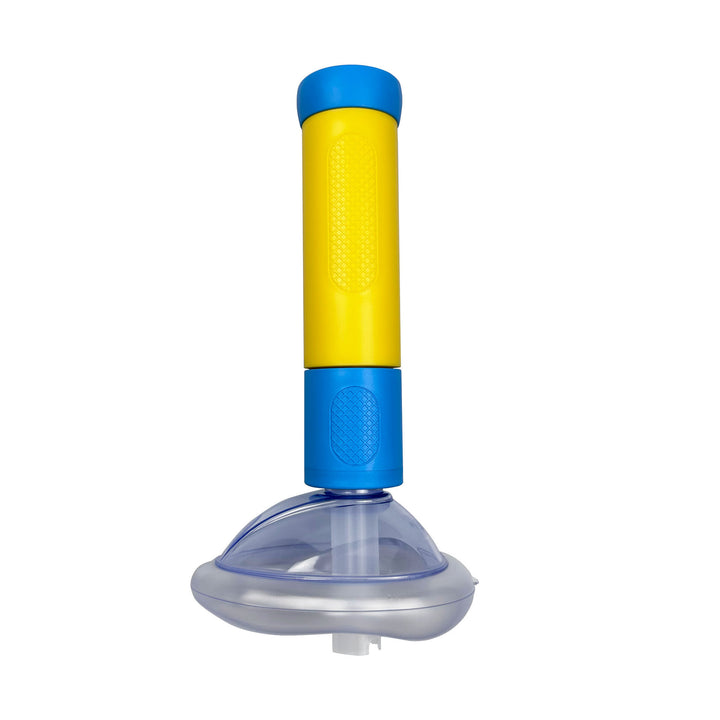


Anti-choking rescue devices are designed for emergency airway-clearance support when a person is choking and standard first-aid actions have not resolved the obstruction. This guide explains how to compare suction-based devices for adults and children, what to keep ready, and how these products differ from wearable medical alert devices or fall detection systems.
Start by checking the intended age range, fit, and operating instructions for each device. Products in this category use a face mask or sealing interface with suction, so the correct size and a clear seal matter. Choose a compact option that can be stored where adults can reach it quickly, such as a kitchen cabinet, first-aid area, or travel bag. Review whether the package includes masks or components for both adults and children, and confirm how replacement parts are obtained. An anti-choking device is not a substitute for calling emergency services or learning established choking first aid. If you are also comparing emergency devices for seniors, remember that a suction device addresses choking emergencies, while medical alert systems, life alert devices, and wearable medical alert devices are designed to contact help.
The products here are suction-based choking rescue devices, including complete kits, portable designs, and models described as strong or instant airway-clearance options. The main differences to compare are included mask sizes, portability, packaging, instructions, and whether the device is intended for adults, children, or both. A complete kit may be convenient for a household that wants one product ready for more than one person. A compact model may suit travel, work, or a vehicle emergency kit. These products should not be confused with fall detection wearable devices, emergency call buttons, or medical alert systems for seniors with fall detection. Those systems can help summon assistance after a fall or other emergency, but they do not perform the same physical function as an anti-choking rescue device.
Look for clear, step-by-step instructions, an easy-to-identify mask, sturdy construction, and storage that keeps all parts together. If a household includes children, check the child-size components and the manufacturer's age or size guidance rather than assuming an adult mask will fit. Consider whether the device can be opened and recognized quickly under stress. Product pages should make the contents clear, including masks, pump or suction components, carrying cases, and any disposable parts. Also check cleaning, storage, and replacement guidance before buying. Keep emergency contact information and local emergency-service details nearby. A fall detection device that calls family, a wearable medical alert device, or a phone can support communication, but none replaces immediate action and a call to emergency services during a choking emergency.
Read the product instructions before an emergency so household members know where the device is stored and how its components fit together. If someone is choking, assess the situation, encourage them to cough when appropriate, and follow current first-aid guidance for the person's age and condition. Call emergency services immediately when the situation is severe, the person cannot breathe or speak, or first-aid measures are unsuccessful. Use the suction device only as directed, with the correct mask and positioning, and stop if the person becomes responsive or normal breathing returns. After use, seek appropriate medical evaluation and replace any used or damaged components. Training from a recognized first-aid provider can help users understand choking response; product instructions should not be treated as a complete training course.
A common mistake is buying a device without checking whether it includes the right mask size for every intended user. Another is storing it in a sealed box, distant room, or hard-to-find drawer where it cannot be reached quickly. Do not assume that a product marketed as an emergency device can call 911, contact family, detect a fall, or replace first aid. Those features belong to some medical alert systems, including options marketed as medical alert systems for seniors with no monthly fee, while suction devices are manual airway-clearance tools. Avoid choosing based only on phrases such as strong suction; compare instructions, included parts, sizing, portability, and upkeep. Finally, do not buy unrelated supplements or general wellness products for a choking emergency kit.
These devices may suit households, caregivers, workplaces, restaurants, schools, vehicles, and travel kits where a choking emergency could occur. Choose an adult-and-child option when multiple age groups may need assistance, and verify the recommended fit before storing it. Caregivers may also consider a separate communication system for older adults who live alone, such as a medical alert device or a fall detection wearable device that can contact a selected person or emergency service. That is a different purchase from an anti-choking device and may involve activation, cellular coverage, subscription fees, or a response center. Keep both products accessible if they serve different needs. Before relying on any emergency equipment, make sure intended users know its purpose, location, limitations, and the need to contact emergency services.
The best choice depends on the emergency you want to prepare for. An anti-choking rescue device is intended for choking response, while a medical alert device may provide a button, two-way communication, or optional fall detection. Compare the person's needs, living situation, device fit, coverage, setup, and any ongoing fees.
Free or discounted medical alert devices may be available through local aging agencies, nonprofit programs, insurers, community organizations, or limited-time provider offers. Eligibility and fees vary, so contact the relevant program and ask about equipment, activation, monitoring, replacement, and cancellation costs. A free medical alert device is separate from a choking rescue device.
Some smartwatches and wearable medical alert devices offer fall detection with an emergency-call feature, but capabilities vary by model, phone connection, cellular plan, location, and settings. Fall detection may not identify every fall, so users should still know how to place a call manually. Check the product specifications and service terms before relying on the feature.
You can compare medical alert devices through dedicated alert-service providers, retailers, pharmacies, and some community programs. Review whether the device contacts a response center, family members, or emergency services, and check monthly monitoring, activation, cellular coverage, and return terms. These communication devices do not clear an obstructed airway.
Coverage for a branded or generic medical alert service depends on the specific Medicare plan and benefit rules. Original Medicare does not generally cover every personal emergency response service, while some Medicare Advantage plans may offer limited benefits. Ask the plan directly about eligibility, approved suppliers, monitoring fees, and equipment costs.
Large retailers may sell medical alert devices or similar emergency call products, but availability, brands, and service terms change. Check the retailer's current online and in-store listings, then compare monitoring, cellular connection, fall detection, and cancellation requirements. A retail medical alert system is different from the anti-choking suction devices in this category.