Choking Suction Devices & Anti-Choking Rescue Tools
6 items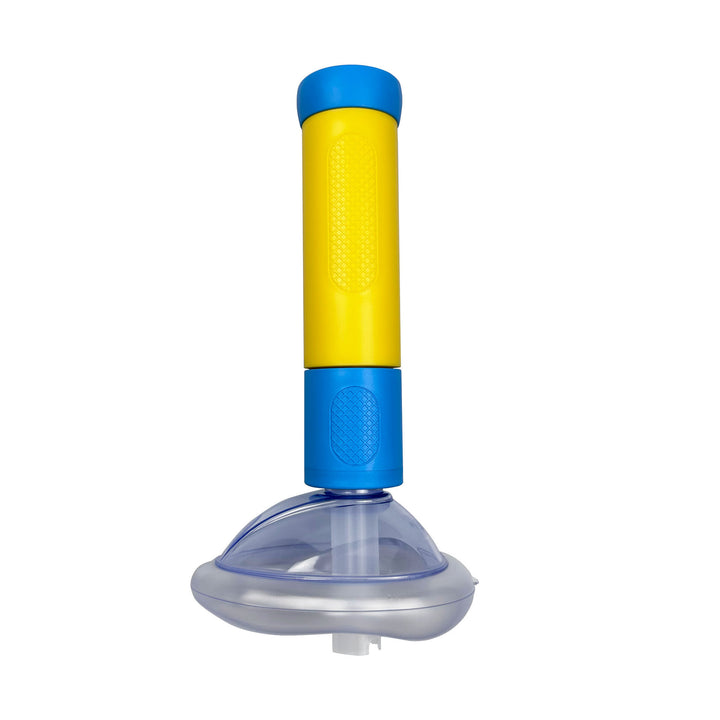
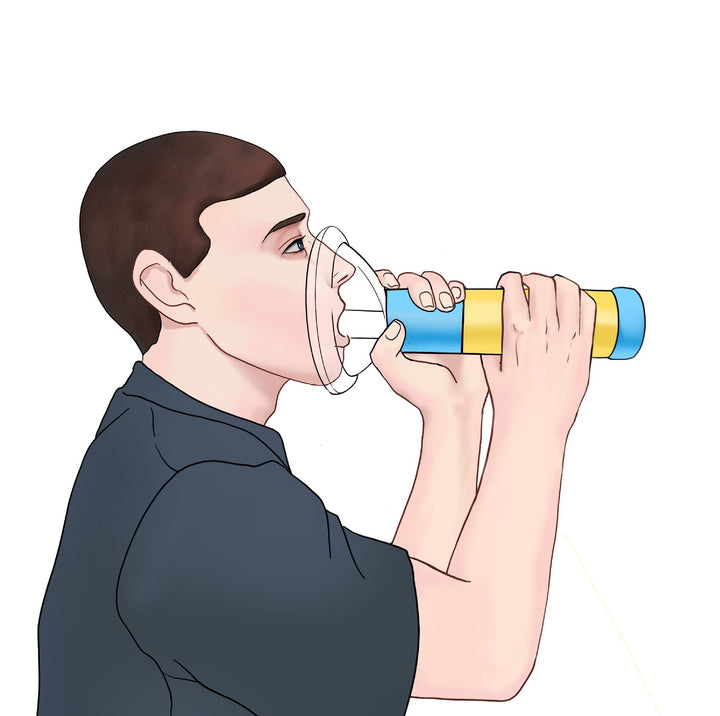
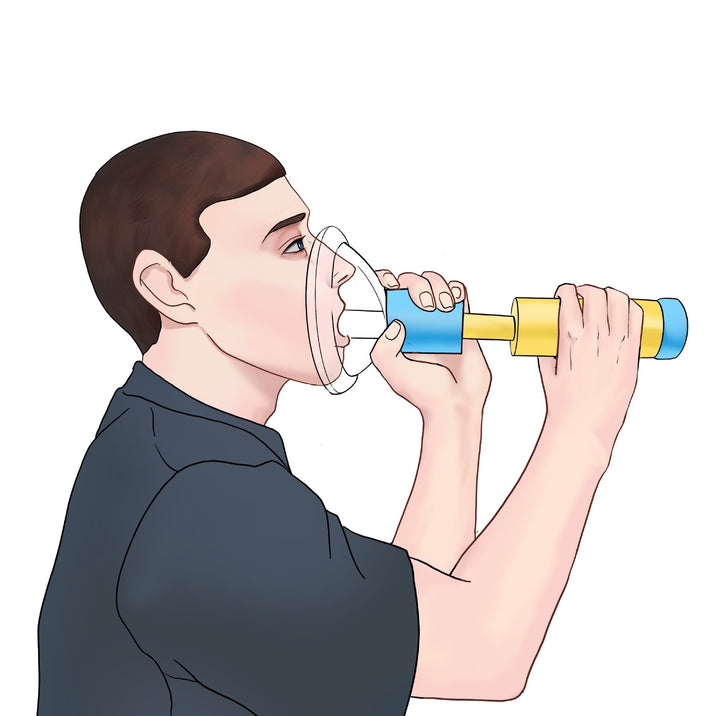
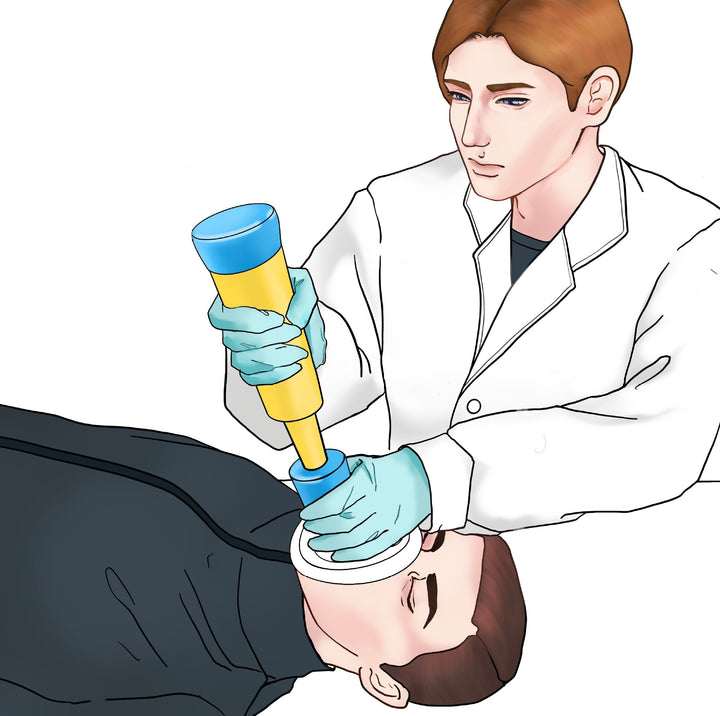

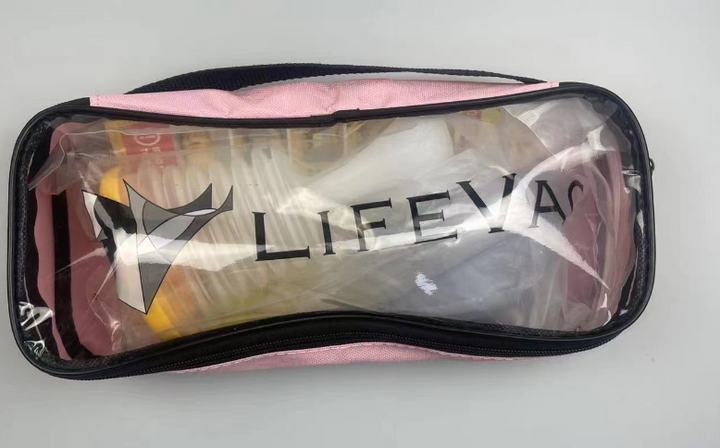
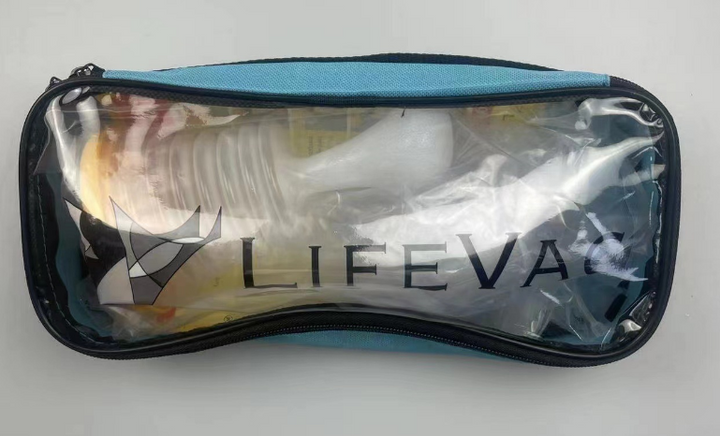
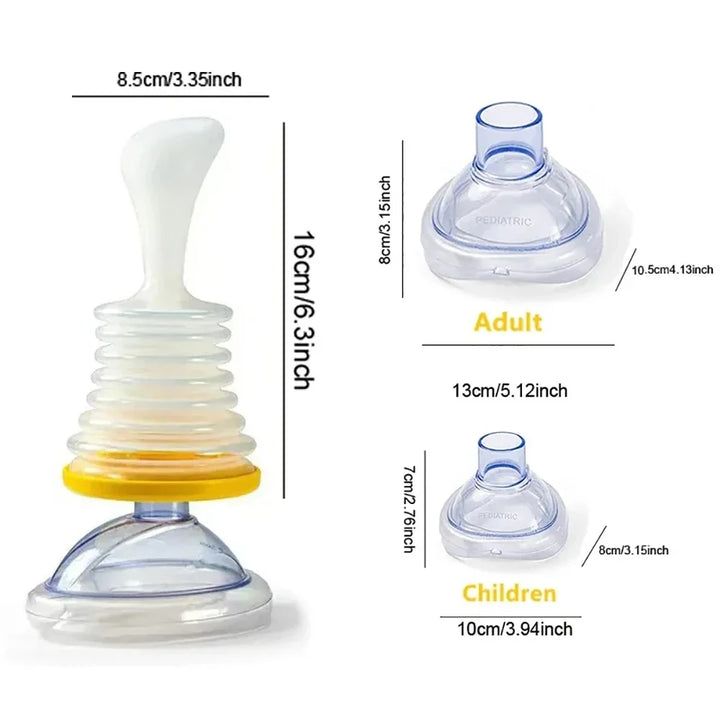


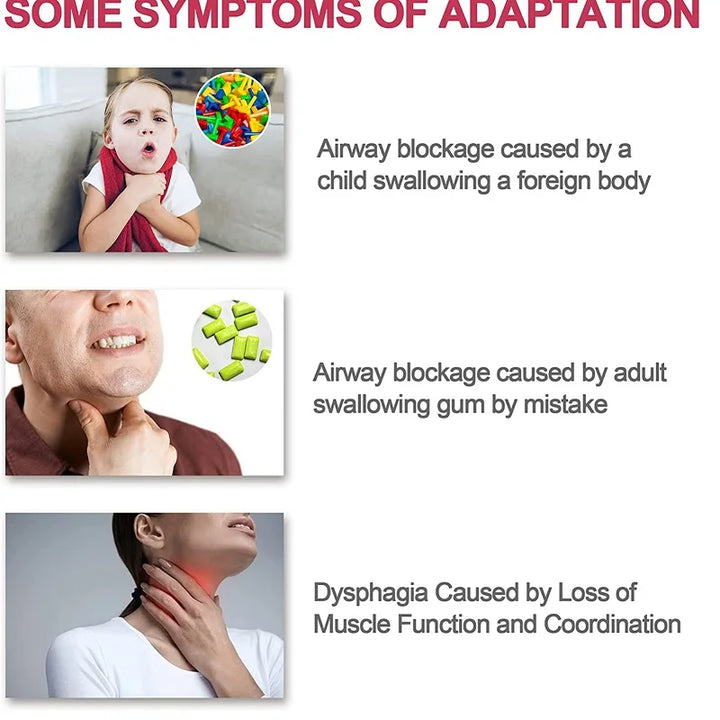





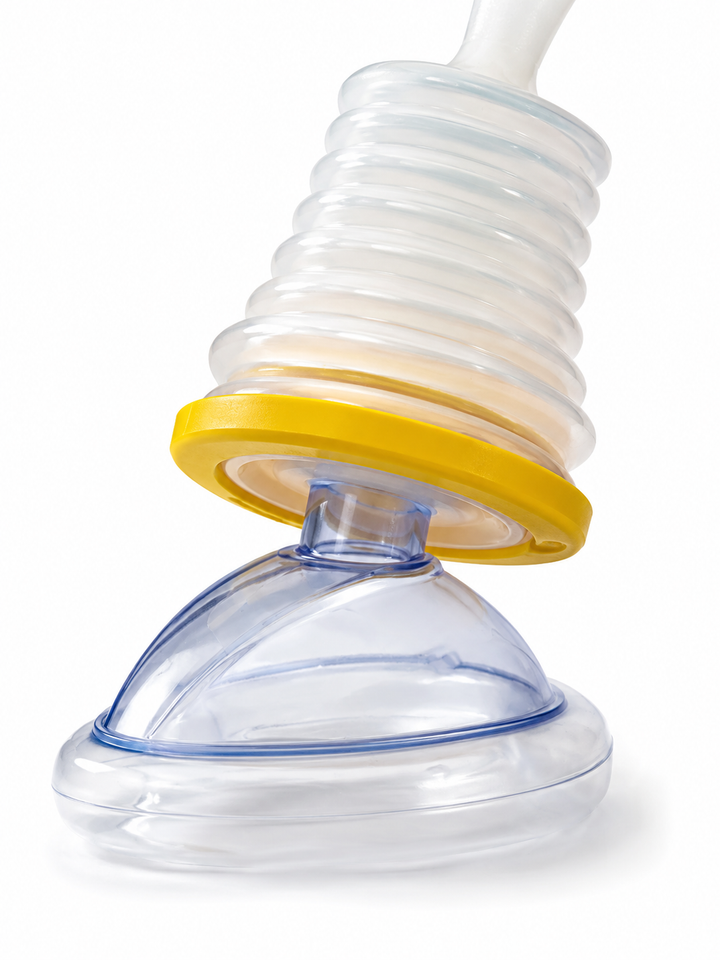
Choking suction devices and anti-choking rescue tools are designed for emergency airway-clearance situations, not for treating respiratory diseases or ongoing breathing conditions. This guide explains how to compare suction strength, mask options, portability, instructions, and intended users before choosing an emergency aid.
How to choose a choking suction device
Start by considering who may need the device and where it will be stored. If it is intended for a household, choose a model with clear instructions, a comfortable mask size, and components that can be checked quickly. For travel, a compact portable design may be easier to keep in a vehicle, bag, or care setting. Compare the listed mask options, suction mechanism, replacement parts, and storage case rather than focusing only on appearance. Look for products described for emergency airway clearance and review the manufacturer’s directions before purchase. These tools are not substitutes for calling emergency services or learning established choking-response techniques. They are also not respiratory aids for asthma, infection, lung disease, or other ongoing breathing problems.
What types of anti-choking tools are available?
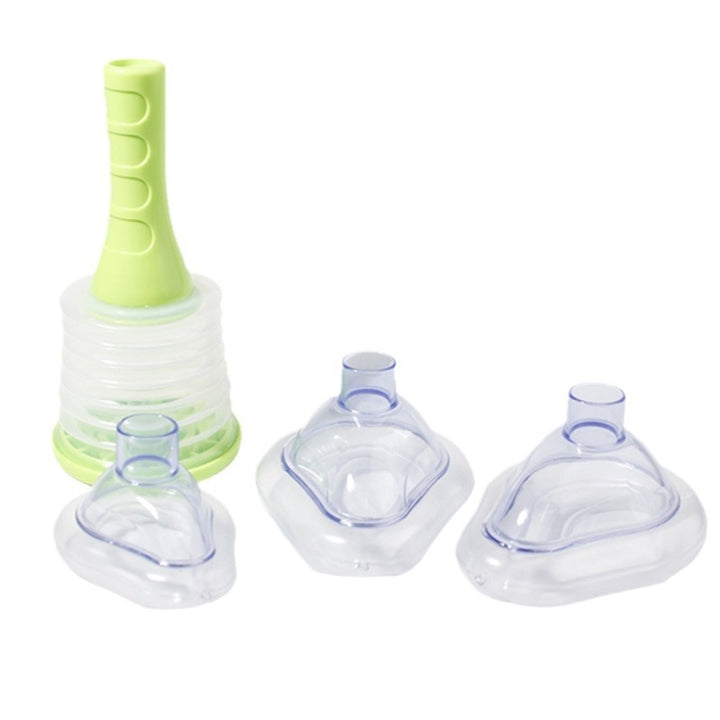
This category generally includes manual suction devices, compact emergency kits, and sets supplied with more than one mask. Manual suction models use a handheld device and a face mask to create suction during an airway emergency. Kit-style products may include storage accessories or different mask sizes for adults and children, depending on the listing. Some products are marketed as portable rescue devices, while others are positioned for home or shared-care environments. Compare what is actually included: device body, masks, carrying case, instructions, and any disposable or replacement components. Do not assume that a respiratory trainer, breathing exerciser, or general respiratory aid performs the same function as a choking suction device. Read the intended-use information carefully.
What should I look for in an emergency choking device?
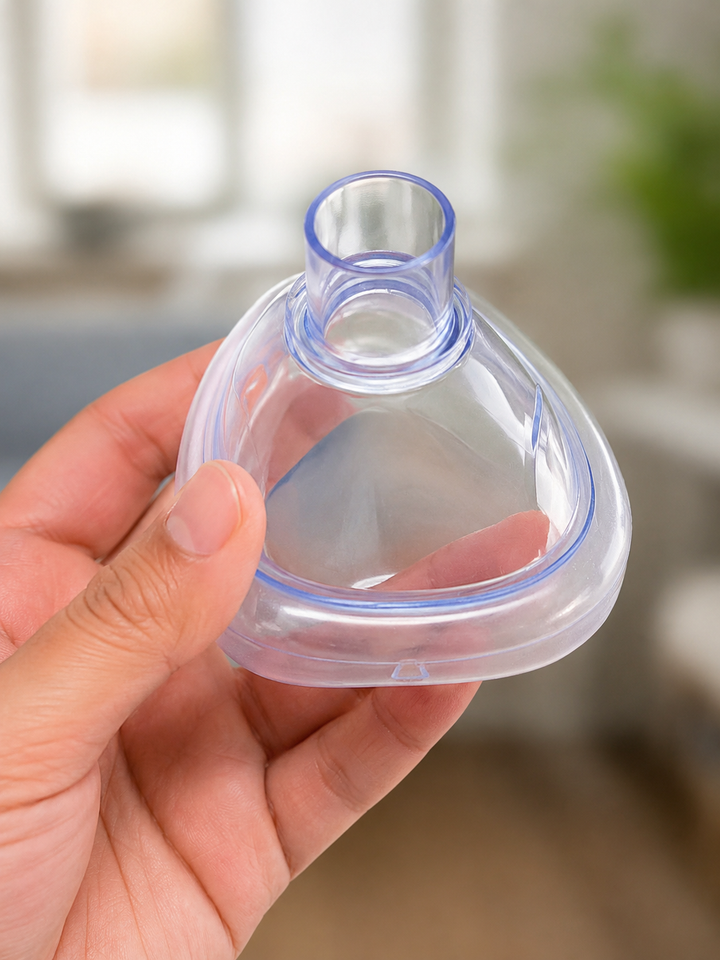
Prioritize straightforward operation, visible instructions, and a mask that can form an appropriate seal for the intended user. Check whether the product includes separate adult and child masks, how the parts are cleaned or replaced, and whether replacement supplies are readily available. A compact design can help with storage, but the device should still be easy to locate and open quickly. Product descriptions may use terms such as strong suction, instant airway clearance, or emergency rescue; treat these as feature descriptions and confirm the instructions, limitations, and included accessories. Avoid choosing a product because it appears suitable for breathing problems or lung problems. A choking device is intended for a specific emergency scenario and should be stored with, not instead of, emergency contact information.
How do you use a choking suction device?
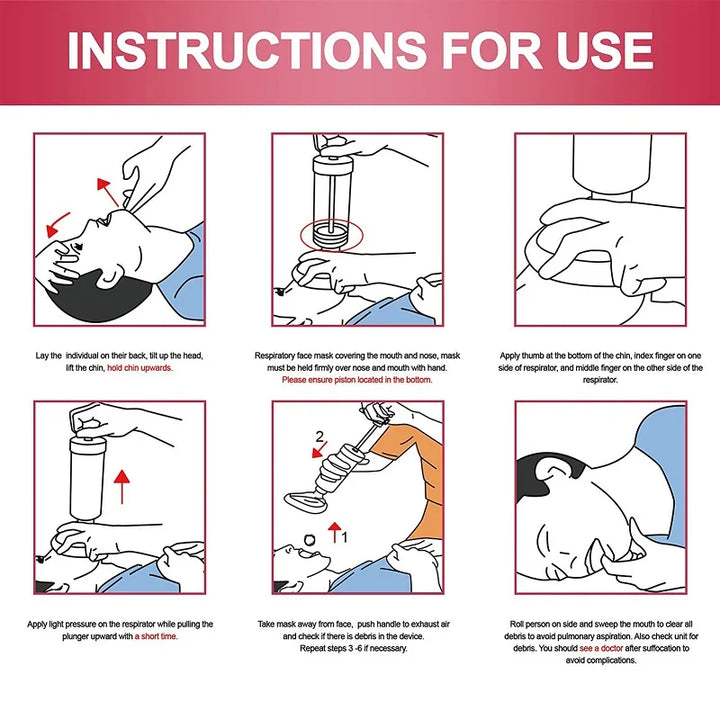
Read the product instructions before an emergency and keep them with the device. In a suspected choking emergency, assess the situation, contact local emergency services, and follow recognized first-aid guidance for the person’s age and condition. Use the suction device only as directed by its manufacturer, including the correct mask, placement, and operating steps. Do not improvise with unapproved attachments or use the device as a treatment for shortness of breath, respiratory failure, asthma symptoms, or other medical conditions. After use, follow the cleaning, disposal, and replacement instructions and seek professional medical evaluation as appropriate. Training from a qualified first-aid provider can help users understand when conventional choking responses and emergency escalation are required.
What are common mistakes when buying or using one?
A common buying mistake is assuming that every model fits every age or body size. Check mask sizing and the intended user before ordering. Another is overlooking replacement parts, cleaning requirements, or expiration information for disposable components. During an emergency, users may delay calling for help, skip established first-aid steps, or use the device for a condition it was not designed to address. Do not treat a suction tool as the best medicine for breathing problems or lung problems; it contains no medicine and is not a respiratory-disease treatment. Store it where adults can reach it, inspect the contents periodically, and make sure household members know where the instructions are kept.
Who are choking suction devices suitable for?
These devices may suit households, caregivers, travelers, workplaces, and other settings where an emergency airway-clearance tool is desired. Select a model based on the people likely to use it, including whether adult and child masks are supplied and whether the device can be stored accessibly. Caregivers should review the instructions with other responsible adults and consider guidance from a qualified first-aid professional. A choking suction device is not intended to diagnose or treat the ten diseases of the respiratory system, respiratory infections, chronic lung conditions, or respiratory failure. People with ongoing breathing symptoms should seek advice from a qualified healthcare professional. For a choking emergency, call emergency services and follow local first-aid guidance while using the product only as directed.
Frequently asked questions
What are the 10 diseases of the respiratory system?
There is no single universal list of exactly ten respiratory diseases. Examples include asthma, chronic obstructive pulmonary disease, pneumonia, bronchitis, tuberculosis, influenza, lung cancer, pulmonary fibrosis, sleep apnea, and emphysema. A choking suction device does not diagnose or treat these conditions; consult a healthcare professional for symptoms or concerns.
What are some home remedies for respiratory problems?
The appropriate response depends on the cause and severity of the problem. Rest, fluids, avoiding smoke, and following an existing clinician-provided care plan may be reasonable for some minor symptoms, but home care is not appropriate for severe or worsening breathing difficulty. A choking suction device is for a choking emergency, not general respiratory symptoms; seek urgent help when breathing is seriously impaired.
What is the best medicine for breathing problems?
There is no single best medicine because breathing problems can have many causes, including infection, allergies, asthma, heart conditions, or airway obstruction. Do not start, stop, or share medication without advice from a qualified healthcare professional. If breathing difficulty is sudden or severe, contact emergency services rather than relying on a medicine or suction device.
What are some common drugs used to treat respiratory failure?
Respiratory failure is a medical emergency, and treatment depends on its cause and the person’s condition. Clinicians may use different medicines or supportive treatments in a monitored setting, but medication choices cannot be safely determined from a general shopping question. A choking suction device is not a treatment for respiratory failure; seek emergency medical care immediately.
What treats respiratory failure?
Respiratory failure requires urgent professional assessment and may involve oxygen or other breathing support, treatment of the underlying cause, and close monitoring. The appropriate treatment varies by situation and cannot be replaced by home remedies, over-the-counter medicine, or a choking rescue tool. Call local emergency services for suspected respiratory failure.
What is the best medicine for lung problems?
The right treatment depends on the specific lung problem, its cause, medical history, and prescribed care plan. A healthcare professional may recommend medication, testing, or other treatment after evaluation. Choking suction devices do not treat lung disease, infection, or ongoing breathing symptoms; seek medical advice for persistent or concerning problems.