First Aid Kits & Anti-Choking Rescue Devices for Home9 items
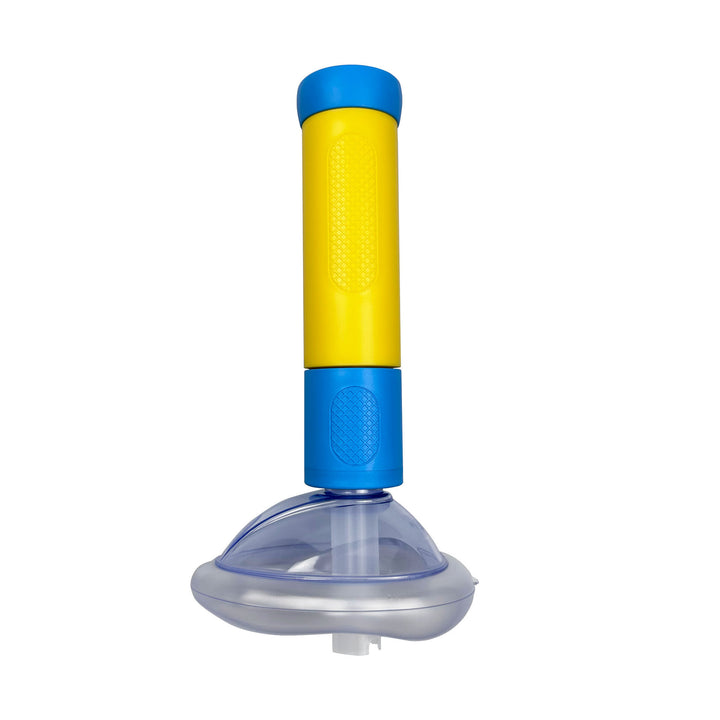
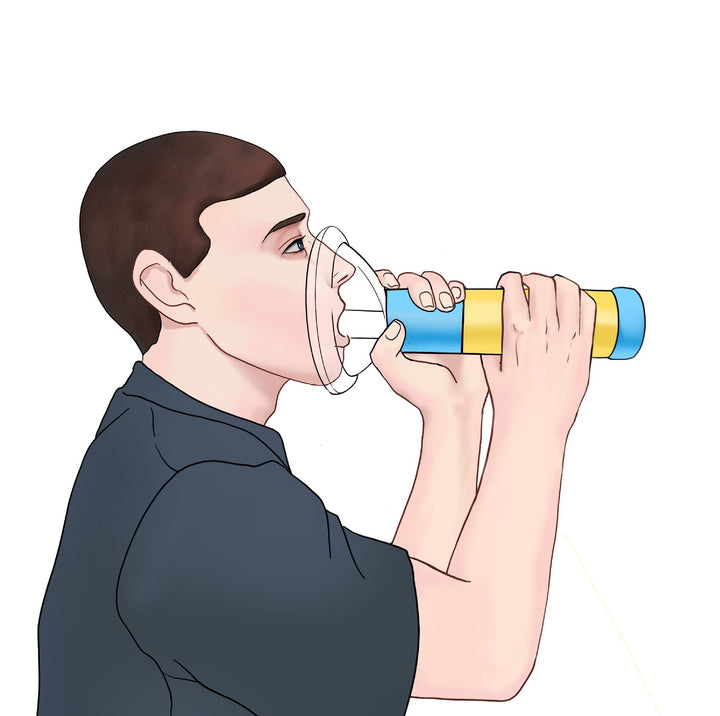
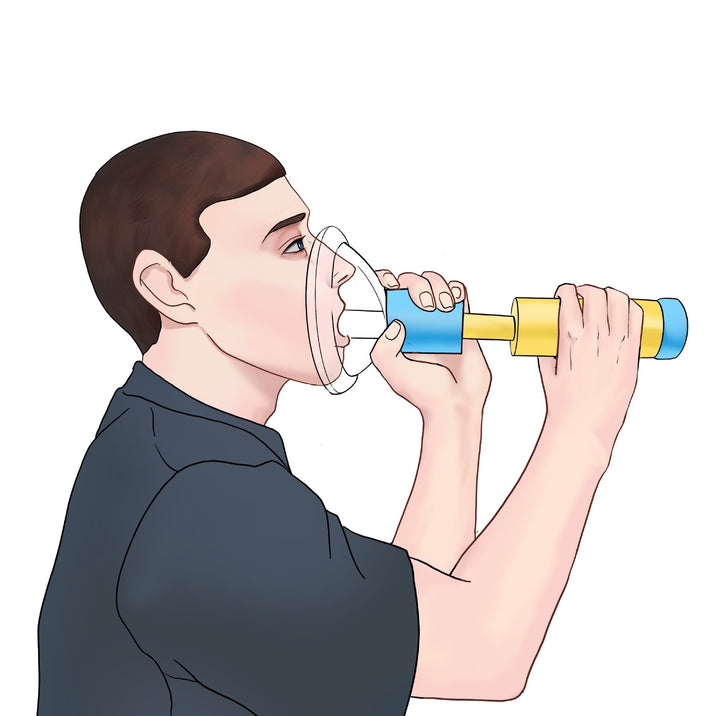
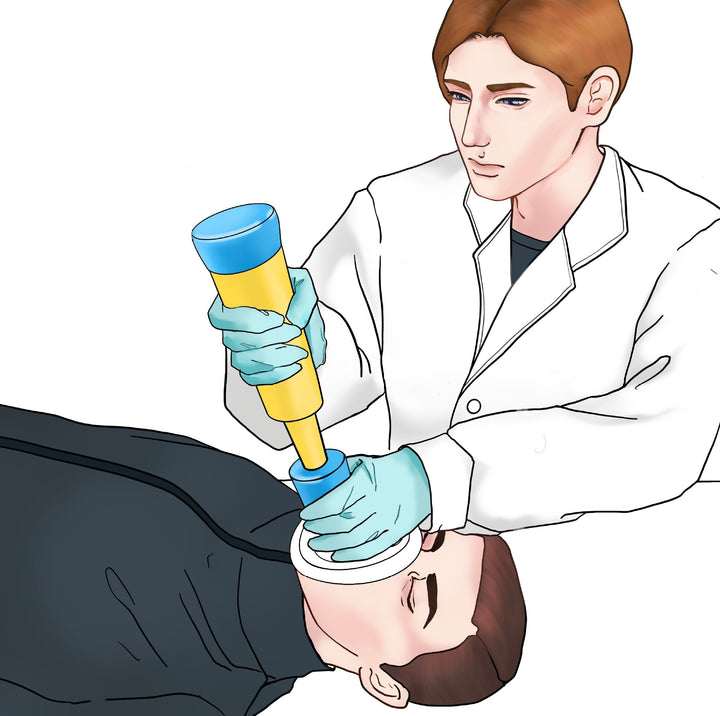

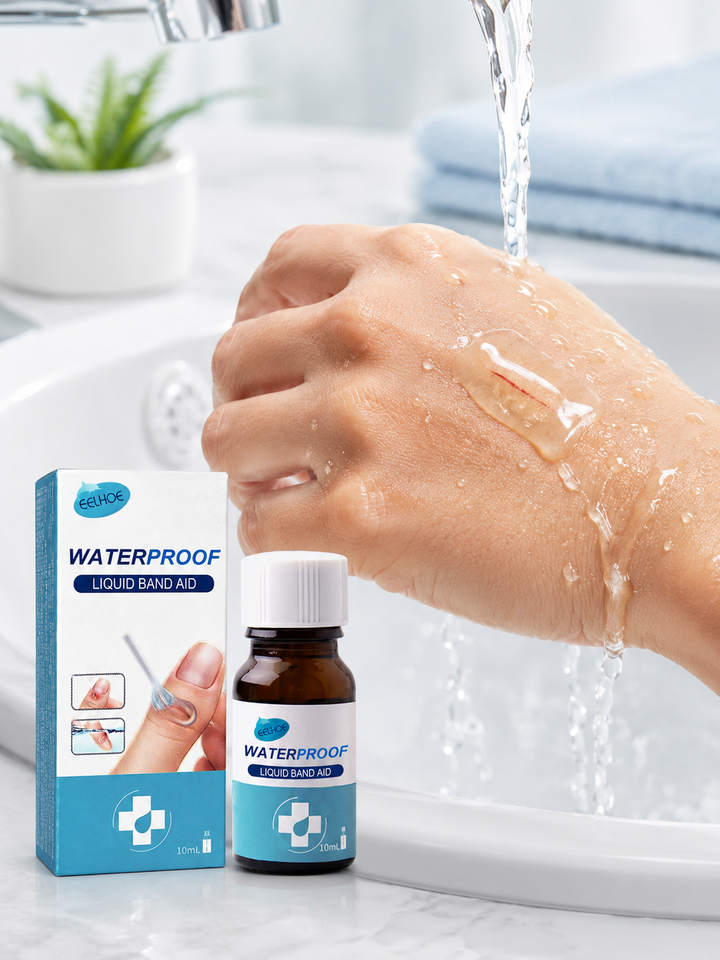
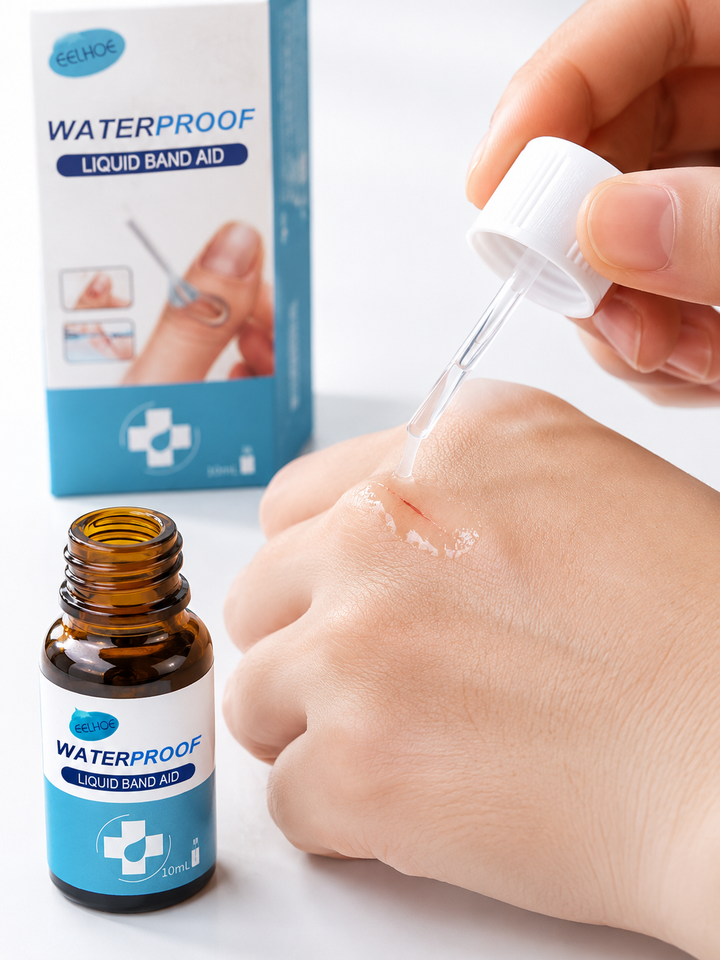
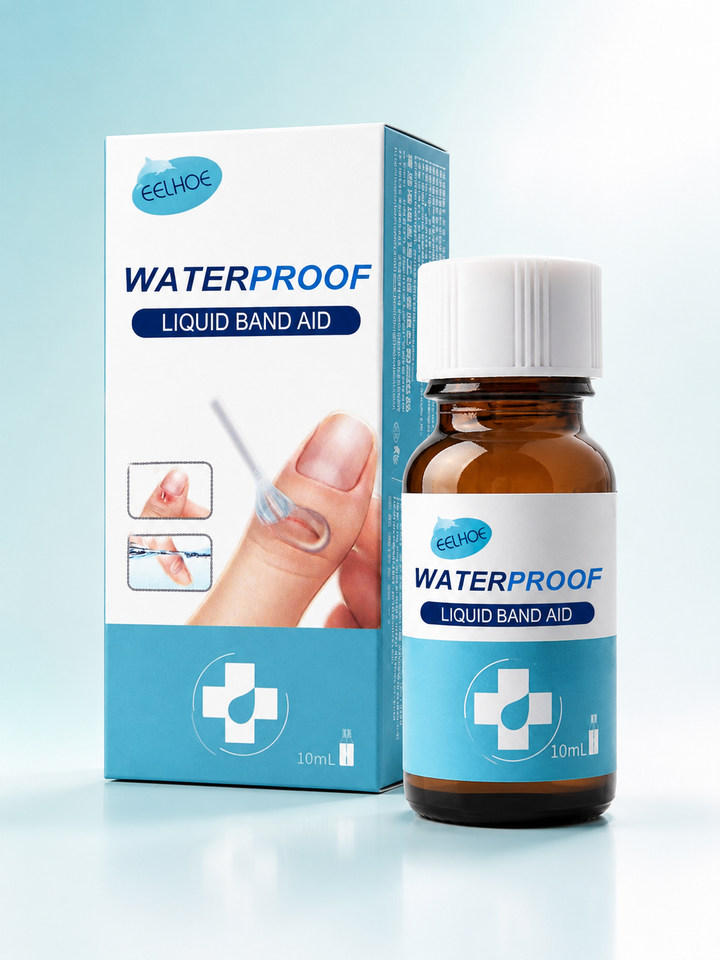













Build a practical home first aid setup with supplies for minor cuts, blisters, bites, skin irritation and choking emergencies. This guide compares the products in the category and explains what to check before buying, how to store items and when to seek professional help.
How to choose a first aid kit for home
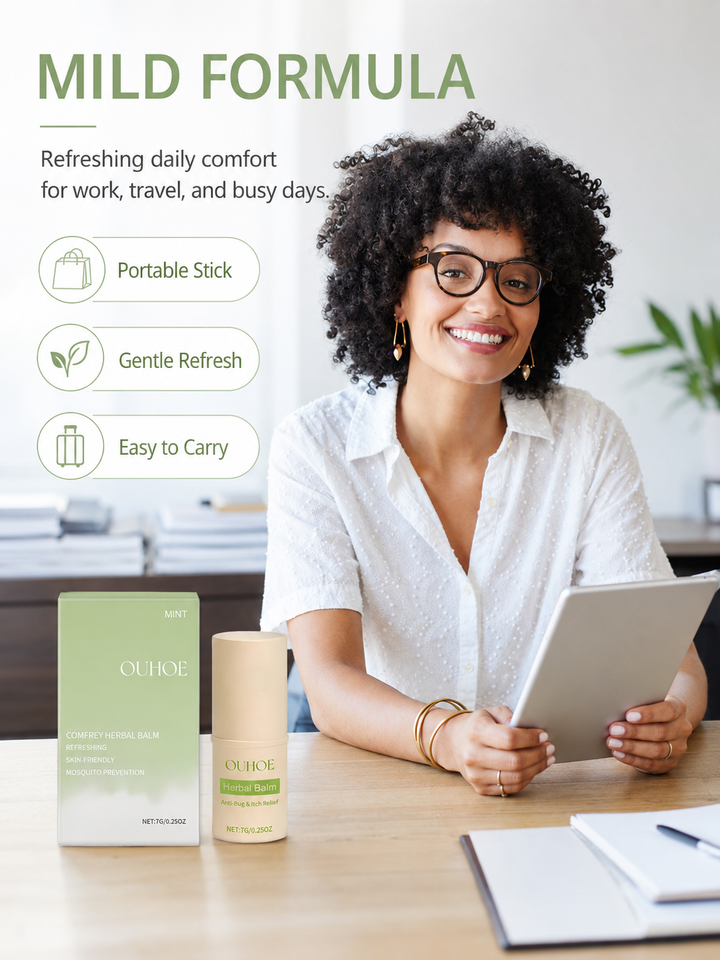
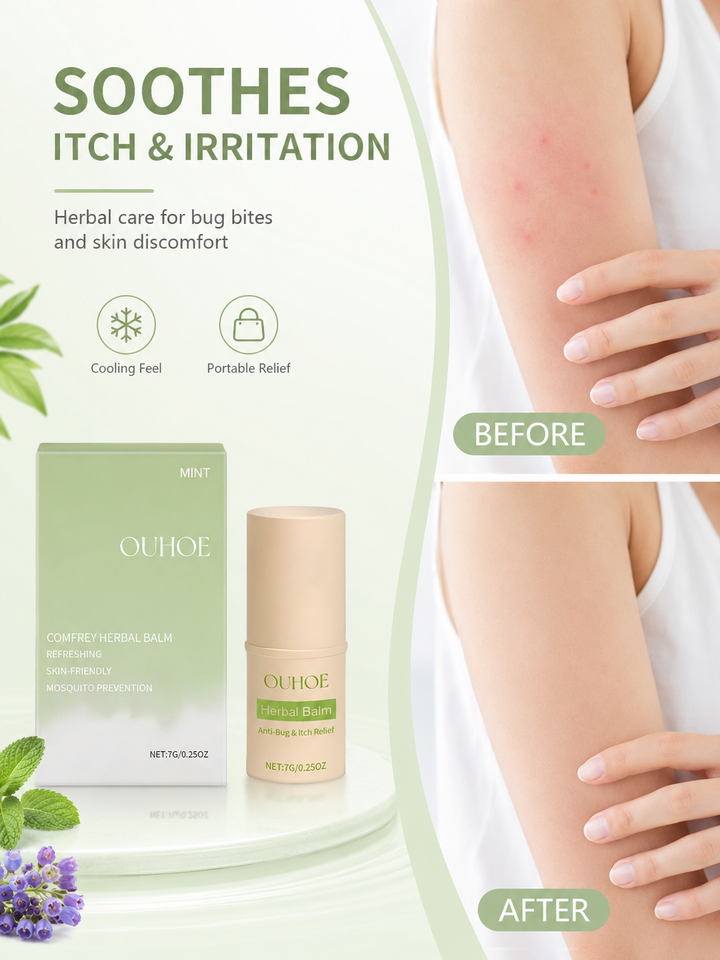
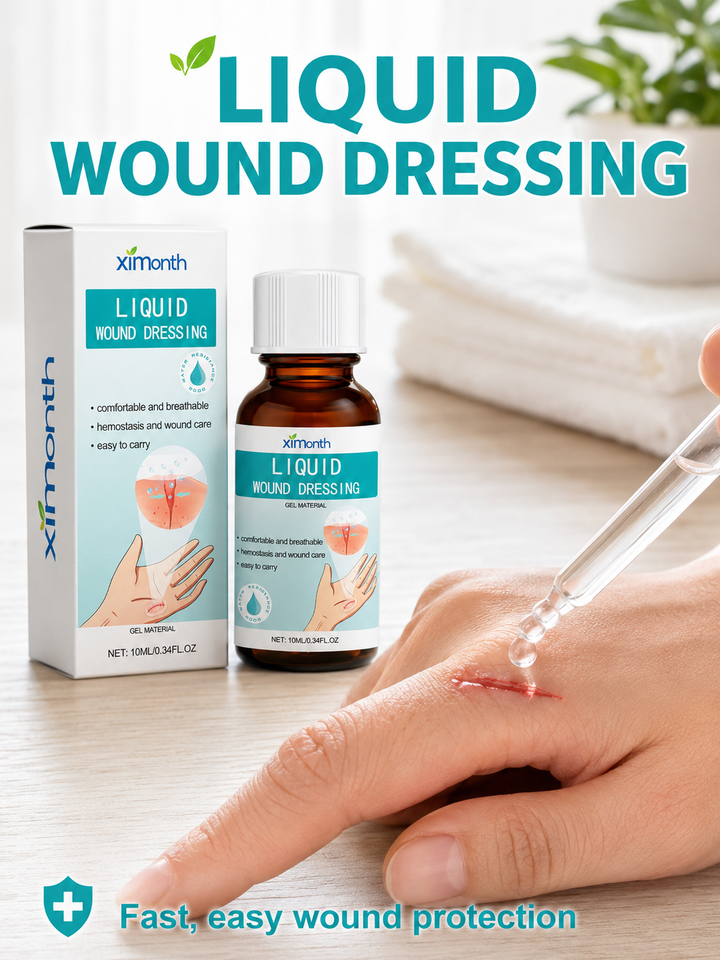
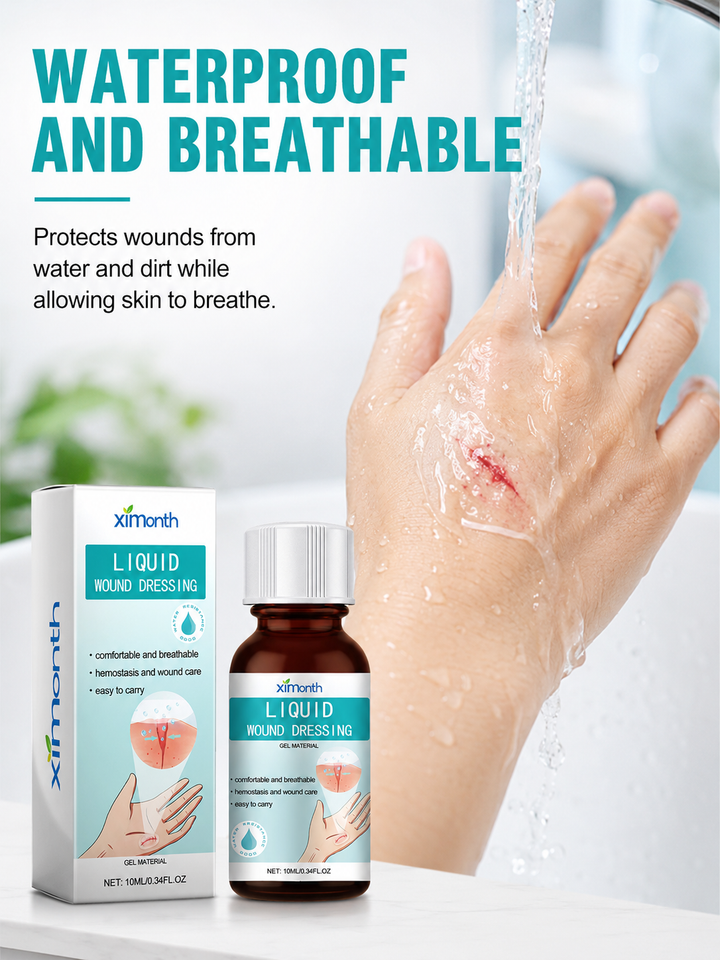
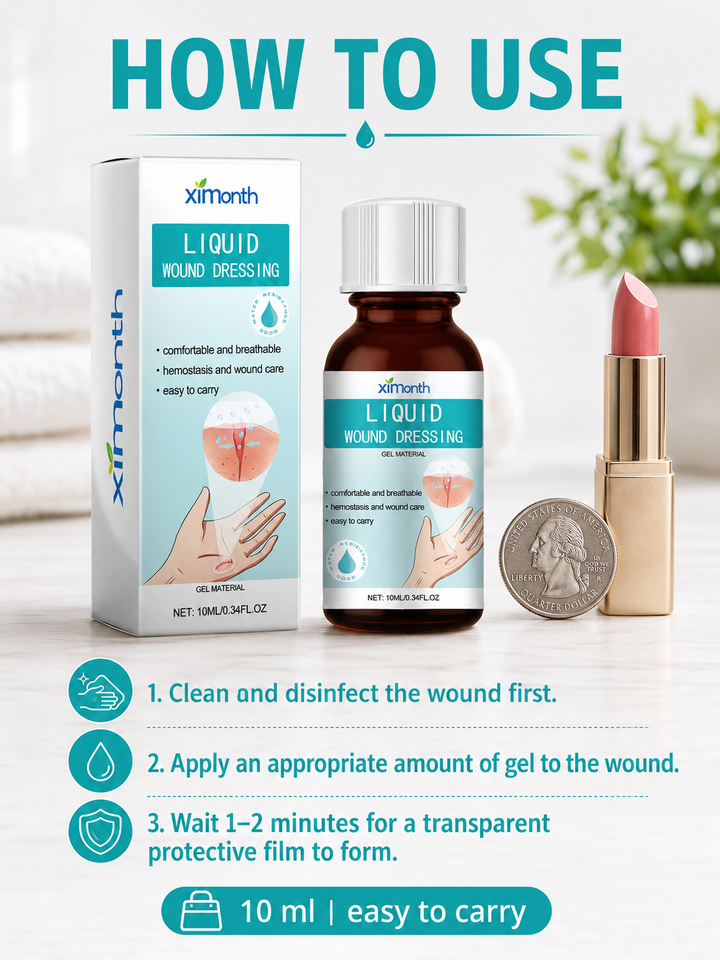
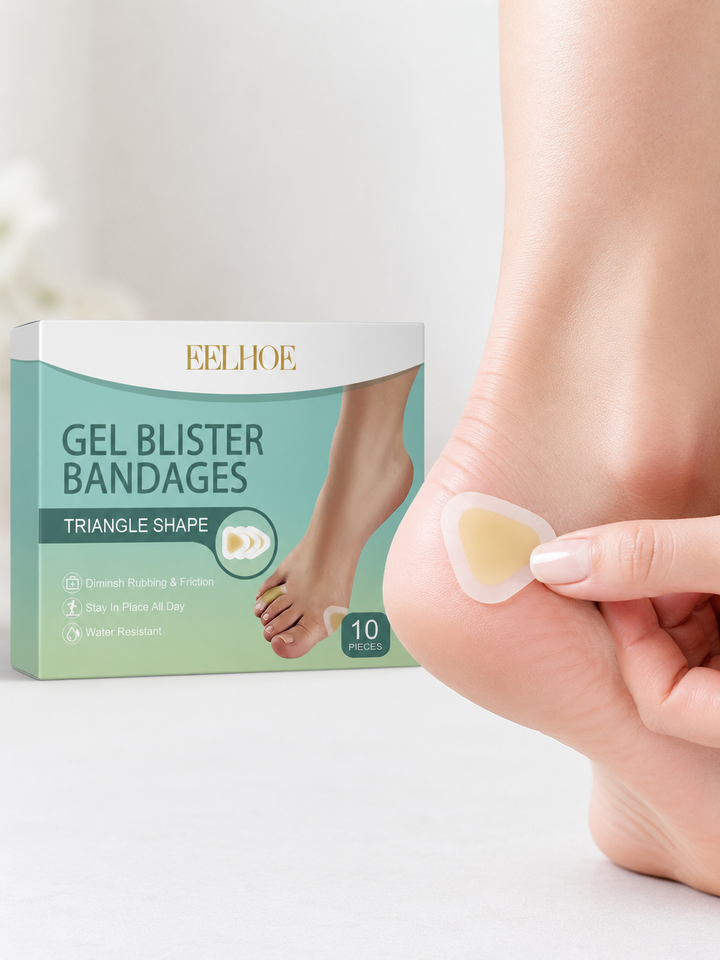
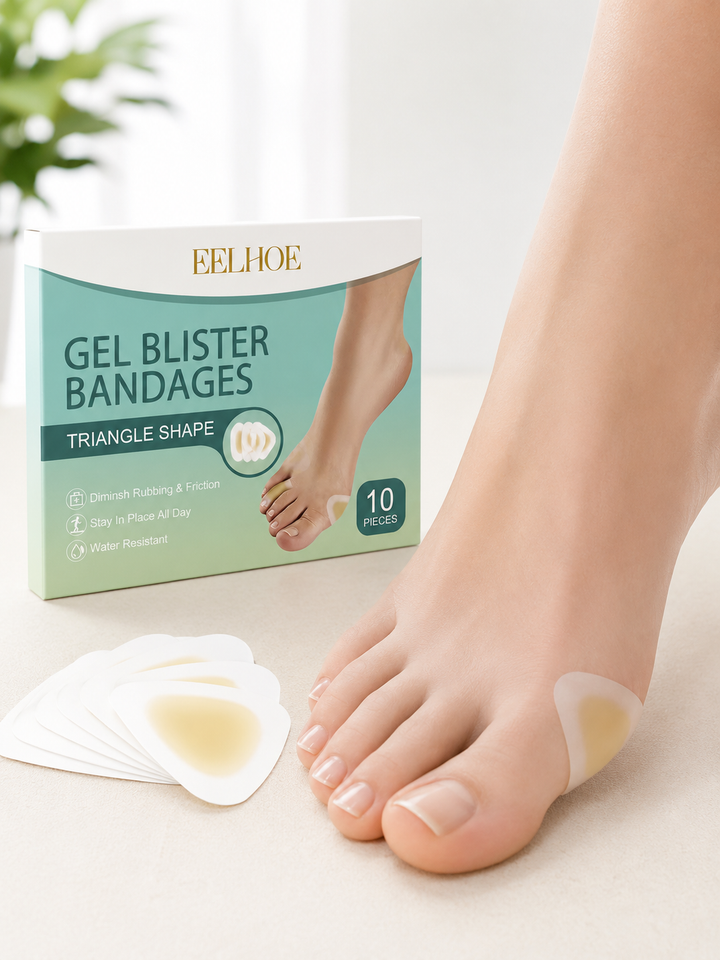
Start by listing the situations your household is most likely to face. Liquid bandages can create a protective film over suitable minor cuts, while blister gel pads cushion hot spots on feet. Bite and itch products, including the mint balm and roll-on gel, are useful additions for outdoor or warm-weather use. A portable anti-choking device serves a different purpose and should be stored where adults can find it quickly, rather than mixed into a small wound-care pouch. Check each package for directions, warnings, ingredients, size and expiry information. If you are building a first aid kit from individual items, add basic essentials such as gloves, sterile dressings, cleansing supplies and a small pair of scissors from a suitable source.
What are the types of first aid products?
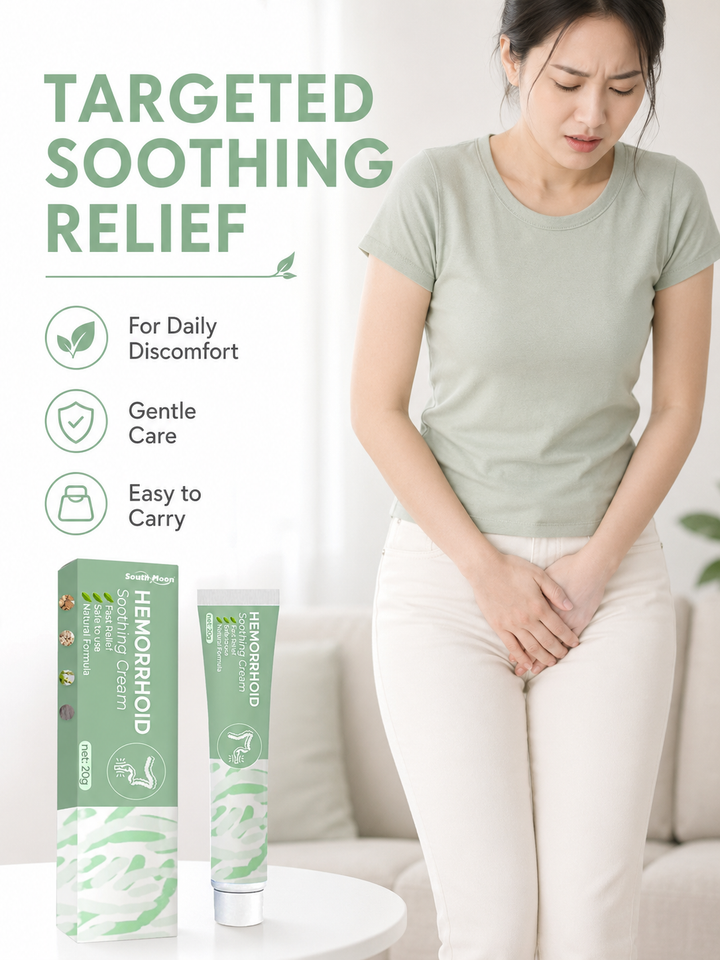
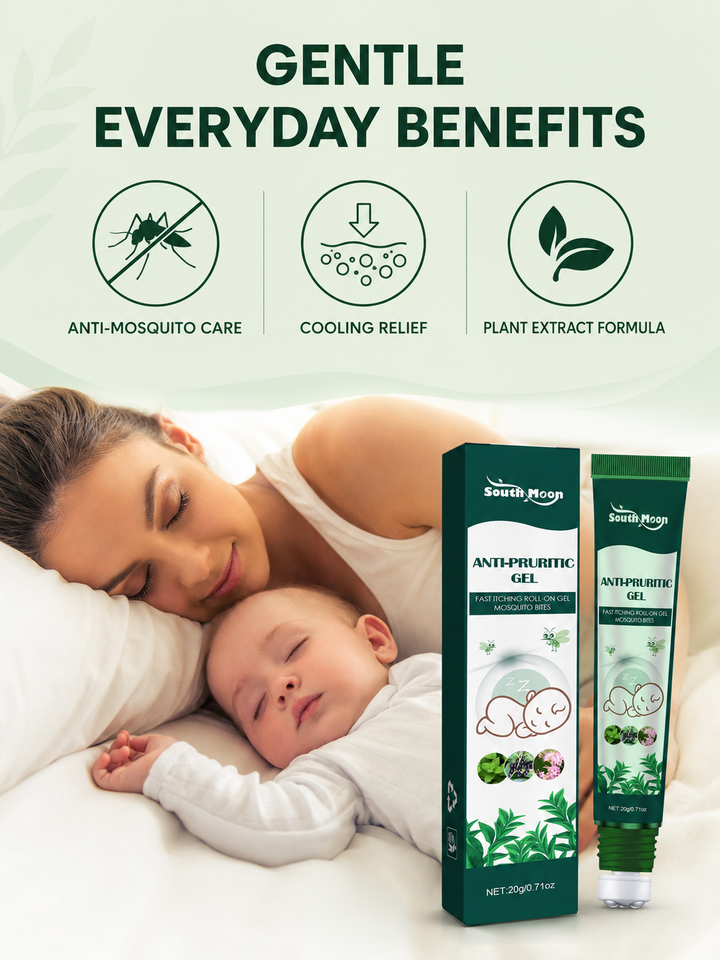
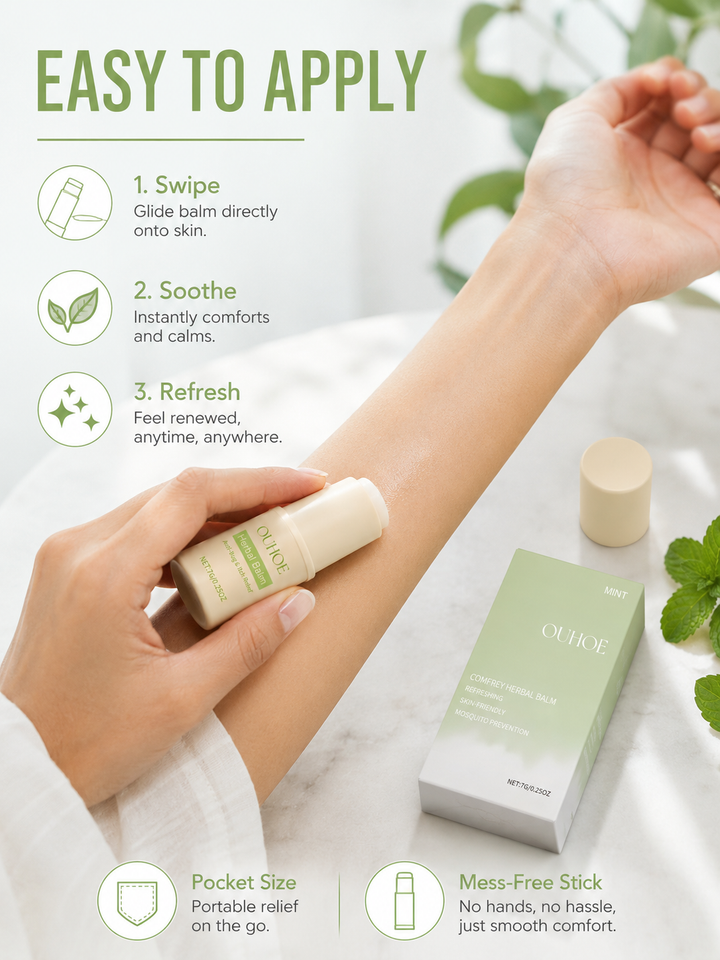
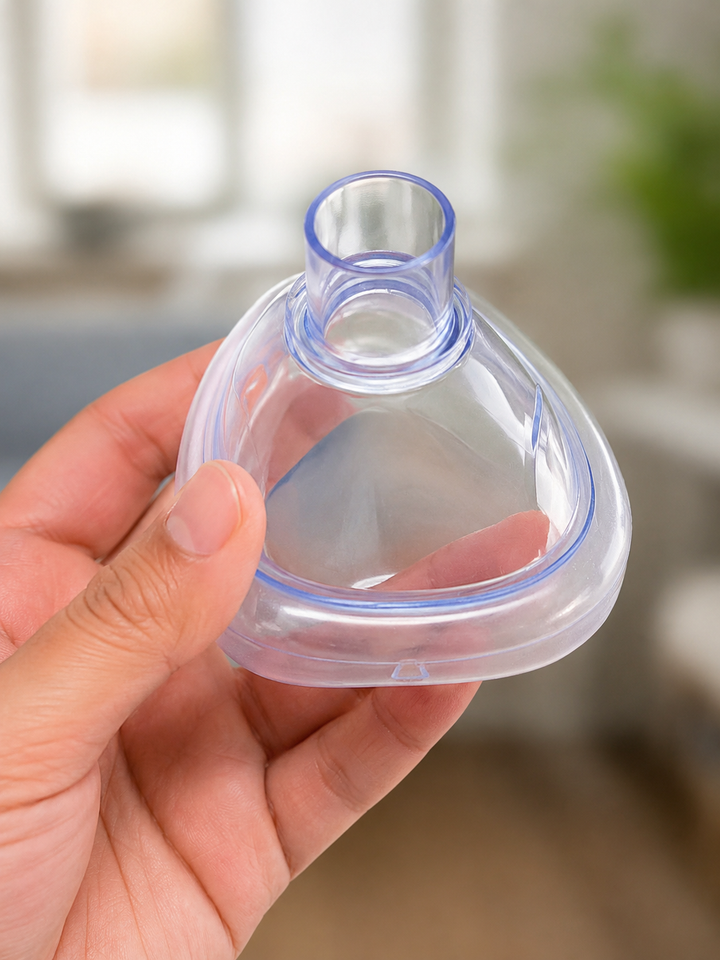
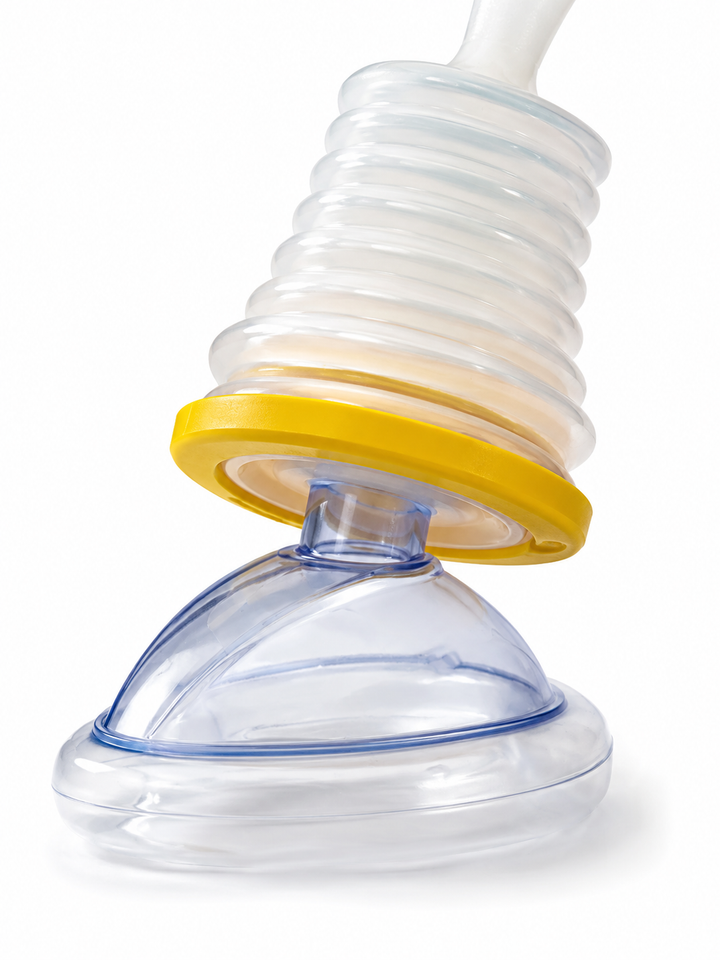
For this category, products fall into several practical types. Barrier products include liquid bandages that form a breathable, transparent film over appropriate minor skin breaks. Cushioning products include gel blister pads for areas exposed to rubbing. Comfort-care products include mosquito bite roll-on gel, comfrey mint balm and sensitive-skin hemorrhoid cream; these should be used only as directed and kept separate from wound dressings. The portable anti-choking device is an emergency-response tool, not a general wound-care item. A men’s antibacterial anti-itch cream is intended for the specific external-use area and concerns described on its label. A first aid course or first aid book can help with general preparation, but product instructions and local emergency guidance should take priority in an actual incident.
What to look for in a first aid kit
Choose products that match the intended use, are easy to identify and can be opened without unnecessary handling. For liquid bandages, compare bottle size, applicator design, drying instructions and whether the formula is described as waterproof or transparent. For blister pads, check dimensions and whether the adhesive area fits the usual pressure points on your feet. For itch products, review the application area, ingredient list, fragrance details and skin-use warnings. For an anti-choking device, look for clear instructions, a portable format and guidance covering storage, inspection and use. Packaging should remain sealed and readable. Avoid choosing solely because a listing uses phrases such as “best” or “life-saving”; focus on the instructions, suitability and support information provided with the product.
How to use first aid supplies at home
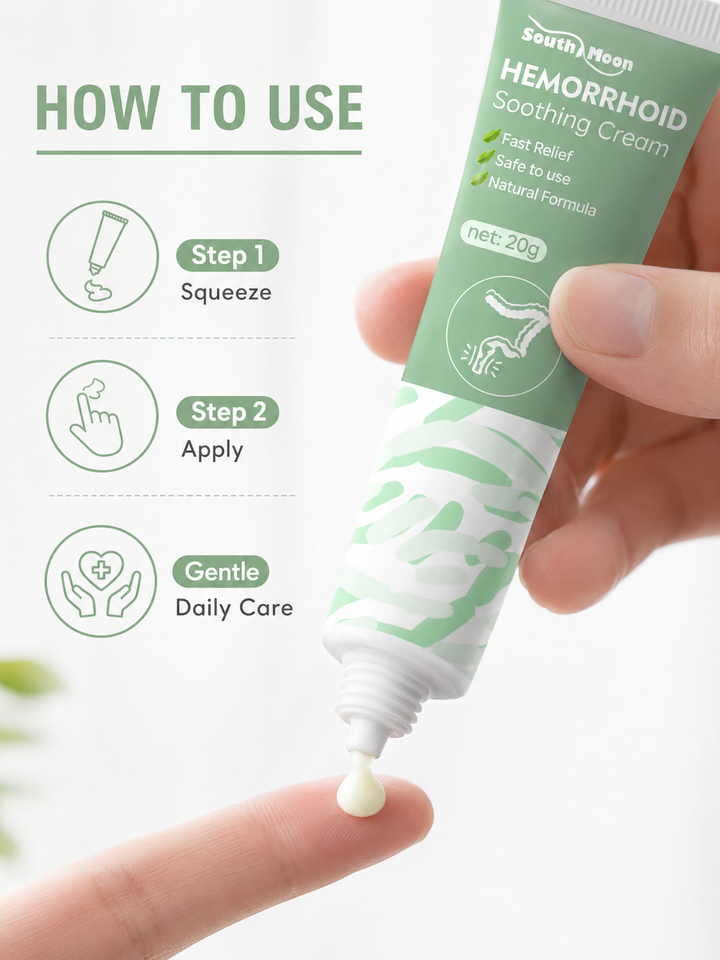
Read the label before opening any product, wash or clean your hands where appropriate and follow the stated application steps. Apply liquid bandage only to the skin areas and wound types allowed by its instructions; stop if irritation occurs. Place a blister pad on clean, dry surrounding skin and replace it according to the package directions. Use bite, itch, balm and hemorrhoid products only on their specified areas, avoiding eyes and other restricted locations. Keep the anti-choking device accessible and study its supplied instructions before an emergency; it does not replace calling local emergency services or following trained responder guidance. If bleeding is heavy, a wound is deep or contaminated, breathing is difficult, choking continues or symptoms are severe, seek urgent professional help.
What are common first aid mistakes?
A common mistake is treating every item as interchangeable. A liquid bandage is not a substitute for a dressing when a wound needs professional assessment, and a blister pad is not designed for every skin injury. Do not apply a cream or balm to an area that its label excludes, combine products without checking directions or use an expired or damaged package. Another mistake is storing emergency equipment in a locked, hidden or hard-to-reach place. Keep instructions with the product and check supplies periodically. Do not rely on a first aid PDF, book or online “7 steps of first aid” summary alone for complex situations. Training can improve confidence, but emergencies may require immediate contact with local emergency services and advice from qualified professionals.
Who is a home first aid kit suited for?
These products suit households that want compact supplies for everyday minor skin-care needs and a dedicated response tool for choking emergencies. Parents, commuters, hikers, travelers and people who spend time outdoors may value the portable format of the anti-choking device, blister pads and bite-relief products. Adults sharing a home should know where supplies are stored and how to read their instructions. Creams for sensitive or specific areas are better suited to shoppers who have checked the label and ingredient information for their intended use. This category is not a replacement for a first aid course, clinical assessment or emergency care. People buying for children, older adults or anyone with allergies should review age guidance, warnings and ingredients carefully before purchase.
Frequently asked questions
What are the five rules of first aid?
A commonly taught approach is to stay calm, check that the scene is safe, assess the person, contact local emergency services when needed and provide appropriate help within your training. Exact wording varies between first aid courses. Follow current local guidance and the instructions for any product you use.
What are the 7 steps of first aid?
There is no single universal seven-step list; course providers may arrange the process differently. Lists often cover scene safety, consent when possible, assessment, calling for help, basic care, monitoring and handover to responders. Use a recognized first aid course for formal instruction rather than relying on a fixed online summary.
What are the three types of first aid?
The phrase can refer to different teaching frameworks. In a home-supplies context, it is useful to distinguish minor injury care, comfort or skin-care support and emergency-response equipment, such as an anti-choking device. These categories describe products, not a universal medical classification.
What are the 5 steps of first aid?
A commonly used outline is to check scene safety, assess the person, call for help, provide appropriate first aid and continue monitoring until help arrives. The exact sequence can change with the emergency. For choking or breathing problems, follow local emergency instructions and the device directions.
What are the 3 C's in basic first aid?
The three C's are often taught as Check, Call and Care: check the scene and person, call for emergency help and provide care within your training. Some courses use slightly different wording. A course can show how to apply this framework safely.
Which is the 3 rule of first aid?
This question may refer to the three C's or another course-specific rule, because first aid teaching terms are not completely standardized. Check the scene, call for appropriate help and provide care within your training is a useful general framework. Always follow local emergency guidance and product instructions.