Incentive Spirometers & Lung Capacity Breathing Trainers
7 items
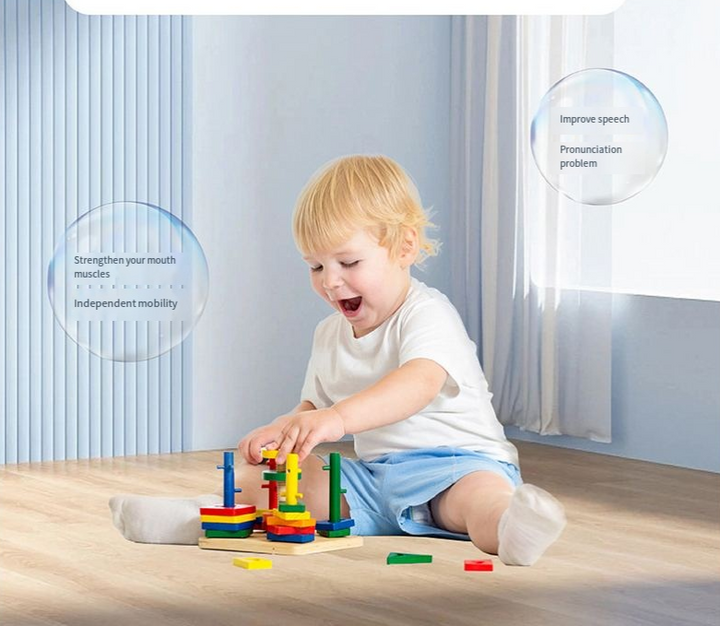
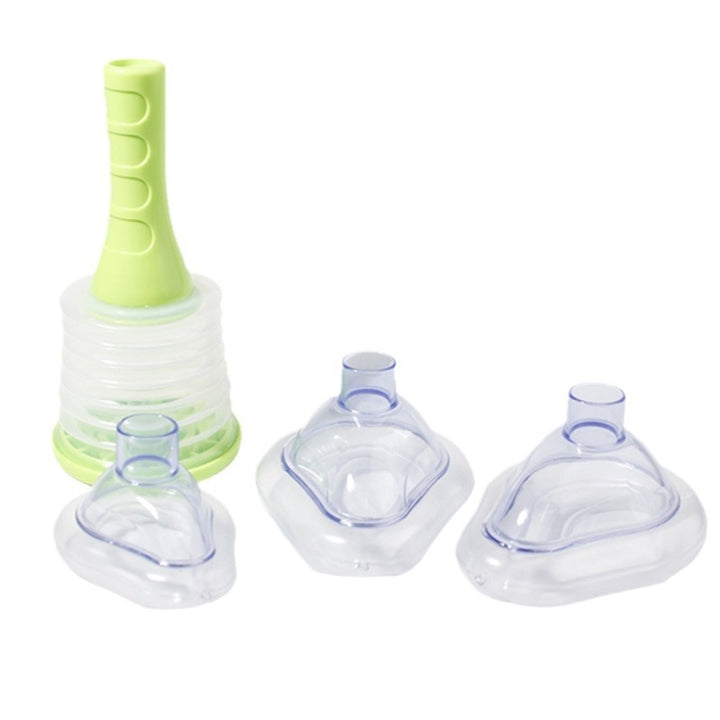



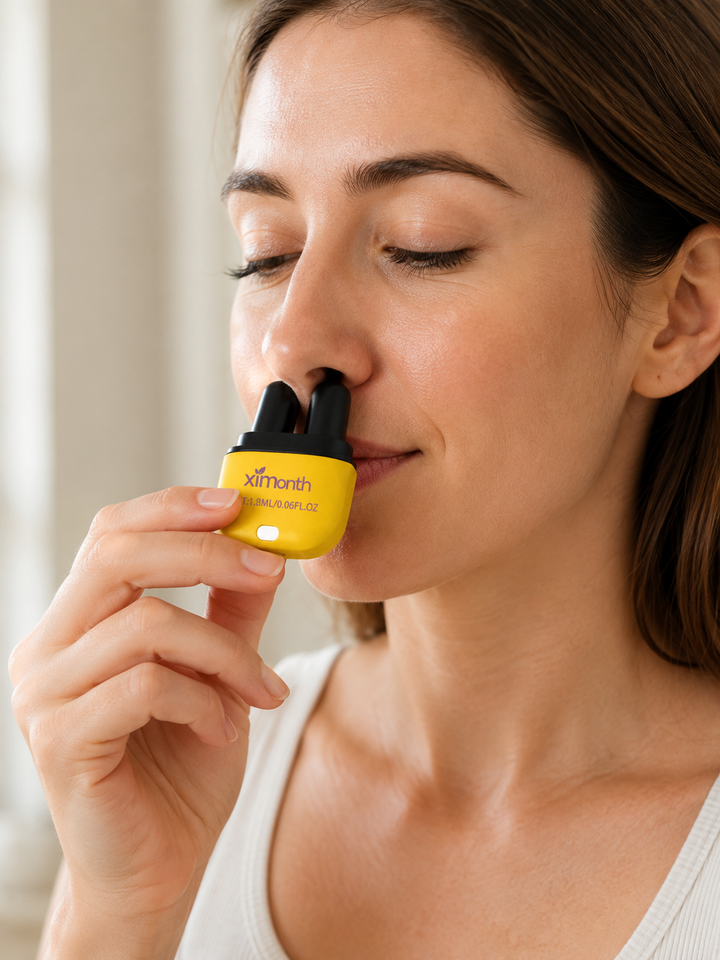
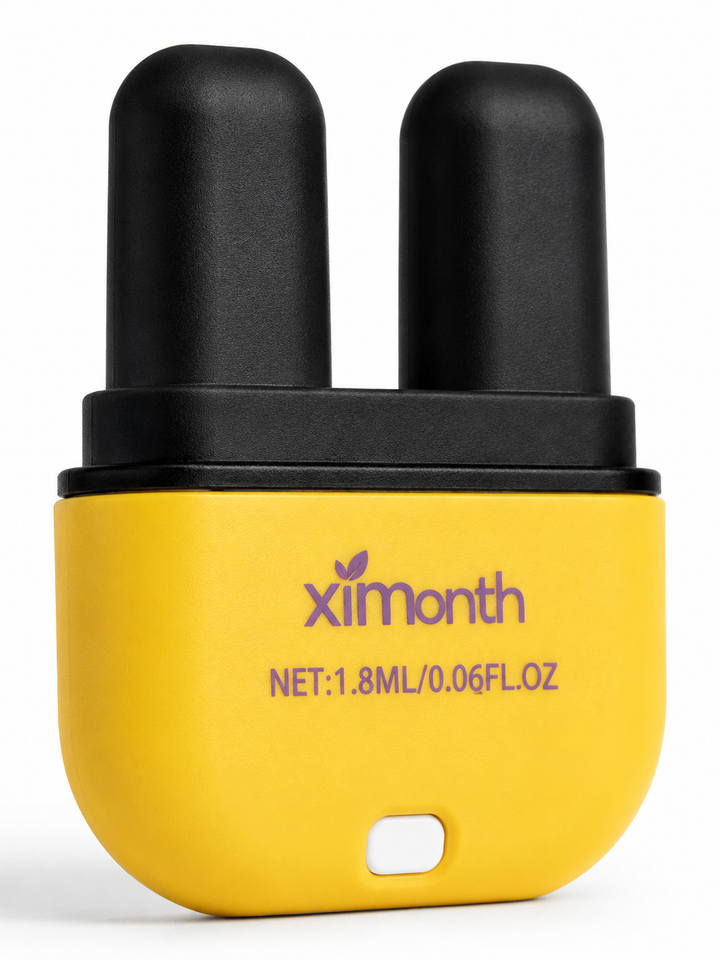


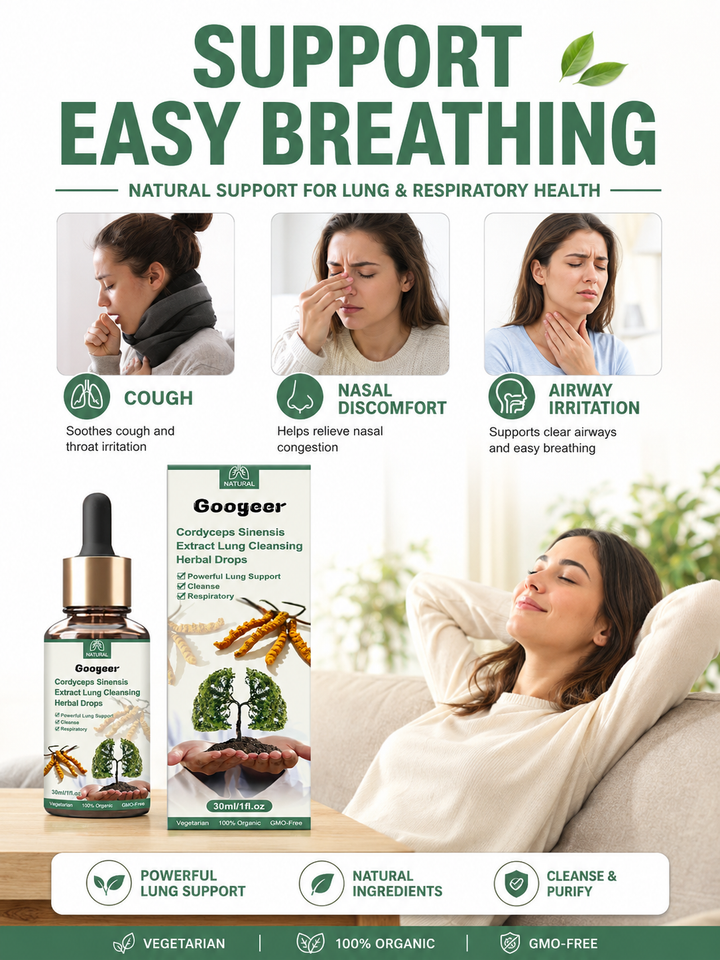



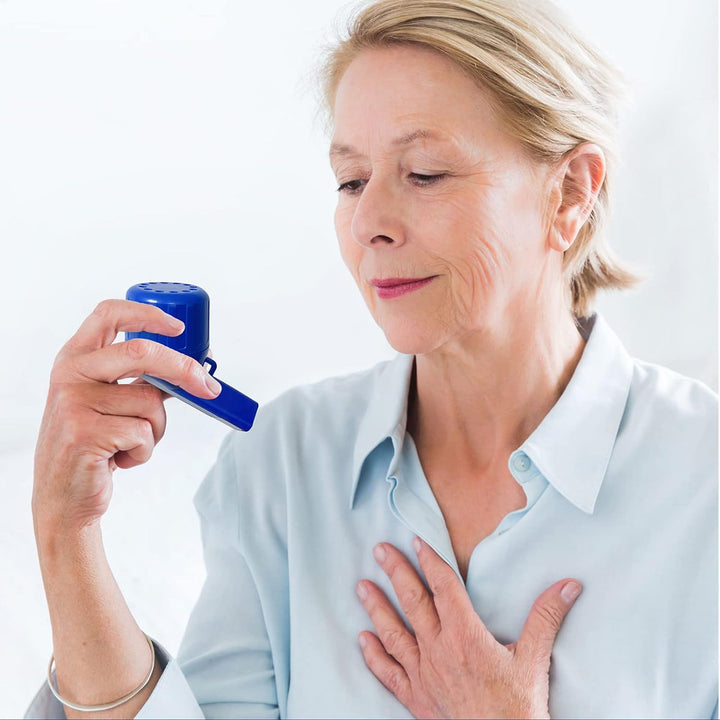


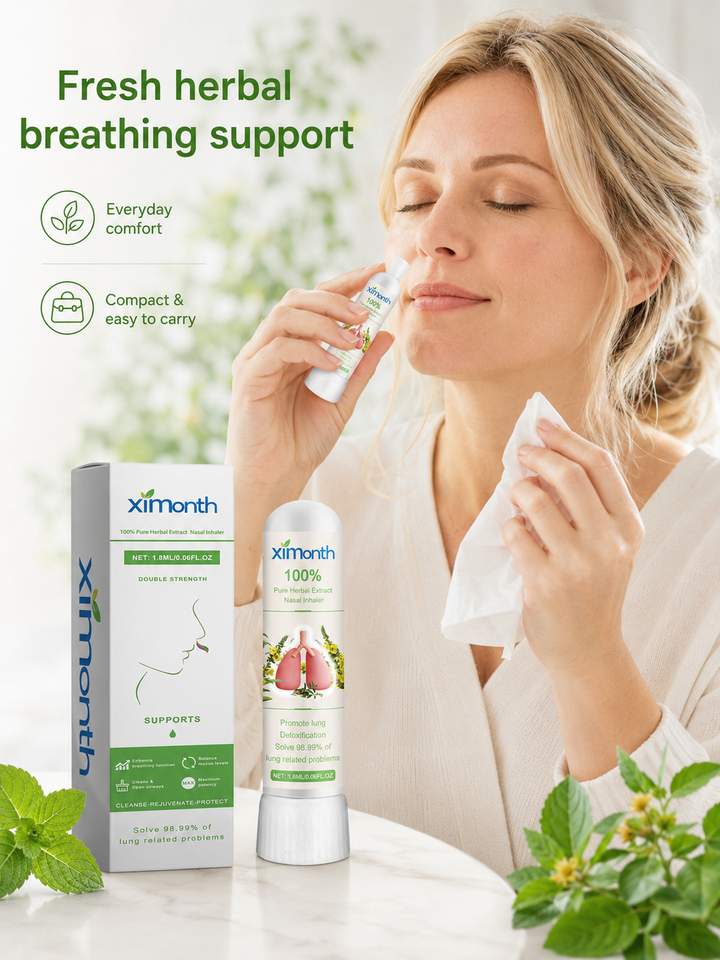

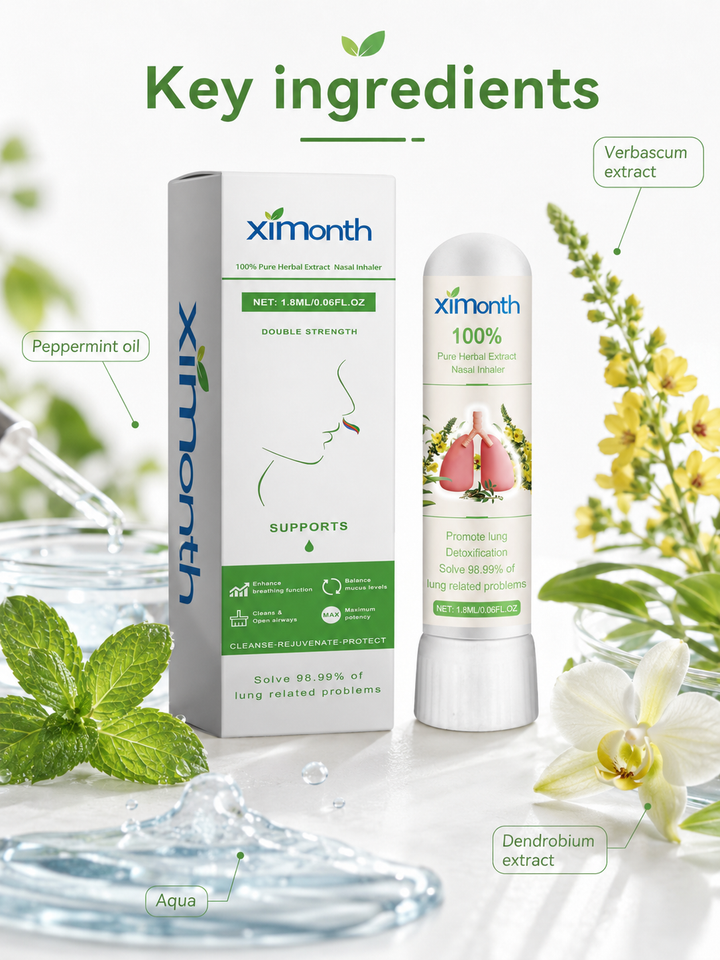

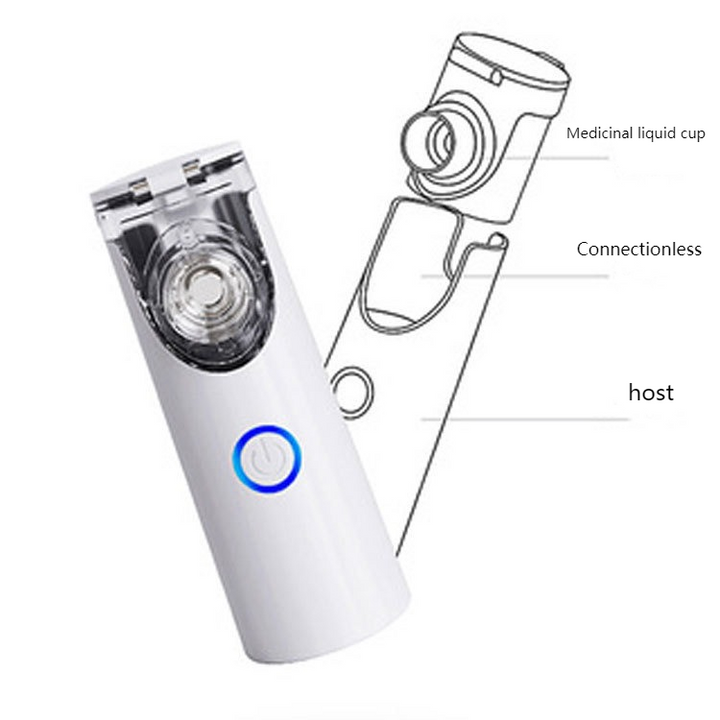
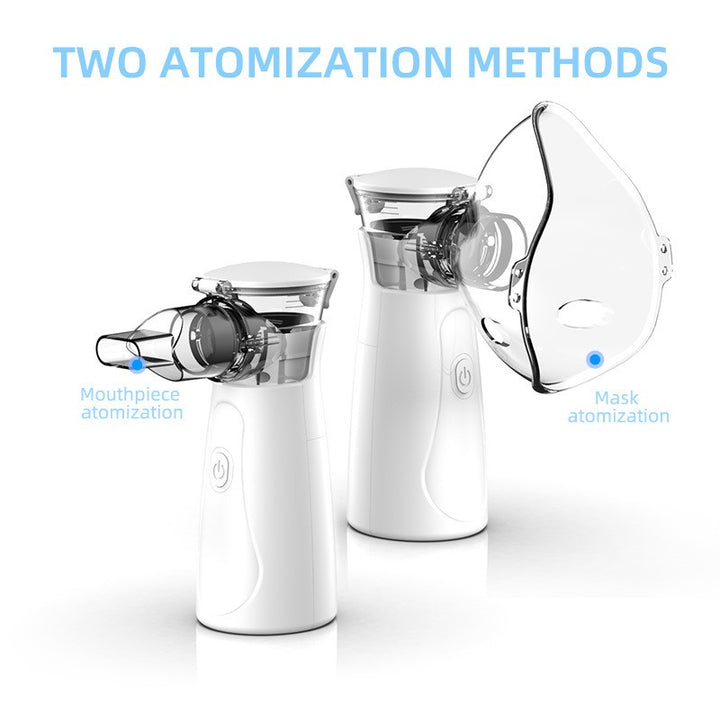
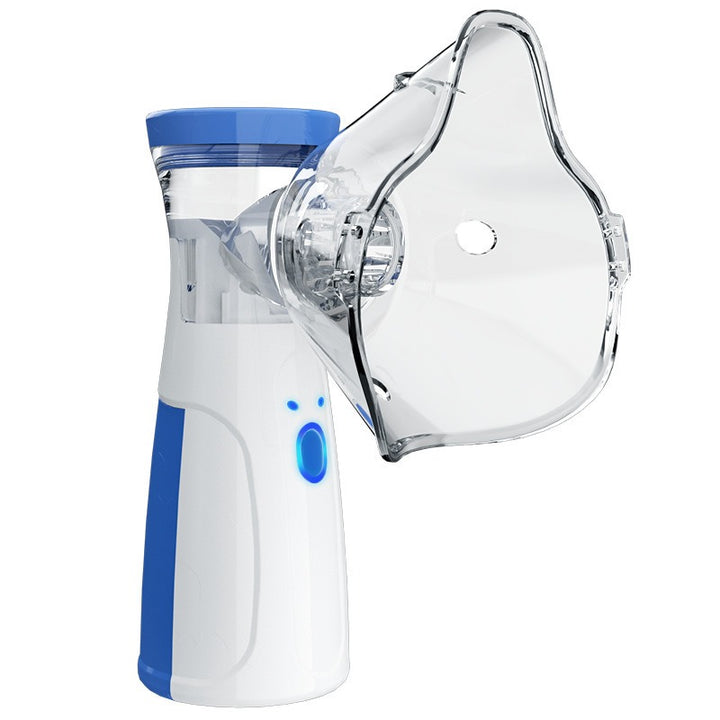

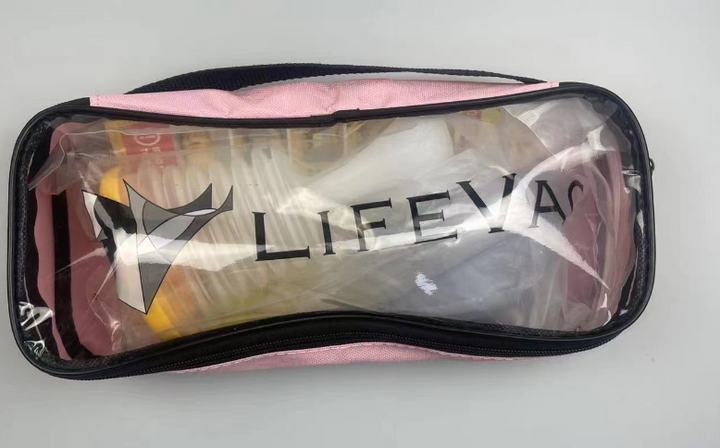
Respiratory trainers and lung exercise devices are designed to make breathing practice more structured, while related products in this category support nebulizing, airway emergencies, or personal wellness routines. Compare the product’s purpose, resistance or visual feedback, portability, cleaning needs, and safety instructions before choosing a breathing trainer device.
How to choose a respiratory trainer
Start by identifying the job you want the product to do. A portable lung exerciser with visual feedback is the closest match for guided breathing practice. A portable ultrasonic nebulizer is intended to create an inhaled mist from compatible solutions, not to build breathing strength. Emergency airway-clearance devices are for choking emergencies and should not be treated as respiratory trainers. Herbal inhalers and lung cleansing products are wellness items rather than substitutes for a breathing exercise device. Check whether the device trains inhalation, exhalation, or both; whether resistance is adjustable; and whether the mouthpiece, masks, or other parts are easy to clean. If you are choosing for a child, older adult, or anyone with a respiratory condition, review the instructions and ask a qualified healthcare professional whether the product is appropriate.
What types of breathing devices are available?
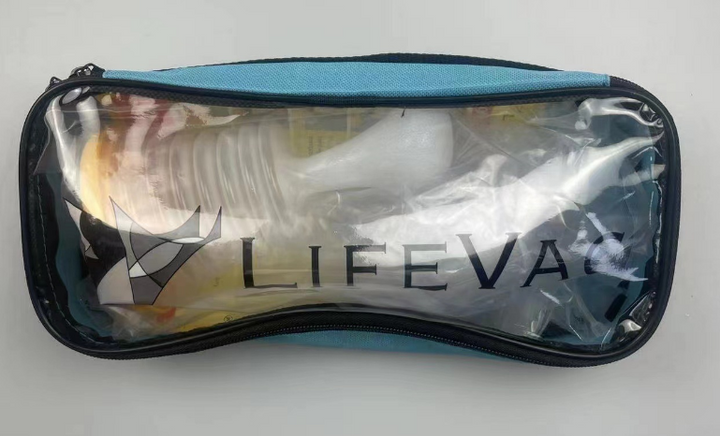
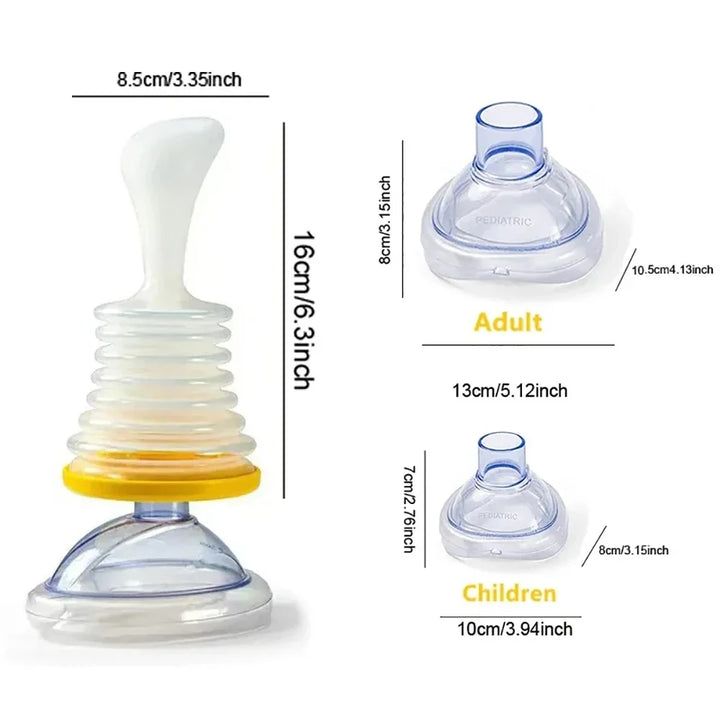
The main options serve different purposes. Incentive-style lung exercisers use a visual marker or chamber to encourage a controlled inhalation. Other respiratory trainers add resistance or provide feedback during breathing practice. A nebulizer delivers a mist and may be useful when an appropriate liquid has been recommended for that device, but it is not a lung-capacity trainer. A LifeVac-style choking rescue device and emergency choking device with masks are airway-clearance tools for urgent situations, not daily exercise equipment. Nasal inhalers, drops, and other lung-cleanse products are positioned for personal wellness and should be evaluated by their ingredients, directions, and sensitivities. Comparing these categories prevents shoppers from buying a breathing device to strengthen lungs when they actually need a nebulizer or emergency tool.
What should you look for in the best lung exercise device?
Look for a clear training method, comfortable mouthpiece, stable construction, and instructions that explain setup, breathing technique, cleaning, and storage. Visual indicators can make an inhale respiratory trainer easier to use because you can observe whether each breath follows the intended pattern. Adjustable resistance may offer more flexibility, but it should move in understandable steps and never encourage forceful breathing beyond the instructions. For travel, consider size, protective storage, battery requirements, and replacement parts. For shared use, removable components and thorough cleaning guidance matter. Check the package contents carefully: some products include masks, while others are mouthpiece-only. A smart breathing trainer may add electronic feedback, but extra features are useful only if the display is readable and the routine is simple enough to follow consistently.
How do you use a respiratory trainer safely?
Read the product directions before the first session and assemble only the parts supplied or approved for that model. Sit upright, keep the mouthpiece sealed comfortably, and use the breathing pattern specified by the manufacturer rather than taking unusually forceful breaths. Begin gently, pause if you feel uncomfortable, and stop for dizziness, chest discomfort, unusual breathlessness, or another concerning symptom. Clean and dry reusable mouthpieces, tubing, masks, or chambers exactly as directed; do not share them without appropriate cleaning. A nebulizer requires special attention to the liquid used and the device’s cleaning routine. Keep emergency airway devices accessible but use them only according to their instructions and appropriate emergency guidance. Ask a healthcare professional how long to use a respiratory trainer if you are recovering from illness, managing a condition, or unsure which technique is suitable.
What are common respiratory trainer mistakes?
A common mistake is confusing product categories. A nebulizer, nasal inhaler, or lung-cleanse product does not automatically function as an inhale respiratory trainer, and an emergency choking device is not a practice tool. Another mistake is choosing the highest resistance immediately or trying to take oversized breaths; controlled technique is more important than force. Users may also skip cleaning, ignore replacement guidance, or share mouthpieces. Buying based only on claims such as “deep lung detox” can overlook practical details like fit, instructions, and intended use. Do not assume that a breathing trainer treats sleep apnea, replaces prescribed care, or improves every breathing problem. If symptoms change, or if breathing practice causes discomfort, stop using the product and seek appropriate professional advice.
Who is a respiratory trainer suitable for?
A respiratory trainer may suit shoppers who want a portable, repeatable way to practice controlled breathing and monitor technique with a simple visual indicator or resistance setting. It can also be useful for people comparing an inhale respiratory trainer with a more feature-rich smart breathing trainer, provided they understand what each device actually measures or guides. Suitability depends on the individual, so people with asthma, chronic respiratory conditions, recent surgery, chest symptoms, or sleep-related breathing concerns should ask a qualified healthcare professional before use. Children should use a device only when the design and supervision are appropriate. Nebulizers, emergency airway-clearance tools, and wellness inhalers suit different needs and should be selected for their stated purpose. Focus on fit, clarity, cleaning, and realistic daily use rather than choosing by the phrase “best” alone.
Frequently asked questions
Do respiratory trainers actually work?
A respiratory trainer can provide structured breathing practice, resistance, or visual feedback, depending on its design. Results vary by product and user, and a trainer should not be assumed to treat a medical condition or replace professional care.
How long should you use a respiratory trainer?
Use the schedule and session guidance supplied with the specific device. If you have a respiratory condition, are recovering from surgery or illness, or feel dizzy or uncomfortable, ask a qualified healthcare professional before continuing.
What is the price of a breathing trainer?
Prices vary according to the device type, materials, included masks or mouthpieces, electronic feedback, and replacement-part availability. Compare the complete package and ongoing maintenance needs rather than judging by the base price alone.
What is the best respiratory trainer?
The best choice depends on your purpose. Choose a visual lung exerciser or resistance trainer for breathing practice, a nebulizer for compatible mist delivery, and an emergency airway device only for its stated emergency use.
Do breathing trainers help sleep apnea?
Do not rely on a general breathing trainer to treat sleep apnea. Sleep-related breathing concerns require assessment and guidance from a qualified healthcare professional, and a trainer should not replace prescribed treatment or monitoring.
Can you strengthen your lungs with breathing exercises?
Breathing exercises can help you practice control, pacing, and technique, while some devices add resistance or visual feedback. They do not guarantee stronger lungs or address every cause of breathing difficulty, so seek professional advice when symptoms are present.