Breathing Trainers & Lung Exercisers to Strengthen Lungs
10 items





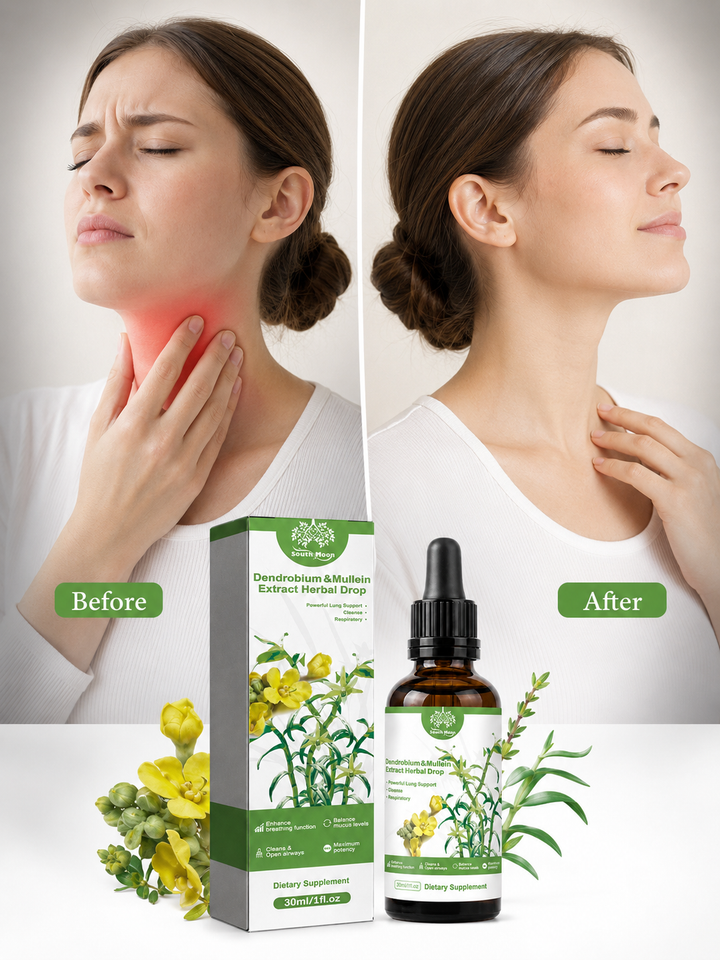



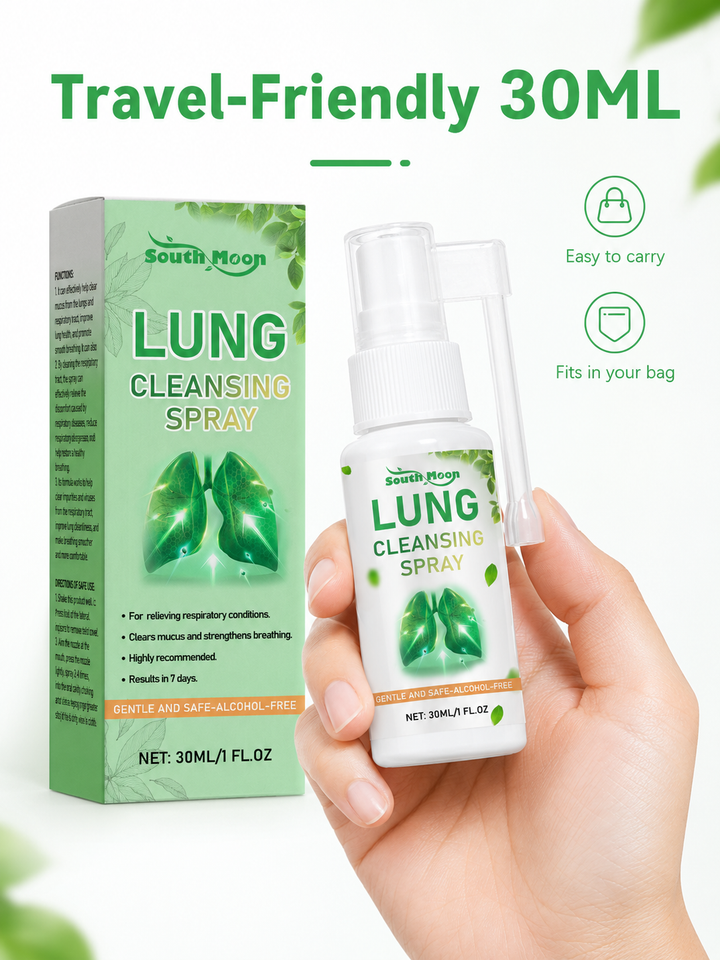

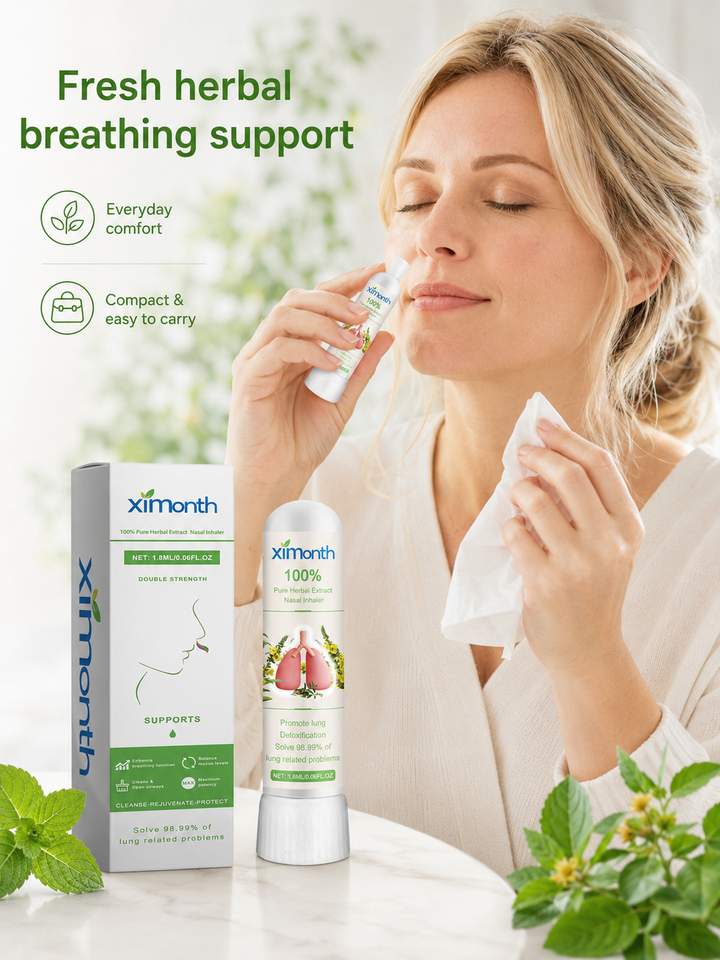

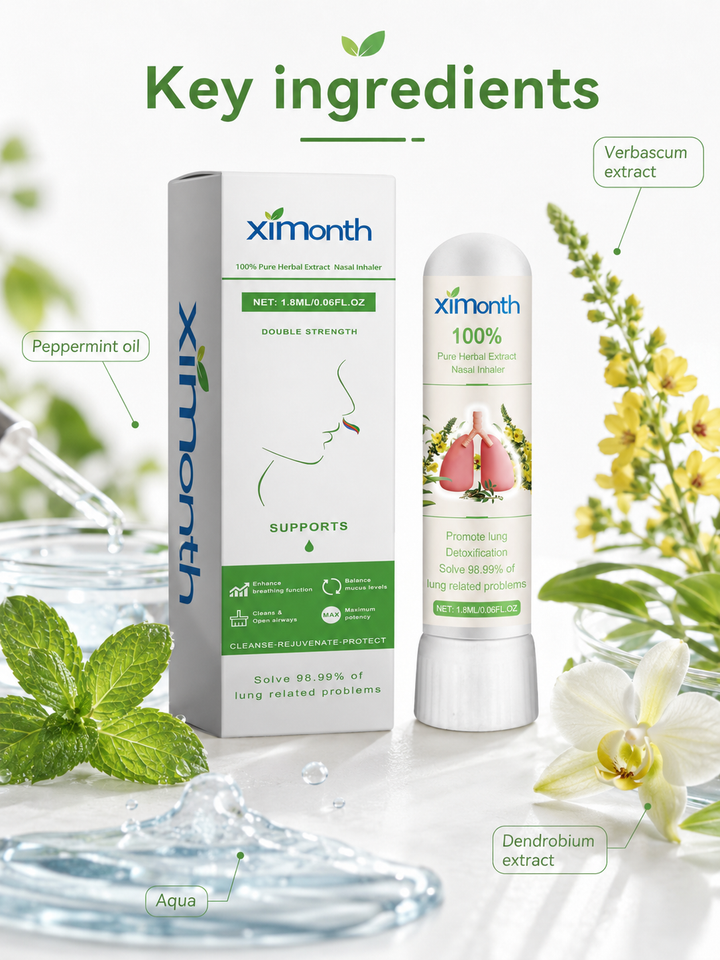



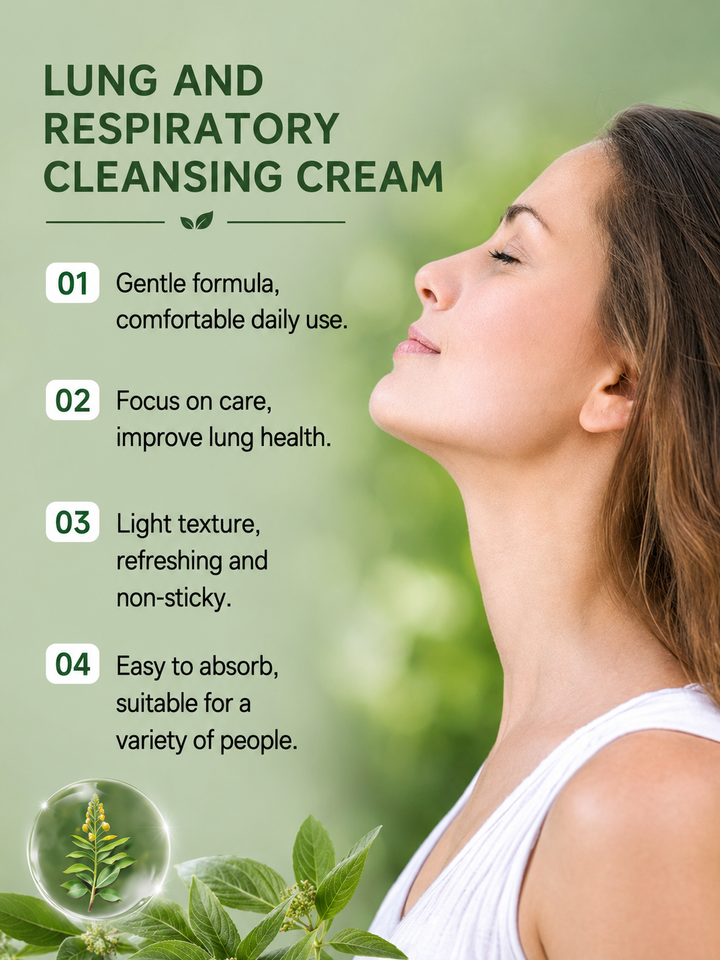






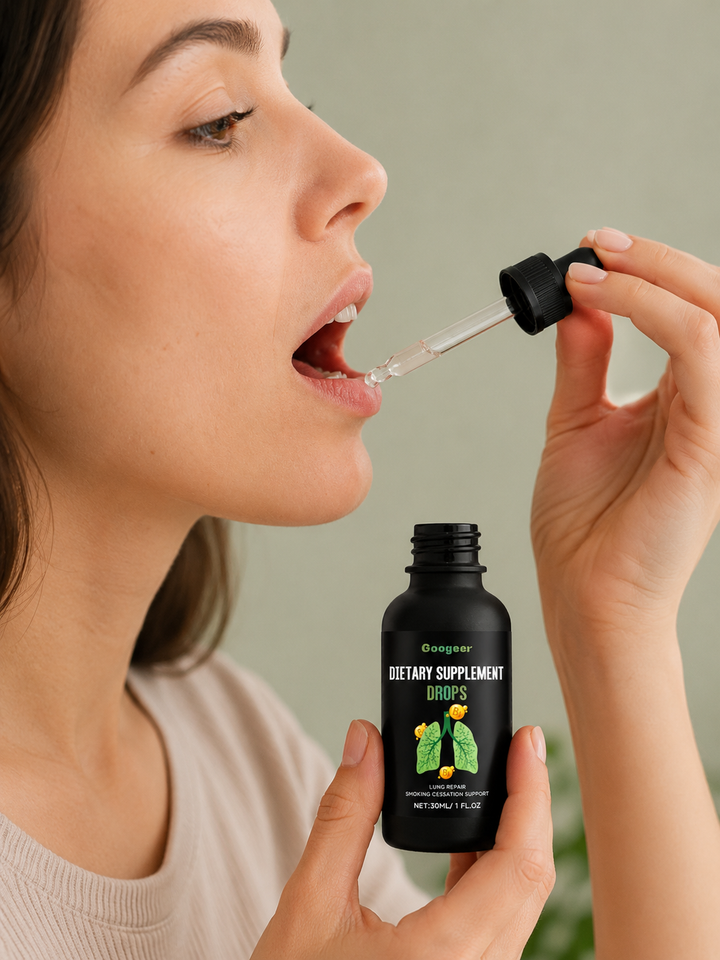



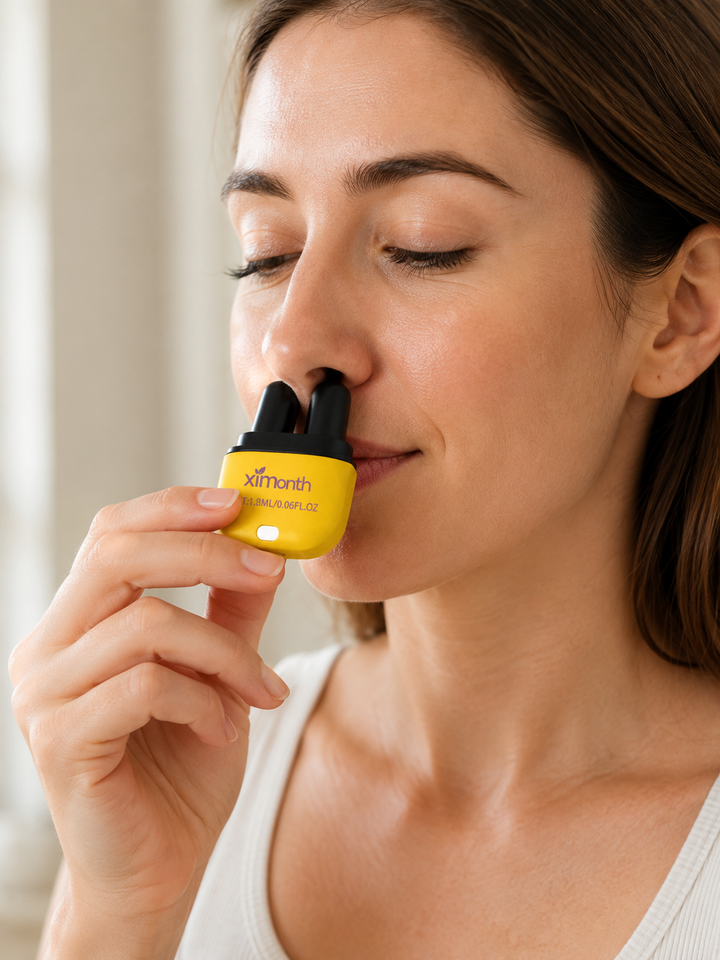
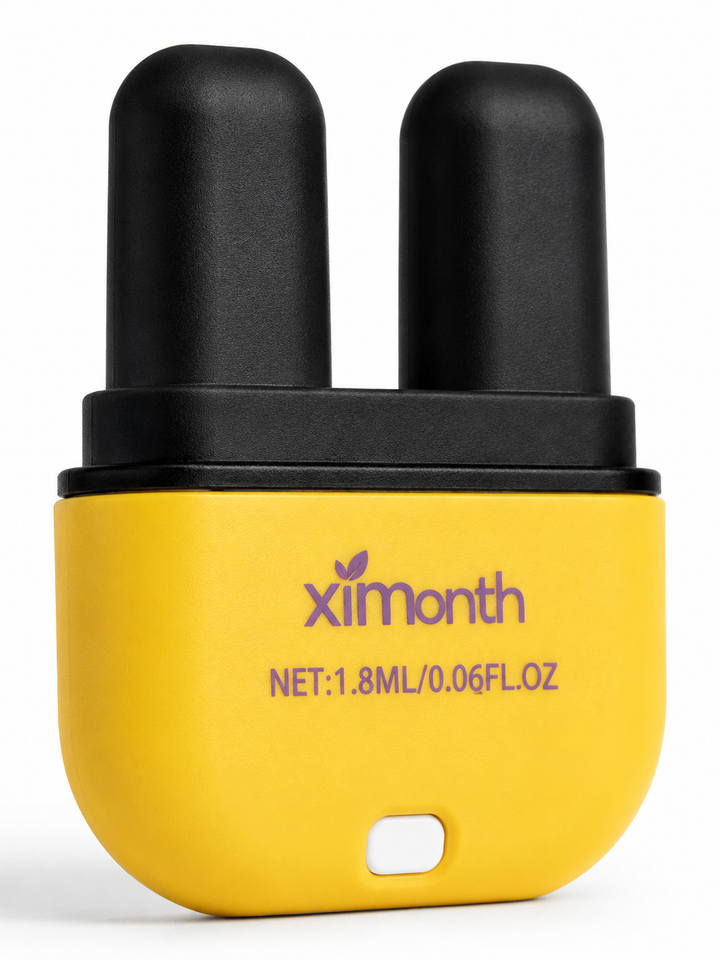

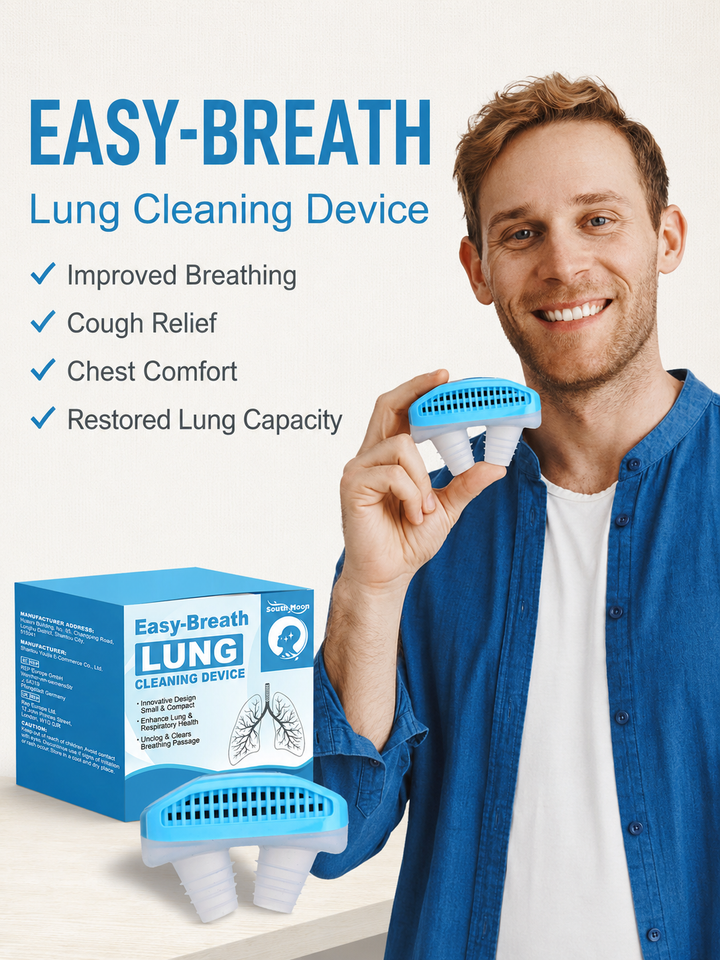
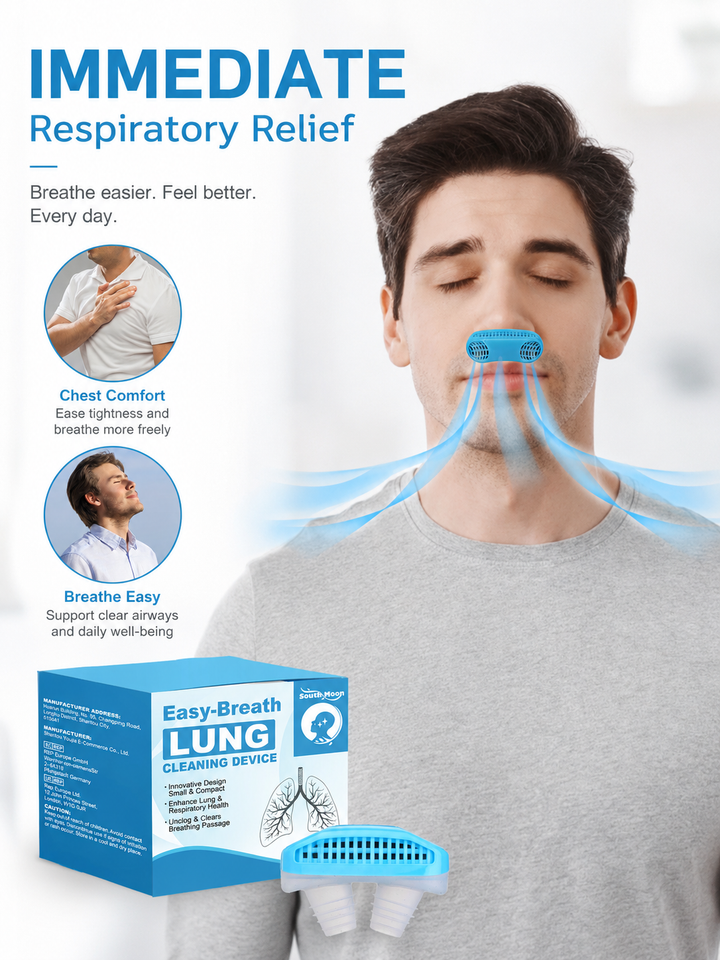
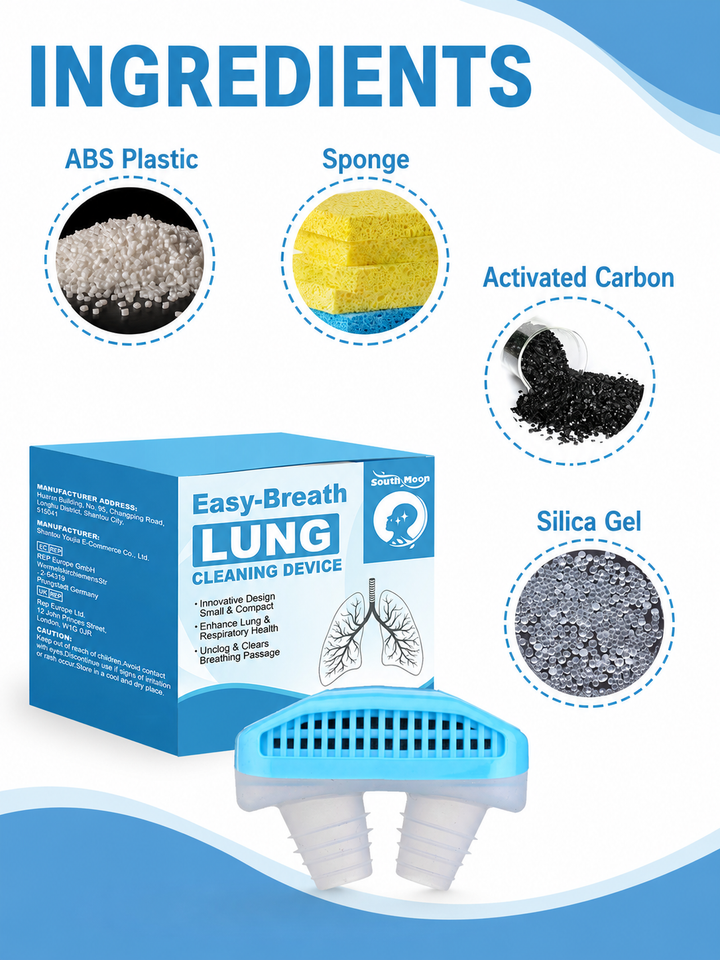
Breathing trainers and lung exercisers are designed to help you practise controlled inhalation, exhalation, airflow, or nasal breathing. This guide compares visual-feedback devices, inhaler-style products, nasal airflow accessories, and drops or sprays so you can choose based on your goals, routine, and comfort.
How to choose a breathing trainer
Start by identifying what you want to practise. A portable lung exerciser with visual feedback is the most direct option for tracking how steadily you inhale. An inhale respiratory trainer may suit shoppers who want a compact device for structured breathing practice, while a nasal dilator starter kit focuses on opening the nasal passages rather than strengthening breathing muscles. Sprays, drops, and inhaler-style products are different categories and should not be treated as substitutes for a breathing trainer device. Check the product instructions, mouthpiece or nasal fit, cleaning requirements, portability, and whether resistance can be adjusted. If you are looking for the best breathing trainer for athletes, prioritise repeatable resistance, easy transport, and a design you can use consistently during training routines.
Breathing trainer types compared
Visual lung exercisers use a moving indicator or similar feedback to make inhalation practice easier to observe. They can be useful when you want a straightforward breathing trainer to use at home or while travelling. Lung cleansing devices and bee venom or herbal inhalers are inhaled products with different intended uses, so review their ingredients, warnings, and directions carefully. Nasal inhalers and nasal dilators are aimed at the nose and airflow experience, not at measuring inhalation effort. Lung health drops and lung-clearing drops are oral products rather than training devices. A spray may be convenient for shoppers seeking a product for mucus-related comfort, but it does not provide the same visual practice as a lung exerciser. Compare product type before comparing features or price.
What to look for in breathing trainers
Look for a breathing trainer device that is easy to hold, simple to understand, and comfortable to use repeatedly. A clear visual scale can help you observe each inhalation without relying on an app. Adjustable resistance may let you choose a gentler or more demanding setting, but only use settings permitted by the instructions. A removable mouthpiece, smooth surfaces, and clear cleaning guidance are practical features for regular use. For travel, check dimensions, storage, and whether the device needs separate accessories. If you prefer nasal breathing practice, consider a nasal dilator or herbal nasal inhaler, while remembering that these products serve a different purpose from an inhale respiratory trainer. Read breathing trainers reviews for comments about comfort, durability, and cleaning rather than relying only on broad claims such as “lung strengthening.”
How to use a breathing trainer safely
Read the supplied directions before the first session and begin with the easiest setting or gentlest approach available. Sit or stand comfortably, keep your shoulders relaxed, and follow the stated inhale and exhale pattern instead of forcing a deep breath. Use the device in a quiet place so you can concentrate on steady technique. Clean and dry reusable mouthpieces as directed, and do not share them unless the manufacturer specifically permits it. Stop if you feel chest discomfort, unusual breathlessness, dizziness, or another concerning symptom, and seek appropriate medical advice. Do not use a breathing trainer as a replacement for prescribed treatment. If you are using a spirometer or similar clinical device, follow the schedule provided by your clinician or its instructions; there is no universal number of times per hour for every user.
How long should you use a breathing trainer?
Consistency is generally more practical than trying to complete long sessions. Follow the product’s recommended session length and frequency, then build the habit around a regular time such as after waking, before exercise, or during a break. A portable lung exerciser can make routine practice easier because it provides immediate visual feedback without requiring a phone. Avoid adding extra sessions simply because a product description uses terms such as “immediate relief” or “in seven days”; those phrases describe marketing positioning, not a guarantee for every shopper. Track comfort and ease of use rather than promising personal results. If you have a respiratory condition, recent procedure, persistent symptoms, or questions about an appropriate schedule, ask a qualified healthcare professional how to use the device safely.
Who are breathing trainers suitable for?
Breathing trainers may suit adults who want a structured way to practise controlled breathing, including shoppers interested in breathwork or an accessory for an exercise routine. Athletes may prefer a compact device with adjustable resistance and clear feedback, but a breathing trainer is not a replacement for sport-specific coaching or medical care. A nasal dilator starter kit may be more relevant if your main concern is nasal airflow during rest or activity. Sprays, drops, and inhaler-style products may appeal to shoppers seeking other respiratory-care formats, but check ingredients, age guidance, allergies, and warnings before use. People with asthma, sleep apnea, heart or lung conditions, recent surgery, or unexplained breathing symptoms should ask a healthcare professional before choosing a device. Do not assume that breathing trainers help sleep apnea; evaluation and treatment should come from a qualified clinician.
Frequently asked questions
Does a breathing trainer really work?
A breathing trainer can provide structure, feedback, or adjustable resistance for controlled breathing practice. Its usefulness depends on the device, your technique, and consistent use, and it should not be treated as a guaranteed treatment or substitute for medical care.
How long should you use a breathing trainer?
Use it for the session length and frequency stated in the product instructions. Start gently, avoid forcing breaths, and ask a healthcare professional for personalised guidance if you have a respiratory condition or symptoms.
Which is the best breathing trainer?
The best breathing trainer depends on your goal. Choose visual feedback for easier tracking, adjustable resistance for structured practice, or a nasal accessory when your priority is nasal airflow; also compare comfort, cleaning, portability, and instructions.
What is the best device to practice breathing?
For basic, structured practice, a portable lung exerciser with visual feedback is a practical starting point. If you need guidance for a medical condition, ask a qualified healthcare professional which device and technique are appropriate.
Do breathing trainers help sleep apnea?
Do not assume that a breathing trainer treats or improves sleep apnea. Sleep apnea requires professional assessment and an appropriate treatment plan; discuss any breathing device with your clinician before use.
How many times an hour should you use a spirometer?
There is no single schedule that applies to every person or every spirometer. Follow the instructions supplied with the device or the schedule given by your clinician, and stop and seek advice if use causes concerning symptoms.