Sleep Essential Oils: Lavender Oil to Help You Sleep
8 items



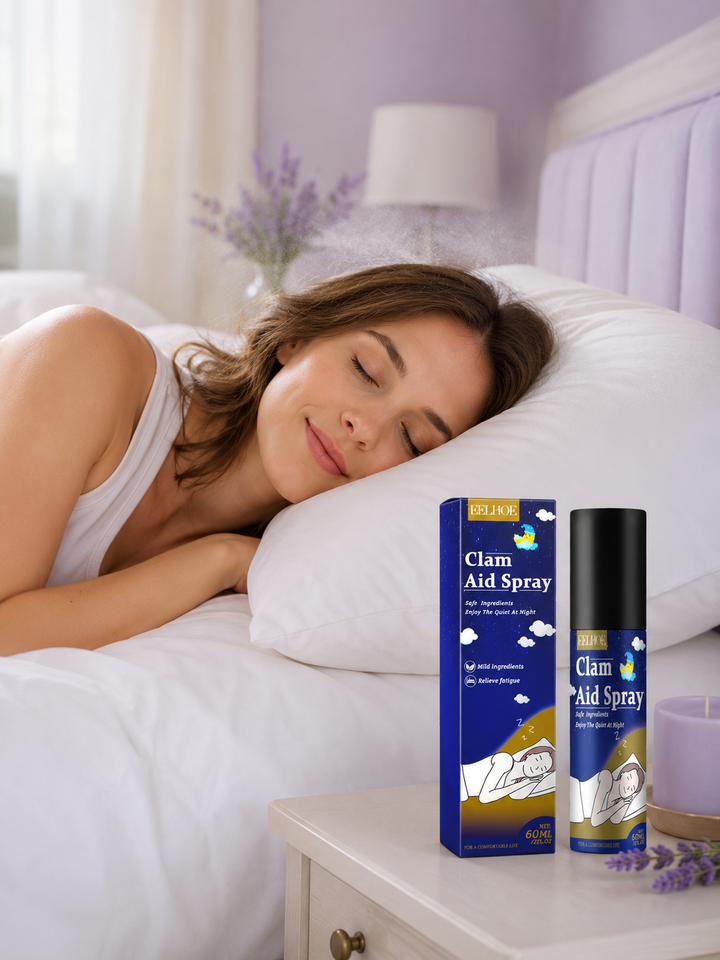
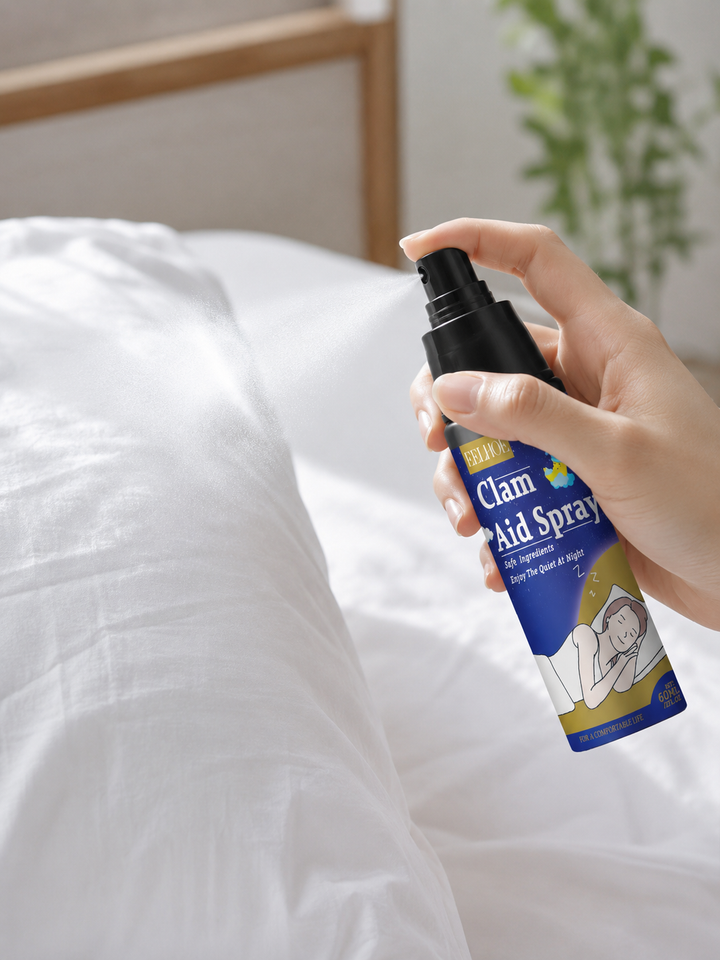
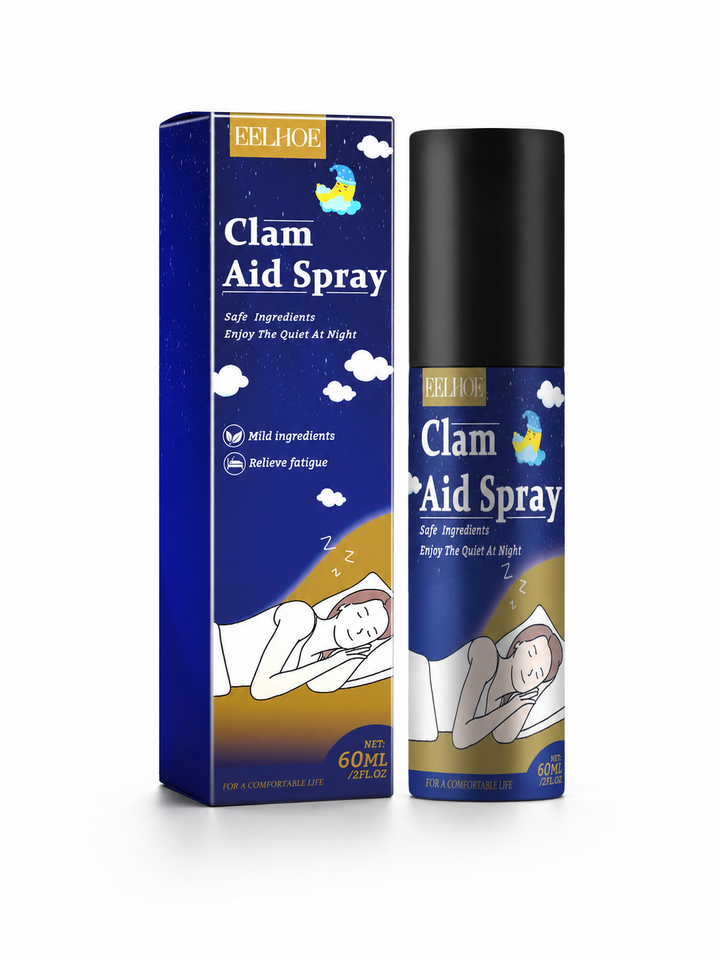

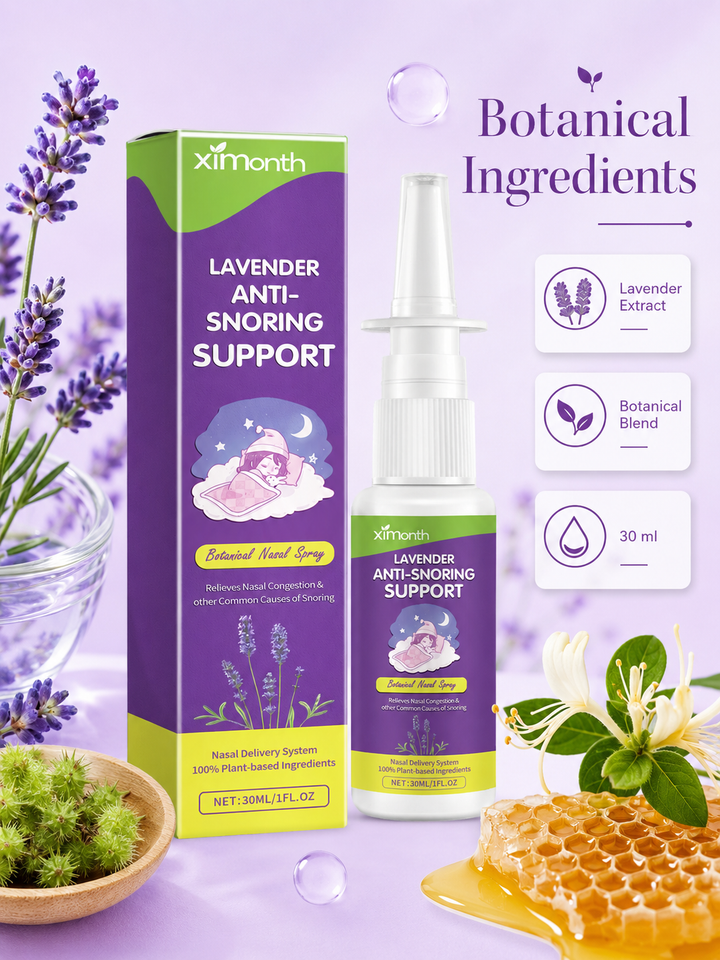
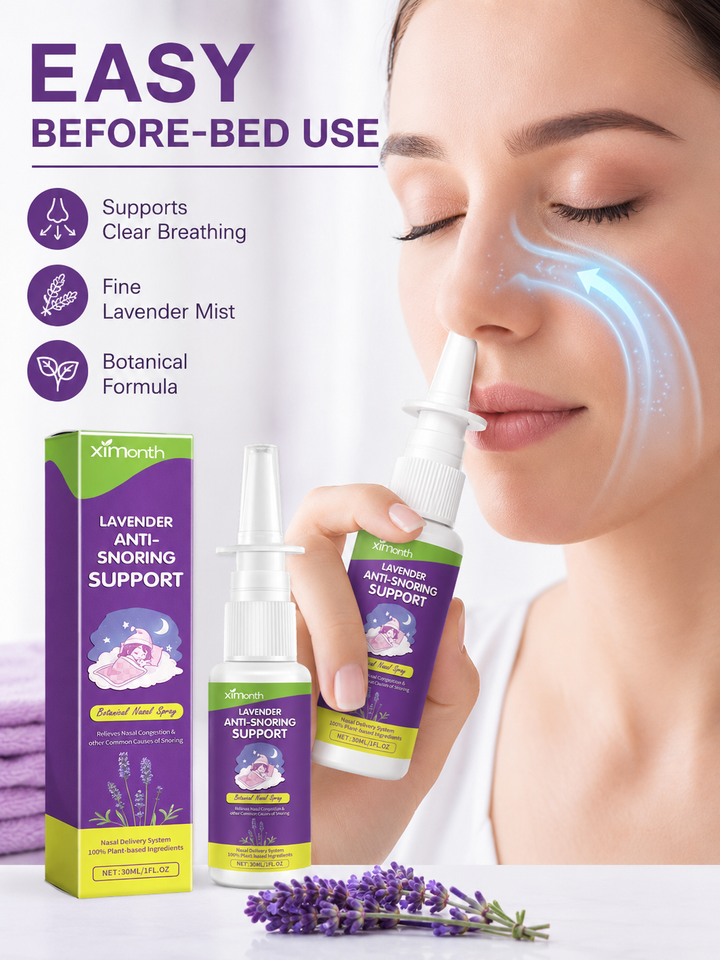
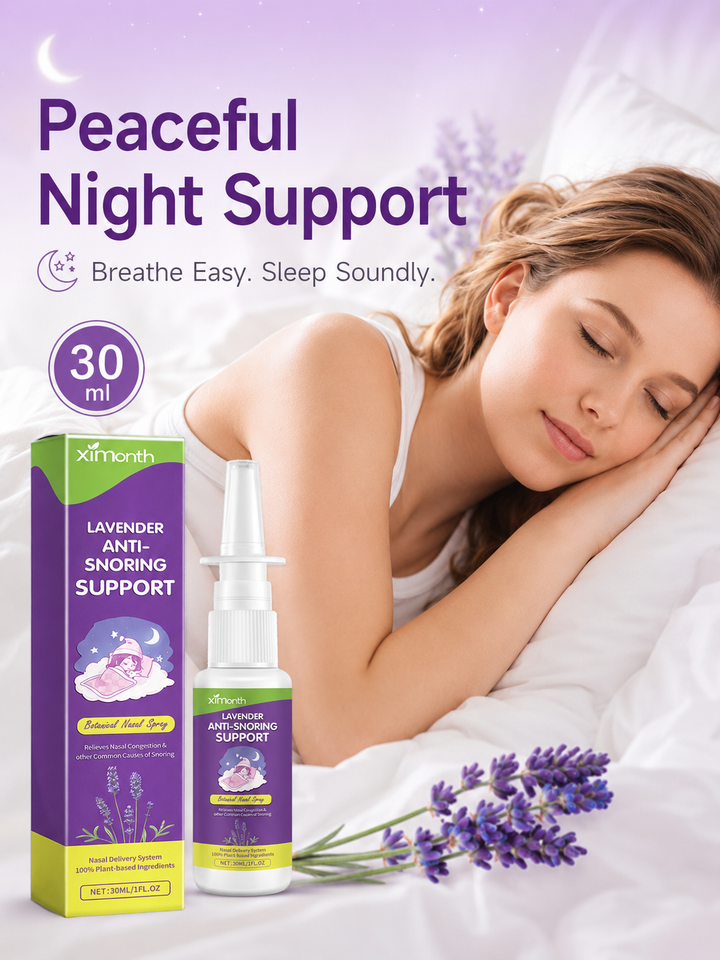

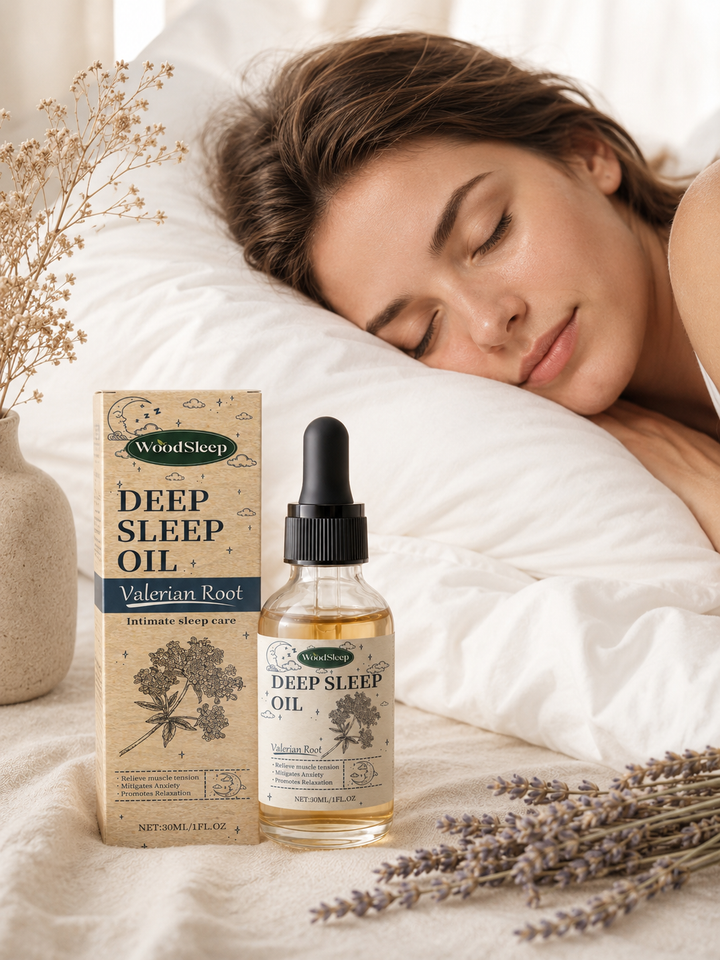
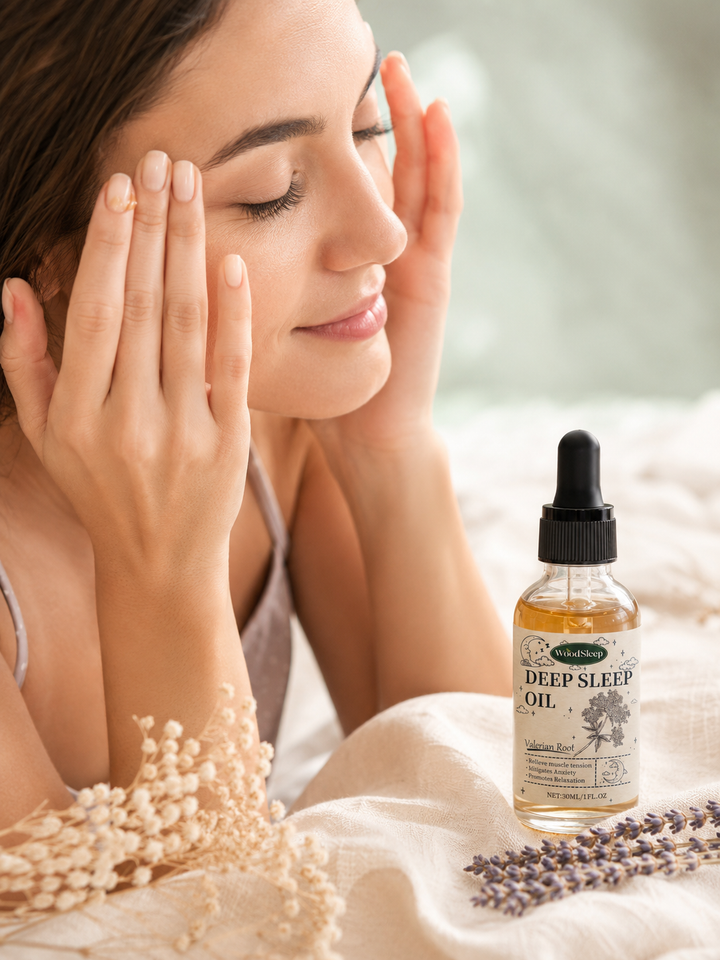
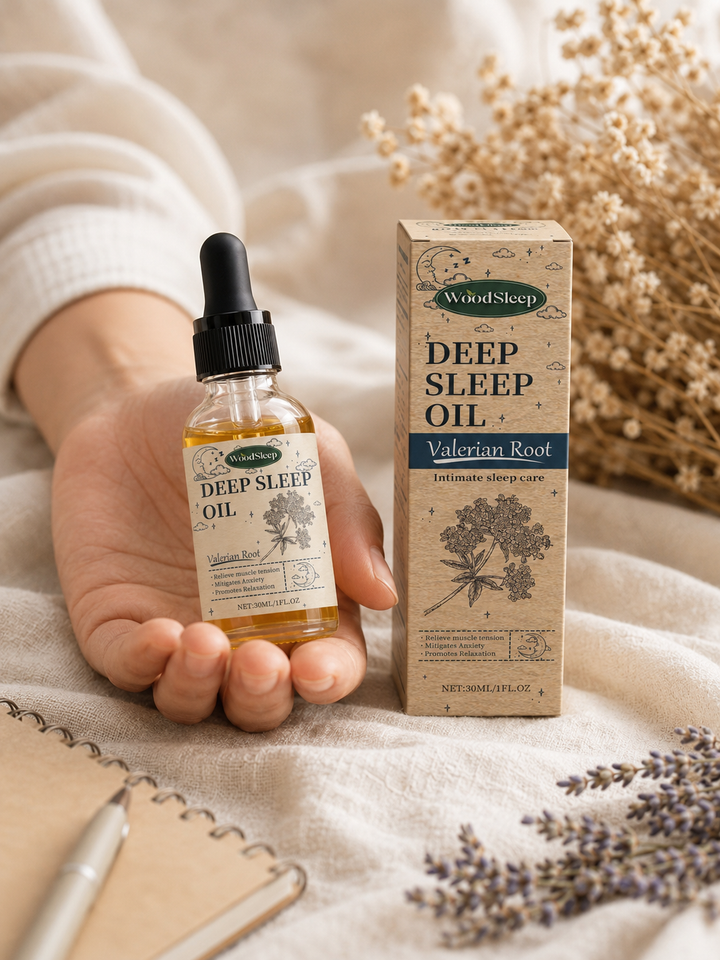


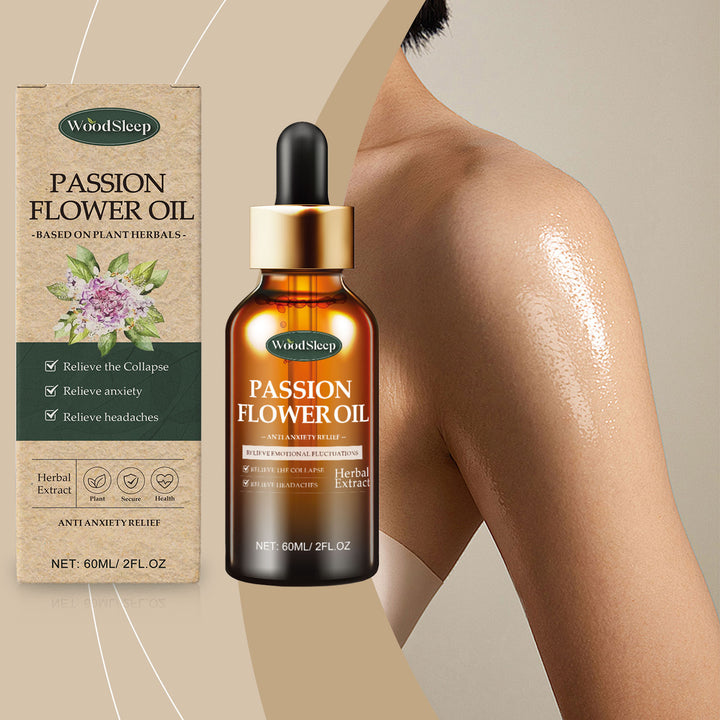
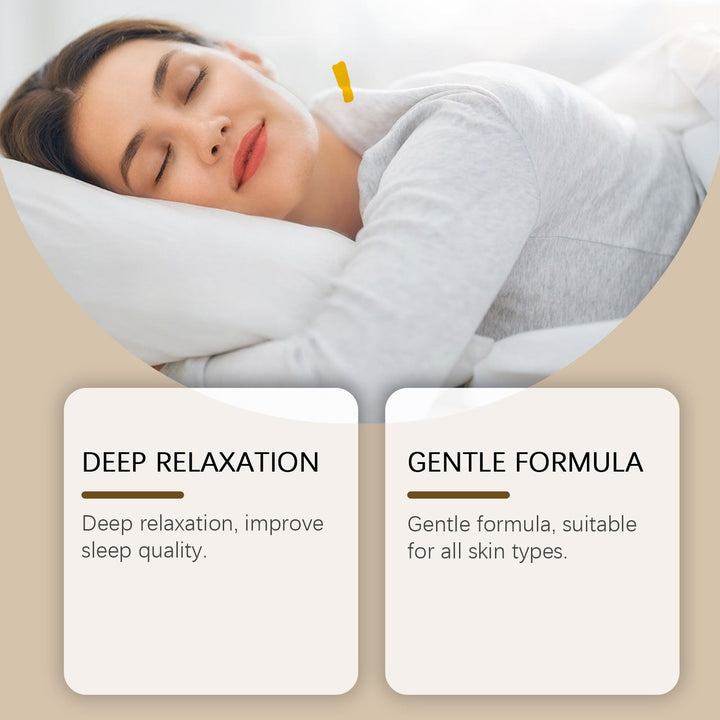




Explore sleep essential oils, sprays, and oil-based sleep products designed to support a calming bedtime routine. This category includes lavender-focused options, blends with chamomile or valerian, magnesium sleep oil, and convenient room or pillow sprays.
How to choose sleep essential oils
Start by choosing the format that fits your bedtime routine. Lavender Essential Oil for Sleep can be used in a diffuser or diluted for topical application when the product label allows it. Lavender Sleep Spray and Natural Sleep Spray offer a ready-to-use mist for bedding or the surrounding room. If you prefer a more distinctive scent, Chamomile Sleep Oil combines lavender and chamomile, while Passion Flower Sleep Oil and Valerian Root Sleep Oil provide herbal alternatives. Magnesium Sleep Oil is another topical option, but it should be used only as directed. Compare the ingredient list, scent strength, application method, and any dilution instructions before buying. If you are shopping for essential oils for sleep and anxiety, choose a fragrance you find relaxing rather than relying on a one-size-fits-all scent.
Which essential oils for sleep are best for you?
Lavender is a familiar choice for shoppers seeking a simple, floral bedtime scent, making Lavender Essential Oil for Sleep a straightforward starting point. Chamomile may suit people who prefer a softer herbal note, while valerian and passion flower products have deeper, more botanical aromas. A sleep essential oil blend can be convenient when you want several ingredients in one formula instead of creating a sleep essential oil blend recipe yourself. Sprays are useful when you want quick, low-mess application, whereas oils may suit diffuser users or shoppers who prefer a concentrated product. For essential oils for sleep not lavender, compare Chamomile Sleep Oil, Valerian Root Sleep Oil, and Passion Flower Sleep Oil. Read the full label because scent profile, intended use, and application directions vary by product.
What to look for in an essential oil for sleep
Look for clear product details that explain whether the item is a pure essential oil, a pre-diluted topical oil, or a water-based spray. The label should identify the ingredients, suggested use, cautions, and whether the product is intended for a diffuser, skin, bedding, or room air. A product such as Lavender Anti-Snoring Nasal Spray has a different application from a diffuser oil, so do not substitute one for another. If you are comparing doterra essential oils for sleep or essential oils for sleep young living, focus on the formula and directions rather than the brand name: this category does not include those brands. Also consider bottle size, spray format, scent intensity, and whether you want a single-note lavender product or a sleep essential oils blend.
How to use essential oils for sleep
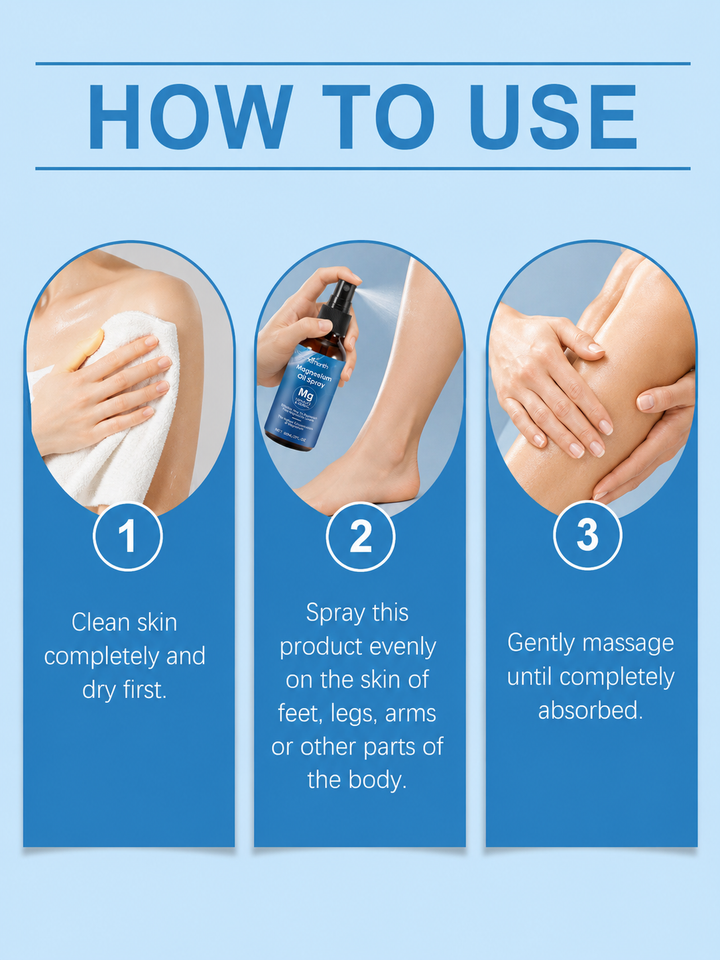
Use each product only in the way stated on its label. For diffuser use, add the specified amount to a compatible diffuser and follow the device instructions; do not place undiluted essential oil directly on skin unless the product is specifically prepared for topical use. For a sleep spray, mist the recommended area rather than saturating bedding, and allow the room or fabric to air as directed. Topical products such as Magnesium Sleep Oil may require application to particular areas and may have skin-use cautions. Keep oils and sprays away from eyes, mouth, and children, and check guidance for pets, pregnancy, allergies, asthma, or sensitive skin when relevant. Avoid ingesting essential oils. Stop using a product if irritation or discomfort occurs.
Common mistakes when using sleep essential oils
One common mistake is assuming that a strong scent will work better. Start with the label’s recommended use and choose a fragrance you can tolerate comfortably throughout the night. Another is using a diffuser oil as a skin oil, or applying a spray intended for bedding directly to the body. Do not mix several products simply because they are all marketed for sleep; combining lavender, chamomile, valerian, or other oils can create an unpleasant or overly intense aroma. If you are wondering what essential oils you should not mix together, check each product’s instructions and avoid homemade combinations when compatibility or dilution is unclear. Keep bottles closed, store them away from heat and sunlight, and do not use nasal spray, topical oil, or room spray interchangeably.
Who are sleep essential oils and sprays suited for?
These products may suit adults who want to add a calming scent to a consistent evening routine, whether through a diffuser, a pillow or room mist, or a labeled topical oil. Lavender options are useful for shoppers who want a familiar floral aroma, while chamomile, valerian, and passion flower products offer alternatives to lavender. Sprays can be convenient for travel or for people who do not own a diffuser. They are not a replacement for professional advice or treatment, and suitability depends on the product’s ingredients and directions. Check the label before use if you have sensitive skin, fragrance sensitivity, breathing concerns, allergies, or share a room with children or pets. Choose Lavender Sleep Spray or Natural Sleep Spray for simple application, or compare the oil products when you prefer a more concentrated format.
Frequently asked questions
What is the best essential oil for sleeping?
Lavender is a popular starting point because its floral scent is familiar and available in several formats, including Lavender Essential Oil for Sleep and Lavender Sleep Spray. The best choice depends on the scent, format, and application method you prefer, so chamomile, valerian, or passion flower may suit you better.
Which oil is best for sleeping?
There is no single best oil for everyone. Choose lavender for a classic floral option, Chamomile Sleep Oil for a softer herbal profile, or Valerian Root Sleep Oil and Passion Flower Sleep Oil if you prefer deeper botanical aromas. Follow the product label and select an oil prepared for your intended use.
What essential oil makes you fall asleep quicker?
No essential oil can be guaranteed to make you fall asleep faster. A calming scent may help make your bedtime environment more comfortable, but individual responses vary. Use a labeled lavender oil, blend, or spray as part of a consistent routine rather than treating it as a guaranteed sleep solution.
Where do you put essential oils to help you sleep?
Use the product only where its label permits. Diffuser oils belong in a compatible diffuser, while a labeled sleep spray may be used on bedding or in the room as directed. Apply topical oils only when they are formulated for skin use and follow dilution and placement instructions; never put undiluted oil in your eyes, mouth, or nose.
What scent makes you fall asleep fast?
Scent preferences are personal, and no fragrance is guaranteed to make you fall asleep quickly. Lavender is a common bedtime choice, while chamomile, valerian, and blended herbal scents offer alternatives. Choose a fragrance you find pleasant and use it in a well-ventilated space according to the product directions.
What essential oils should you not mix together?
Do not mix oils when the product label does not provide compatible ingredients, dilution guidance, or intended use. Combining several strong scents can create an unpleasant aroma and may increase exposure. For a ready-made combination, choose a labeled sleep essential oil blend instead of making a recipe from separate oils.