Lavender Body Spray & Soothing Sleep Oil Mist for Calm
12 items
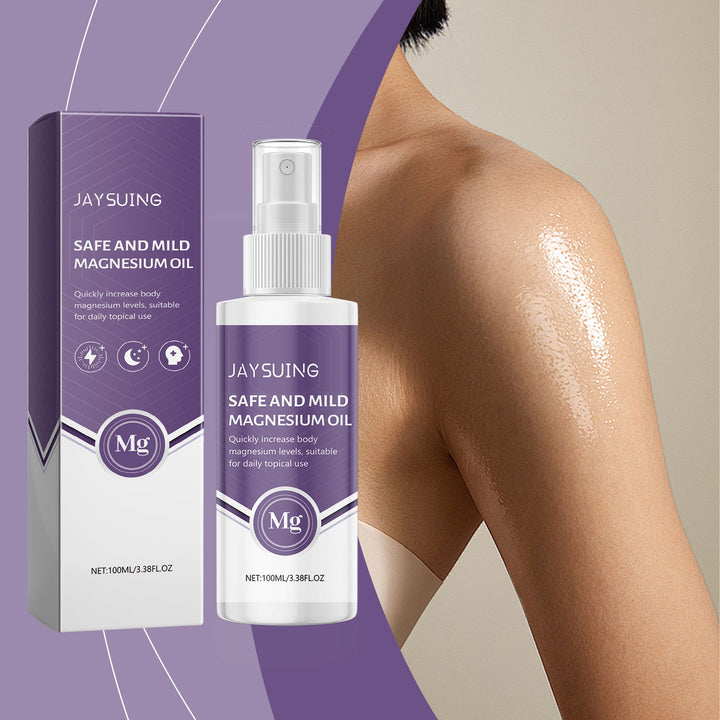
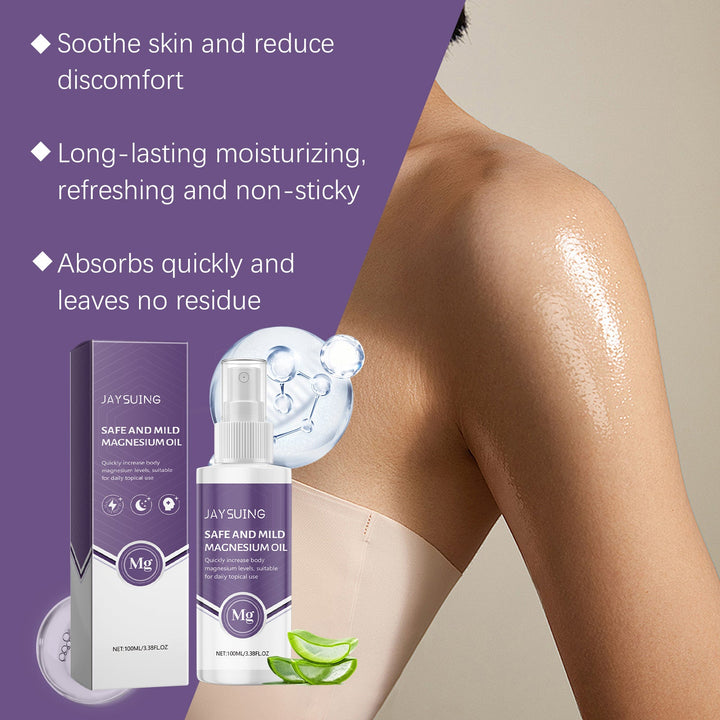
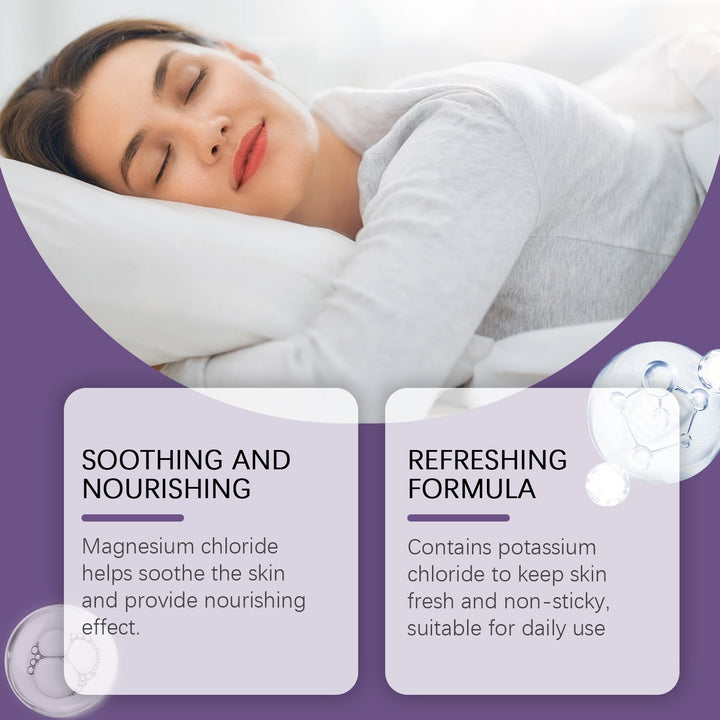


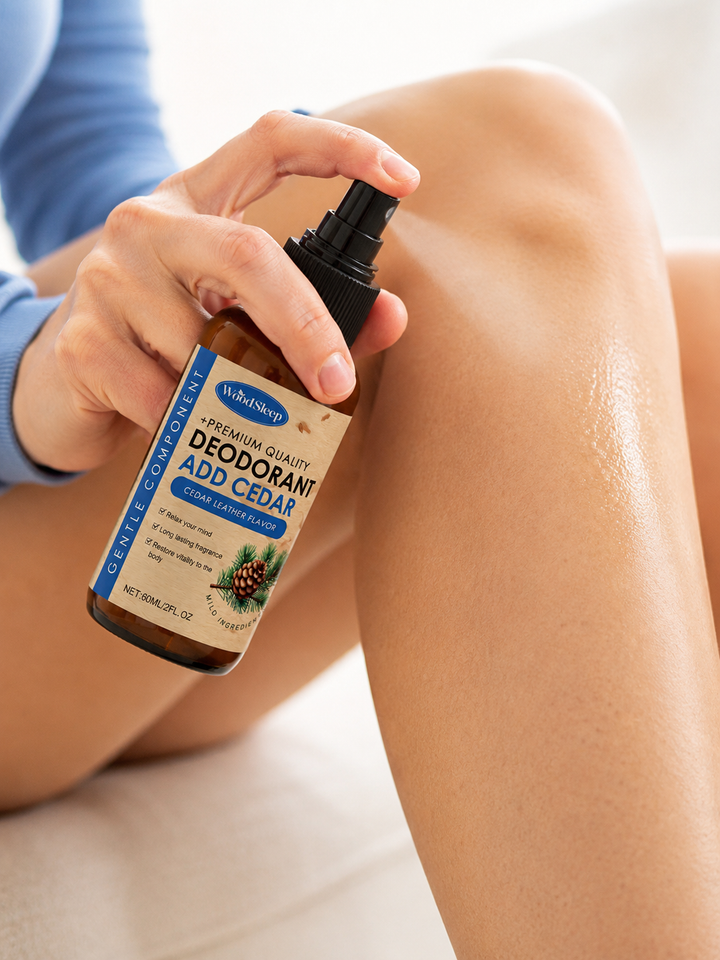
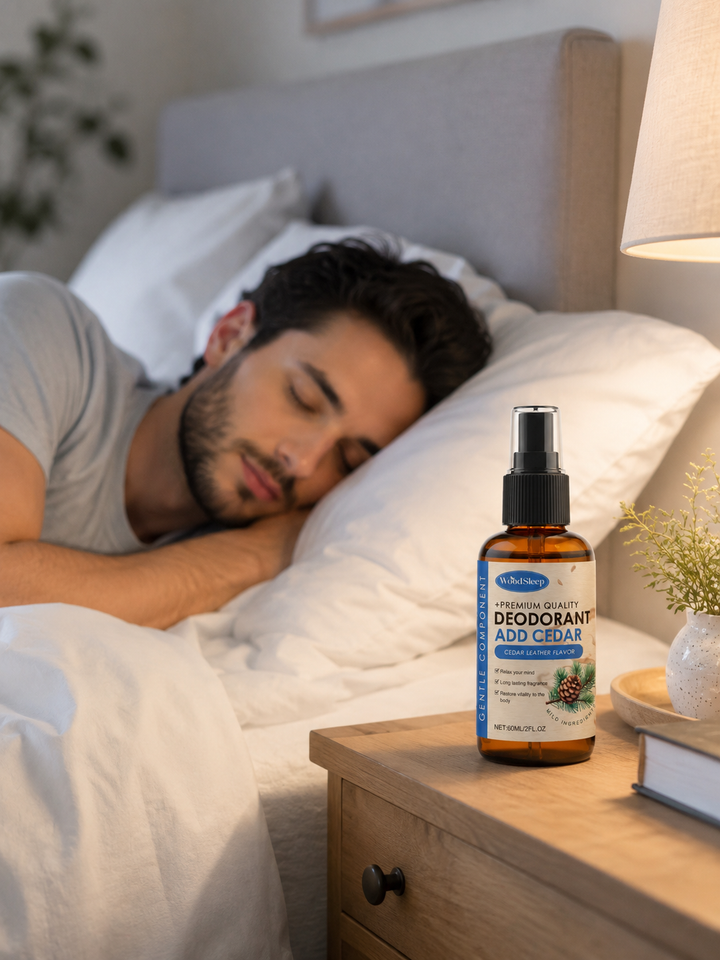

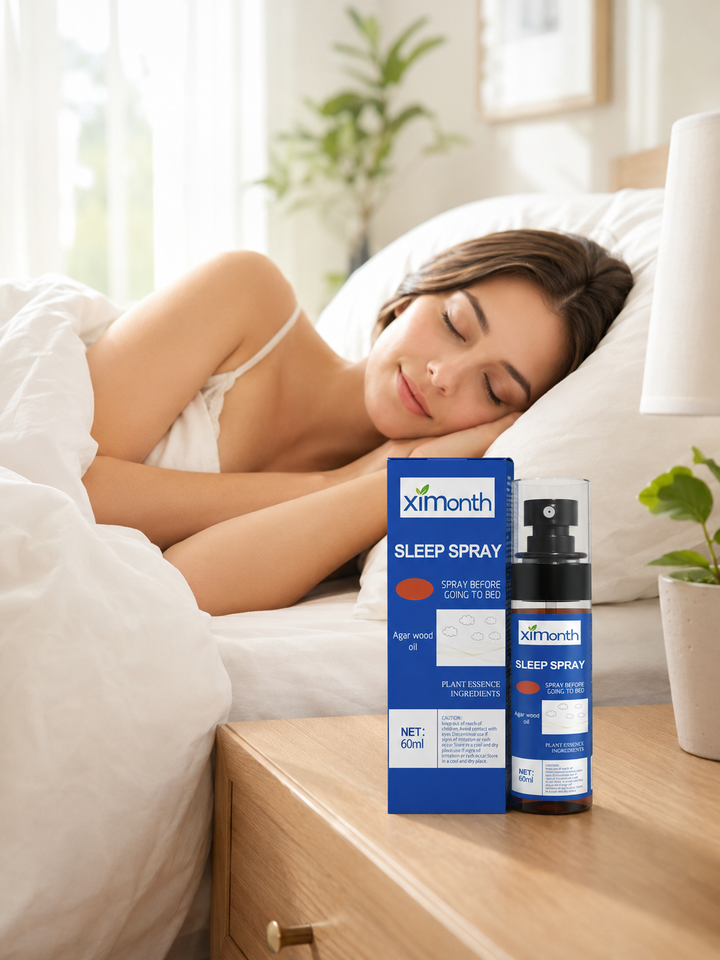
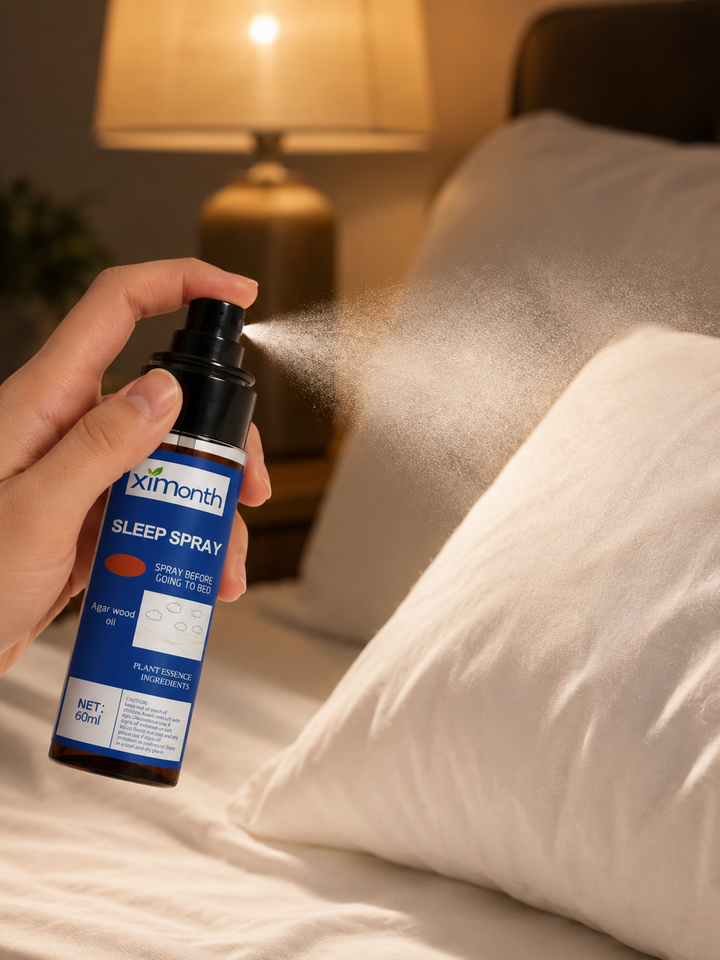
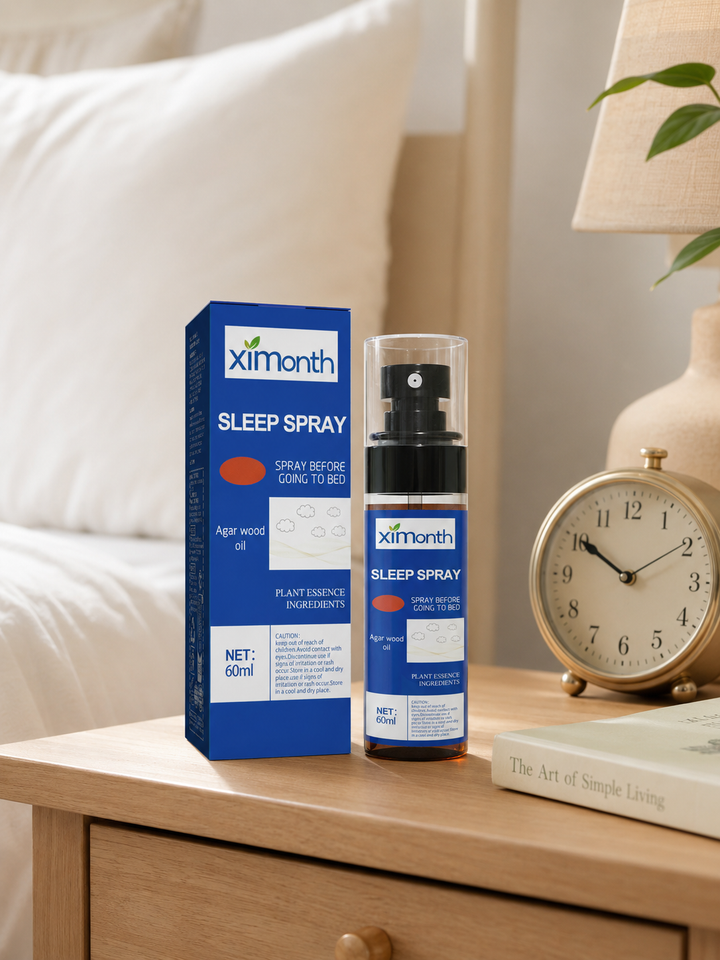

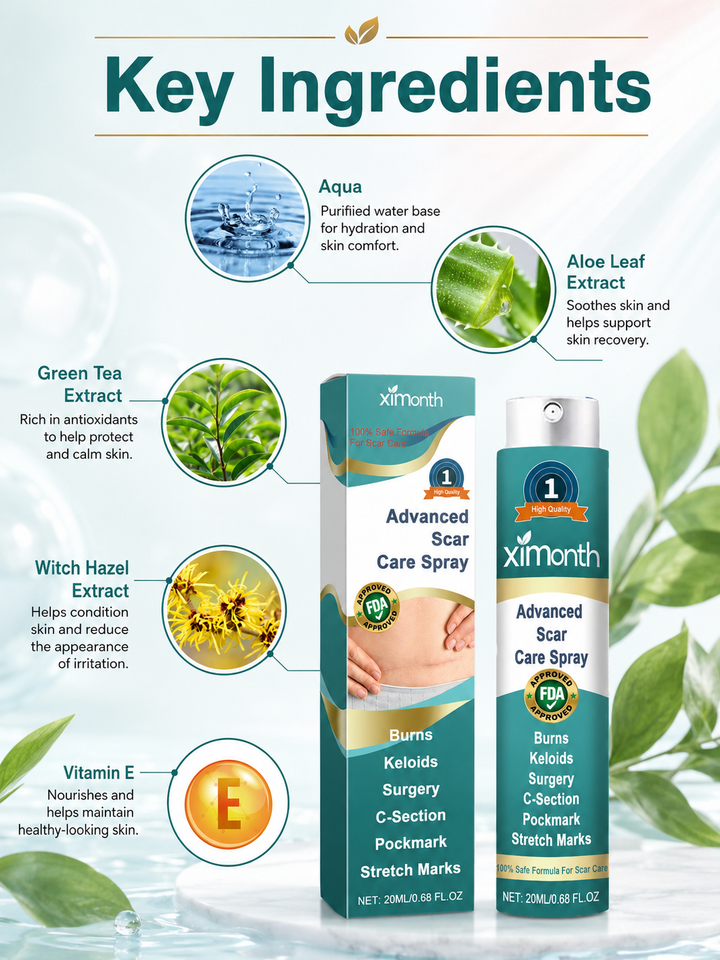



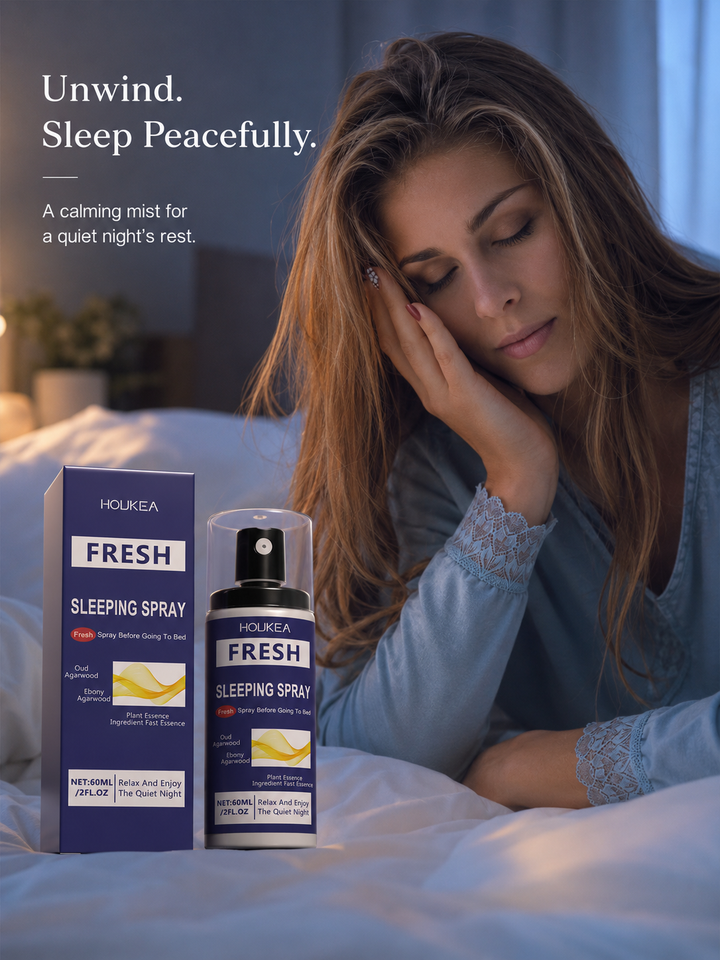
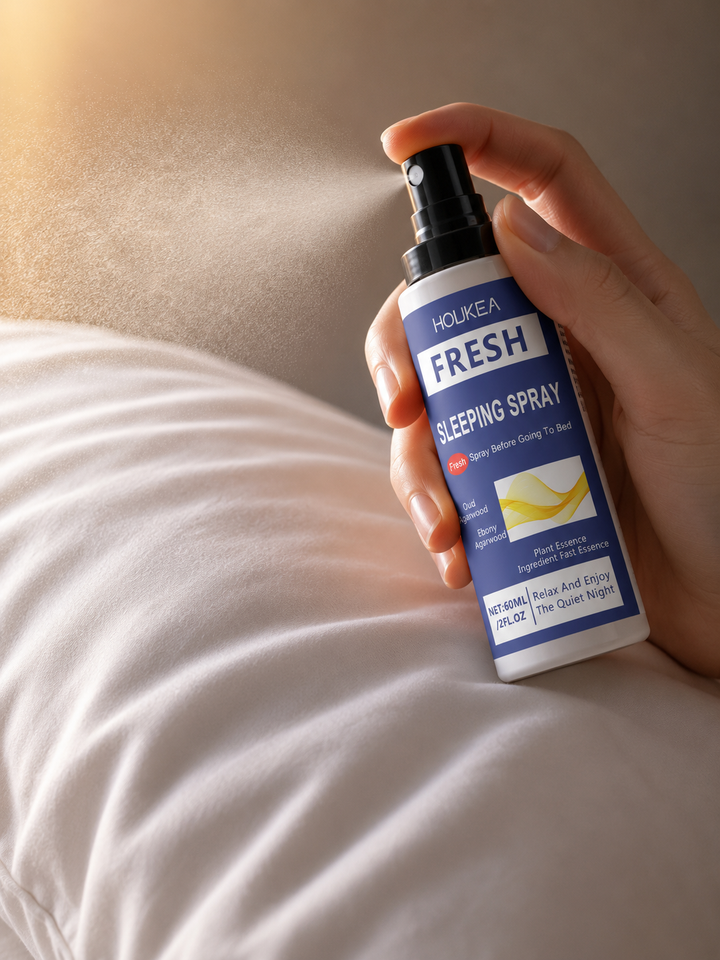
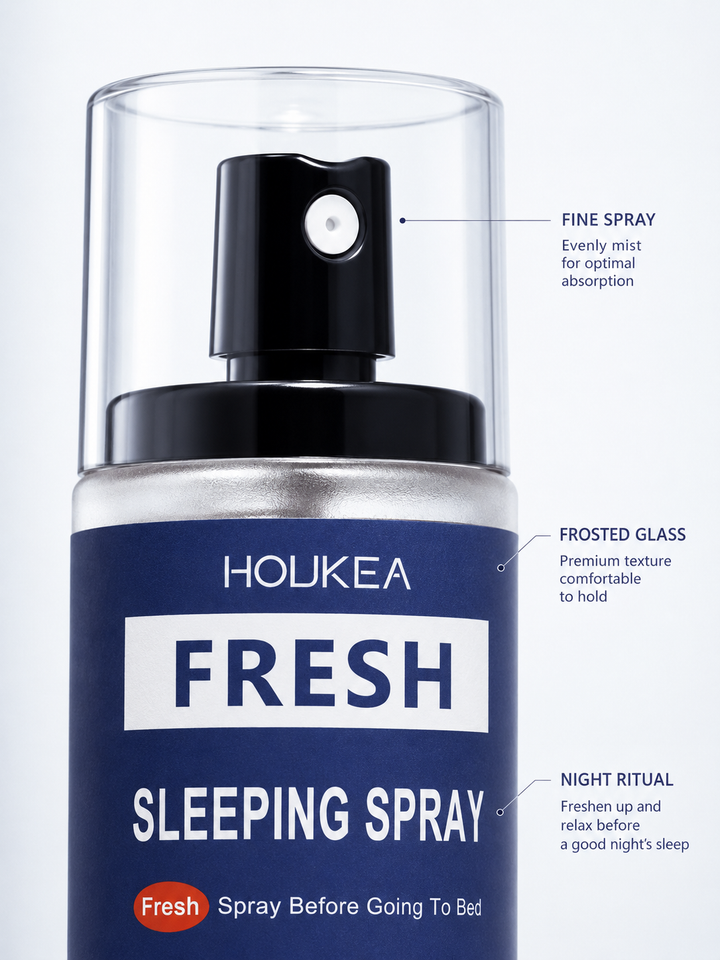

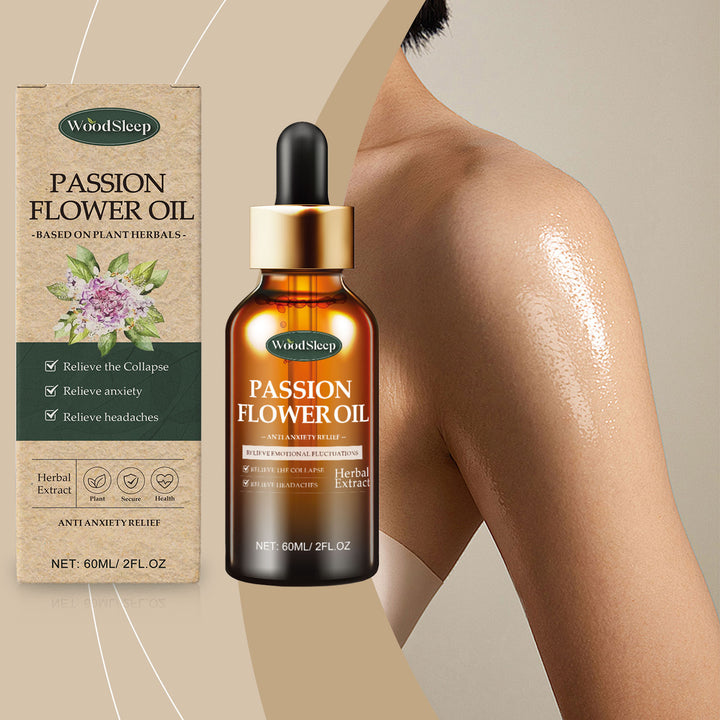

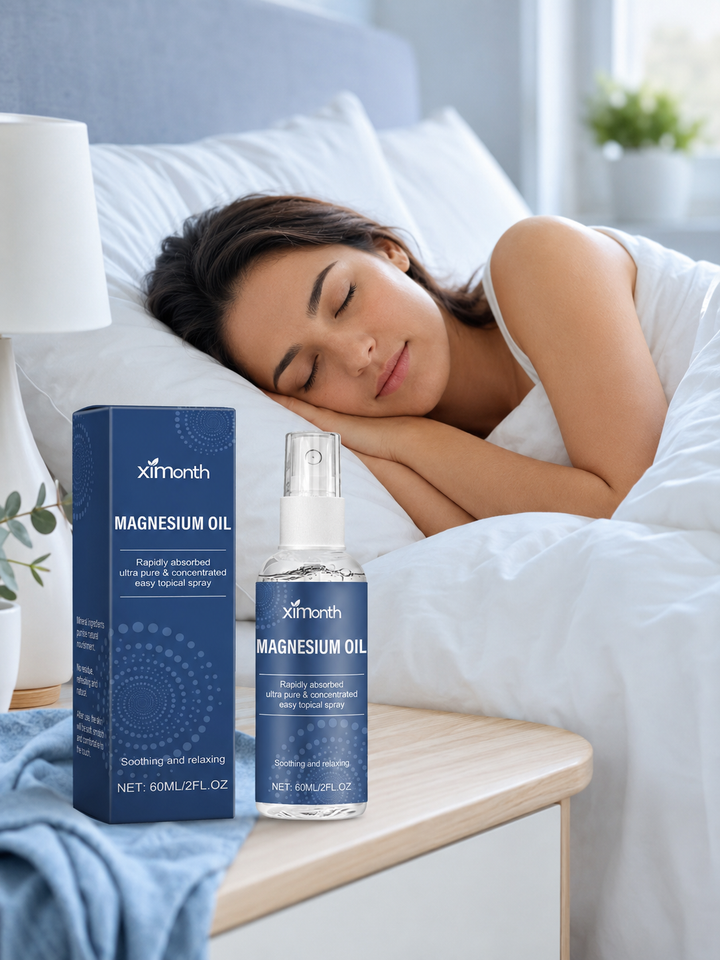
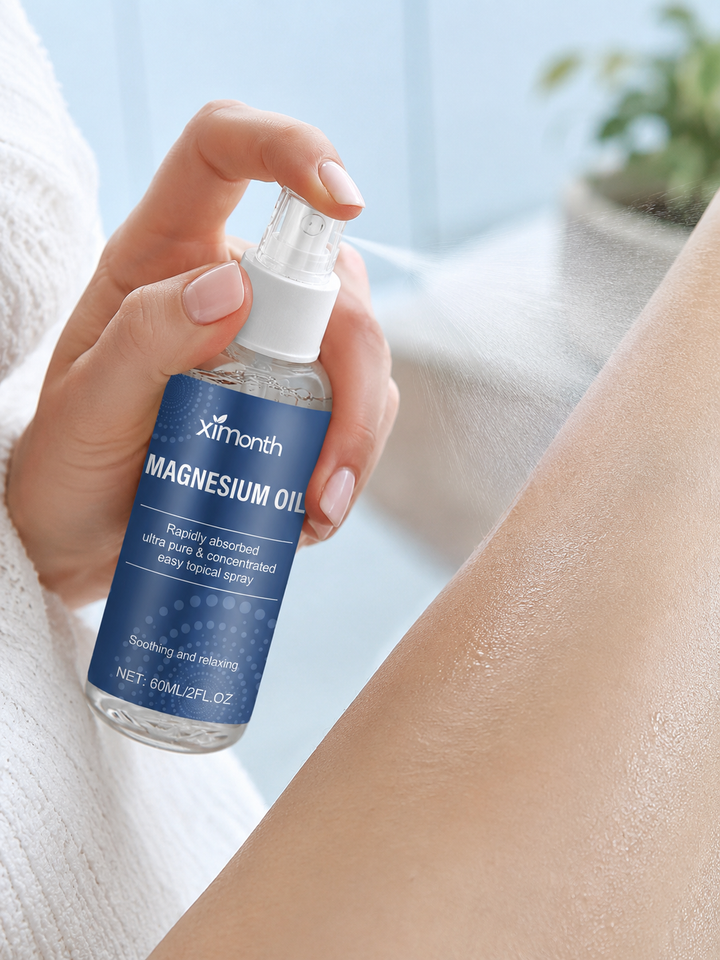
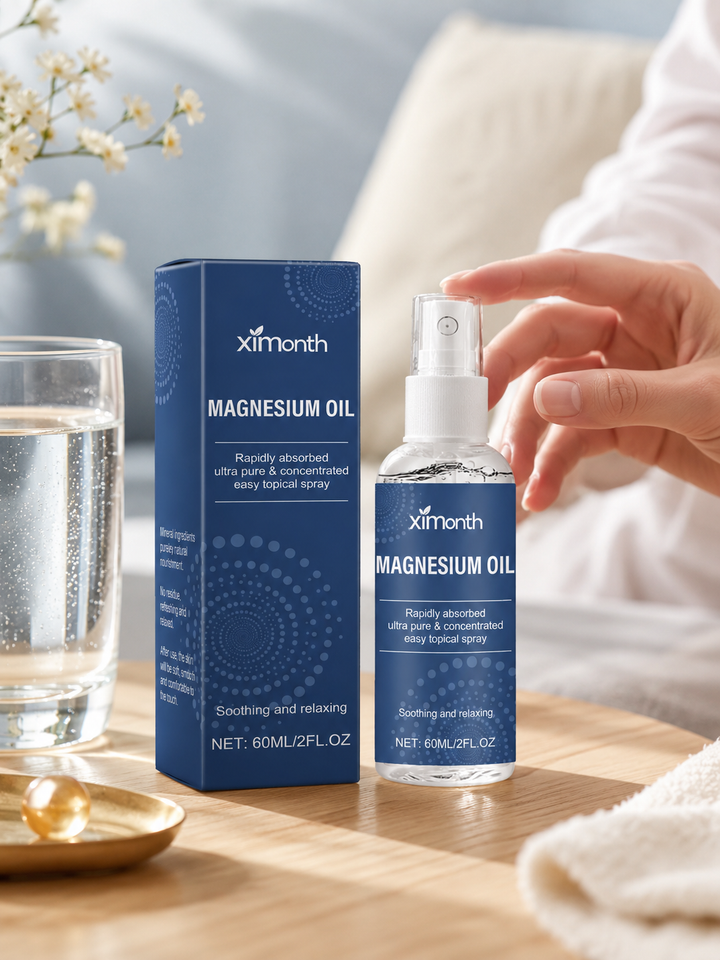

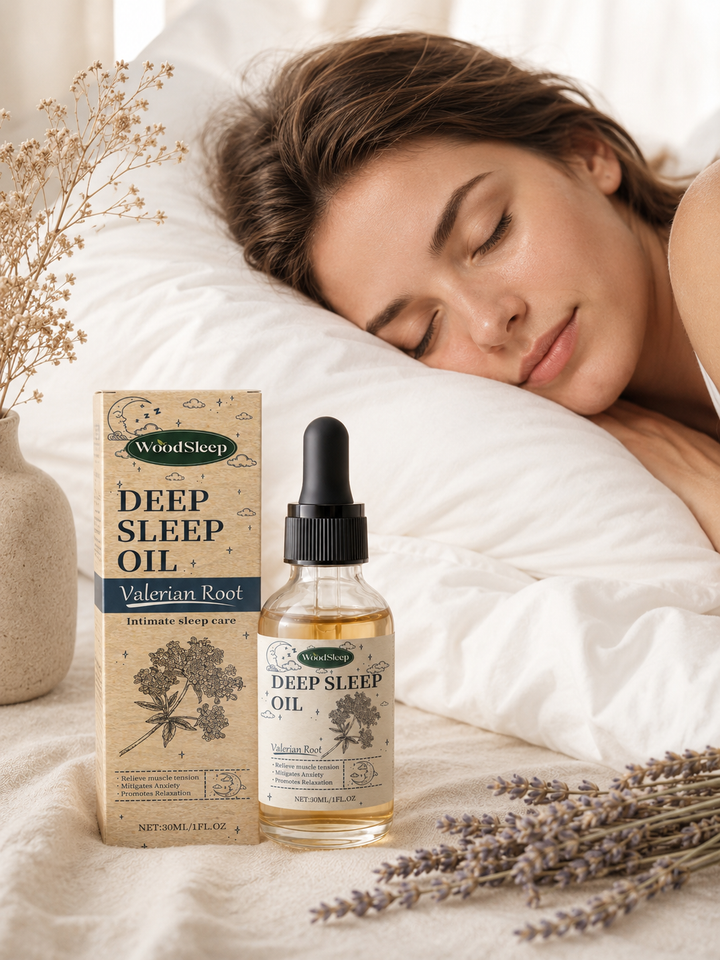
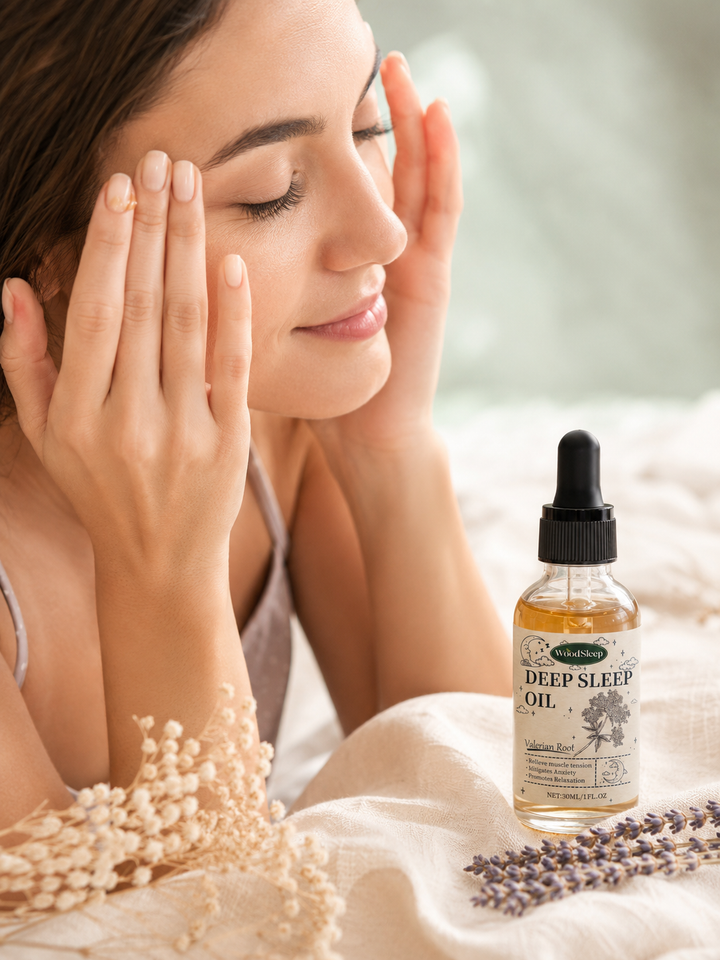
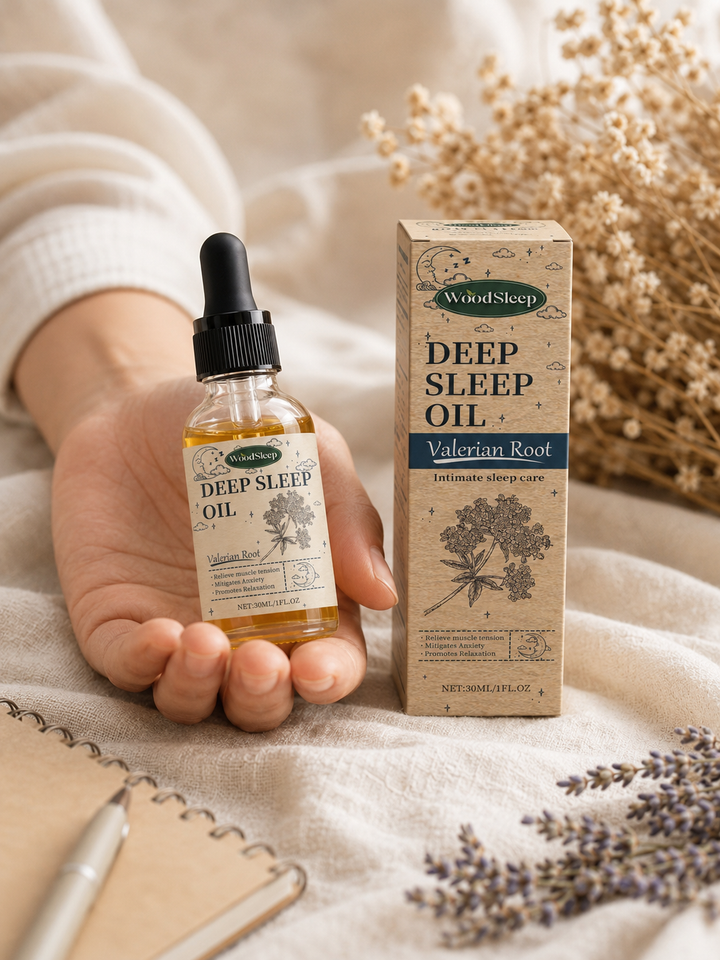

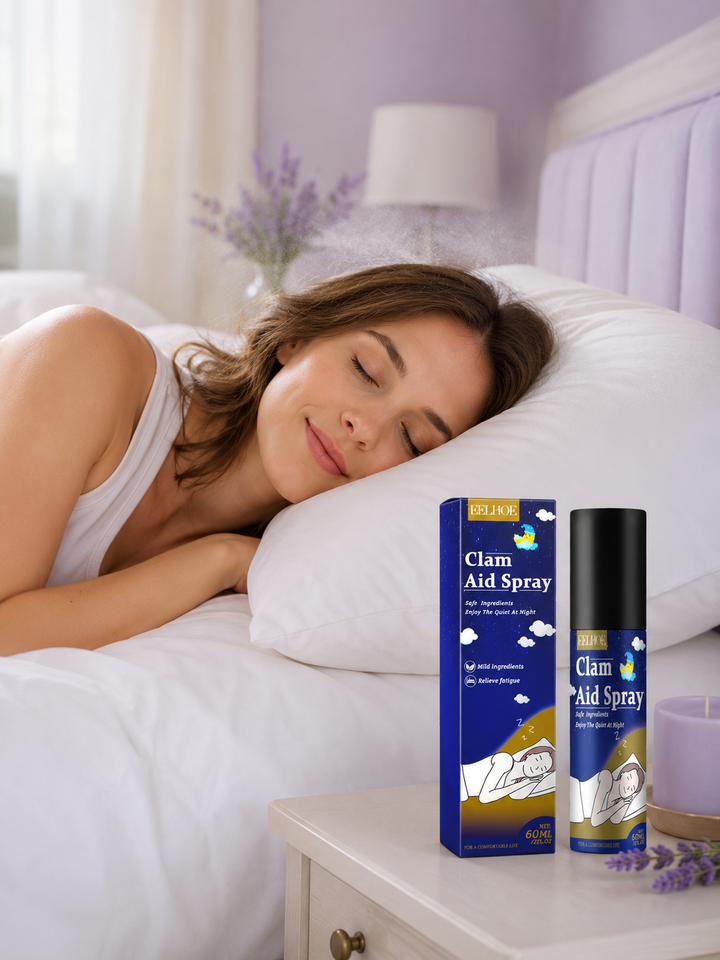
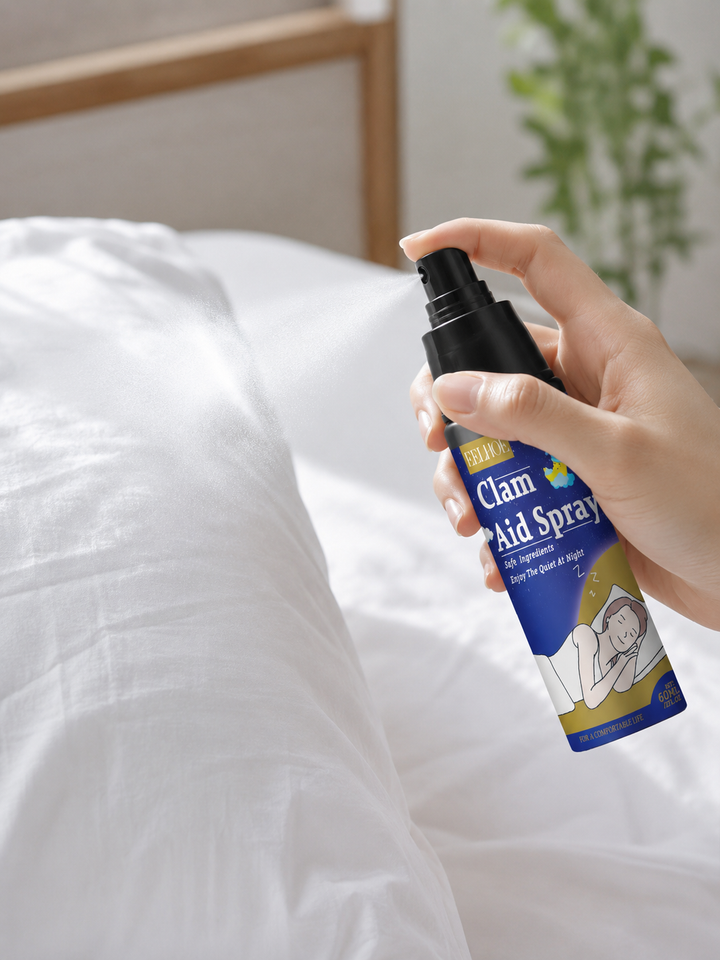
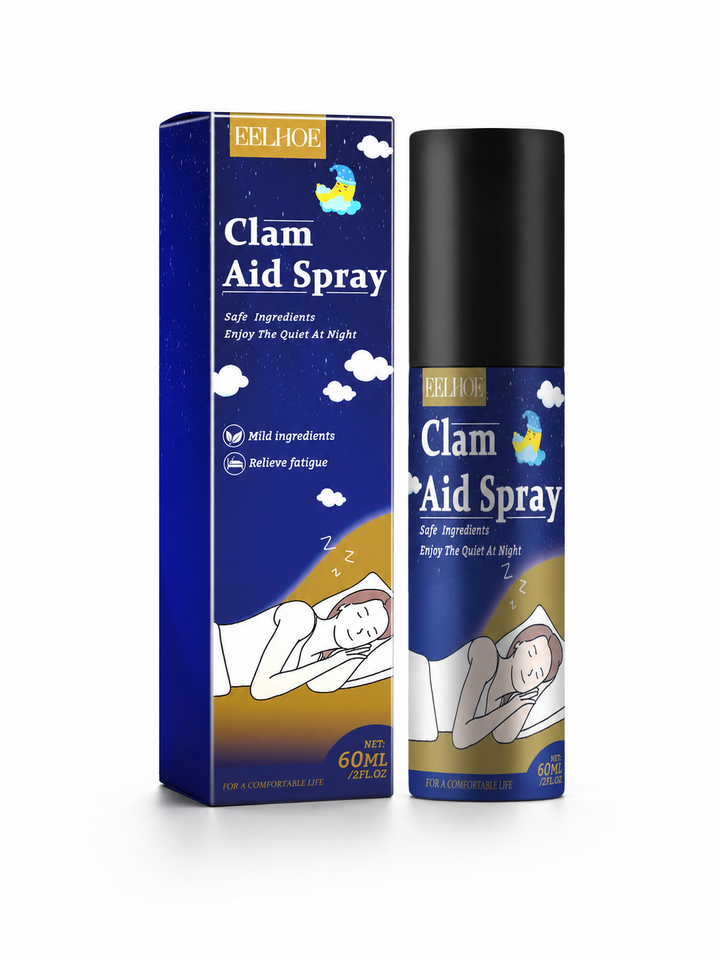

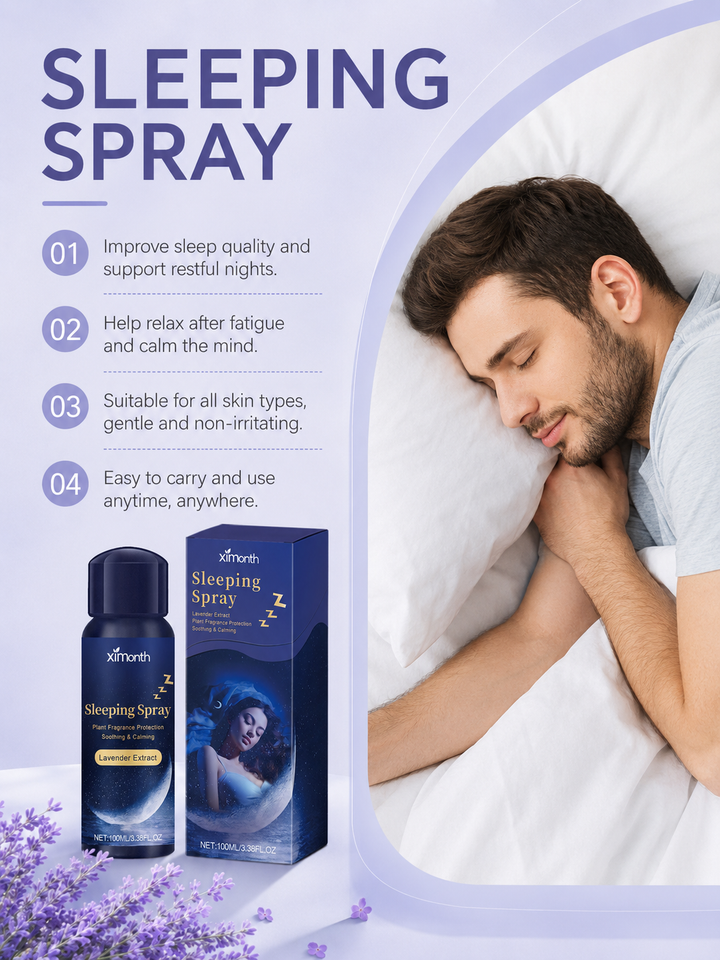
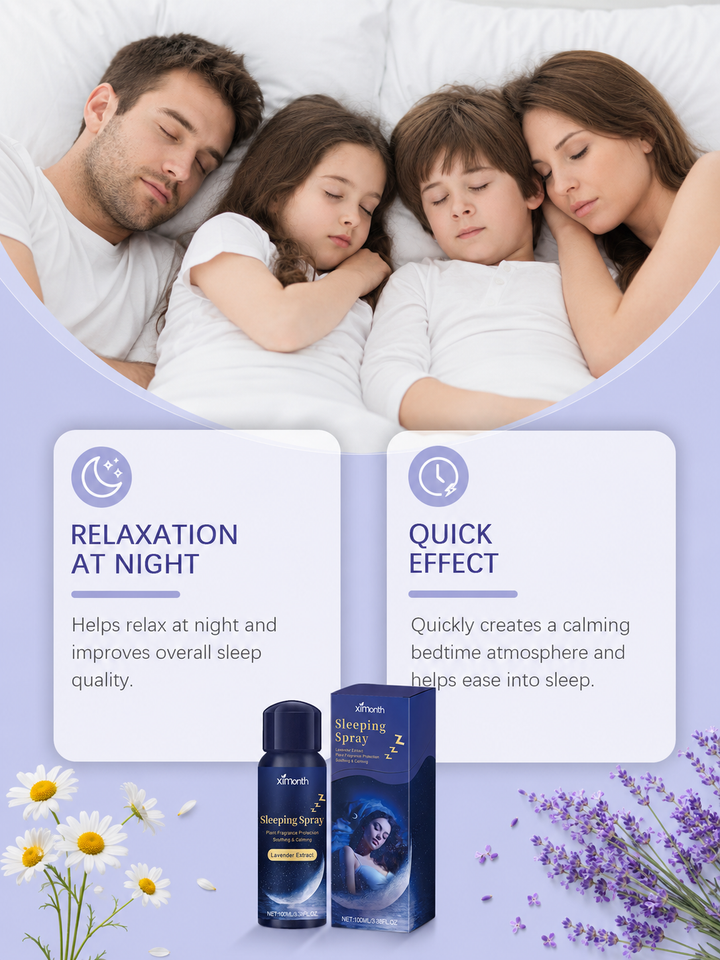





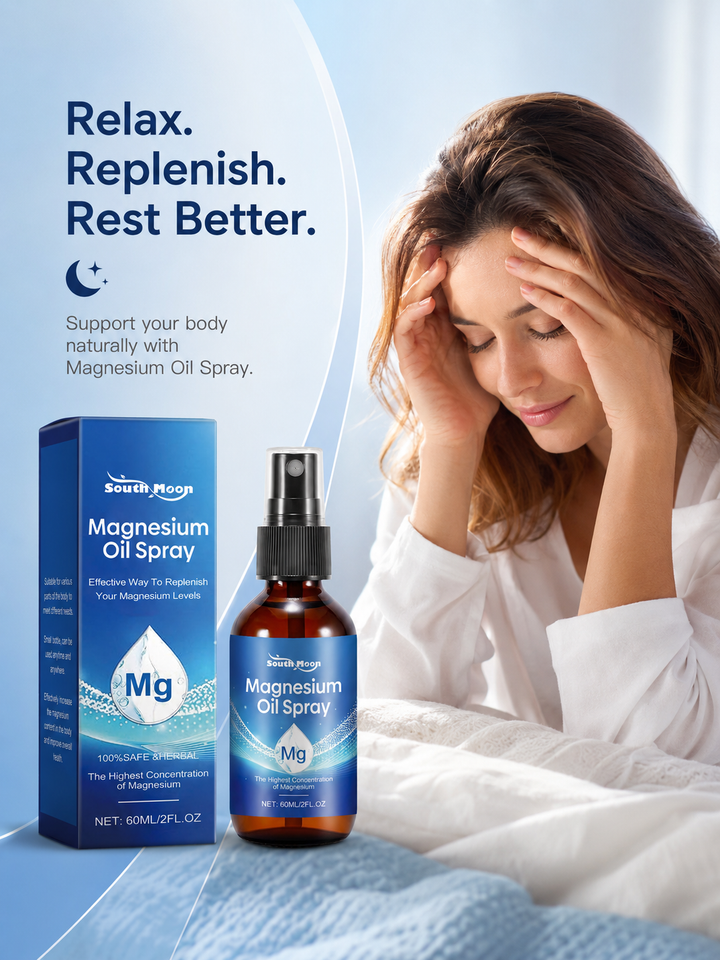

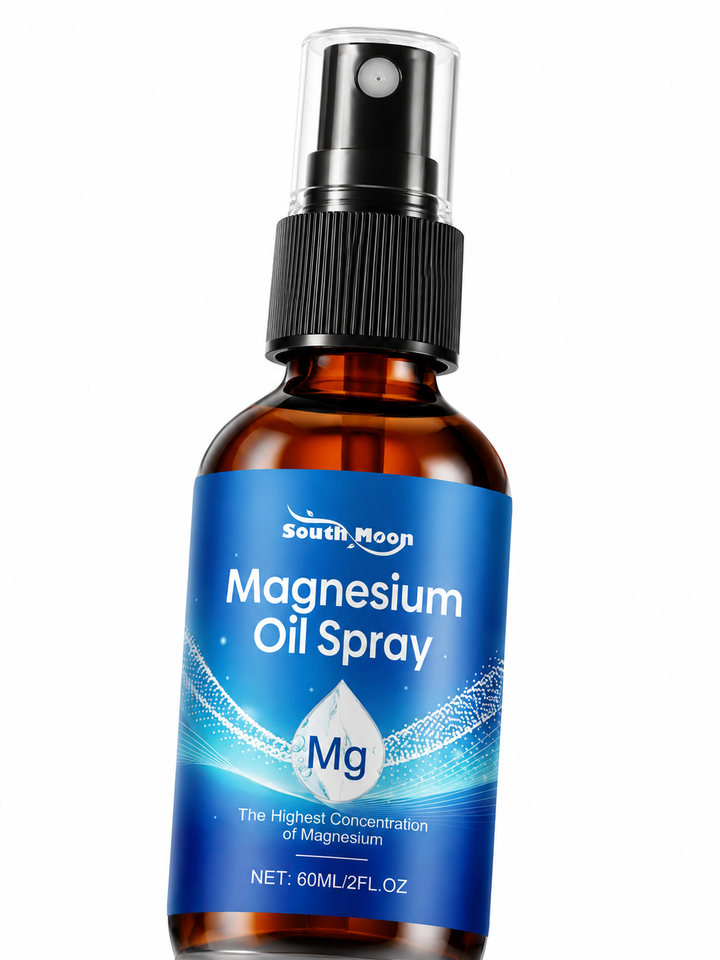
Explore lavender body sprays, pillow mists, magnesium sprays, and botanical sleep oils designed to support a calming bedtime routine. Choose a lightweight mist for linens and room use, a moisturizing body spray for skin, or a concentrated oil blend for a more personal nighttime ritual.
How to choose a sleep spray
Start with where and how you want to use the product. A lavender sleep spray or pillow mist is suited to bedding, pajamas, or the surrounding room, while a magnesium body spray is made for skin and adds quick, non-sticky moisture. Passion flower and valerian root sleep oils offer a concentrated botanical format for users who prefer applying a small amount as part of a bedtime ritual. Check the label for directions and intended use before buying. If you are comparing the best sleep spray for adults, consider scent strength, texture, bottle size, and whether you want an aromatherapy mist, body product, or oil. Avoid products described for external use if you are looking for a sleep spray mouth product; these mists are not oral sprays.
What types of sleep spray are available?
Lavender sleep sprays are the simplest choice for a familiar floral scent and easy pillow or room application. Aromatherapy sleep sprays can combine a relaxing fragrance with a fine mist for use before bed. Magnesium body sprays are designed for external use on skin and may suit shoppers who want nighttime moisture without an oily finish. Sleep oils, including passion flower and valerian root options, have a richer texture and work well for a more deliberate evening routine. Skin repair spray is another option when soothing, moisturized-feeling skin is the priority. These formats are not interchangeable: do not use a body spray on bedding unless the label allows it, and do not use a pillow mist directly in the mouth.
What ingredients should you look for in a sleep spray?
Look for ingredients that match the experience you want rather than choosing by the word “sleep” alone. Lavender is commonly selected for its soft, recognizable aroma, while passion flower and valerian root appear in botanical sleep oils for a more herbal scent profile. Magnesium body sprays focus on a lightweight, water-based feel and nighttime skin care. Also check the full ingredient list for fragrance components, botanical extracts, preservatives, and any ingredients you already know your skin does not tolerate. A short list is not automatically better, and “natural” does not guarantee that a product will suit everyone. For sensitive skin, patch-test an external product as directed and stop use if irritation occurs.
How do you use a pillow mist or sleep spray?
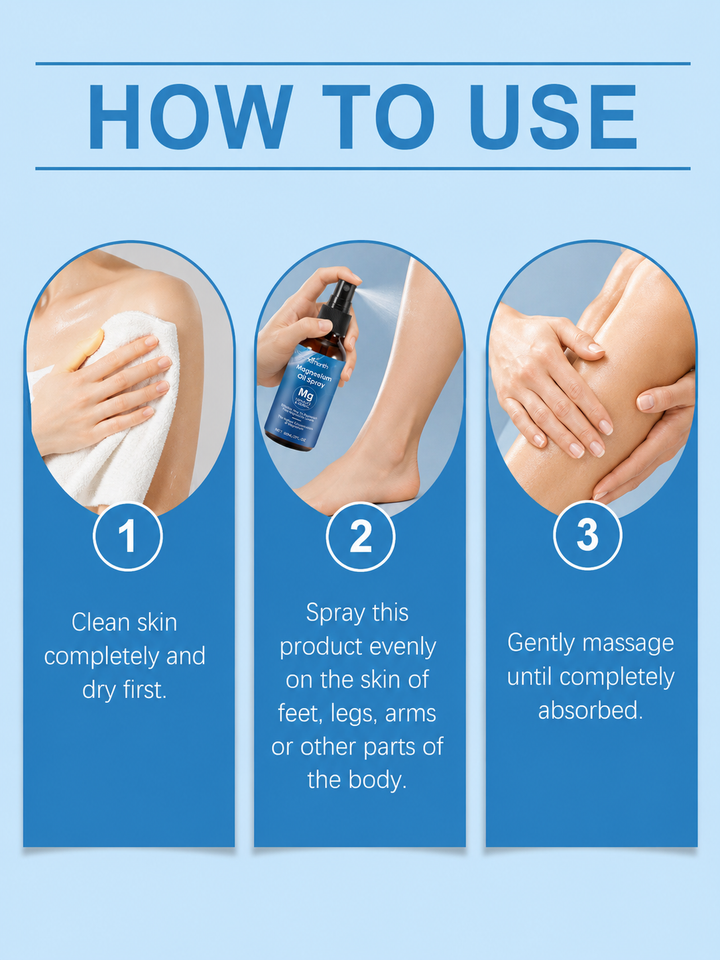
Follow the product label because application varies by format. For a pillow mist or lavender sleep spray, lightly mist the pillow, linens, or surrounding air from the recommended distance and allow the scent to settle before lying down. For magnesium or skin sprays, apply only to clean external skin as directed, avoiding the eyes, mouth, and broken or irritated areas. Apply sleep oils sparingly according to their instructions; oils can transfer to fabric and may feel richer than a mist. Keep every product away from children and pets unless the label specifically states otherwise. A spray works best as one part of a consistent wind-down routine, not as a substitute for sleep care or professional advice.
What are common sleep spray mistakes?
Using too much is one of the most common mistakes. Heavy fragrance can feel overpowering, so begin with a light application and increase only if the label permits. Another mistake is choosing a body spray for bedding or a pillow mist for skin without checking the intended use. Do not spray near the eyes, inhale the product directly, ingest an external-use formula, or apply it to damaged skin. Keep bottles away from heat and follow storage guidance, especially for oil blends. Shoppers also sometimes expect a sleep spray to work instantly or treat a sleep problem; these products are better viewed as sensory additions to a bedtime routine. Stop using any formula that causes discomfort and review its ingredients.
Who are sleep sprays and sleep oils suitable for?
These products are intended for adults who enjoy a calming scent, a pillow mist routine, or nighttime skin care. Adults seeking a best sleep spray for adults may prefer lavender for a familiar fragrance, magnesium body spray for a dry-feeling, non-sticky texture, or sleep oil for a richer botanical ritual. They are not automatically suitable for babies or children. For sleep spray for kids or sleep spray baby searches, do not assume an adult formula is appropriate; check age guidance, ingredients, and advice from a qualified healthcare professional. Anyone with fragrance sensitivity, allergies, respiratory concerns, pregnancy-related questions, or a skin condition should review the label and seek suitable professional guidance before use.
Frequently asked questions
Do sleep sprays really work?
A sleep spray may help make bedtime feel more relaxing through scent, texture, and routine, but experiences vary. It should be considered a personal-care or aromatherapy product, not a guaranteed solution for sleep difficulties.
What is the best sleep spray?
The best choice depends on how you plan to use it. Choose a lavender or aromatherapy mist for pillows and linens, a magnesium body spray for lightweight skin moisture, or a passion flower or valerian root oil for a richer botanical bedtime ritual.
What are the side effects of sleeping spray?
Possible unwanted reactions can include fragrance discomfort, skin irritation, or sensitivity to an ingredient. Follow the label, avoid the eyes and mouth, patch-test external products when appropriate, and stop using the product if you experience a reaction.
How do you make a homemade sleep spray?
Homemade sprays can be difficult to preserve and may separate, spoil, or irritate skin when essential oils are not properly diluted. A ready-made product with clear external-use directions is a simpler option; never spray a homemade formula in the mouth or use it around babies without qualified guidance.
How do you make a strong sleeping spray?
A stronger scent is not necessarily more comfortable or more effective, and increasing fragrance or essential oils can raise the chance of irritation. Use the product as directed and adjust the amount gradually rather than creating an overly concentrated formula.
What are the ingredients in a sleep spray?
Ingredients vary by format. These products may contain lavender fragrance or extract, botanical ingredients such as passion flower or valerian root, magnesium-related ingredients, water, oils, and formula-supporting ingredients such as preservatives; always check the individual product label for the complete list.
Can you use a sleep spray in your mouth?
No, external-use pillow mists, body sprays, and sleep oils should not be sprayed or applied in the mouth. Use only products specifically labeled for oral use, and follow the intended-use directions on every product.