
$64.90
Free delivery · 7–14 days
Rust Remover Spray for Metal Doors, Bolts & Wheels


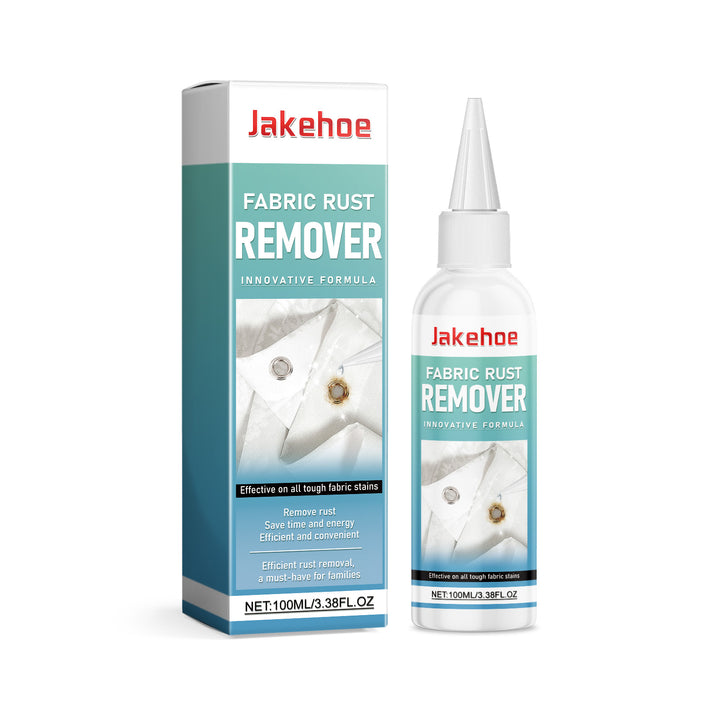
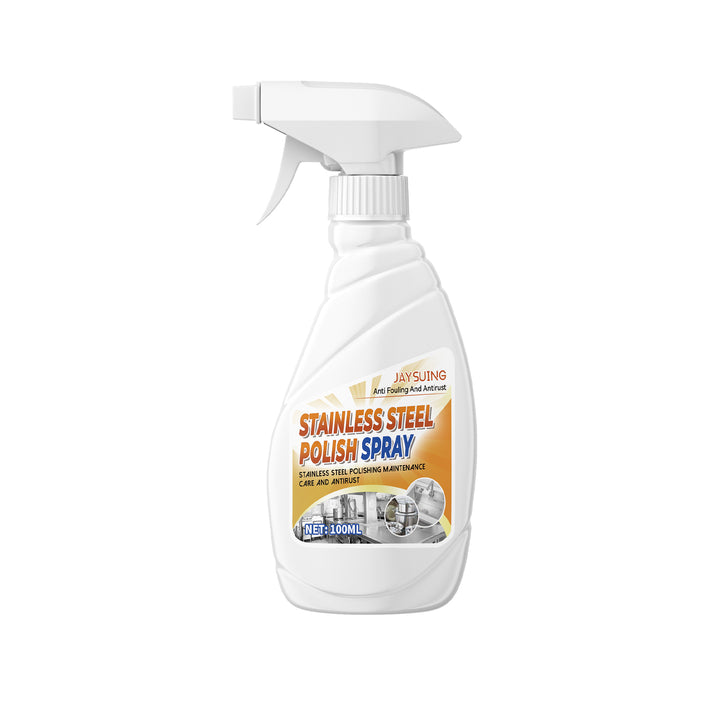
Find a rust remover for metal doors, tools, wheels, sinks, bolts and other corroded surfaces. This category includes spray cleaners for surface rust and iron powder, stainless steel cleaners, rust converter primers and a cleaning cream for burnt or rust-stained areas.
Start by matching the product to the surface and the type of corrosion. For light to moderate rust on doors, bolts, tools and general metal, a rust remover spray is convenient for spot treatment and broad surface cleaning. For orange or black iron deposits on car and bike wheels, choose an automotive or iron powder removal spray designed for wheel and metal surfaces. Stainless steel sinks and tools need a product intended for stainless steel to help reduce the risk of dulling or visible residue. If the metal is deeply affected and needs a paint-ready surface, a rust converter primer may be more suitable than a cleaner. Check the label for compatible materials, dwell time and rinsing instructions before buying.
Sprays are useful when you need fast, even coverage on doors, wheels, bolts, tools or other irregular shapes. They are also practical for cleaning iron powder from automotive surfaces. A stainless steel rust remover is targeted toward sinks, appliances, tools and similar finishes, while a cleaning cream offers more control on small areas, burnt marks and stubborn stains. Rust converters work differently: instead of simply dissolving or lifting surface rust, they are used to prepare affected metal for a protective coating or primer. They are a repair step, not always a substitute for a cleaning spray. For heavy scale, several applications or light mechanical removal may still be needed, depending on the product instructions.
Look for clear information about compatible surfaces, including steel, iron, stainless steel, painted metal, chrome or wheels. A trigger spray helps apply product to larger panels and awkward areas, while a controlled cream can limit drips on vertical or detailed surfaces. Read whether the formula is intended for iron powder, general rust, burnt residue or conversion before choosing. Useful instructions should explain how long to leave the product on, whether the surface changes color during treatment, and how to rinse, wipe or dry it afterward. For exterior metal, consider a product or follow-up treatment that supports ongoing surface protection. If you are shopping for rust remover for cars or bikes, verify wheel and finish compatibility first and test an inconspicuous area.
Remove loose dirt, grease and flaking rust first so the product can contact the affected area. Wear the protective equipment recommended on the label, work with ventilation, and protect nearby paint, rubber, stone and other materials from overspray. Apply the rust remover spray evenly without allowing it to dry unless the instructions specifically allow that. Respect the stated dwell time, then wipe, rinse or agitate as directed. Stubborn corrosion may require a second application or gentle brushing; do not assume that longer contact is better. Rinse away residue where required and dry the metal thoroughly to help limit flash rust. On cars and bikes, clean the wheel or frame section by section and check the finish before treating the entire surface.
A common mistake is using a general cleaner on stainless steel, painted metal or alloy wheels without checking compatibility. Another is applying rust remover to a hot surface, leaving it to dry, or mixing it with vinegar, bleach, soap or another chemical. Household dish soap can remove dirt and grease, but it is not designed to dissolve established rust. Vinegar may help loosen some surface rust, yet it can require soaking, wiping and thorough rinsing, and it is not suitable for every finish. Avoid aggressive scrubbing before the product has had time to work, since it can mark polished or coated surfaces. Finally, do not confuse a rust converter primer with a spray cleaner: conversion products are intended for a different repair and coating process.
These products suit homeowners maintaining metal doors, garden tools, fasteners, fixtures and outdoor hardware, as well as drivers cleaning iron deposits from car wheels. Bike owners can use a compatible product for suitable steel or metal components, but should keep chemicals away from brakes, bearings, chains, seals and painted finishes unless the label approves them. Automotive rust remover sprays are especially useful for wheel contamination that looks like orange or dark specks rather than deep structural corrosion. Stainless steel cleaners fit sinks, tools and kitchen or workshop surfaces with rust marks or burnt residue. For metal that is deeply pitted, flaking or intended for repainting, a rust converter primer may better fit the job. Always confirm the surface and finish before application.
The best choice depends on the surface and the rust type. Use a general rust remover spray for many metal doors, bolts and tools, an automotive or iron powder spray for suitable car wheels, a stainless steel cleaner for sinks and stainless tools, or a converter primer when the metal needs preparation for coating.
Vinegar can help loosen some surface rust because its acidity reacts with rust deposits. It may require soaking, wiping or brushing, and it can affect certain finishes or leave residue if it is not rinsed and dried thoroughly. Check the surface compatibility before using a homemade treatment.
A purpose-made rust remover spray is often the most convenient option for quick treatment because it can be applied directly and used according to a stated dwell time. Results depend on the depth of corrosion, surface condition and whether a second application is needed. Remove loose dirt first and follow the product directions.
Some rust removers can loosen or dissolve surface rust without heavy scrubbing when they are given the recommended contact time. Deep scale, pitting and flaky corrosion may still need gentle brushing or mechanical removal. Never leave a product on longer than directed, especially on polished, painted or coated metal.
Vinegar is a commonly used homemade option for small, removable metal parts, while a paste made from household ingredients may help with light staining. Homemade treatments can be slow and may not suit stainless steel, painted metal, alloy wheels or delicate finishes. A purpose-made product provides clearer instructions for surface compatibility and rinsing.
Dish soap can remove road film, grease and loose dirt, but it generally does not dissolve established rust. It can be useful as a pre-cleaner before applying a compatible rust remover. Rinse away soap residue and dry the metal before treatment.