$49.90
Free delivery · 7–14 days
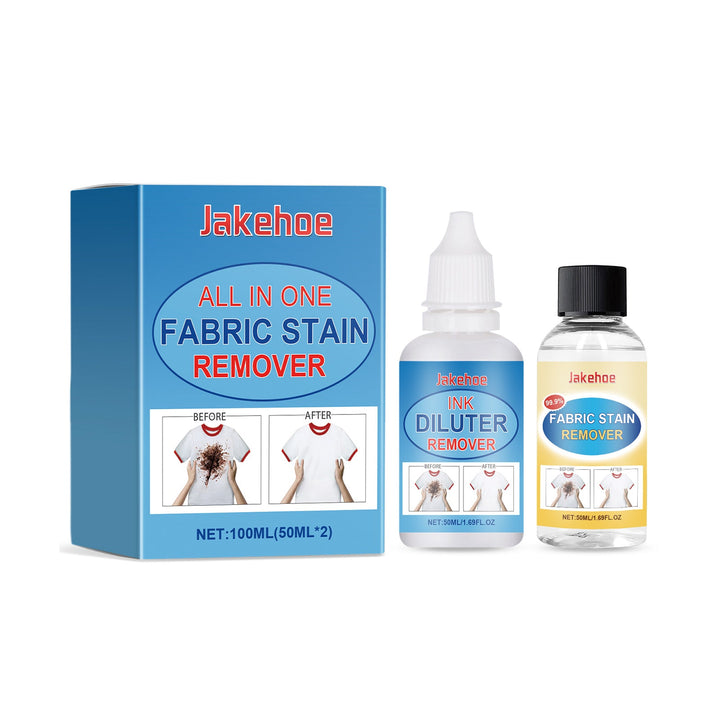
Jakehoe Fabric Stain Remover — Lifts Ink, Oil & Set-In Stains


Find targeted options for stain removal from clothes, fabric and clothing prints. This range includes enzyme treatment for everyday marks, wipes for quick cleanup, print remover for selected garments, and a fabric cleaner designed for ink, oil and set-in stains.
Start by matching the product to the stain and fabric. For food, sweat and other organic marks, an active enzyme laundry stain remover can be a practical first choice. For ink, oil and older marks, choose a fabric stain remover made for tougher residues. Clothing stain remover wipes suit fresh spills when you are away from home, while a clothing print remover is intended for unwanted printed designs rather than general dirt. Always check the garment care label and test on a hidden area first. White clothes may tolerate different treatment than dyed or delicate fabrics, so avoid assuming that one formula works for every item. If you are researching stain removal from fabric, look for clear use instructions and fabric compatibility before buying.
Enzyme laundry stain remover is designed for washable clothing and is useful for many everyday organic stains. Fabric stain remover for ink, oil and set-in stains is better suited to marks that need targeted treatment, but it still requires a patch test. Wipes are convenient for stain removal from clothes while travelling or during work and school days; they are most useful before a spill dries. Clothing print remover serves a narrower purpose: reducing or removing selected prints from cotton and polyester fabrics, subject to the garment and print type. The bathroom tile foam cleaner is intended for moldy bathroom tiles, not clothing, so do not substitute it for a laundry product. Choose by stain, fabric and timing rather than by packaging alone.
For stain removal from fabric, look for a product that states which materials and stain types it targets. Ink and oil treatment should provide clear directions for application, dwell time and rinsing or washing. An enzyme formula is useful when the main need is routine laundry stain treatment, while wipes should be sealed and portable for quick response. If you need stain remover for white clothes, check whether the instructions address coloured fabrics and whites separately; do not assume that a product is suitable for bleaching or whitening. A good choice should also explain whether it can be used before machine washing, on dried-in stains or only on fresh marks. Clear warnings matter, especially for wool, silk, coated fabrics, prints and garments with unstable dyes.
First, remove excess residue without rubbing it deeper into the fibres. Check the care label, then test the stain remover on an inconspicuous area. Apply the suitable product to the mark as directed, allow the recommended contact time, and wash according to the garment instructions. Inspect the item before drying; heat can make some stains harder to remove, so repeat treatment if the product directions allow. For dried-in stains, gently loosen the area and expect that more than one treatment may be needed. Do not combine products unless the labels specifically permit it. For ink or oil, use the targeted fabric formula rather than relying on household mixtures. Wipes are best used promptly, while enzyme treatment is generally intended for washable laundry.
Using the wrong product is a frequent mistake: bathroom tile foam cleaner should not be used on clothing, and print remover should not be treated as an all-purpose laundry cleaner. Avoid scrubbing aggressively, which can spread a mark or damage fibres. Do not dry a garment until you have checked whether the stain has gone. Mixing vinegar, baking soda, detergent or other cleaners can reduce performance and may create an unsuitable combination, so follow the product label instead. Skipping a patch test can cause colour change, especially on dark, printed or delicate fabrics. Another mistake is treating every mark the same way. Ink, oil, food residue and a clothing print require different approaches, and stain removal from clothes is usually easier when the spill is treated before it dries.
This category suits households managing everyday laundry marks, parents and commuters who want on-the-go wipes, and anyone treating ink, oil or set-in stains on compatible fabrics. The enzyme laundry product is aimed at washable clothing, while the targeted fabric cleaner is useful when a general wash has not lifted a stubborn mark. Clothing print remover suits people altering or refreshing cotton and polyester garments, but it requires careful testing because results depend on the print and fabric. Choose wipes if convenience and immediate treatment matter most. For delicate, valuable or difficult-to-label garments, professional cleaning may be more appropriate than home treatment. Shoppers looking for an A to Z stain removal guide should still use the individual product directions as the final reference.
The best choice depends on the stain, fabric and whether the mark is fresh or dried. Use an enzyme laundry stain remover for many everyday washable marks, a targeted fabric cleaner for ink, oil and set-in stains, and wipes for fresh spills when you are away from home.
Dried-in, oily and ink-based stains can be particularly difficult because they may bond with or penetrate fabric fibres. Treat them with a suitable targeted product, test first, and avoid drying the garment until you have checked the result.
Baking soda may help with some household cleaning tasks, but it is not a universal clothing stain remover. For fabric and ink stains, use a product intended for the garment and stain type, and follow its directions rather than mixing household ingredients.
A dried stain can sometimes be reduced or removed, although it may require repeated treatment. Apply a compatible stain remover as directed, patch test first, and inspect the garment before drying it again.
Household dish soap and vinegar are not a guaranteed or universally suitable solution for clothing stains. Mixing products can be unsuitable for some fabrics, so use a dedicated fabric stain remover and follow the care label and product instructions.
For dried-in ink, oil or similar marks, choose a targeted fabric stain remover that specifically lists those stain types. For washable organic marks, an enzyme laundry stain remover may be more suitable; always patch test and follow the stated treatment and washing steps.