Skip to content

Floor Cleaner & Polish for Wood, Tile & Hard Floors

5 products

Shop Cleaning & Laundry by type

Find floor cleaners and polish for routine mopping, targeted stains, and a brighter finish on wood, tile, laminate, vinyl, and other hard floors. Choose a ready-to-use liquid, concentrated formula, or dissolvable pod based on your floor type, cleaning routine, and preferred application method.

How do I choose the best floor cleaner?

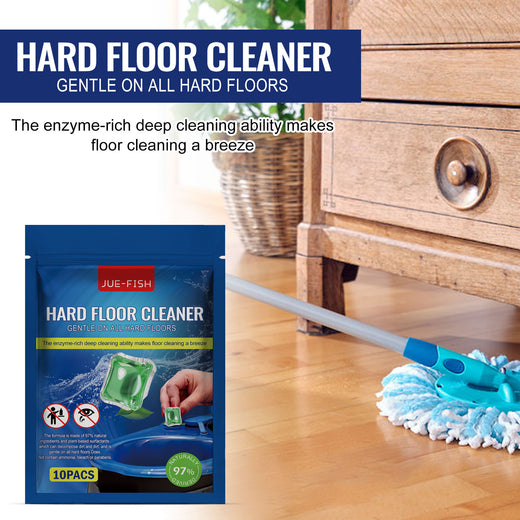
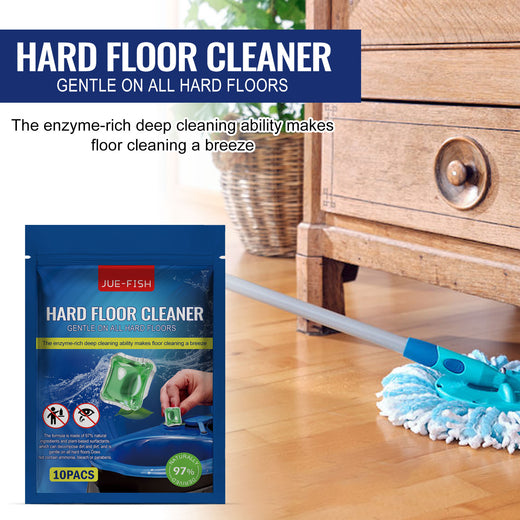
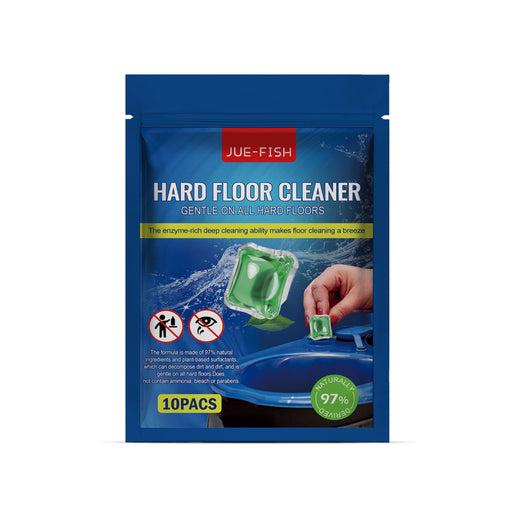
Start by identifying the flooring you clean most often. Hardwood and laminate usually need a low-moisture cleaner that will not leave a sticky film, while tile can handle formulas made for deeper soil and a polished finish. Vinyl floors benefit from a gentle cleaner suited to resilient surfaces. For quick maintenance, choose a ready-to-use floor cleaner or a pod that dissolves in water. A concentrate, such as Jakehoe Floor Cleaner Concentrate for Hardwood & Tile Shine, can suit shoppers who mop regularly and want to mix each batch. If odors or tracked-in residue are your main concern, compare targeted options such as the Anti-Fly Floor Cleaner or an enzyme floor cleaner pod.

What types of floor cleaners are best for wood, tile, and hard floors?

Liquid floor cleaners are convenient for a spray mop, bucket, or microfiber mop and are easy to adjust to the cleaning task. Concentrates take less storage space and can be useful for frequent mopping, provided you follow the product directions. Floor cleaner pods offer measured portions and are practical when you want to reduce pouring and spills. Tile cleaners and polishes are designed for hard tile surfaces where dullness, tracked-in soil, or residue is a concern. For wood and laminate, choose a product specifically labeled for those materials and avoid soaking the floor. Vinyl floor cleaners should also be compatible with resilient flooring rather than intended only for tile or unfinished wood.

What should I look for in a floor cleaning product?

Check the recommended floor types before comparing scent, format, or finish. A suitable floor cleaner should match the surface and your equipment, whether you use a mop, spray mop, or bucket. If residue is a concern, look for a formula described as leaving no sticky residue, such as the Enzyme Floor Cleaner Pods. If appearance matters, a tile polish can help refresh the look of suitable tile floors; Tile Cleaning Polish for Brighter, Dust-Free Floors and Tile Floor Cleaner for Deep Cleaning and Lasting Shine are options to compare. Also consider pack size, dilution instructions, storage, and whether you need routine cleaning or a product for heavier buildup. Always test an unfamiliar formula on a small, inconspicuous area first.

How do I use liquid floor cleaner for mopping?

Remove loose dust, hair, and grit before wet cleaning so the mop can focus on soil rather than spreading debris. Follow the label directions for ready-to-use products, concentrates, and pods; using extra cleaner does not necessarily improve results and may leave residue. Use a damp, well-wrung mop on wood, laminate, and other moisture-sensitive floors, and work in manageable sections. Rinse or replace the mop head when it becomes visibly dirty. On tile, allow the selected cleaner to work only as directed, then remove excess solution if the instructions call for it. For polish products, clean the floor first and apply the polish evenly according to its directions. Keep floors off-limits until they are dry.

What are common floor-cleaning mistakes?

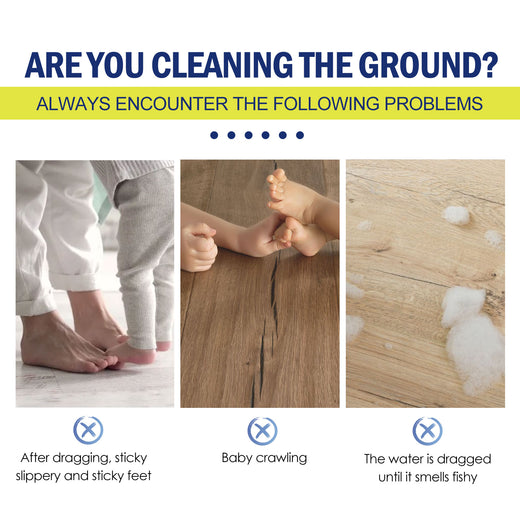
Using one formula on every surface is a common mistake. A product suited to tile may not be appropriate for hardwood, laminate, or vinyl, so check the label first. Avoid flooding wood and laminate with water, and do not mix cleaning products unless the manufacturer explicitly says it is safe. Too much concentrate can create streaks or a tacky film, while a dirty mop can redistribute soil across the room. Skipping dry debris removal can also cause grit to move around during mopping. Do not apply polish over an unclean floor, because residue may become trapped beneath the finish. When testing a new floor cleaner, use a hidden area and stop if the surface changes color, texture, or sheen.

Who should use floor cleaners, pods, and polish?

Ready-to-use floor cleaners suit shoppers who want a simple floor cleaning product for a spray mop or quick touch-up. Concentrates are useful for households that mop often, have several compatible hard-floor surfaces, or prefer a compact bottle. Pods can simplify measuring and storage for routine cleaning, especially when a no-sticky-residue formula is a priority. Tile polish is better suited to shoppers focused on the appearance of appropriate tile floors after cleaning. Households with hardwood, laminate, or vinyl should choose a product specifically compatible with that material and use limited moisture where required. For deeply embedded soil, damaged finishes, or large areas that are difficult to clean safely, compare professional floor-cleaning quotes rather than relying only on a household product.

Frequently asked questions

What is the best cleaner for floors?

The best cleaner depends on the flooring and the type of soil. Choose a product labeled for hardwood, laminate, vinyl, tile, or the specific hard surface you have, then match the format to your routine: ready-to-use liquid, concentrate, pod, or tile polish.

Is dish soap and vinegar a good floor cleaner?

It is not a universal choice because vinegar can be unsuitable for some flooring finishes, natural stone, and other acid-sensitive surfaces, while excess dish soap may leave a film. A floor cleaner labeled for your material is a more predictable option; follow the flooring and product manufacturer’s care instructions.

What cleans floors better than a mop?

A vacuum or dry microfiber tool is better for removing loose grit before mopping, while a scrub brush may help with localized buildup on compatible tile. For large, heavily soiled, or delicate floors, professional equipment and cleaning methods may produce better results than household tools.

How much does it cost to professionally clean floors?

The price varies by floor material, room or square-foot area, soil level, location, and whether polishing or stain treatment is included. Request itemized quotes from local providers and confirm what preparation, products, drying time, and follow-up work are covered.

How much do professional floor-cleaning services charge?

Professional cleaning charges depend on the service area, flooring type, total area, access, and the requested treatment. The most reliable way to compare prices is to ask nearby providers for a written estimate that separates cleaning, polishing, stain treatment, and any minimum service fee.

Is it better to mop or scrub floors?

Mopping is generally more practical for routine cleaning and larger areas, especially when paired with pre-cleaning to remove loose grit. Scrubbing is better reserved for localized buildup on surfaces that can tolerate it, using a suitable cleaner and a non-damaging tool.