Eyeglass Cleaner: Optical Lens Wipes for Crystal-Clear Glasses
7 products
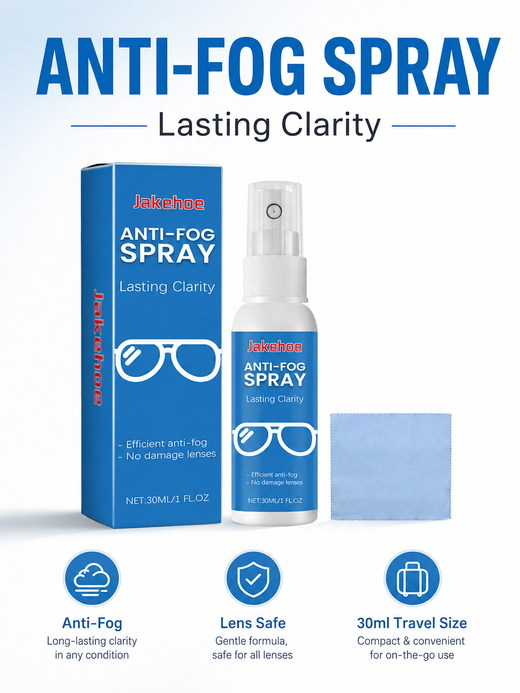
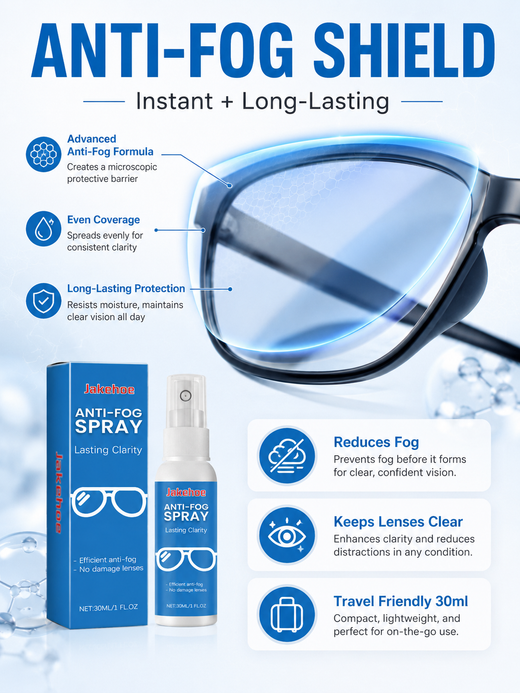
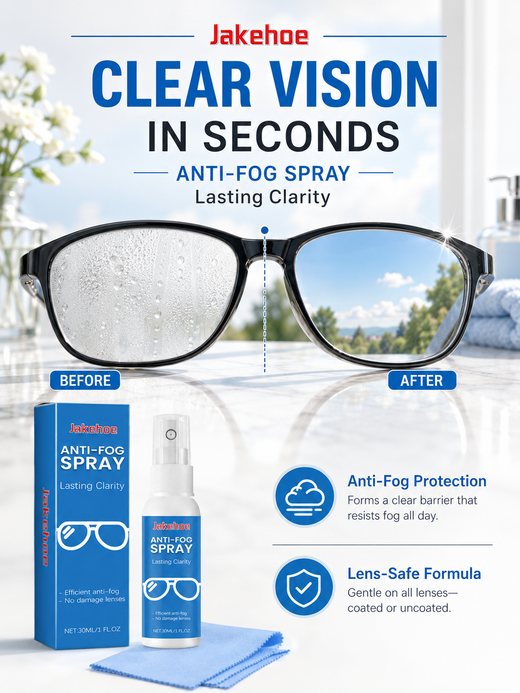
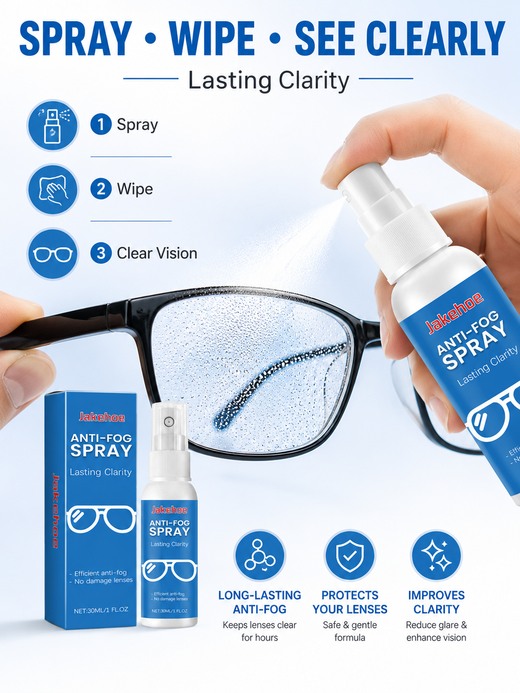
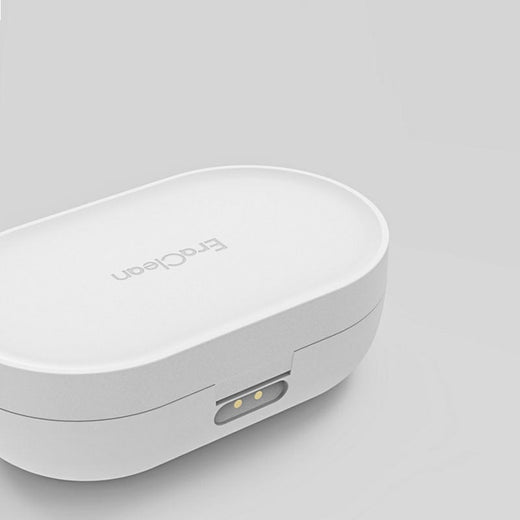
Keep glasses, screens, and other optical surfaces clearer with the right eyeglass cleaner for the job. This category includes convenient lens cleaning wipes, spray solutions, an ultrasonic cleaner, and anti-fog spray, so you can choose a format that fits your lenses, routine, and cleaning needs.
How to choose the best eyeglass cleaner
Start by checking the care guidance for your lenses, especially if they have anti-reflective, tinted, blue-light, or other coatings. For quick cleaning away from home, eyeglass cleaner wipes are practical because each wipe is pre-moistened and disposable. An eyeglass cleaner spray is a good choice for regular cleaning at home when paired with a clean, soft lens cloth. If fingerprints and dust return throughout the day, consider an anti-fog spray designed for glasses, provided it is suitable for your lens material and coating. An ultrasonic cleaner may suit deeper cleaning of compatible items, but read its instructions carefully before using it with eyeglasses or contact lenses. The best eyeglass cleaner is the one approved for your lenses and easy to use without abrasive materials.
Eyeglass cleaner types compared
Lens cleaning wipes offer the simplest routine: use a fresh wipe, clean gently, and let the surface dry as directed. They work well in bags, desks, cars, and travel kits. Eyeglass cleaner spray gives you more control over the amount used and can be paired with a reusable microfiber cloth, making it suitable for frequent home or office cleaning. Anti-fog spray targets condensation and may be useful for glasses worn while moving between temperature changes, but follow the product directions and coating guidance. Ultrasonic cleaners use liquid and vibration rather than wiping, which can help clean compatible small items; not every model is intended for eyeglasses or contact lenses. Compare compatibility, portability, application method, and cleanup before choosing.
What to look for in an eyeglass cleaner solution
Look for clear usage instructions that identify the surfaces and lens coatings the product is designed for. A suitable eyeglass cleaner solution should be easy to apply without leaving a heavy film, while wipes should feel moist enough to lift fingerprints without requiring forceful rubbing. For sprays, check whether the directions call for spraying the lens, the cloth, or both. A clean, soft microfiber cloth is important because trapped grit or rough fabric can drag particles across the lens. If you are considering an ultrasonic eyeglass cleaner, confirm the item is listed as compatible and follow the recommended liquid and cleaning process. Avoid choosing solely by the word best; compatibility and correct technique matter more than a broad label.
How to use eyeglass cleaner without streaks
First, wash and dry your hands so you do not transfer oils to the lenses. If the lenses are dusty or gritty, remove loose particles gently according to the cleaner instructions before wiping. With a lens wipe, use light pressure and a fresh section of the wipe for each area; do not scrub dry debris across the surface. With eyeglass cleaner spray, apply only the directed amount and use a clean microfiber cloth with gentle, even strokes. Let the lenses dry as instructed, then inspect them under good light. Streaks often come from an overused cloth, too much solution, or residue on the frame. Wash reusable cloths separately from oily laundry and replace them when they remain dirty after cleaning.
What should you not use to clean eyeglasses?
Avoid paper towels, tissues, clothing, and rough household cloths because they may leave lint or move grit across the lenses. Do not use window cleaner, household disinfectants, acetone, or other strong chemicals unless the lens manufacturer specifically approves them. Homemade eyeglass cleaner can be risky when the ingredients or proportions are unsuitable for coatings, so a purpose-made solution is the simpler option. Do not spray an ultrasonic cleaner or any liquid onto electronic devices, and do not place eyeglasses or contact lenses in a device unless its instructions specifically allow them. Never use abrasive powders or scrubbers. If your lenses have a special coating, confirm the cleaner is compatible before regular use.
Who is each eyeglass cleaner best for?
Choose lens cleaning wipes if you want a portable, low-mess option for commuting, travel, work, or occasional touch-ups. Choose eyeglass cleaner spray if you clean glasses regularly at home and prefer controlling the amount of solution with a reusable microfiber cloth. Anti-fog spray is aimed at shoppers who experience condensation during everyday temperature changes, subject to compatibility with their lenses. An ultrasonic cleaner may suit people who want a device-based cleaning method for listed compatible items and are comfortable following setup and care instructions. If you also clean screens, check whether the wipes or spray are approved for those surfaces rather than assuming every optical cleaner is universal. For coated lenses, prioritize explicit compatibility over convenience or price.
Frequently asked questions
What is the best thing to clean eyeglasses with?
Use a cleaner specifically labeled for eyeglasses or optical lenses, together with a clean, soft microfiber cloth when required. Lens cleaning wipes are convenient for quick use, while an eyeglass cleaner spray is useful for regular cleaning at home. Always follow the care instructions for your lens coatings.
Is eyeglass cleaner just rubbing alcohol?
Not necessarily. Eyeglass cleaning products may use different formulations, and a product should only be used when its instructions say it is suitable for your lenses. Do not substitute household rubbing alcohol unless the lens or eyewear manufacturer specifically approves it.
Can I use Dawn dish soap to clean my eyeglasses?
Some eyewear care instructions may allow a small amount of mild dish soap, but formulas and lens coatings vary. Check your manufacturer’s guidance first, rinse thoroughly, and dry with a clean microfiber cloth. A purpose-made eyeglass cleaner is a more straightforward option when compatibility is uncertain.
What do opticians use to clean glasses?
Optical professionals commonly use products and cloths intended for lenses, along with a careful process that removes loose particles before wiping. The exact solution depends on the lenses and coatings. At home, use an eyeglass cleaner labeled for your lens type and follow its application instructions.
What should you not use to clean eyeglasses?
Avoid paper products, clothing, abrasive materials, window cleaner, acetone, and unapproved household chemicals. These may leave fibers, scratch surfaces, or affect lens coatings. Do not use an ultrasonic device with eyeglasses or contact lenses unless the device instructions specifically list them as compatible.
Why are my glasses always smudged after cleaning?
Smudges can come from an oily or dirty cloth, too much spray, residue on the frame, or wiping lenses before loose dust is removed. Use a fresh wipe or clean microfiber cloth, apply only the directed amount of solution, and wash reusable cloths regularly. If the haze remains, check whether the product is compatible with your lens coating.