$49.90
Free delivery · 7–14 days
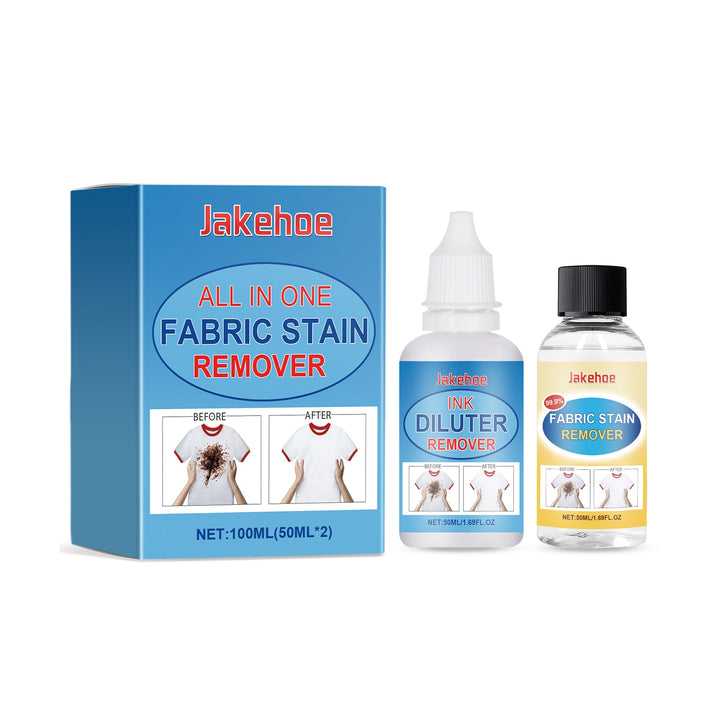
Jakehoe Fabric Stain Remover — Lifts Ink, Oil & Set-In Stains





Laundry balls and reusable dryer balls are designed to support everyday laundry care, especially during washing and tumble drying. This guide explains how to compare them, how wool dryer balls are used, and which maintenance products can complement a cleaner laundry routine.
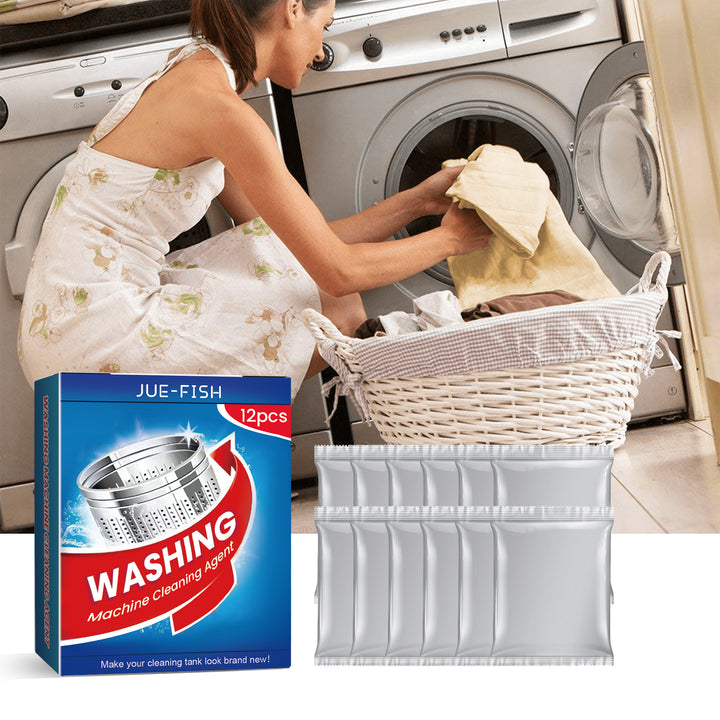
Laundry balls are reusable items placed in a washing machine or tumble dryer to add movement during the cycle. Washing-machine balls may help separate fabrics and improve circulation, while dryer balls are mainly used to lift and separate clothes as they tumble. Results can vary with the load size, fabric type, machine settings, and the ball design. They are not a replacement for detergent, stain treatment, or washing-machine maintenance. For heavily soiled laundry, use an appropriate cleaner or stain remover alongside the normal wash process. Products such as washing-machine cleaner tablets or powder are intended for cleaning the appliance itself, not for replacing laundry balls.
Laundry balls for the washing machine and reusable dryer balls serve different stages of the laundry routine. Washing-machine balls are added before the wash, while dryer balls go into the tumble dryer with damp clothing. Wool dryer balls are a popular option for people who want a reusable alternative to disposable dryer sheets, but they are only suitable for tumble-dryer loads and should not be placed in a washing machine unless the product instructions say so. If you air-dry clothing, dryer balls will not be useful. Choose based on your appliance, preferred routine, and whether you want help with washing, drying, or both.
Check the intended use first: washing machine, tumble dryer, or both. For wool dryer balls, look for a dense, well-finished construction with no loose fibers, exposed fasteners, or strong added fragrance if you prefer unscented laundry. The product instructions should explain compatible fabrics, heat settings, and cleaning guidance. Consider the number of balls supplied and whether they are easy to store between loads. Reusable dryer balls should also be checked periodically for shedding, splitting, or a noticeable change in shape. For washing-machine care, remember that balls do not replace appliance cleaning; odor, residue, or buildup may call for washing-machine cleaner tablets or powder used according to its label.
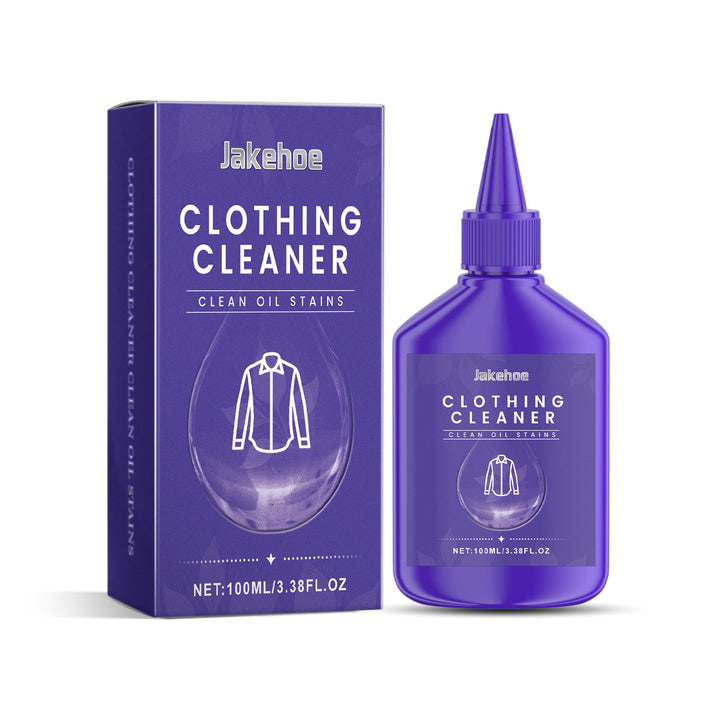
Place the recommended number of wool dryer balls in the dryer with wet clothing, leaving enough room for the load to move freely. Select a cycle and temperature suitable for the fabrics, then remove the balls when the cycle ends. Avoid overloading the drum, because tightly packed clothing limits the tumbling action that makes dryer balls useful. Keep them away from garments that require special care unless the clothing label and ball instructions allow tumble drying. Wool dryer balls should not be used as stain removers or detergent substitutes. Treat grease, ink, and set-in marks separately with a suitable stain remover, following the garment and product instructions.
Laundry balls are not equally useful for every load, and they cannot solve every laundry problem. A common mistake is expecting dryer balls to remove stains, eliminate odors, or replace detergent. Another is using too many items in an overfilled drum, which can reduce movement and may make drying less efficient. Do not put wool dryer balls in the washing machine unless specifically approved, and do not use them with fabrics that should not be tumble dried. Inspect balls for damage or shedding, and keep them dry between uses. If the machine itself smells or has residue, clean the appliance separately with a washing-machine cleaner rather than relying on laundry balls.
Reusable dryer balls suit households that regularly use a tumble dryer and want a washable, reusable alternative to single-use dryer sheets. They can also appeal to shoppers who prefer to avoid added fragrance on clothing or want a simple item that can remain in the laundry room between cycles. They are less useful for homes that air-dry everything or rarely use a dryer. Families with frequent laundry may value a durable set, while occasional users should prioritize easy storage and clear care instructions. Pair them with targeted laundry-care products when needed, such as on-the-go stain remover wipes for fresh marks or washing-machine cleaner for appliance maintenance.
They can support movement and separation during washing or tumble drying, depending on the type of ball and the load. Their results vary, and they do not replace detergent, stain treatment, or regular washing-machine cleaning.
A laundry ball is intended to move among clothes during a wash or dry cycle. Washing-machine balls are used during washing, while dryer balls help separate and lift items during tumble drying.
They may have limited benefits in an overloaded machine, and they cannot remove stains or replace detergent. Some materials may shed, split, or be unsuitable for particular fabrics or machine settings, so follow the product instructions.
There is no universal replacement schedule. Inspect them regularly and replace them when they become damaged, misshapen, heavily worn, or begin shedding material; otherwise, continue using them according to the care instructions.
Wool dryer balls should not damage a dryer when they are made for tumble-dryer use and used as directed. Check them for loose fibers or damage, avoid overloading the drum, and follow both the ball and appliance instructions.
Follow the care instructions supplied with the product, because washing and drying methods vary by material. Keep wool dryer balls dry between uses, and replace any ball that remains soiled, develops an odor, or shows signs of damage after cleaning.