
$34.90
Free delivery · 7–14 days
Fish Scale Bath Sponge for Gentle Daily Cleansing


This baby care category combines gentle cleansing, nose-cleaning support, and comfort-focused personal care items for different household needs. Use the product description, age guidance, and care instructions to choose items appropriate for your baby, older child, or adult rather than treating every product as a newborn essential.
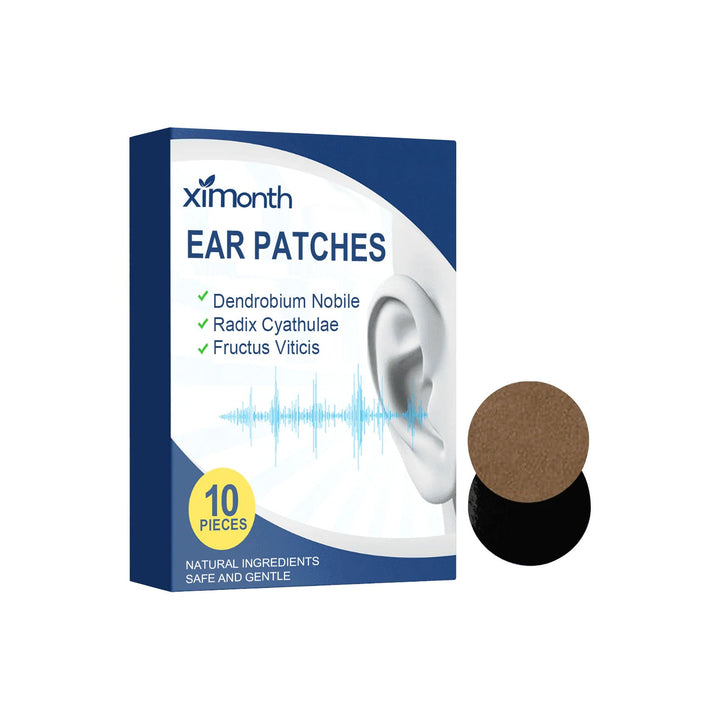
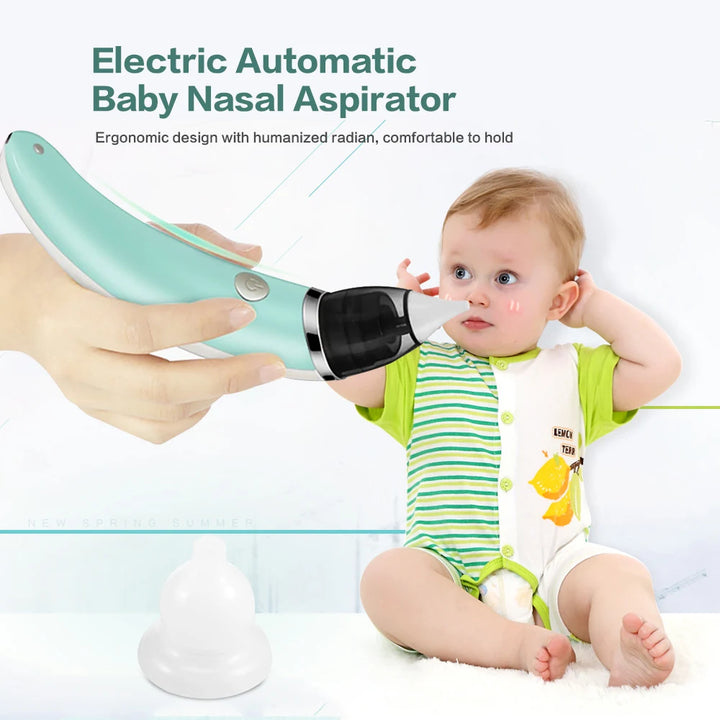
Start with the baby’s age, the task you want to simplify, and the product’s stated suitability. For newborn baby care after birth at home, prioritize simple bathing and hygiene supplies, such as a soft fish scale bath sponge used with gentle handling and close supervision. A baby nasal aspirator electric can be useful when you need to clear visible nasal mucus, but it should be used only as directed and never forced into the nostril. Check batteries, washable parts, and cleaning instructions before buying. The tinnitus ear patches and bamboo arbutin pads are not general newborn-care products, while bitter nail polish is labeled for kids 12 and older. Keep age-inappropriate items away from babies and choose comfort products for the person who will actually use them.
The products in this category serve different purposes, so comparing them by function is more useful than comparing them as one baby care set. The fish scale bath sponge is intended for gentle daily cleansing during supervised bathing. The electric nasal aspirator is designed for nose cleaning and may suit families who prefer powered operation over a manual option. Tinnitus ear patches are comfort-support accessories for adults and are not a substitute for professional advice about ear symptoms. Bamboo arbutin pads are personal skincare pads rather than baby products. Bitter nail polish is intended for kids 12 and older and should not be applied to infants or young children. If you are shopping for baby care products or newborn baby care 1st month essentials, focus first on age-appropriate bathing, feeding, sleep, and diapering supplies.
Look for soft contact surfaces, clear directions, easy cleaning, and a design that lets you keep one hand on the baby when needed. For a bath sponge, check that the texture feels gentle, the shape is easy to grip, and the sponge can dry fully between uses. For a nasal aspirator, look for removable parts, straightforward assembly, and instructions covering cleaning, storage, and suction use. Avoid products with unclear age guidance, damaged packaging, strong odors, or parts that could detach. Newborn skin and airways need careful handling, so introduce one new item at a time and stop if the baby appears uncomfortable. Baby care tips for new moms often begin with preparation: keep supplies within reach, test water temperature safely, and never leave a baby unattended during bathing or nose care.
Use the bath sponge with clean water and a mild cleanser if desired, applying light pressure and avoiding scrubbing. Rinse it thoroughly, allow it to dry completely, and replace it when the material becomes worn or difficult to clean. With the electric nasal aspirator, follow the supplied instructions, use only the recommended tip, and clean every removable component after use. Do not insert the tip deeply or continue if the baby resists strongly. The bitter nail polish should be considered only for the stated age range of 12 and older, with label directions followed exactly. Ear patches and bamboo pads should be used only on the intended area and not on broken or irritated skin. Keep batteries, small parts, and all personal-care products out of a baby’s reach.
A common mistake is assuming every item in a baby care category is suitable for babies. Bitter nail polish labeled for kids 12 and older, tinnitus ear patches, and bamboo arbutin pads should not be placed in a newborn’s routine. Another mistake is using too much pressure with a sponge or nasal aspirator, or sharing a nose-cleaning tip without thorough cleaning. Do not leave a baby alone in the bath, and do not rely on online rules such as the “5-3-3 rule” without confirming what the specific source means; informal parenting rules can vary. Avoid storing damp bath items in closed containers, ignoring age labels, or using a product after its parts crack. If a baby has breathing difficulty, unusual color, poor feeding, fever, or another concerning change, contact a qualified healthcare professional promptly.
The fish scale bath sponge and electric nasal aspirator are the most directly relevant choices for families building a basic baby care routine, provided the instructions and age guidance fit the child. They may also suit caregivers looking for practical newborn baby care after birth at home, including shoppers searching locally for baby care in Sheboygan. Bitter nail polish is for older children aged 12 and above, not infants. Tinnitus ear patches are intended for adult comfort support and should not replace evaluation of persistent or worrying ear concerns. Bamboo arbutin pads are for personal skincare and are not a baby-care cleansing item. Before purchasing, consider who will use the product, whether the child tolerates hands-on care, how quickly the item can be cleaned, and whether you can supervise every use.
Newborn care includes safe feeding, diaper changes, supervised bathing, comfortable clothing, and a safe sleep setup. Keep routines simple, wash your hands before handling the baby, follow product age guidance, and ask a qualified healthcare professional about feeding, illness, or any change that concerns you.
The phrase “5-3-3 rule” is used in different parenting and sleep discussions, so it does not have one universal meaning. Check the source where you encountered it and avoid treating an informal rule as medical guidance; a baby’s needs and your clinician’s advice should take priority.
There is no single hardest month for every family. The early weeks can feel demanding because feeding, sleep, and recovery are changing quickly, while later stages bring new routines and developmental changes. Practical support and a flexible routine can make any stage more manageable.
Continue age-appropriate feeding, diapering, supervised bathing, safe sleep practices, and regular checkups. Use a nasal aspirator only as directed when needed, keep the tip clean, and never force it. Follow your healthcare professional’s advice for vaccines, feeding questions, and development.
Families experience difficult periods differently, so there is no universally hardest month. Sleep disruption, feeding challenges, illness, and changes in routine can make particular weeks feel especially difficult. Ask trusted support people or a healthcare professional for help when daily care feels overwhelming.
Seek prompt professional advice for signs such as breathing difficulty, blue or gray coloring, unusual limpness, poor feeding, repeated vomiting, a fever, dehydration concerns, or a baby who is difficult to wake. If you are worried about a change in behavior or appearance, contact your healthcare professional or local emergency service rather than relying on a product or online checklist.