Heel Pads & Shoe Insoles for Comfort and Heel Support
15 items
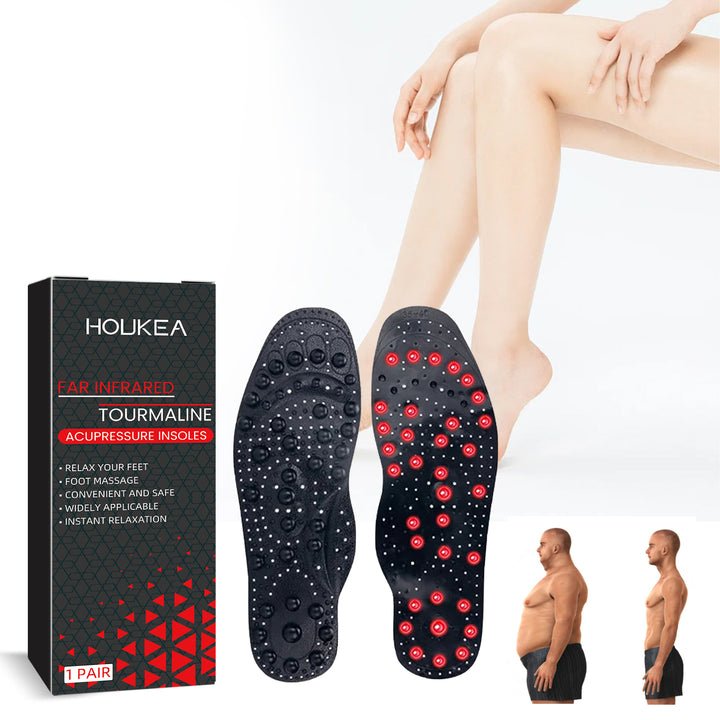
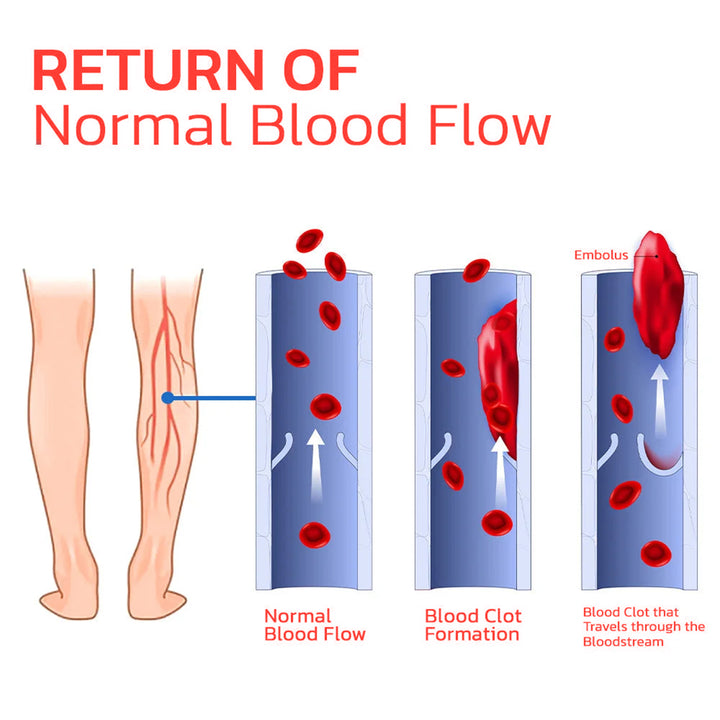
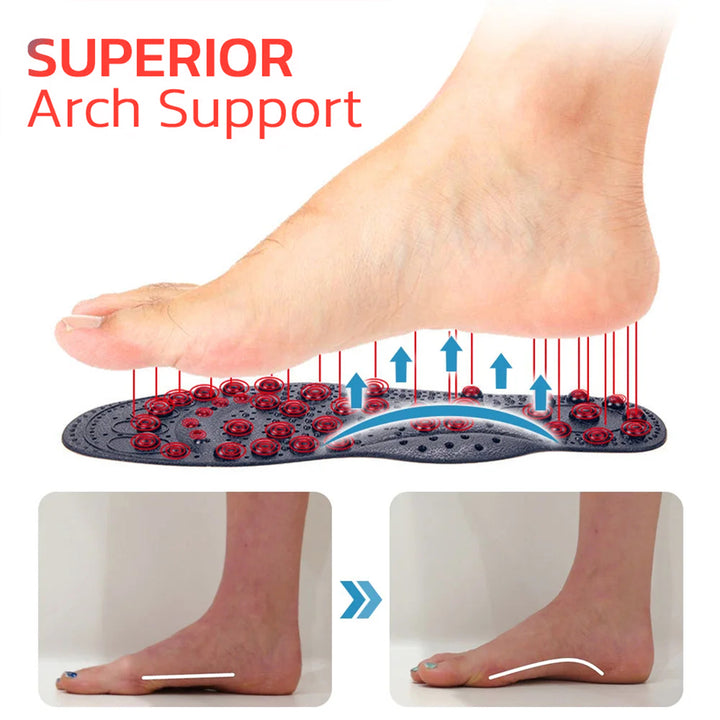

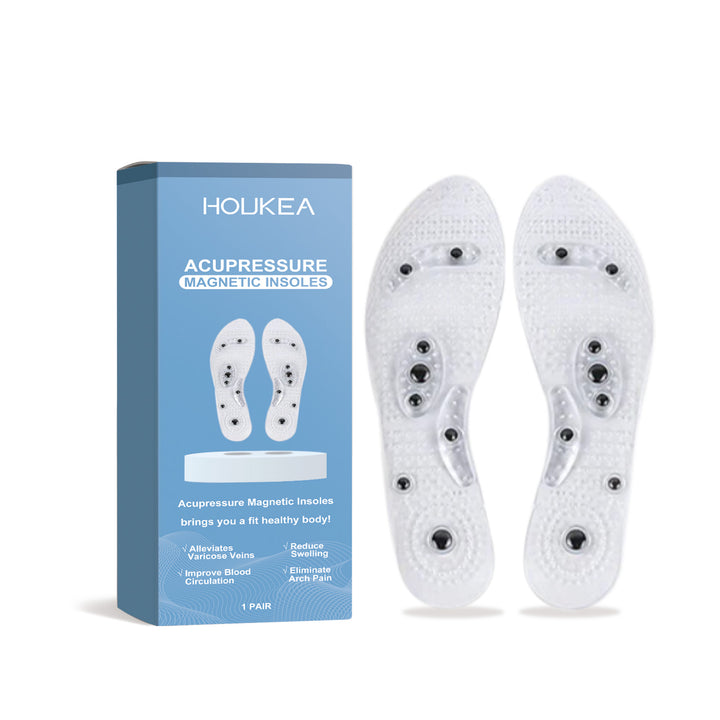
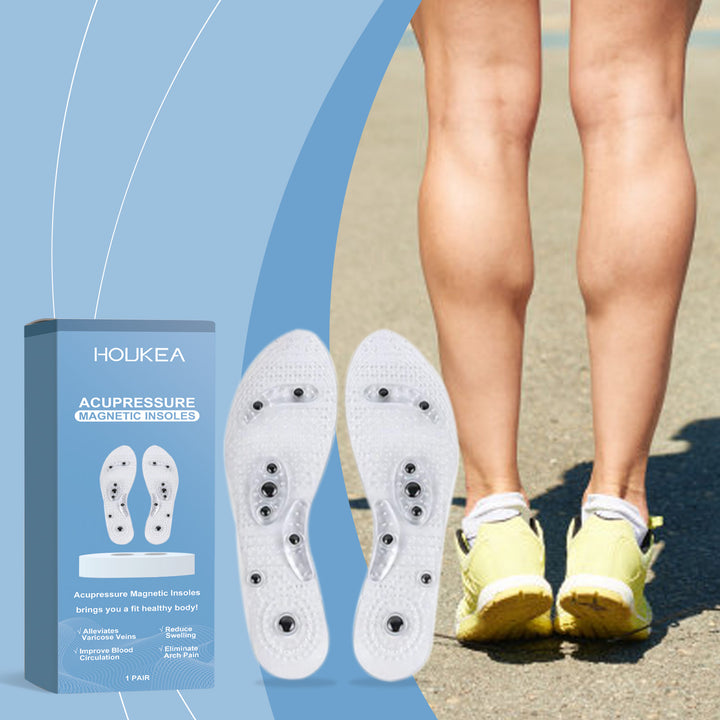


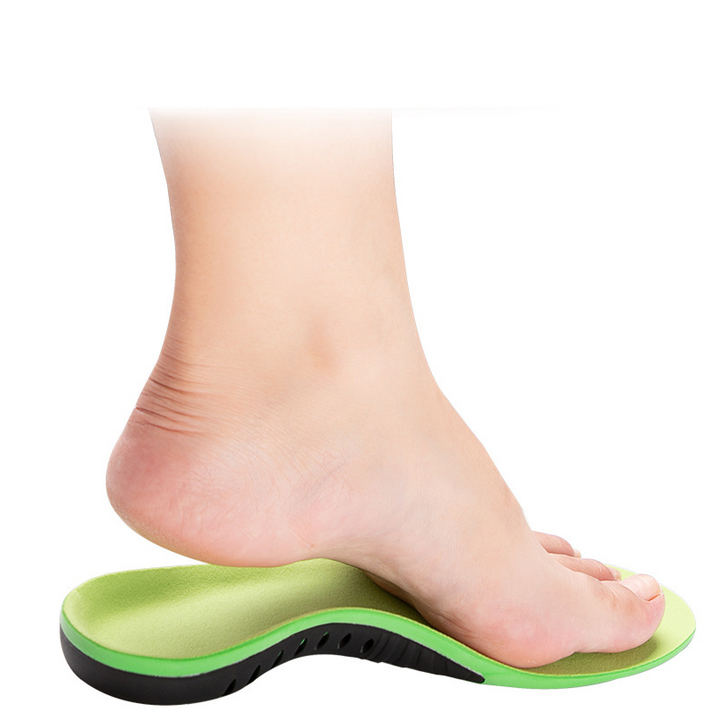

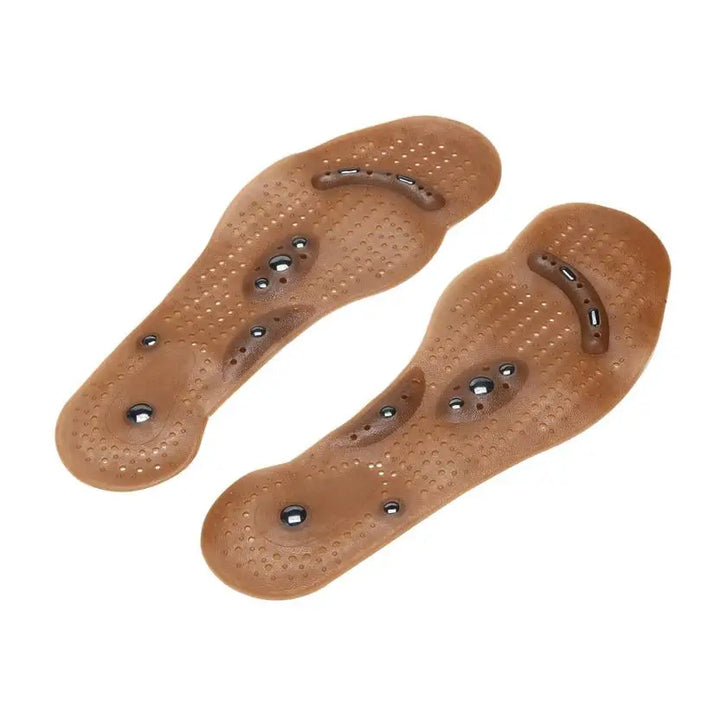
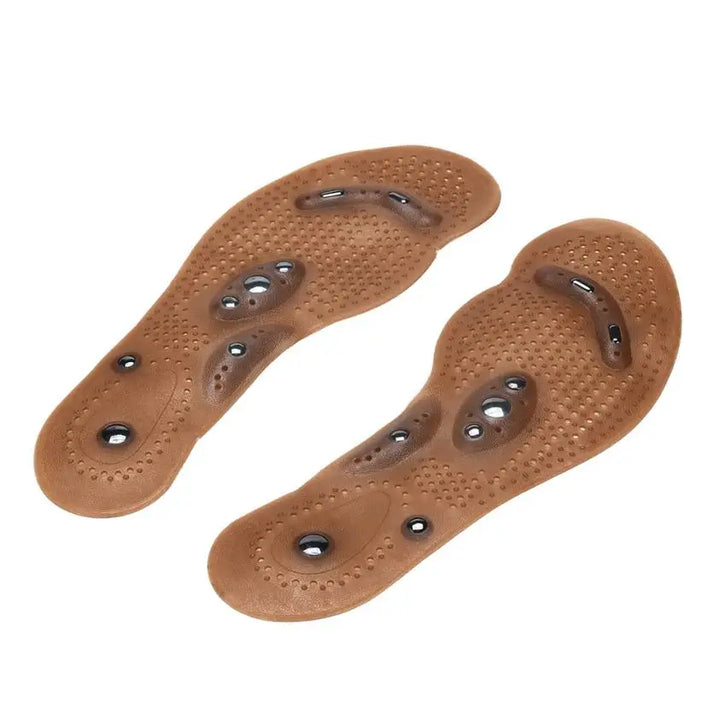
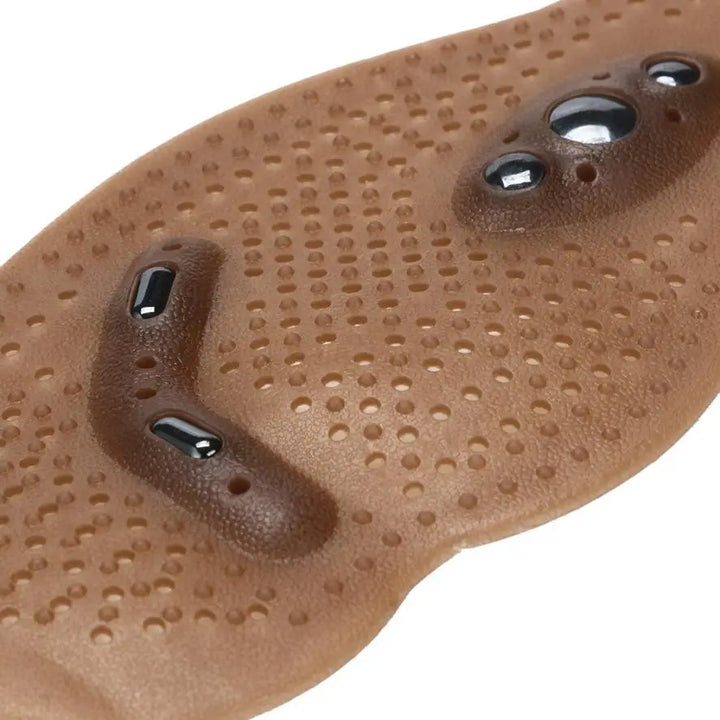

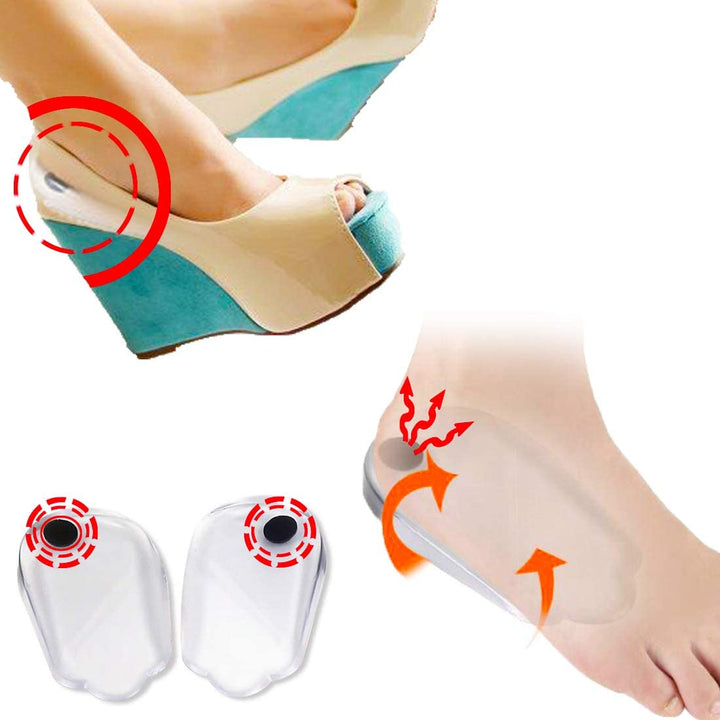
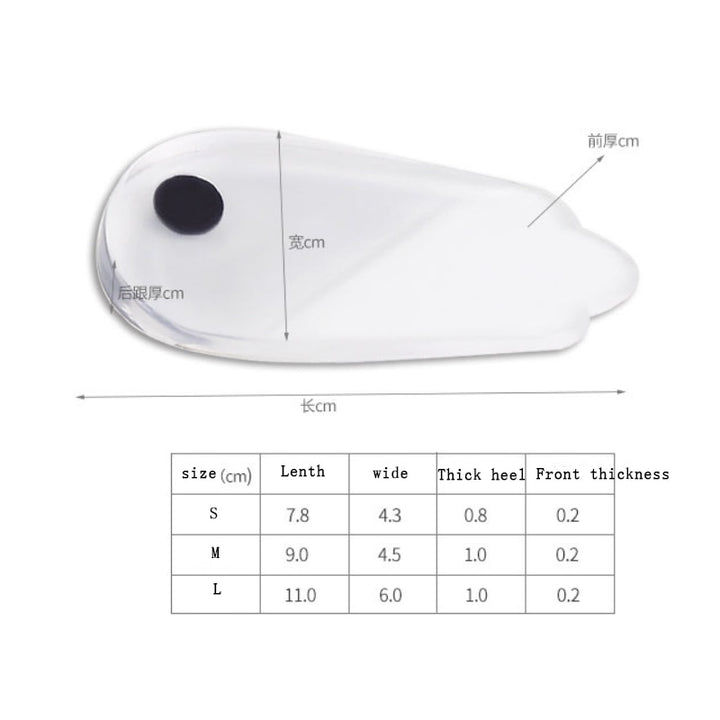
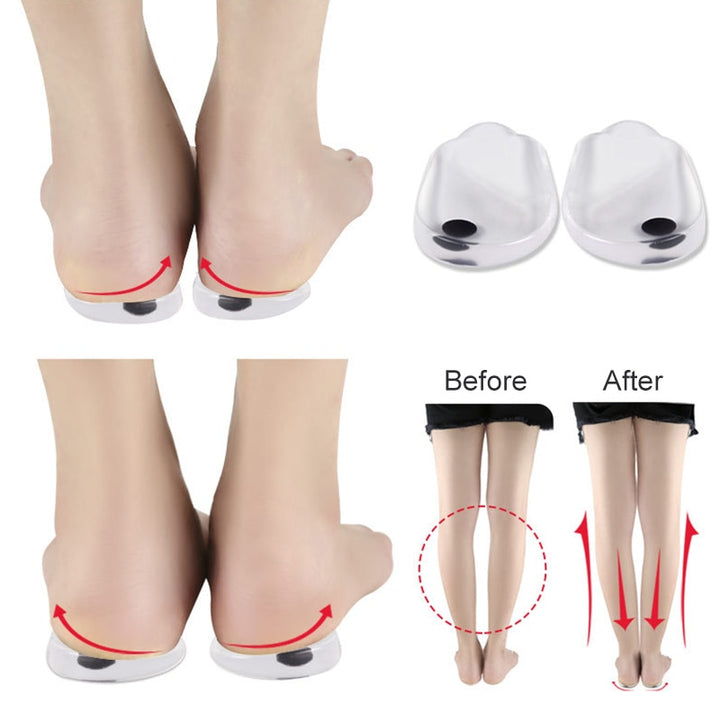

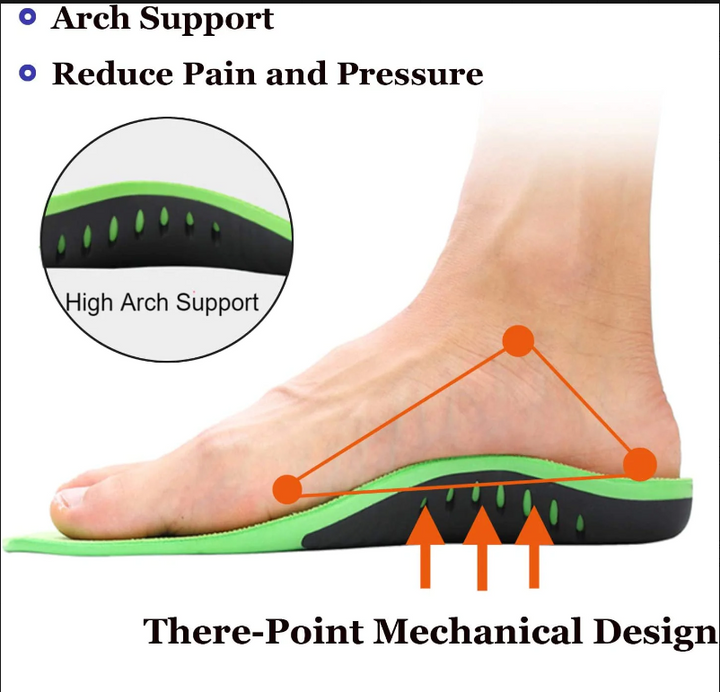
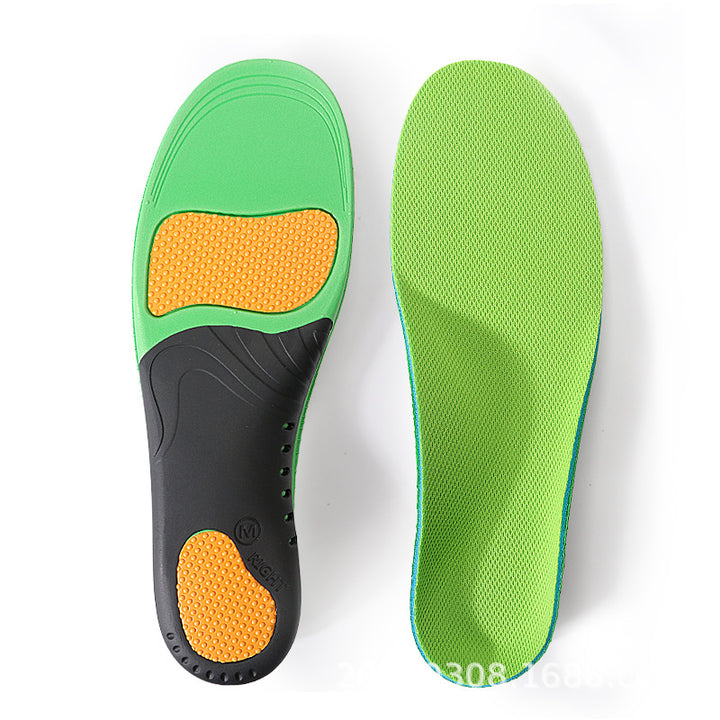
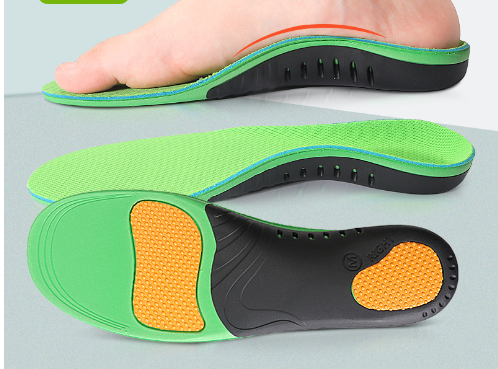

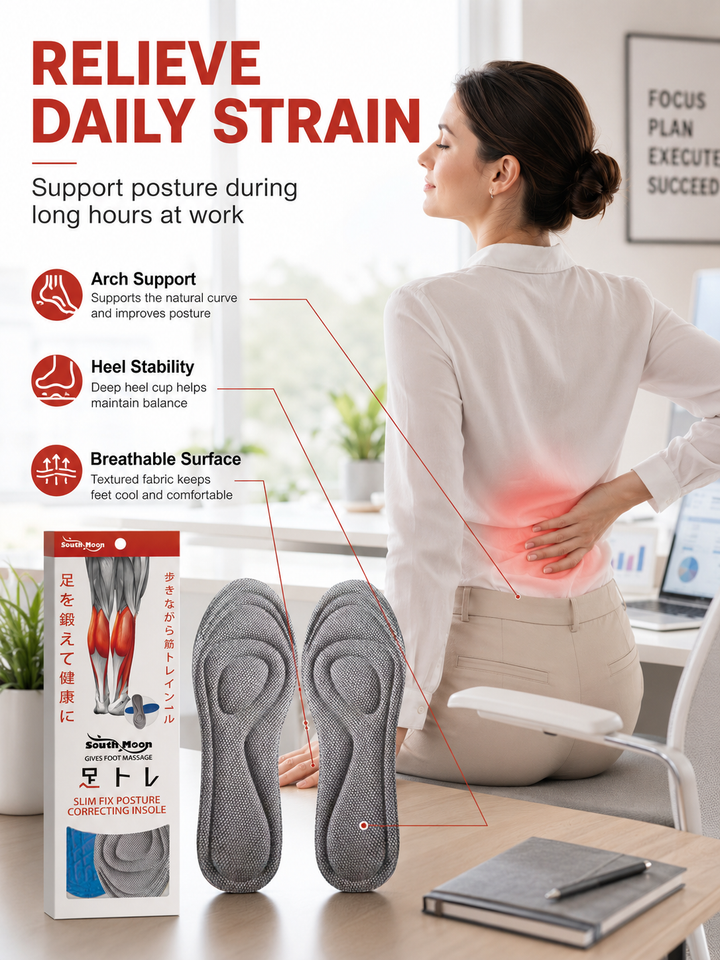
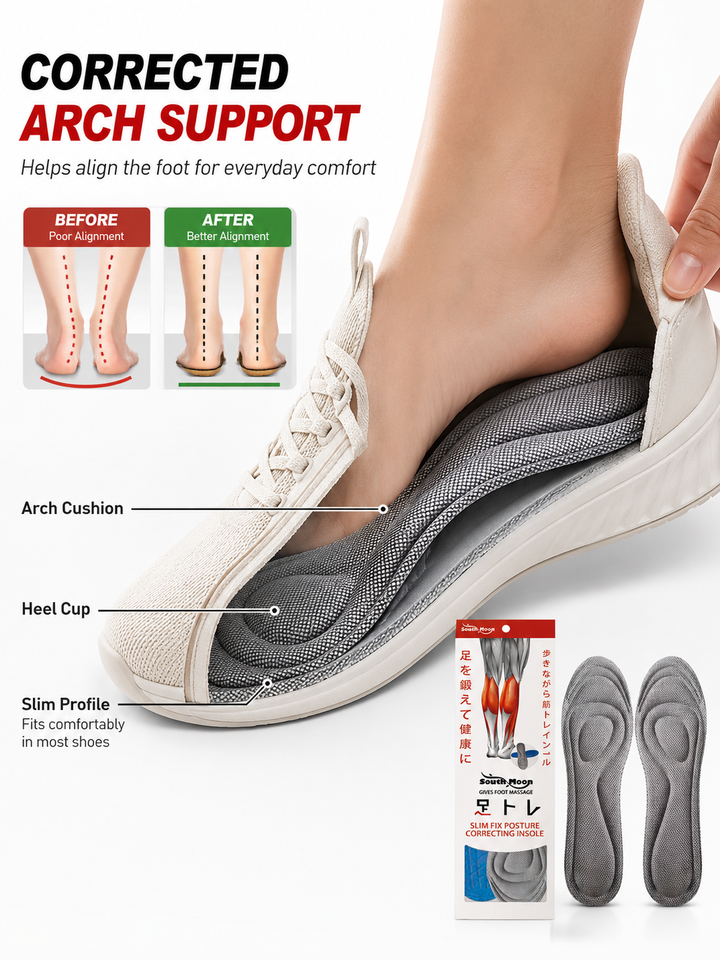


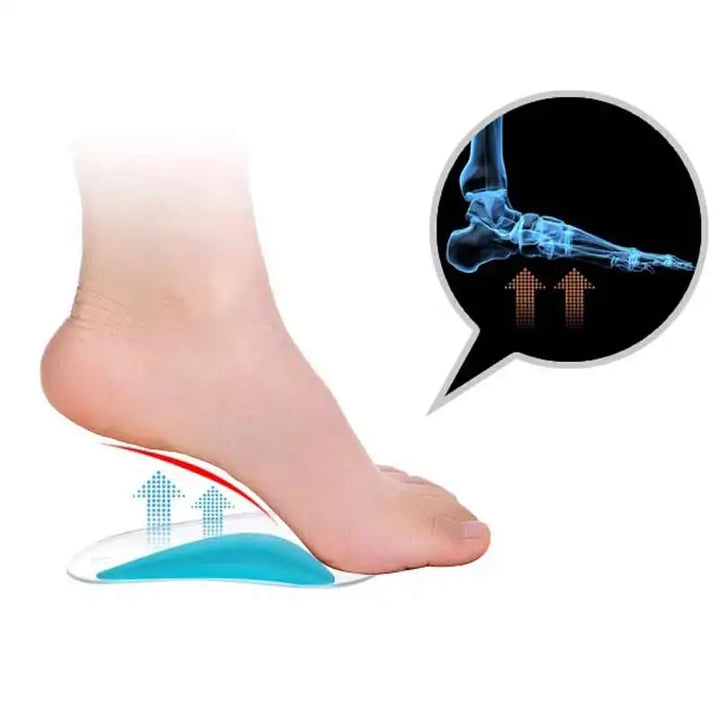
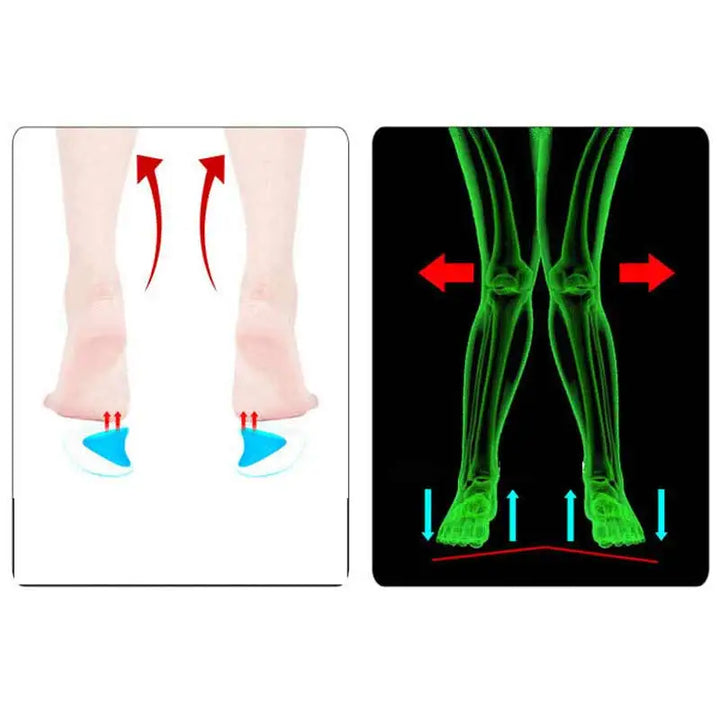
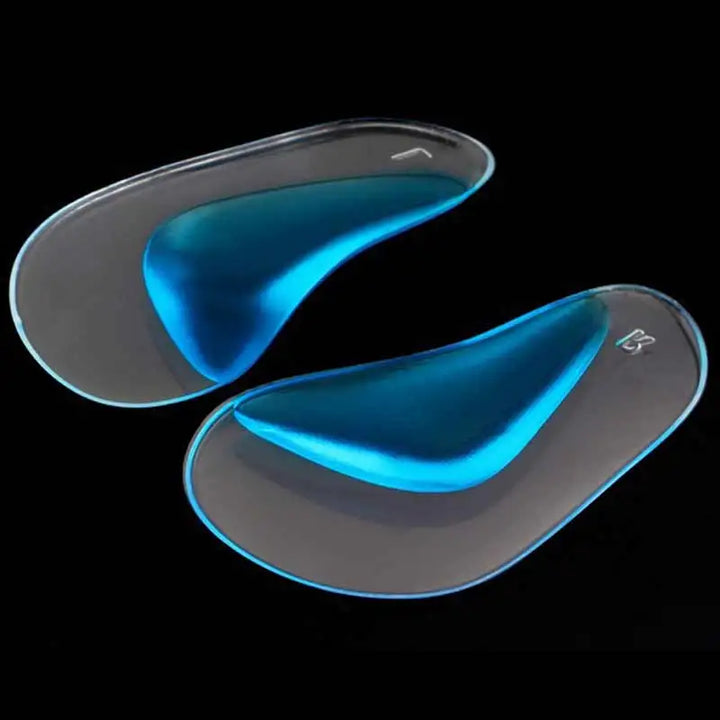

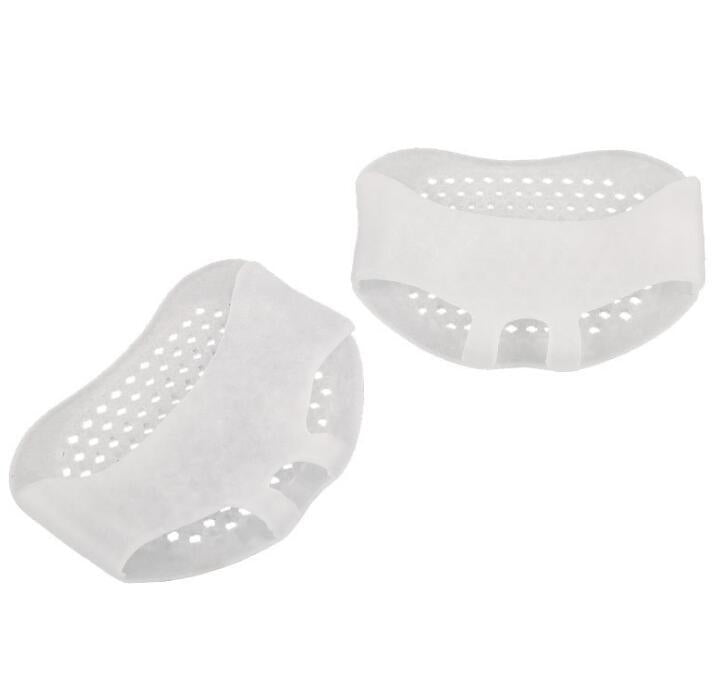
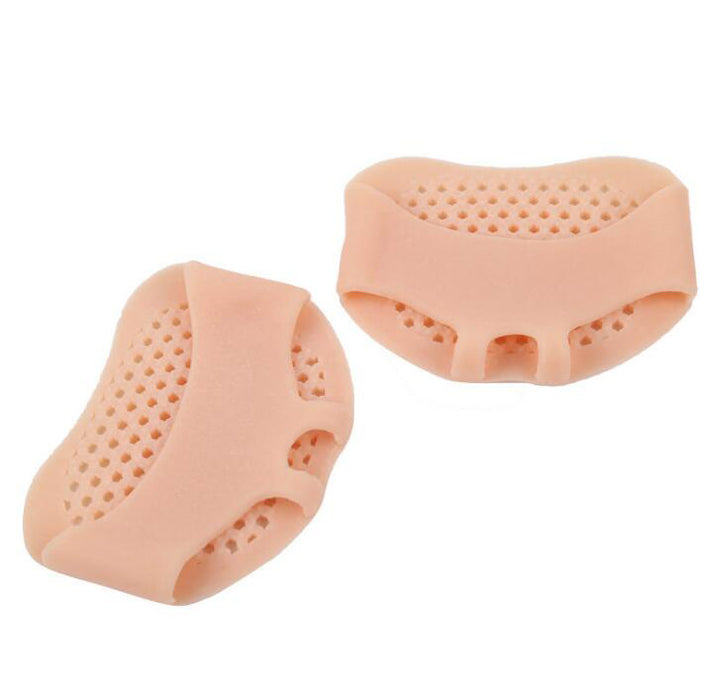
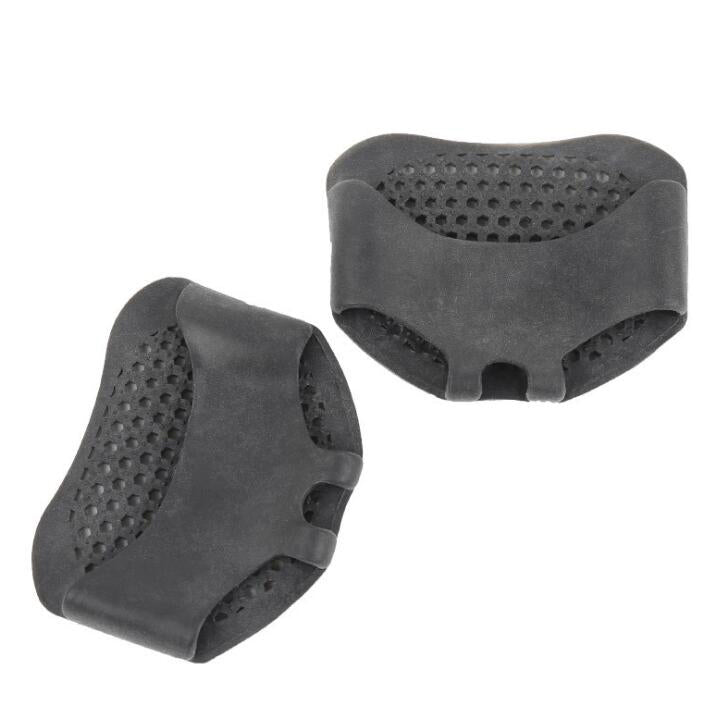

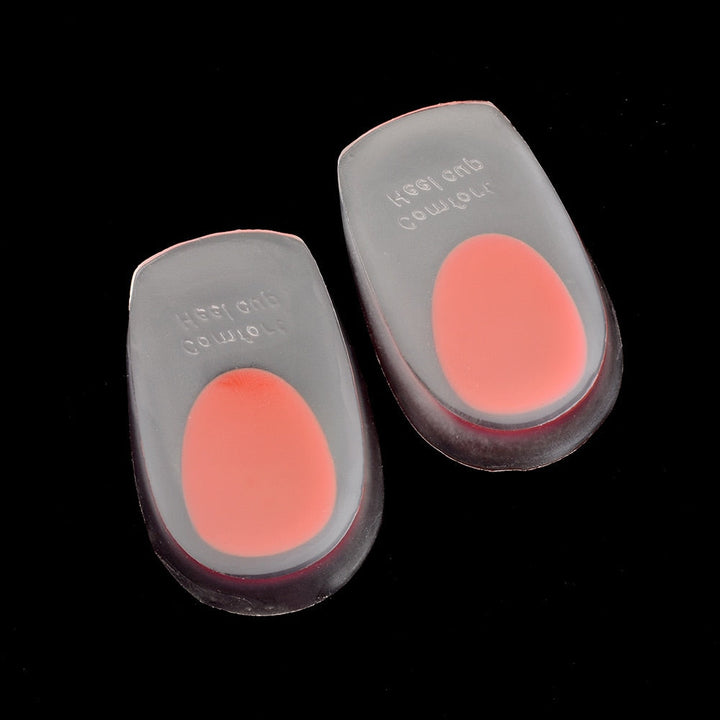
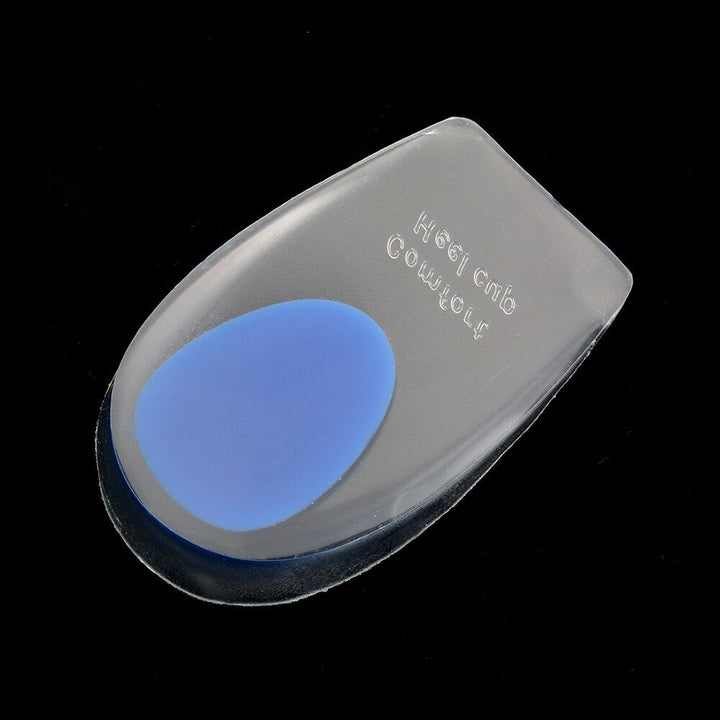
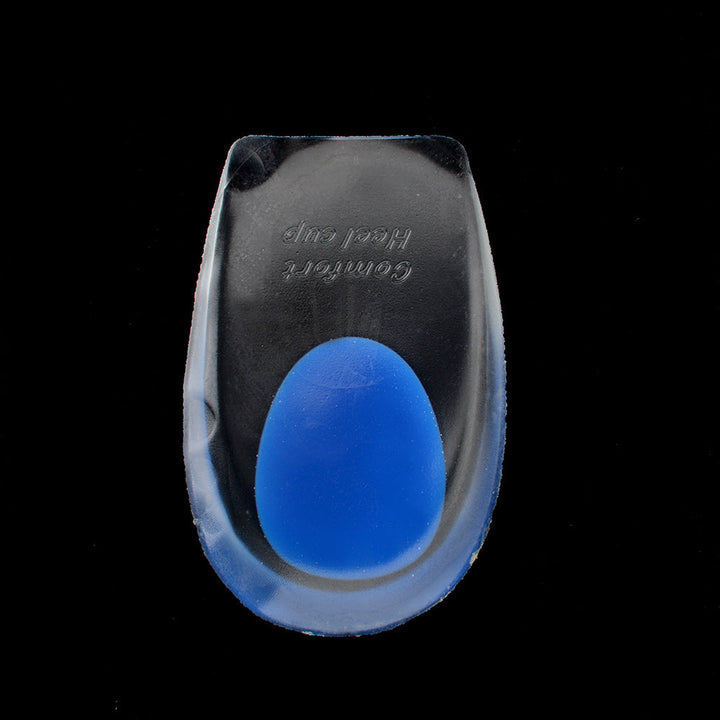


Find everyday comfort, cushioning, arch support and discreet lift with insoles and heel pads selected for different footwear and routines. This range includes acupressure, gel, performance, height-boosting and heel-support options for walking, standing, running and dress shoes.
How do you choose the right insoles?
Start with your main priority: cushioning for long days, arch support for a more supported step, extra height, running comfort or heel protection in dress shoes. Check the shape of your footwear before buying. Full-length insoles suit roomy trainers and walking shoes, while discreet height-boosting designs work better when you want a less visible lift. If your shoes already feel snug, a thin insert or silicone heel pad may be more practical than a full insole. Consider the activity too: performance running insoles are designed for active footwear, while acupressure and magnetic styles are suited to everyday use. For high heels, invisible silicone heel pads can add cushioning without taking up as much space as a full insert.
What are the different types of insoles compared?
Arch support insoles provide shaped support under the foot and are available here in acupressure, magnetic and performance designs. Gel insoles or gel sections focus on soft cushioning and can feel useful after long periods of standing. Foam-based or cushioned supports generally offer a lighter, more adaptable feel, depending on their construction. Height insoles add a discreet lift while retaining cushioned arch support, making them suitable for selected everyday shoes. Silicone heel pads target the heel area rather than the whole foot and can be useful in high heels or footwear that rubs at the back. Orthotic insoles is a broad search term, so check the product description carefully: not every insert has the same shape, firmness or coverage.
What should you look for in insoles for walking and standing all day?
For walking and standing all day, look for a fit that stays stable inside the shoe, cushioning that does not make the footwear too tight and support that matches your natural comfort preference. A cushioned arch design can suit everyday trainers, work shoes and casual footwear, while magnetic acupressure gel insoles are another option for people seeking a textured, cushioned feel after long days. Breathable materials and a smooth top surface can make regular wear more comfortable. If you are shopping for insoles for basketball or other active use, choose a performance design that fits securely in the shoe and leaves enough room for your foot. Always compare the insole shape with your shoe's removable liner and interior space.
How do you use and fit shoe insoles correctly?
Remove the original liner if the shoe has one and the new insole is designed to replace it; otherwise, place the insert on top only when there is enough room. Match the heel of the insole with the heel of the shoe and check that the edges do not fold. Trim only if the product instructions allow it, using the original liner as a guide. Start with shorter wear periods so you can assess the fit before using the insoles for a full day. Wear both insoles together when the design is intended as a pair. For height-boosting insoles, confirm that your heel remains securely inside the shoe and that the shoe still fastens comfortably. Stop using any product that causes rubbing, numbness or persistent discomfort.
What are common mistakes when buying insoles?
A common mistake is choosing the thickest option without checking the shoe's available space. This can make the foot feel cramped or cause the heel to lift. Another is selecting strong arch shaping when a softer, flatter support would feel more natural. Shoppers also sometimes use a full-length insole in narrow dress shoes when a silicone heel pad would be easier to fit. Do not assume that a product labelled for arch support, acupressure or height will suit every activity; compare the intended use, coverage and construction. Replace a removable shoe liner only when the insole is suitable for that position. Finally, do not treat search terms such as best insoles or orthotic insoles as a guarantee of personal fit: comfort depends on the shoe, foot shape and intended use.
Who are these insoles and heel pads suitable for?
This category suits shoppers wanting extra cushioning, everyday arch support, a discreet increase in height or targeted heel padding. Acupressure and magnetic designs are intended for everyday foot comfort, while performance running insoles are a practical choice for running shoes and active routines. Height-boosting insoles suit people who want a lift in compatible footwear, with discreet versions for less visible wear. The flat-feet design offers shaped support for shoppers looking for a more structured insole, but fit and comfort should guide your choice. Silicone heel pads are useful when you need cushioning at the heel or want support in high heels without filling the entire shoe. Anyone with ongoing foot discomfort or a specific foot condition should seek individual professional advice before choosing an insert.
Frequently asked questions
What is the purpose of insoles?
Insoles sit inside footwear to add cushioning, shape or support beneath the foot. Depending on the design, they can also provide a discreet lift, a textured acupressure feel or targeted heel padding.
Why should you wear insoles?
You may choose insoles to make shoes feel more cushioned, add arch support, improve the fit or reduce pressure from a firm shoe. The right choice depends on your footwear, activity and personal comfort; insoles are not necessary for everyone.
Which brand of insoles is the best?
There is no single best brand or design for every shopper. Compare the insole's shape, thickness, intended activity, cushioning and compatibility with your shoes, then choose the option that fits securely and feels comfortable.
What's the difference between inserts and insoles?
The terms are often used interchangeably. In general, an insole may describe a full footbed that covers much of the shoe, while an insert can refer to a full or partial product, such as a heel pad.
Which is better, gel or foam insoles?
Neither is automatically better. Gel designs can provide a soft, cushioned feel, while foam constructions may feel lighter and more adaptable; the best option depends on the shoe space, activity and comfort preference.
What are the disadvantages of wearing insoles?
An unsuitable insole can make shoes feel tight, change the fit or cause rubbing and discomfort. Using too much lift or support may also feel unstable in footwear that lacks enough depth, so check compatibility and introduce new insoles gradually.