Shoe Inserts & Insoles: Plantar, Gel & Work Boot Support
6 products
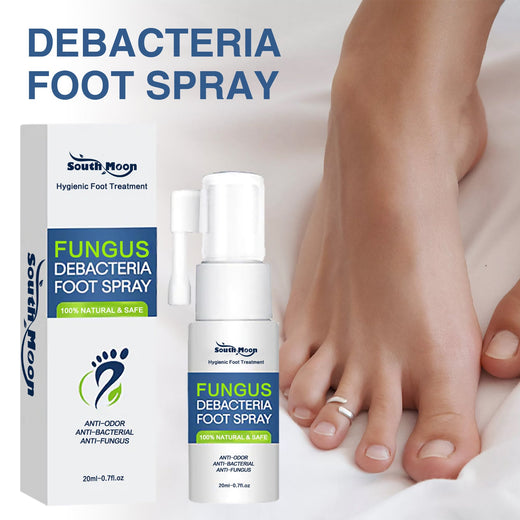
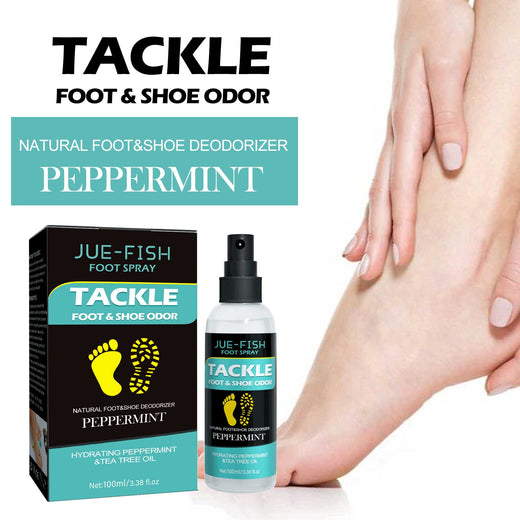
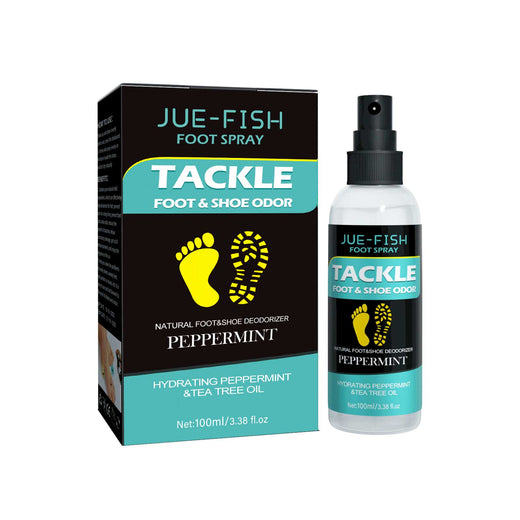
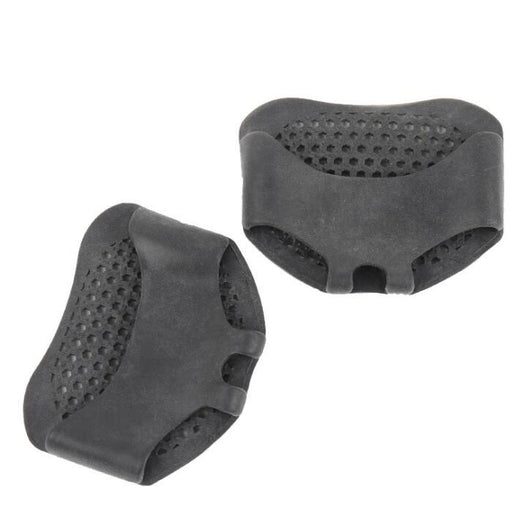
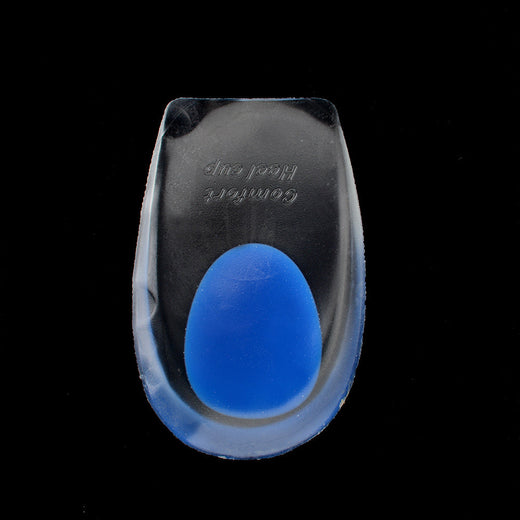
Shoe insoles and inserts can change how your footwear feels, fits, and stays in place throughout the day. This category includes heel patches, silicone heel pads, gel heel insoles, odor sprays, and discreet height-boosting heel pads for everyday shoes, high heels, and work footwear.
How to choose shoe insoles for your footwear
Start with the shoe, then choose the type of support or cushioning you need. For high heels that rub at the back, heel patches and silicone heel pads add a soft barrier and help reduce slipping. Gel heel insoles are suited to shoes where you want cushioning under the heel or foot without adding a bulky layer. Height-boosting heel pads add lift inside compatible footwear, while sprays are designed for freshness rather than support. Check the available space before buying: a thick insert can make a close-fitting shoe feel tighter. If you are shopping for shoe insoles for women, work shoes, or standing all day, compare the insert shape, thickness, surface grip, and whether it can be trimmed or repositioned.
What is the difference between heel pads, gel insoles, and inserts?
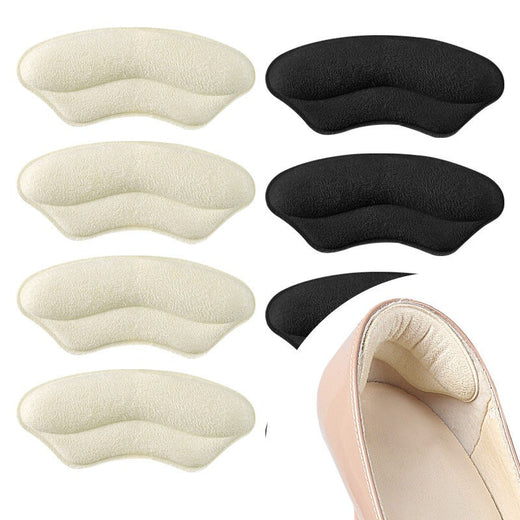
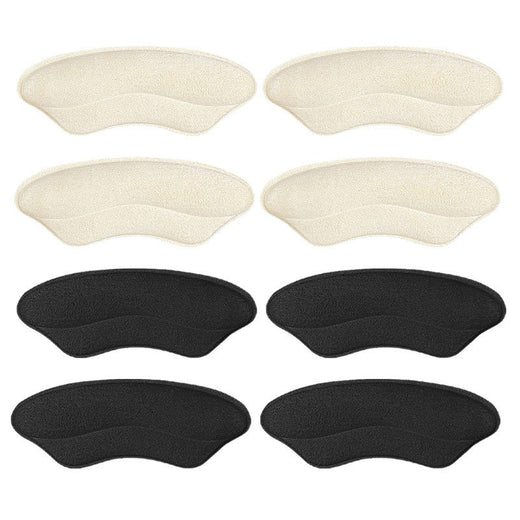
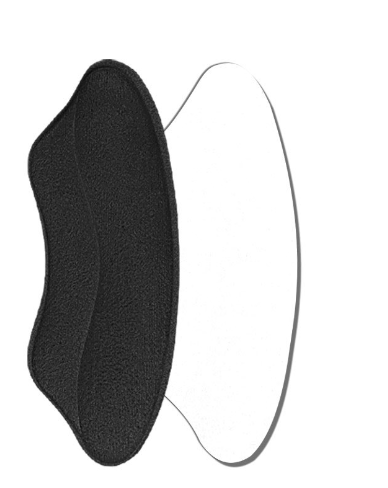
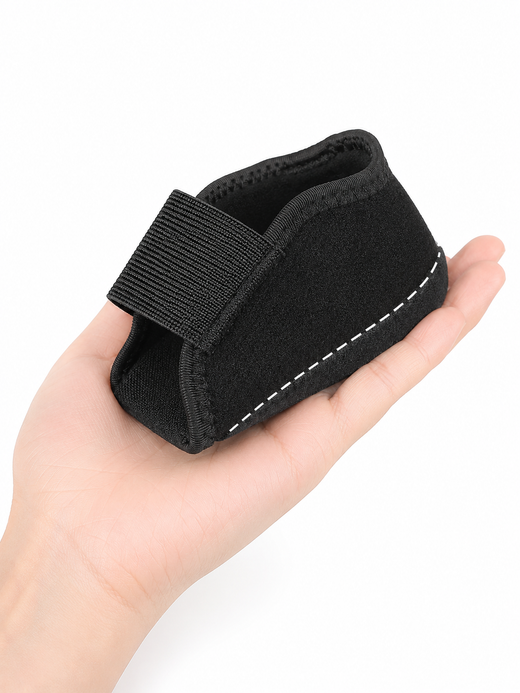
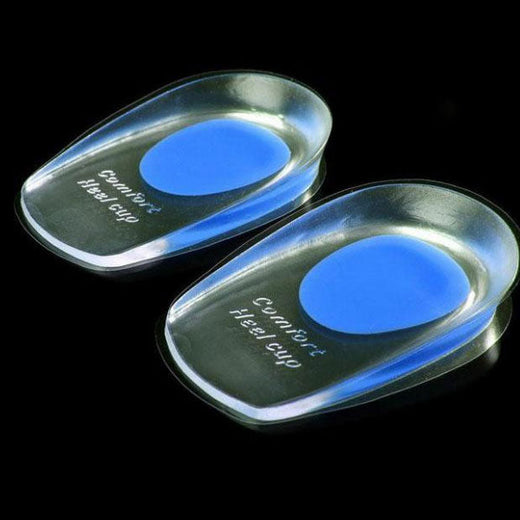
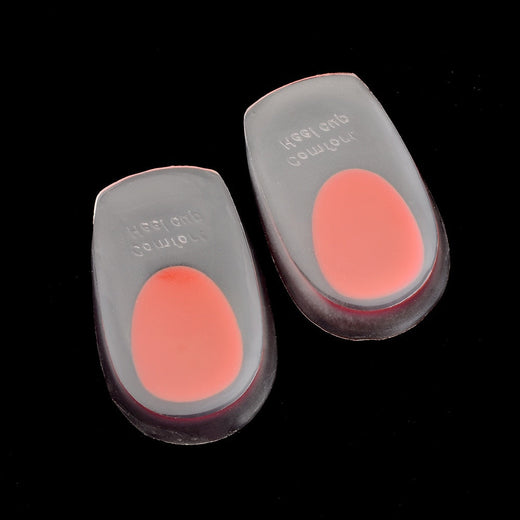
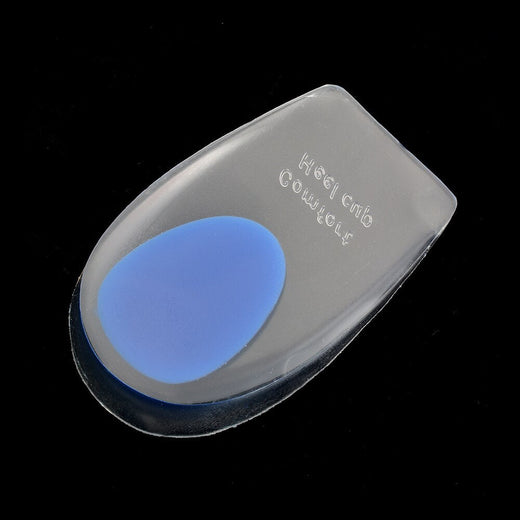
Heel patches are thin foam cushions that attach to the inside back of a shoe, helping soften contact and improve the fit around the heel. Silicone heel pads serve a similar purpose with a smooth, flexible feel and a discreet appearance, making them useful for high heels and other open or close-fitting styles. Gel heel insoles sit beneath the heel or foot to provide cushioning over the shoe's existing footbed. Height-boosting heel pads are shaped to raise the heel rather than provide full-foot coverage. In everyday shopping language, inserts and insoles can overlap: an insole usually covers more of the footbed, while an insert may target one area, such as the heel. Choose based on placement, thickness, and shoe room.
What should you look for in the best shoe insoles?
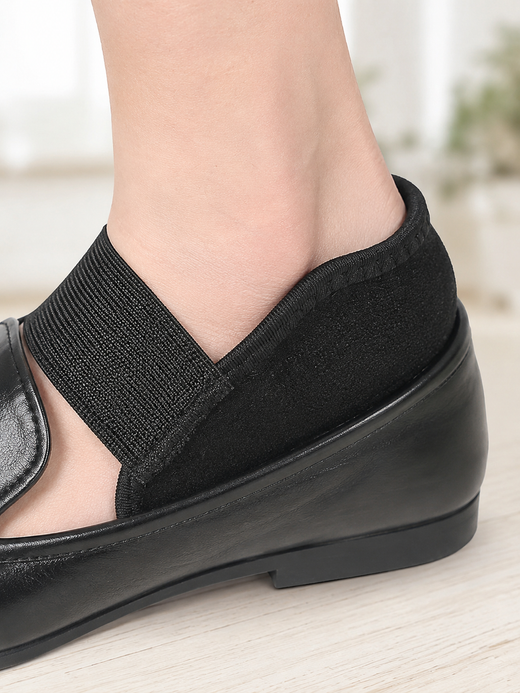
Look for a shape that matches the part of the shoe you want to improve. Heel cushions should sit securely against the heel counter without folding, while gel heel insoles should lie flat under the heel and avoid crowding the toes. A textured or adhesive surface can help reduce movement, especially in smooth-lined shoes. For high heels, discreet silicone or foam designs are easier to hide than oversized inserts. For work boots and shoes worn while standing all day, check the available interior space and choose cushioning that does not make the fit too tight. If your shoes feel loose, height-boosting heel pads or heel cushions may help refine the fit. Read care instructions carefully so reusable pieces retain their shape and grip.
Do shoe insoles work for any shoes?
No single shoe insole works equally well in every shoe. Heel patches and silicone heel pads are best for footwear with a defined heel area, including pumps, flats, boots, and some trainers. Gel heel insoles need enough room beneath the foot; they may not suit very shallow shoes or styles that already fit tightly. Height-boosting heel pads also require a secure heel area so the foot does not slide forward. Before applying an insert, remove loose dust and check that the lining is dry. Test the shoe indoors for a short period and walk carefully before wearing it for a full day. For shoe insoles for big shoes, a thicker heel-focused insert may improve fit, but it will not replace choosing the correct shoe size.
How to use and care for shoe inserts
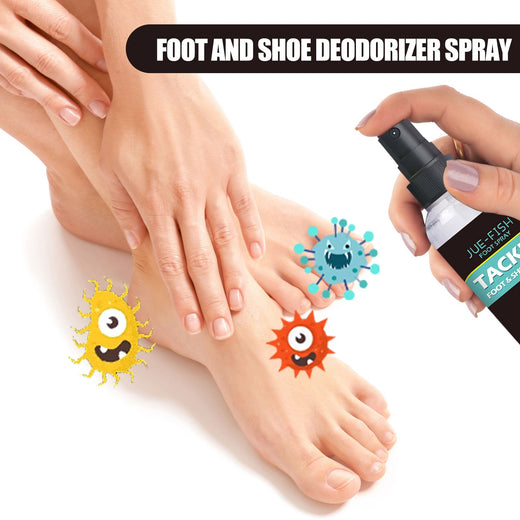
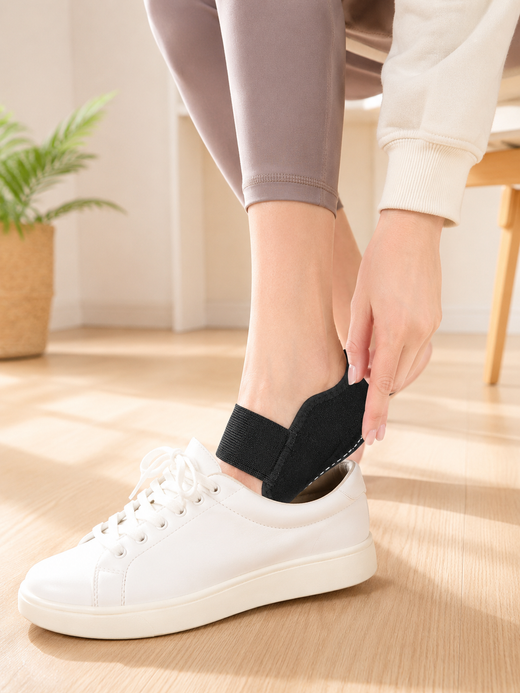
Clean and dry the inside of the shoe before placing an adhesive heel patch or silicone pad. Position it where the heel makes contact, press it firmly, and try the shoe on before relying on it outside. Gel heel insoles and height-boosting heel pads should sit flat, with the raised section centered beneath the heel. Avoid forcing an insert into a shoe with insufficient room, since crowding can change the fit. When using foot odor spray, follow the product directions and allow the shoe to dry before wearing it. Peppermint and tea tree freshness sprays are intended for odor care, not structural support. Remove reusable pads gently, clean them as directed, and replace any insert that becomes worn, warped, or unable to stay in place.
Who are shoe inserts and heel pads suited for?
These products suit shoppers who want to fine-tune the feel or fit of everyday footwear without replacing the shoes. Heel patches and silicone heel pads are useful when high heels or flats slip at the back or feel rough against the heel. Gel heel insoles suit shoppers seeking extra cushioning in compatible shoes, including some work footwear. Height-boosting heel pads are for anyone wanting a discreet lift, provided the shoe has enough heel support and interior room. Odor sprays suit shoes that need a freshness routine between wears. If you have flat feet or need a particular type of foot support, compare the insert's shape and coverage carefully rather than assuming every shoe insole is suitable. Stop using any product that causes discomfort or changes your fit.
Frequently asked questions
What's the difference between inserts and insoles?
The terms are often used interchangeably, but an insole usually covers much of the shoe's footbed. An insert may target a smaller area, such as the heel, with a heel patch, silicone heel pad, gel cushion, or height-boosting pad.
Do insoles work for any shoes?
No. The shoe must have enough interior room and the right shape for the insert. Heel pads need a defined heel area, while gel and height-boosting inserts need enough space beneath the foot or heel without making the shoe feel tight.
What shoe insoles actually work?
The most useful choice depends on the problem you are trying to address. Heel patches and silicone heel pads target heel rubbing or slipping, gel heel insoles add cushioning, height-boosting pads add lift, and foot sprays help with freshness rather than fit or support.
What are the most comfortable insoles for shoes?
Comfort depends on the shoe, available space, and the way you want the shoe to feel. Soft foam heel patches suit back-of-heel contact, silicone pads offer a flexible cushion, and gel heel insoles may suit shoes with room for cushioning beneath the heel.
Is foam or gel insoles better?
Neither material is best for every shoe. Foam heel patches are useful when you need a thin, soft cushion at the back of the shoe, while gel heel insoles are suited to shoppers who want cushioning beneath the heel and have enough room inside the shoe.
What are the #1 podiatrist recommended insoles?
There is no single insole that is right for everyone, and recommendations depend on the shoe and the type of support required. For general shopping, compare the insert's coverage, thickness, grip, and fit; if you need specific foot support, ask a qualified healthcare professional for personalized guidance.