Ball of Foot Cushions & Arch Support Insoles for Comfort
5 items


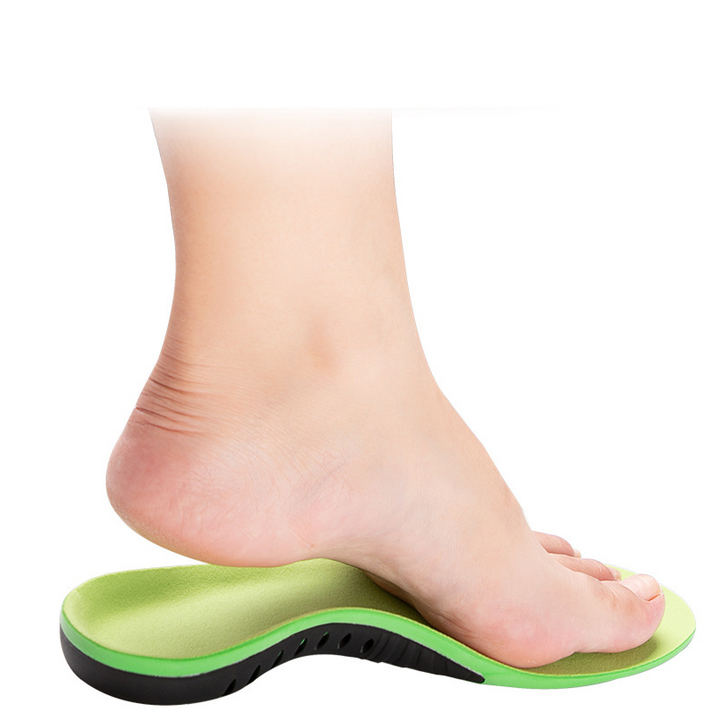

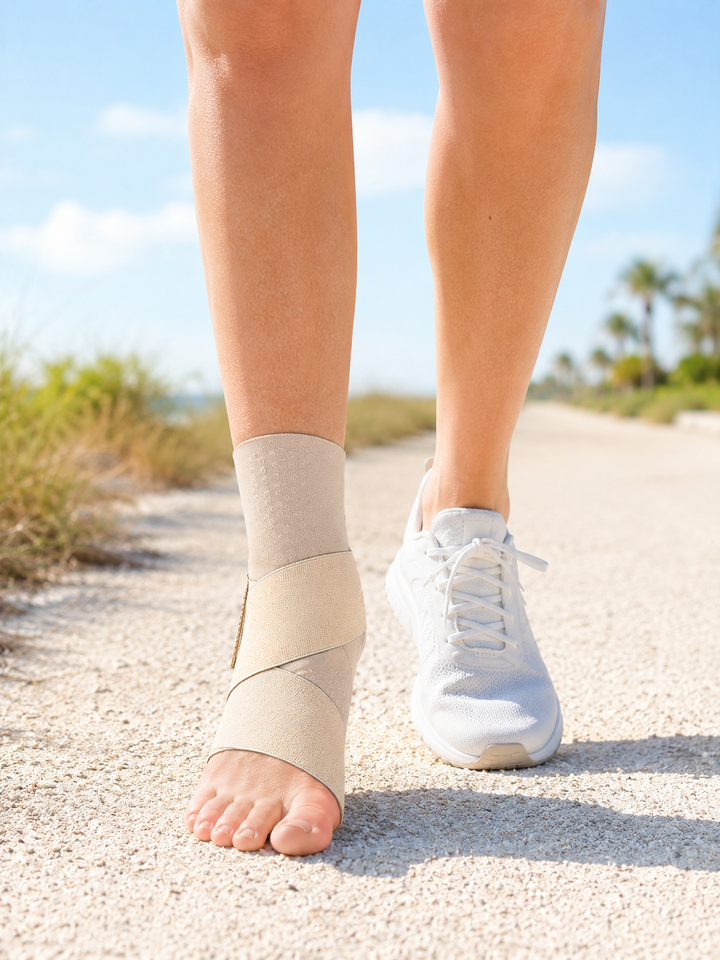
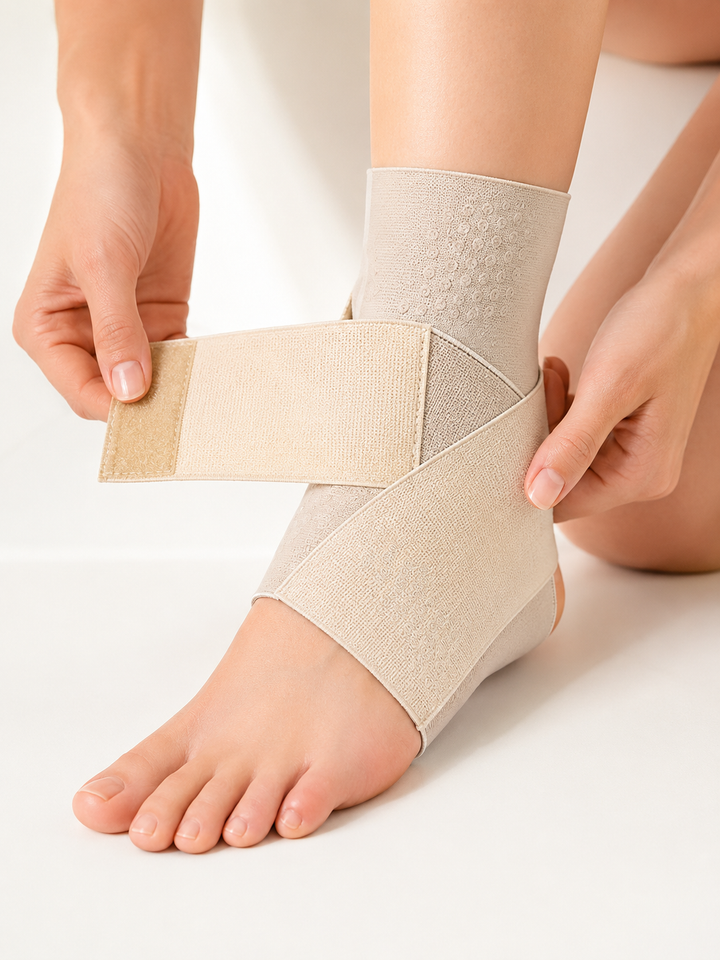
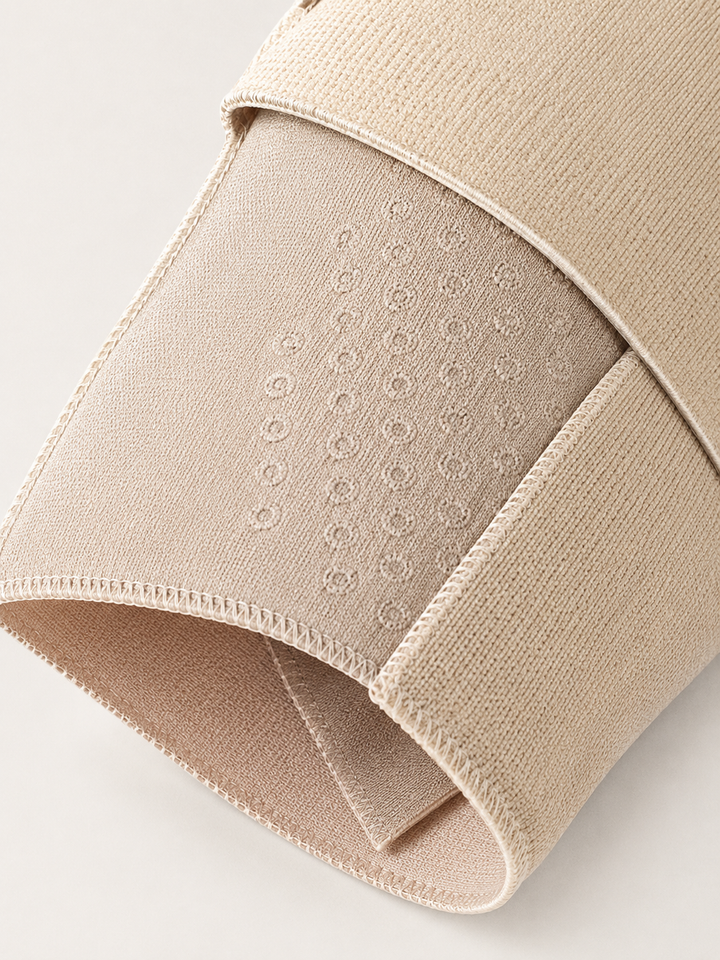

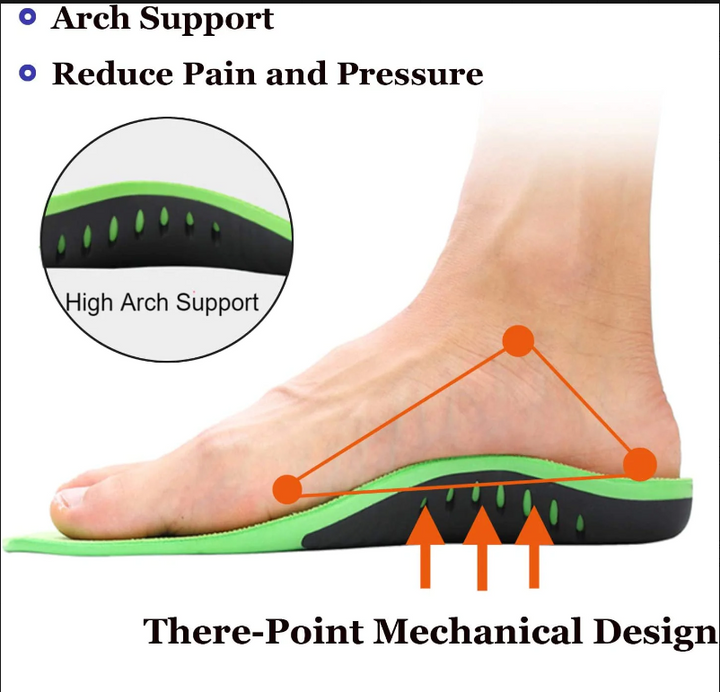
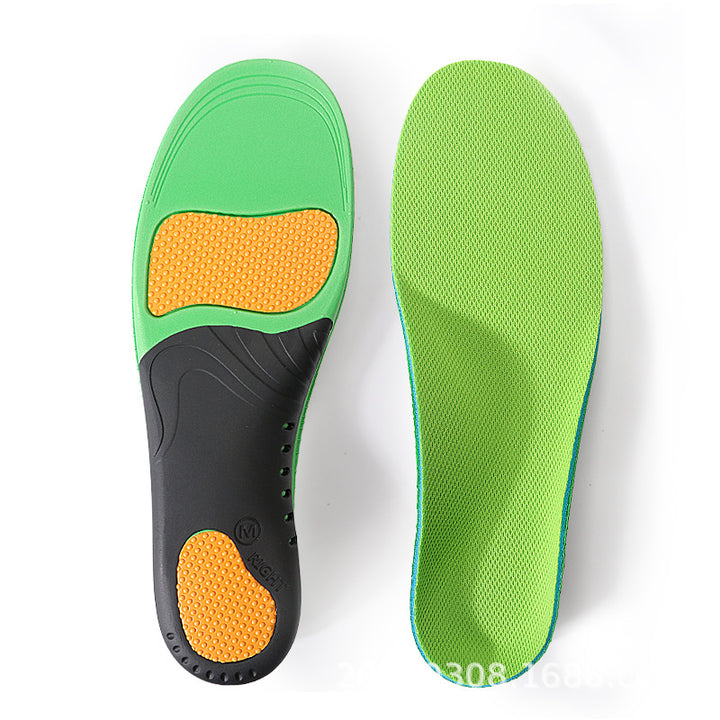
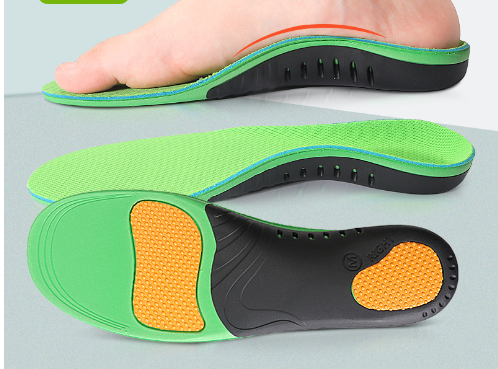

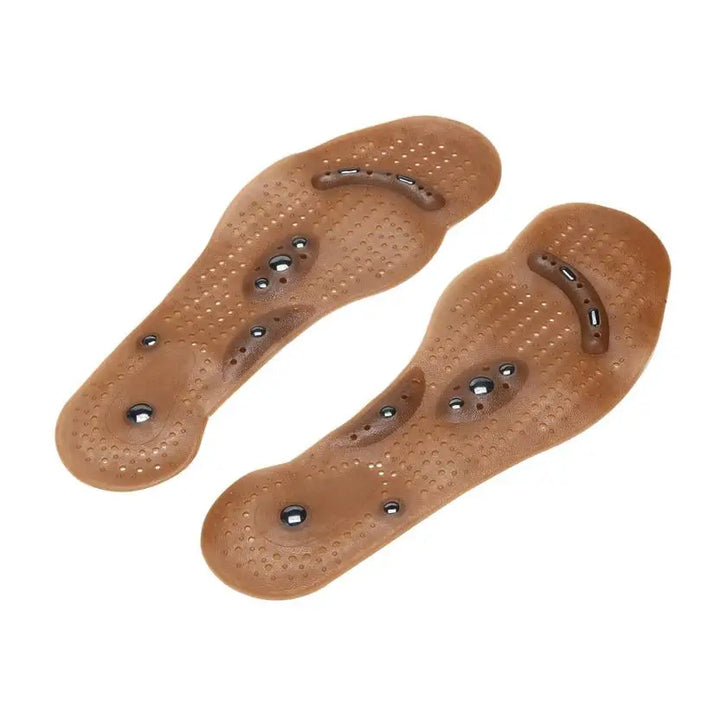
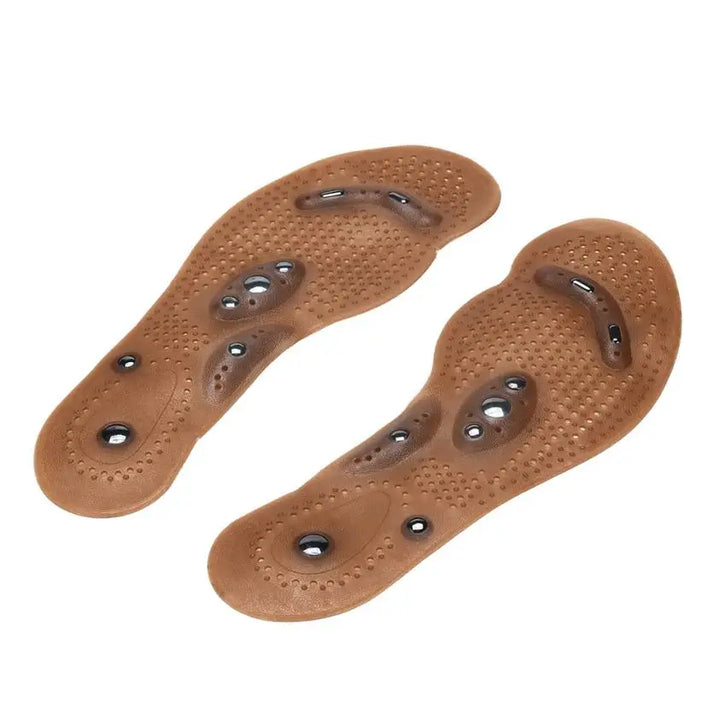
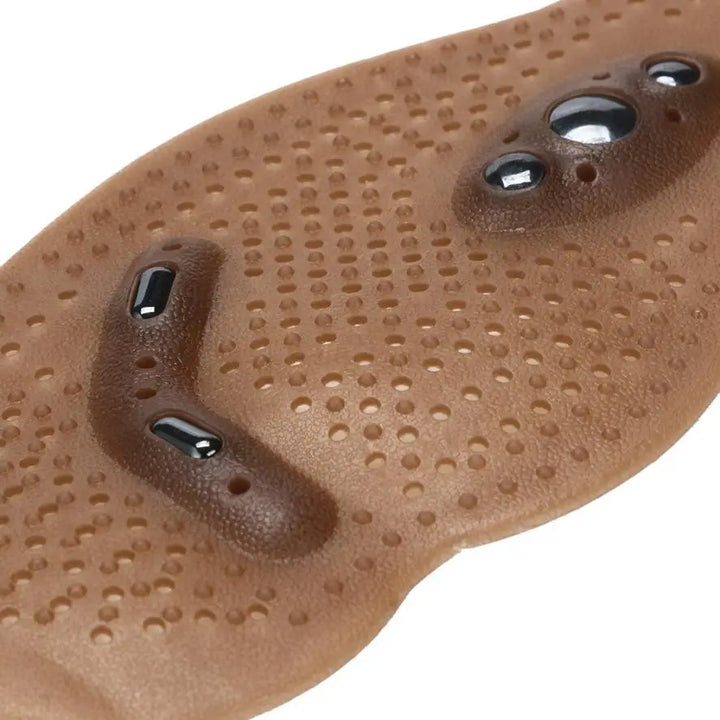

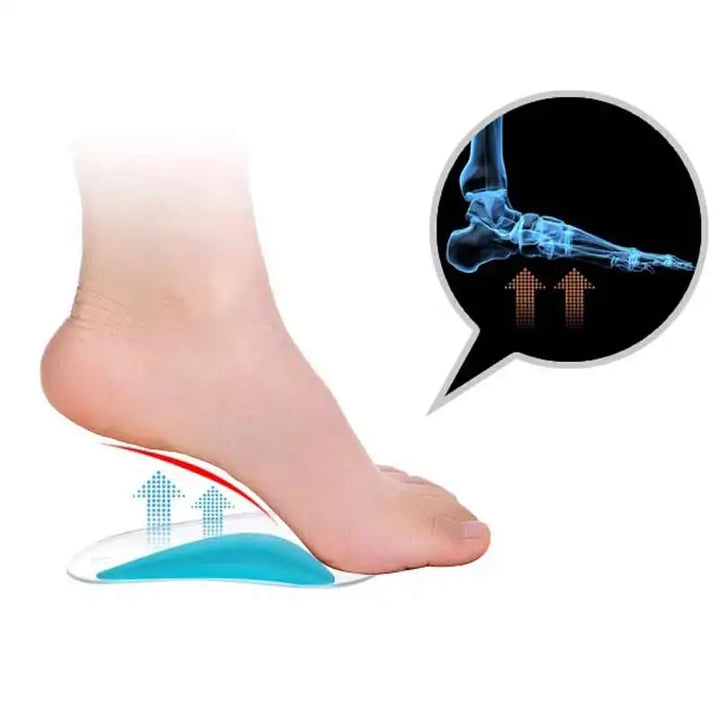
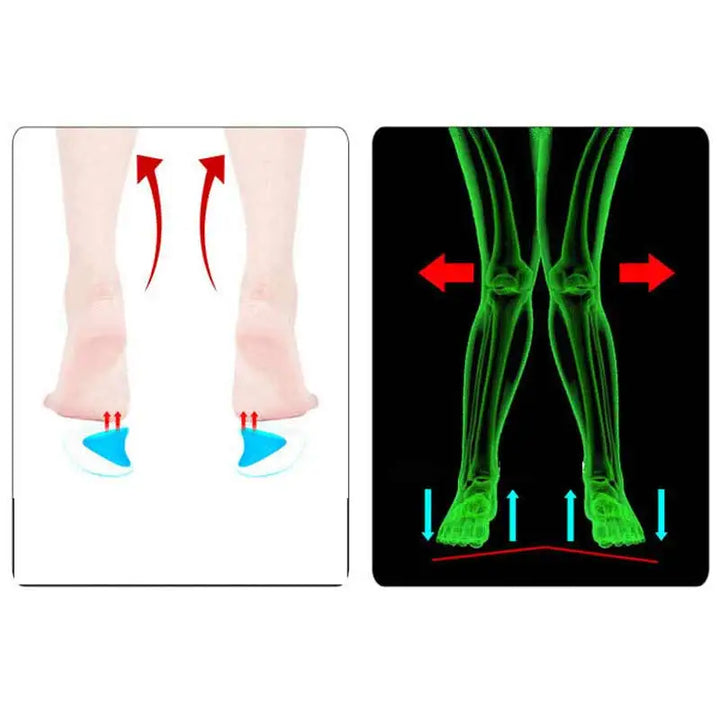
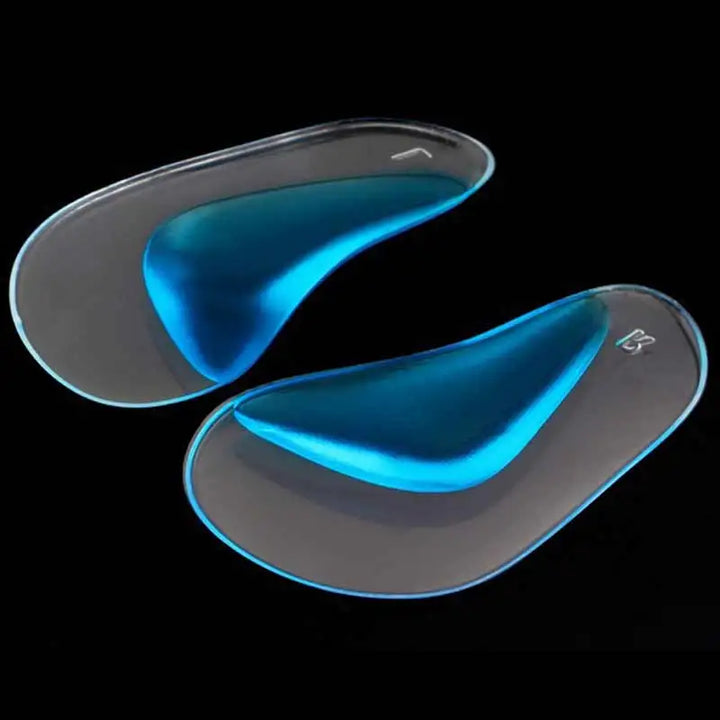
Foot insoles can add cushioning, arch support, or pressure relief inside everyday shoes, work footwear, and boots. This category includes flat-foot support insoles, gel and massage-style designs, and a foot and ankle brace so you can compare comfort features based on how you walk, stand, and wear your shoes.
How to choose foot insoles for your shoes
Start with the shoe, then match the insole to your comfort needs. For trainers and casual shoes, arch support insoles for flat feet or gel-pad designs can add structure without replacing the shoe’s entire footbed. For work shoes and boots, look for a shape that fits securely, does not bunch at the toes, and leaves enough room across the top of the foot. If the ball of your foot feels pressure during walking or standing, choose a design with cushioning in that area. People seeking foot insoles for long days may prefer a combination of soft padding and moderate arch support. Check whether the insole can be trimmed, and compare its size range with your footwear before ordering.
What are the different types of insoles compared?
Cushion insoles focus on softness and impact comfort, making them useful when your shoes feel firm or thin underfoot. Gel insoles and gel pads offer a flexible, cushioned feel and may suit people who spend long periods walking or standing. Arch support insoles use a shaped section under the midfoot, including options designed for flat feet and everyday shoes. Orthopedic-style foot insoles generally refer to supportive designs rather than one universal fit, so shape and comfort still matter. A foot and ankle brace works differently from a removable insole by providing support around the foot and ankle area. Choose based on the space in your shoe, the level of structure you prefer, and whether you need cushioning, arch support, or both.
What should you look for in the best foot insoles?
Look for an insole that matches your foot shape and the interior of your footwear. A supportive arch should feel comfortably placed under the arch rather than pressing sharply into it. For ball-of-foot comfort, check for padding beneath the forefoot, while extra thick cushion insoles may be better suited to roomy shoes than close-fitting footwear. A non-slip surface can help the insole stay in position as you walk. Breathable or moisture-managing materials may feel more comfortable during long wear, but the fit remains the priority. If you are comparing orthopedic insoles for flat feet, consider a design with a stable heel area and shaped midfoot support. Read the product sizing details and measure against the manufacturer’s guide instead of choosing by shoe size alone.
Are insoles and inserts the same thing?
The terms are often used interchangeably, but they can describe slightly different products. An insole usually refers to a removable layer placed inside a shoe for cushioning, support, or comfort. An insert can mean the same thing, although shoppers also use it for smaller pieces such as gel pads, heel cups, or targeted forefoot cushions. The products in this category include full-length foot insoles, arch support designs, gel cushioning, and a brace, so check the product shape before buying. A full-length option changes the support and cushioning across more of the foot, while a pad targets one area and usually takes up less room. If your shoe already has a removable footbed, compare the replacement insole’s thickness before inserting it.
How should you use and break in shoe insoles?
Remove the original footbed when the replacement insole is designed to take its place; otherwise, the shoe may become too tight. Position the insole so the heel sits fully in the heel cup and the arch aligns with your foot, then walk indoors to check for slipping, rubbing, or pressure. Start with shorter periods of wear and increase gradually as the insole feels comfortable. If the insole is too long, follow its trimming guide and use the original footbed as a template when appropriate. Keep gel and foam surfaces clean according to the care instructions, and allow them to dry fully before wearing them again. Stop using a product if it causes persistent discomfort, and seek professional advice for ongoing or significant foot concerns.
Who are foot insoles for, and what mistakes should you avoid?
Foot insoles may suit people who want more cushioning in everyday shoes, added arch support for flat feet, or greater comfort while walking and standing all day. They can also be useful in boots when the interior has enough space for a replacement footbed. Avoid choosing the thickest option automatically: extra bulk can crowd the toes, lift the heel, or make the shoe harder to wear. Do not stack a new insole on top of a thick original footbed unless the shoe has room and the product instructions allow it. Another common mistake is ignoring alignment between the arch and your foot. Compare the shape, thickness, sizing, and intended footwear, and replace an insole when it becomes compressed, damaged, or unable to stay in place.
Frequently asked questions
What are the #1 podiatrist recommended insoles?
There is no single insole that suits every foot, shoe, or comfort preference. A podiatrist may recommend a product based on your foot shape, footwear, activity, and symptoms, while everyday shoppers can compare arch placement, cushioning, thickness, and fit. For persistent or significant discomfort, ask a qualified healthcare professional for individual guidance.
What's the difference between insoles and inserts?
The words are commonly used for removable products placed inside shoes. Insole often means a full-length layer that provides cushioning or support, while insert may also describe a smaller gel pad or targeted cushion. Check the product dimensions and placement to see whether it supports the whole foot or one area.
Do insoles really help your feet?
Insoles can make shoes feel more cushioned, supportive, or comfortable when the original footbed is too firm or lacks structure. Results depend on the fit, the insole design, and the footwear, so correct sizing and gradual use matter. They are not a substitute for professional assessment when foot discomfort continues.
What are the best foot insoles?
The best foot insoles are the ones that fit your shoes, match your preferred level of cushioning, and place support comfortably under your foot. Choose gel or cushioned styles for a softer feel, or shaped arch support insoles for flat feet when you want more midfoot structure. For boots, confirm that the insole’s thickness leaves enough room for your toes and heel.
Is foam or gel insoles better?
Foam often provides a soft, lightweight cushioning feel, while gel tends to feel flexible and springy under pressure. Neither material is best for everyone; the right choice depends on how much cushioning you want, how much space your shoe has, and whether you prefer a firmer or softer base. Look at the full design, including arch shape and thickness, rather than material alone.
Do foot insoles really work for long days of walking and standing?
They can improve comfort by adding cushioning or support when your footwear feels unsupportive during long periods on your feet. Choose a secure-fitting design that does not slide, crowd your toes, or create pressure under the arch. Break them in gradually and replace them if the material becomes compressed or uncomfortable.