
$35.90
Free delivery · 7–14 days
USB 2.0 Square-Port Printer Cable for Canon, HP, Epson

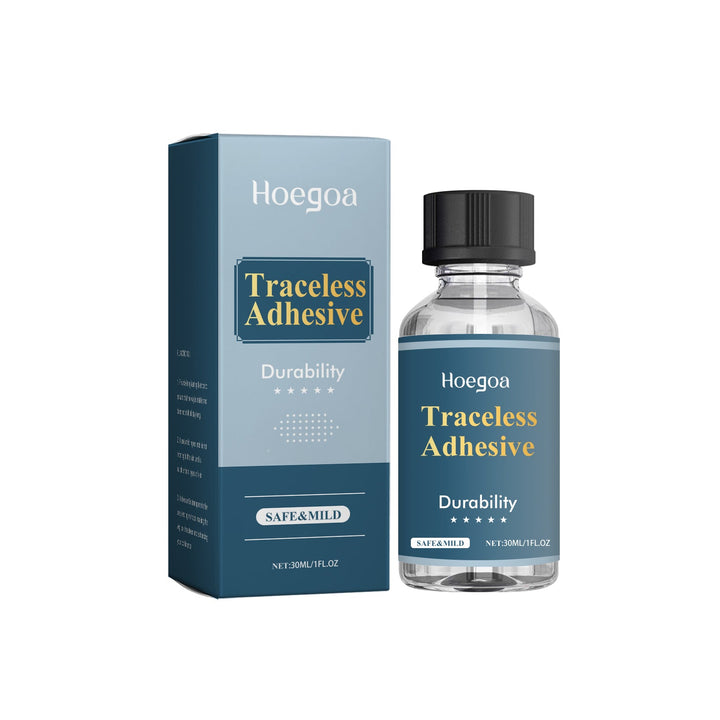

Choose a 3D printer bed adhesive based on your build surface, PLA print size, and how easily you want to remove residue afterward. This guide compares glue sticks and other adhesive products so you can select practical 3D printing supplies for reliable first-layer contact without treating adhesive as a substitute for correct bed temperature, leveling, or cleaning.
Start by checking the surface of your print bed, such as glass, PEI, or another manufacturer-approved build plate. For PLA, a 3D printer glue stick is usually the most straightforward choice because it can be spread in a thin layer and cleaned between prints. Consider the size of your models too: larger bases may benefit from an even coating across the full first-layer area, while small parts need only targeted coverage. Look for a product described specifically for 3D printer bed adhesion rather than choosing a general-purpose adhesive by strength alone. If you are comparing 3D printer accessories kit options, confirm that the adhesive is intended for your printer material and bed type. Always follow the bed and adhesive maker’s temperature and cleaning guidance.
The main choice in this category is between a purpose-made 3D printing glue stick and general adhesive products. A 3D printer glue stick is designed for controlled application on a build plate and is available in options marketed for strong hot-bed adhesion or easier cleanup. A general wig adhesive glue may be formulated for a different surface and use pattern, so it should not be assumed suitable for a heated print bed unless its instructions clearly allow it. Solid nail patch glue is also intended for nail-related applications, not routine PLA printing. For most users, a dedicated 3D printer glue stick is the sensible starting point. Compare cap design, stick format, application control, residue cleanup, and compatibility with your bed material rather than selecting only by the word “strong.”
Useful 3D printing supplies should support the entire first-layer process, not just add adhesive. For this category, look for a clearly labeled 3D printer glue stick, instructions for hot-bed use, and guidance on compatible build surfaces. An easy-clean formula can be valuable if you print often and want to remove residue during routine bed maintenance. A stick that applies smoothly helps avoid thick patches, which can affect the first layer and make part removal harder. Also check storage instructions, cap security, and package size if you are buying for repeated use or comparing 3D printing supplies wholesale listings. Shoppers searching for 3D printing supplies USA or supplies near me should still verify the product specifications and return terms, since local availability does not confirm printer compatibility.
Clean the build plate first using the method recommended for that surface, then let it dry. Apply a thin, even film of dedicated 3D printer glue to the area where the model will print; avoid heavy buildup around the edges or in isolated spots. If the product instructions call for application at a particular bed temperature, follow them rather than guessing. Load the PLA filament, confirm the bed is level, and watch the first layer for gaps, lifted corners, or excessive spreading. After printing, let the part and bed cool as directed before removal, then clean remaining residue according to the adhesive and build-plate instructions. Do not use a sharp tool aggressively on a delicate surface. Reapply only when cleaning and the next print require it.
A common mistake is applying more glue when the real issue is an unlevel bed, incorrect first-layer height, dirty surface, or unsuitable temperature. Excess adhesive can leave buildup and make a print harder to remove, while too little coverage may not support the model’s first layer. Another mistake is using wig adhesive glue or solid nail patch glue on a heated bed without explicit product instructions for that application. Do not mix different adhesives on the same surface, and do not ignore the build-plate manufacturer’s care guidance. If corners lift, check bed leveling, print cooling, model orientation, and first-layer settings before repeatedly increasing adhesive. Keep the cap closed between uses and store the product as directed. These habits matter whether you print occasionally or maintain a larger 3D printing supplies setup.
A dedicated 3D printer glue stick suits PLA users who want an additional aid for first-layer contact, especially when printing parts with broad bases or corners that tend to lift on a compatible bed. It can also be useful for hobbyists building a basic 3D printer accessories kit alongside filament, bed-cleaning tools, and spare nozzles. New users should remember that adhesive is not a replacement for correct slicing settings, bed leveling, or a clean surface. Frequent printers may prefer an easy-clean option to simplify routine maintenance, while occasional users may prioritize a compact stick with a secure cap. If you are buying 3D printing supplies near me, online, or in wholesale quantities, compare the intended application and bed compatibility before ordering. Choose purpose-made printer adhesive over unrelated household or cosmetic glue.
Basic supplies usually include a 3D printer, compatible filament such as PLA, a build plate, and tools for removing prints and maintaining the bed. A dedicated 3D printer glue stick can be added when your compatible surface needs extra first-layer support, but it does not replace correct leveling, temperature, and slicing settings.
This depends on what “40k” refers to, the specific files or objects involved, and the laws where you live. Printing copyrighted game models, weapons, controlled items, or other restricted objects may create legal issues, so check applicable laws and the license terms for any model before printing or selling it.
The cost varies with the printer, filament use, replacement parts, electricity, failed prints, and extra 3D printing supplies such as bed adhesive and cleaning tools. You can control ongoing costs by choosing PLA, starting with practical accessories, and using settings that reduce avoidable failed prints.
Some objects may be restricted by criminal, weapons, intellectual-property, safety, or other local laws. Rules differ by location, so check the law where you live and the license for each digital model; do not assume that having a 3D printer makes every design lawful to produce.
Yes, selling a print can create legal risk if it copies protected artwork, a character, a product design, a trademark, or a model whose license does not allow commercial use. Review the model’s license, obtain permission when needed, and avoid claiming ownership of designs you did not create or have rights to sell.
For many users, inconsistent first layers are a major practical problem caused by bed leveling, surface condition, temperature, settings, or poor adhesion. A suitable 3D printer glue stick may help on a compatible build plate, but reliable results also require correct calibration, clean surfaces, suitable filament, and regular printer maintenance.