
$64.90
Free delivery · 7–14 days
Glass Cleaning Tablets for Clear, Anti-Fog Windows


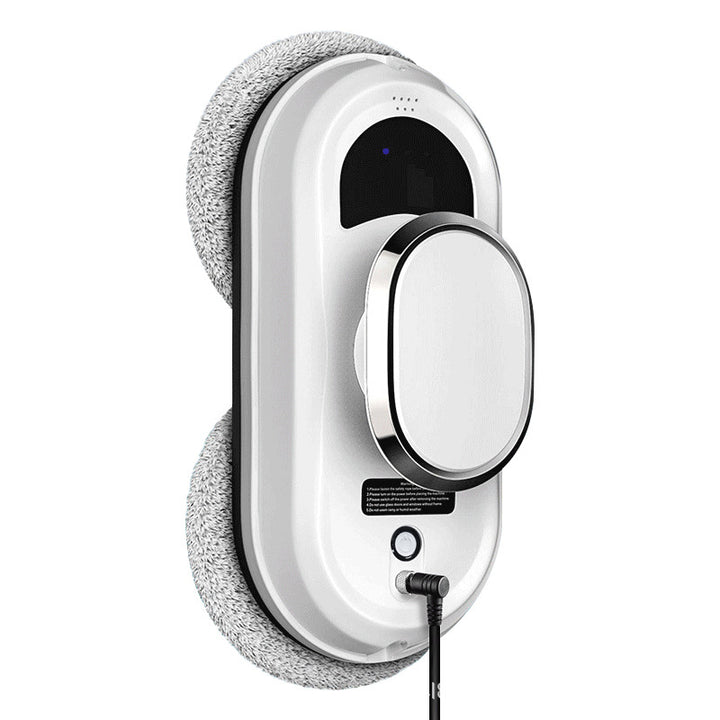

Find practical window cleaners for everyday glass care, from no-lint microfiber cloths and car glass wipes to cleaning tablets, foam spray, and an automated window-cleaning robot. Choose the right tool for your glass type, surface size, and preferred cleaning routine, whether you are refreshing a few panes at home or preparing for a larger window-cleaning project.
Start by matching the product to the surface and the amount of cleaning required. Microfiber glass cleaning cloths are a straightforward choice for mirrors, interior windows, and final polishing because they are designed for no-lint wiping. Car glass cleaning wipes suit quick touch-ups on windshields and side windows. Tablets are useful when you want to mix a cleaning solution, while window cleaning foam spray is convenient for glass and screens. For large panes or difficult-to-reach exterior windows, a window cleaning robot with 5600Pa auto glass cleaning is a more specialized option. Shoppers comparing professional window cleaners, window cleaners near me, or window cleaners reviews can use this category to handle smaller jobs themselves or supplement a scheduled service.
Each product type supports a different cleaning method. Microfiber cloths work well with a small amount of cleaner or water and are useful for wiping and buffing. Car glass wipes are pre-moistened-style convenience tools for quick visibility-focused cleaning, subject to the product instructions. Glass cleaning tablets are compact for storage and can be dissolved according to their directions to create a cleaning solution. Foam spray applies cleaner directly to glass and screens, helping you cover a defined area without preparing a mixture. A window cleaning robot is designed for automated glass cleaning and needs compatible, accessible surfaces. The reusable silicone swab kit is better suited to narrow tracks, corners, and detail work than broad panes, so it should be treated as an accessory rather than a primary window cleaner.
Look for a format that fits your routine, storage space, and the surfaces you clean most often. If lint and visible residue are your main concerns, prioritize no-lint microfiber cloths and keep a separate dry cloth for finishing. For travel, cars, or quick apartment touch-ups, individually usable glass wipes are convenient. Tablets may suit households that prefer a compact refill format, while foam spray is practical for occasional spot cleaning on windows and screens. Check whether the instructions identify suitable surfaces, dilution or application steps, drying requirements, and reuse guidance. For automated cleaning, confirm that the robot is appropriate for your window design and that you can safely position and monitor it. Local searches such as window cleaners Austin, window cleaning Seattle, or window cleaning Cleveland may also help when exterior access is difficult.
Remove loose dust first so it does not spread across wet glass. Apply foam spray or a properly prepared tablet solution sparingly, following the product directions rather than saturating the pane. Work in manageable sections, then wipe with a clean microfiber cloth using overlapping strokes. Finish with a dry side of the cloth or a second dry cloth before residue dries. For car glass wipes, use them as directed and check the surface for remaining film before driving. Clean screens and frames carefully, keeping excess liquid away from openings and electrical parts. If using the window cleaning robot, prepare the glass and operate it only as instructed, monitoring its progress. Silicone swabs can help reach narrow edges and tracks, but they are not a substitute for wiping the main glass surface.
Using too much product is a frequent cause of haze and streaks, especially when spray or tablet solution is not wiped thoroughly. A dirty or overloaded cloth can simply redistribute dust, so switch to a clean section or fresh cloth as needed. Avoid cleaning hot glass in direct sunlight when possible, since solution may dry before you finish wiping. Do not use one cloth for grimy frames and final glass polishing unless it has been rinsed or replaced. Check surface compatibility before using a cleaner on tinted glass, screens, coated panes, or vehicle interiors. Do not assume vinegar, dish soap, or any household mixture is automatically suitable for every surface; follow the product and window-maker instructions. Finally, never rely on an automated cleaner without confirming safe placement and supervision.
Microfiber cloths suit renters, homeowners, offices, and anyone who wants a reusable option for routine glass care. Car glass wipes are useful for drivers who need quick cleaning between deeper washes. Tablets suit shoppers who prefer a compact format for making a cleaning solution, while foam spray works well for targeted cleaning of windows and screens. A window cleaning robot is intended for shoppers seeking automation on suitable glass surfaces and who can follow setup and monitoring instructions. The silicone swab kit is useful for detail cleaning around tracks, corners, and small gaps, but it is not the main tool for large panes. If you need high exterior windows, extensive commercial work, or a quote for a larger property, comparing local professional window cleaners and reviews may be more appropriate than relying on household tools alone.
The cost varies by the number and size of windows, their accessibility, the condition of the glass, and whether interior, exterior, or both sides are cleaned. Local professional window cleaners generally provide a quote after reviewing those details, so prices can differ between locations such as Austin, Seattle, and Cleveland.
Expect the quote to reflect the scope of the job rather than a single standard rate. Ask whether the price includes screens, frames, tracks, high or hard-to-reach windows, travel, and any minimum service charge before booking a professional.
The best price is the one that clearly covers the work you need and does not omit important surfaces or access requirements. For small indoor jobs, microfiber cloths, wipes, tablets, or foam spray may cost less than hiring a service, while larger or difficult exterior jobs may justify a professional quote.
A suitable glass cleaner paired with a clean microfiber cloth is a dependable starting point for many household windows. Foam spray, tablets, or wipes can be more convenient depending on the job; always follow the product directions and check compatibility with coated, tinted, screened, or vehicle glass.
Dish soap can leave residue or require extra rinsing, so it is not automatically the best choice for streak-free glass. A purpose-made window cleaner, tablet solution, or lightly dampened microfiber cloth is easier to match to the surface; follow the window manufacturer's care guidance when available.
Neither option is universally better for every pane, finish, or cleaning situation. A purpose-made glass cleaner may offer clearer usage directions, while a vinegar-and-water mixture can be unsuitable for some surfaces or leave odor and residue if mixed or wiped incorrectly; use the product instructions and test an inconspicuous area first.