
$44.90
Free delivery · 7–14 days
Leather Recoloring Balm for Faded Black Surfaces


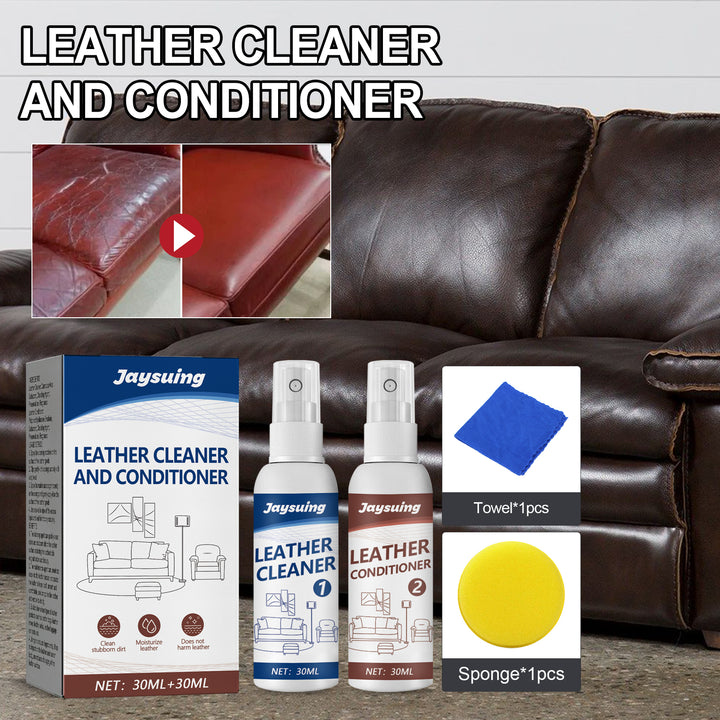


Keep car interiors looking cleaner and better maintained with products designed for leather, vinyl, and common seat repairs. This auto leather care category includes cleaners, conditioners, oils, creams, sponges, repair products, and care options for seats, dashboards, bags, boots, and furniture.
Start by identifying the material and the type of problem. For routine dirt on finished leather or vinyl seats, choose a leather cleaning cream or automotive leather cleaner cream. For dry-looking leather that needs conditioning and polishing, a leather care cream, salve, or lanolin leather care oil may be suitable. If the surface has scratches, scuffs, cracks, or peeling, look at repair cream or leather repair glue rather than relying on cleaner alone. Check the product description for compatible surfaces before use, especially when your vehicle has coated leather, synthetic vinyl, perforated seats, or mixed interior trim. The best leather cleaner and conditioner for cars is the one matched to the material, finish, and condition of your seats.
Leather cleaners remove surface dirt, body oils, and everyday residue. Cleaning cream and automotive leather cleaner cream are intended for seat and interior care, while cleaning sponge cubes can help lift grime from compatible leather or vinyl surfaces. Conditioners and care products, including leather care cream, salve, and lanolin oil, are used after cleaning to support a softer, polished appearance. They do not replace structural repairs. Leather repair cream is intended for visible wear such as scuffs, cracks, and surface damage, while repair glue is better suited to bonding suitable torn or lifted areas. For a car leather cleaner and conditioner routine, clean first, let the surface dry, then apply a compatible care product sparingly.
Look for clear instructions covering leather, vinyl, faux leather, or automotive interiors, depending on your seats. A product with a controlled cream or salve texture can be easier to apply evenly than a heavy coating, particularly around seams and bolsters. For deeper seat cleaning, choose an automotive leather cleaner cream and pair it with a soft cloth or the included cleaning tool where appropriate. If you are comparing the best auto leather care options, consider whether you need one product for maintenance or separate products for cleaning and repair. Also check whether the formula is intended for finished surfaces and whether a patch test is recommended. Avoid assuming that a product made for sofas, boots, or furniture is automatically suitable for every vehicle surface.
Remove loose dust and debris before applying any cream or oil. Test the product on a hidden area, then apply a small amount to a soft cloth or suitable sponge rather than saturating the seat. Work in small sections, paying attention to seams, bolsters, and high-contact areas. Wipe away loosened dirt and excess product so residue does not collect in stitching or perforations. Allow the surface to dry according to the product instructions before applying a conditioner, salve, or polishing oil. If using leather repair cream or glue, clean and dry the area first and follow the repair instructions closely. This process also applies when caring for compatible vinyl seats, but always confirm material suitability before treating the entire interior.
One common mistake is using household cleaners without checking compatibility. Strong detergents can alter the appearance of finished leather or vinyl, while excess water may enter seams and perforations. Avoid using WD-40 as a leather restorer; it is not a dedicated leather-care product and may leave an unsuitable residue. Do not apply conditioner over dirt, because it can trap grime rather than improve the finish. Heavy coats of oil or cream can also create a greasy surface and attract dust. Another mistake is expecting cleaner to repair cracks or expecting repair glue to condition the whole seat. Clean a small test area first, use minimal product, and choose repair cream or glue only when the damage calls for it.
These products suit drivers maintaining leather or compatible vinyl seats, detailers handling routine interior care, and households that want one care range for cars, sofas, bags, or boots. A basic maintenance setup can include an automotive leather cleaner cream, a cleaning sponge or soft cloth, and a leather care cream or salve. Choose repair cream when the surface shows scuffs, scratches, or small cracks, and consider repair glue for suitable tears or lifted material. Products labeled for furniture or bags may be useful for other belongings, but vehicle use still depends on the listed material compatibility. If your seats have unusual coatings, extensive peeling, or damage beyond surface repair, follow the vehicle maker's care guidance before applying any new product.
The best choice depends on whether you need cleaning, conditioning, or repair. For routine care, use a product made for automotive leather or compatible vinyl, clean the surface first, and then apply a suitable cream, salve, or conditioner sparingly.
WD-40 is not a dedicated leather-care or leather-repair product, so it should not be relied on to restore car seats. Use a compatible leather cleaner, conditioner, repair cream, or repair glue based on the condition of the surface.
Dish soap is not automatically suitable for finished automotive leather or vinyl and may affect the surface or leave residue. A purpose-made car leather cleaner is a safer starting point; always follow the product instructions and test an inconspicuous area.
Begin by removing loose dirt and cleaning the seats with a compatible automotive leather cleaner. Once dry, apply a suitable leather care cream, salve, or oil sparingly; use repair cream or glue separately if the surface has scratches, cracks, scuffs, or tears.
There is no single restorer for every seat condition. A care cream, salve, or lanolin oil can improve the maintained appearance of suitable leather, while repair cream or glue is more appropriate for visible surface damage.
Condition when the seats look dry or after cleaning, following the product instructions rather than applying heavy layers on a fixed schedule. Use a small amount, wipe away excess, and adjust care to the vehicle's use and the seat material.