$329.90
Free delivery · 7–14 days
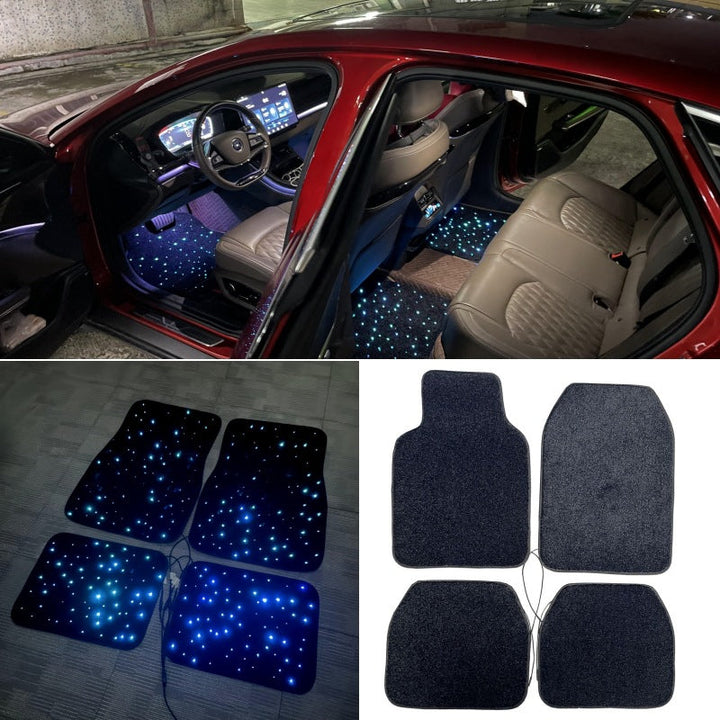
Starlight Fiber Optic Mats — Your Car, Now a Luxury Lounge

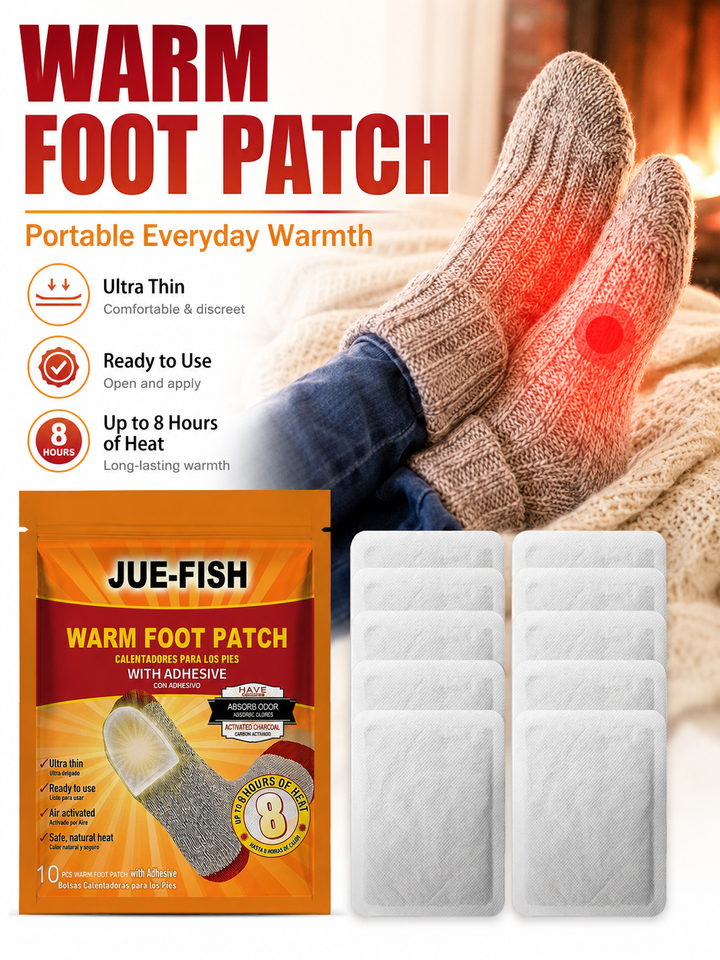




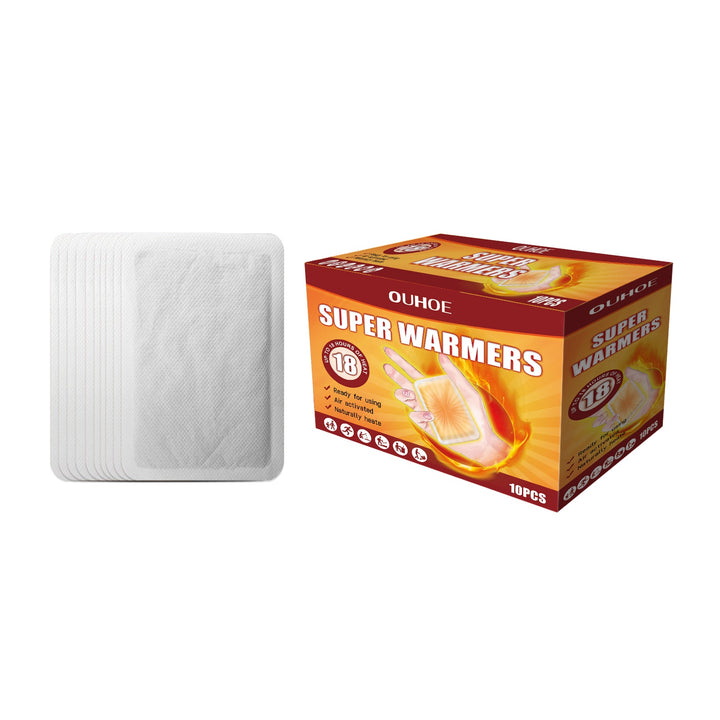


Prepare for cold weather car care with practical winter accessories for ice removal, visibility and on-the-road comfort. This category includes de-icer sprays, snow-removal products, a hydrophobic deicing sponge, a 12V defrosting charger and a heated winter scarf for added comfort while clearing your vehicle.
Start with the winter problem you need to solve. For a frozen windshield or side windows, choose a de-icer spray designed for fast ice removal and pair it with a scraper or deicing sponge. If snow and residue are sticking to the vehicle, a snow removal cream can help make winter cleanup easier. Drivers who want an electrical option may prefer a 12V snow removal charger for car winter defrosting, provided the vehicle has a suitable 12V connection and the product instructions match your setup. For a practical car winter care kit, keep visibility products in the cabin, store them where they are easy to reach, and consider a warm scarf for time spent clearing snow outdoors.
De-icer sprays are convenient for loosening windshield ice before scraping, making them useful for early-morning cold weather car routines. A glass deicing sponge with hydrophobic coating offers a hands-on way to clear glass while helping water bead away from the surface. Snow removal cream is aimed at broader winter cleanup when frost, slush or residue has collected around the vehicle. A 12V snow removal charger takes a powered approach to car winter defrosting, while a heated winter scarf addresses personal comfort rather than vehicle clearing. Compare products by the area they cover, how quickly you can apply them, storage requirements and whether you prefer a manual, spray-based or powered solution.
For a useful winter car emergency kit checklist, choose items that cover visibility, ice removal and practical roadside preparation. Look for a de-icer spray with clear application directions, a container that is easy to handle in cold conditions and packaging that fits your glove box or door pocket. A deicing sponge should have a comfortable grip and a surface intended for automotive glass. If selecting a 12V charger, check connector compatibility, cable reach and instructions for safe use in your vehicle. Add a scarf or other warm layer for comfort while clearing snow. These products can support getting your car ready for winter, but they do not replace an ice scraper, working lights, suitable tires or a broader emergency kit.
Before using any product, read its label and confirm that it is intended for the surface you plan to treat. Brush loose snow from the vehicle first, then apply de-icer to frozen glass as directed and allow it time to loosen the ice before scraping gently. Avoid forcing thick ice with excessive pressure, especially around wipers and mirrors. Use a deicing sponge in small sections and wipe away loosened moisture so visibility remains clear. For a snow removal cream or 12V defrosting charger, follow the supplied instructions and keep electrical connections dry unless the product specifically allows otherwise. Never drive until windows, mirrors, lights and the roof are cleared enough for safe visibility and vehicle operation.
Do not pour hot water onto frozen glass, as sudden temperature changes can damage it. Avoid using household tools that may scratch windows or paint, and do not activate wipers while they are frozen to the glass. Spraying a product without first checking its surface guidance can leave residue or cause unwanted damage. Do not leave a 12V charger connected unattended, use it with an incompatible socket or ignore damaged cables. Another common mistake is clearing only a small viewing area instead of removing snow and ice from all windows, mirrors, lights and the roof. If a car will sit unused in winter, check it periodically and follow the vehicle manual for battery, tire and fluid care rather than relying on one accessory alone.
These products suit drivers who park outdoors, commute early, travel through snowy areas or want a simpler winter car maintenance checklist. De-icer sprays and a glass deicing sponge are practical for anyone who regularly faces frosted windows. Snow removal cream can help drivers handling repeated buildup around the vehicle, while a 12V defrosting charger may appeal to shoppers who prefer powered assistance and have a compatible vehicle connection. A heated winter scarf is useful for comfort during longer clearing tasks. Build your selection around your climate, parking situation, storage space and driving routine. A compact combination of glass de-icer, snow-removal support and basic emergency supplies can make car winter care more organized without replacing proper maintenance.
The $3000 rule is an informal budgeting guideline sometimes used when deciding whether to repair an older car or replace it. It is not a universal mechanical or financial rule; compare the repair cost with the vehicle’s value, condition, safety, expected reliability and replacement options. Winter accessories can help with daily ice and snow tasks, but they cannot resolve major vehicle faults.
There is no single safe time limit because temperature, battery condition, tire pressure, fuel level and the vehicle’s condition all matter. Check the owner’s manual, keep the car protected from snow buildup and inspect it before driving after a long period parked. If the vehicle will sit for an extended time, ask a qualified mechanic about storage preparation rather than starting it briefly without a plan.
A winter kit can include a scraper, snow brush, de-icer spray, gloves, warm clothing, a flashlight, reflective gear, drinking water and basic roadside supplies. Consider a deicing sponge or snow-removal product for repeated ice and residue, and keep the items accessible rather than buried in the trunk. Check local driving conditions and carry any legally required equipment for your area.
The 3 P’s are commonly described as prepare, protect and prevent, though wording can vary by road-safety source. In practice, prepare the vehicle and route, protect yourself and other road users by reducing speed and increasing following distance, and prevent avoidable risks by adapting to snow, ice and low visibility. Follow local guidance and your vehicle manual.
There is no universal age at which seniors should stop driving. Driving ability depends on vision, hearing, reaction time, judgment, health, medication effects and confidence, so the decision should be based on individual safety rather than age alone. Families can discuss a professional driving assessment or alternative transportation when concerns arise.
There is no single temperature that makes driving unsafe for every vehicle. Extreme cold can affect battery performance, tire pressure, fluids, visibility and road surfaces, so check the vehicle manual, weather alerts and road conditions before leaving. Clear all ice and snow, confirm the car is operating normally and postpone travel when conditions are unsafe.