Skip to content

Headlight Restoration Kits & Replacement Bulbs for Cars

13 products

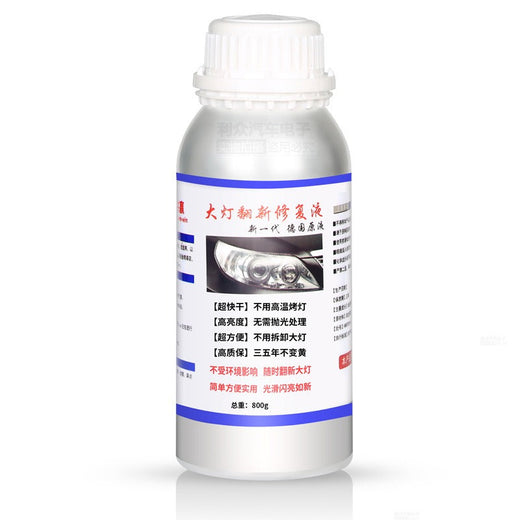
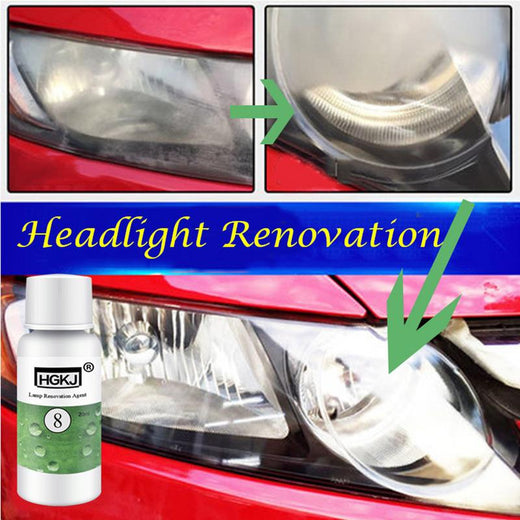
Restore hazy, yellowed or dull plastic headlight lenses with a headlight restoration kit, paste, cream or liquid selected for your car and the condition of its lights. This category also helps you compare headlight restoration products for DIY cleaning, polishing and clarity improvement before considering replacement bulbs or professional service.

How to choose a headlight restoration product

Start by checking whether the cloudiness is on the outside of the lens. Surface oxidation, light scratches and yellowing can often be addressed with a headlight restoration kit, paste, cream or liquid. Choose a kit if you want a more complete process with preparation and polishing steps. Choose a paste or cream when you prefer controlled hand application to a small or moderately affected area. A liquid or fluid may be easier to spread over larger lenses. Check the product directions for compatible lens materials, included accessories and whether a protective finishing step is required. If the lens is cracked, deeply damaged, wet inside or cloudy behind the plastic, a restoration product may not solve the underlying issue.

Headlight restoration kit, paste, cream or liquid: which is best?

A headlight restoration kit is generally the most guided option because it may combine cleaners, abrasives, applicators or finishing products in one package. Headlight restoration paste is useful when you want a thicker formula for targeted polishing and more control during application. Creams are also suited to hand polishing and can be convenient for routine lens maintenance. Liquids and restoration fluids spread quickly and work well when covering broad lens surfaces, but they may require careful control to prevent drips. Compare the stated use, application method and included tools rather than relying on a single “best headlight restoration” label. For a first DIY project, select the format with instructions that match your available time and tools.

What to look for in headlight restoration products

Look for clear instructions covering cleaning, masking, application, drying and removal. The product should state whether it is intended for plastic automotive headlight lenses and explain any required cloths, pads, sanding materials or protective coating. A kit with applicators can reduce the need to buy extra supplies, while a standalone headlight restoration polish, cream or liquid may be better if you already have suitable microfiber cloths and masking tape. Consider the number and size of lenses you need to treat, especially if you maintain more than one vehicle. Also inspect the label for storage guidance and surface limitations. Avoid products that suggest a quick fix without explaining preparation, because dirt, wax and oxidation can affect the finish.

How to restore cloudy headlights at home

Park in a shaded, well-ventilated area and allow the lenses to cool before starting. Wash away road film, dry the surface and mask the surrounding paint and trim with automotive-safe tape. Follow the chosen headlight restoration kit or product directions exactly, applying the paste, cream, liquid or fluid with the recommended pad or cloth. Work evenly across the lens rather than concentrating on one spot, and remove residue as directed. If the instructions call for multiple stages, complete each stage before moving on. Apply any included finishing or protective product and allow it to dry for the stated time. Test the lights afterward and keep the lens clean. Do not use the vehicle until any required product has set.

What are common headlight restoration mistakes?

One common mistake is applying polish to a dirty lens, which can spread grit and create additional marks. Skipping masking can also leave residue on nearby paint, rubber seals or trim. Using too much product may cause streaking, while uneven pressure can produce an inconsistent finish. Do not assume that WD-40 or another household spray is a lasting headlight restoration method; it may temporarily change the appearance without removing the damaged surface or providing durable protection. Avoid mixing products unless the instructions allow it, and do not use abrasive materials that are not intended for plastic lenses. If the inside of the lamp is fogged, the housing is cracked or the lens remains severely damaged after treatment, investigate repair or replacement instead of repeating the same application.

Who should buy a DIY headlight restoration kit?

A DIY headlight restoration kit suits drivers who have exterior haze, yellowing or dullness and want to work on the vehicle themselves. It can be a practical choice when local professional service is inconvenient or when you want a product ready for occasional maintenance. A paste, cream or liquid may suit shoppers who already own basic cleaning supplies and prefer to select the application method separately. Before buying, compare the kit contents with what you already have, read the surface compatibility details and check whether both headlights can be treated with the supplied amount. If the lenses are structurally damaged, the lights remain dim after cleaning, or the issue is electrical rather than surface-related, consider replacement parts or professional inspection instead of relying only on restoration.

Frequently asked questions

What is the best method to restore headlights?

For exterior haze or yellowing, the best method is usually the complete process stated for a compatible headlight restoration kit: clean the lens, protect surrounding paint, polish or abrade the affected surface as directed, then apply any recommended finishing product. A paste, cream or liquid can work when its instructions match the lens condition and your chosen application method. Deep cracks, moisture inside the housing or internal damage require a different solution.

Does WD-40 fix cloudy headlights?

WD-40 is not a dependable headlight restoration product. It may temporarily alter the appearance of a cloudy lens, but it does not replace a process designed to remove surface oxidation and finish the lens. Use a product specifically labeled for automotive plastic headlight lenses and follow its instructions.

How do I restore cloudy headlights?

Wash and dry the outside of the lens, then mask the surrounding paint and trim. Apply a compatible headlight restoration kit, paste, cream, liquid or fluid according to its directions, using the recommended pad or cloth and completing every stated stage. Finish with any included protective product, allow it to set and check the result before driving at night.

How much does a headlight restoration usually cost?

The cost depends on whether you buy a DIY headlight restoration product or pay for a local service. A DIY kit or standalone paste, cream or liquid is priced by the product and may require additional supplies, while professional pricing varies by provider, vehicle and lens condition. Compare the total product cost with the convenience of local service.

How much does Walmart charge to do headlight restoration?

Walmart service availability and pricing can vary by location, vehicle and current service offerings, so check with the specific store or its current online service information. If no local service is available, compare a compatible DIY headlight restoration kit with the quoted service price. Read the kit instructions before deciding whether the work suits your vehicle and tools.

Is it worth restoring your headlights?

Restoration can be worthwhile when the problem is exterior haze, yellowing or light surface wear and the housing is otherwise intact. It may improve the lens appearance and avoid replacing a usable assembly, but results depend on the condition of the plastic and the application process. Replacement or professional inspection may be more suitable for cracks, internal fogging or persistent lighting problems.