
$69.90
Free delivery · 7–14 days
Waterproof Repair Putty for Cracks, Gaps and Leaks


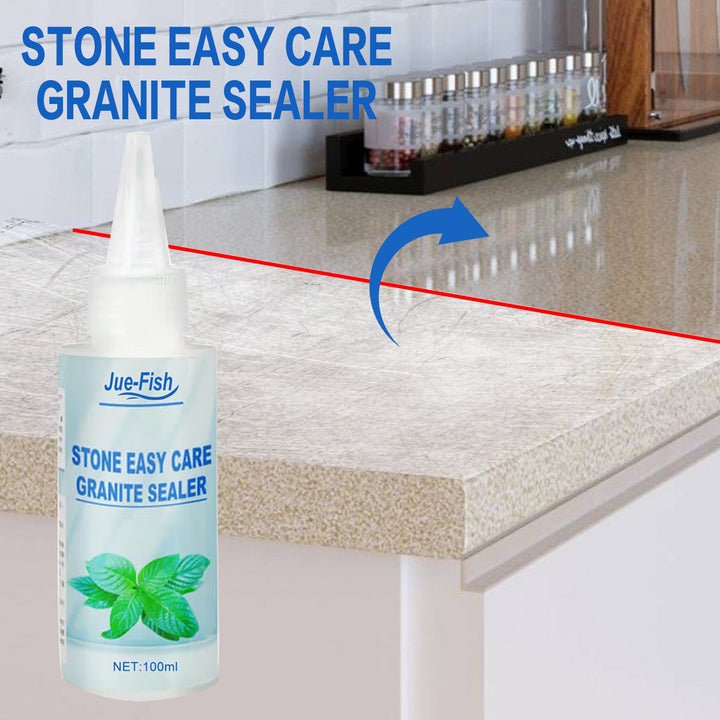


Repair cracked, chipped, loose, or poorly grouted tile with a targeted DIY product for the surface and damage involved. This category includes tile repair glue, ceramic and stone repair pastes, grout and gap fillers, polish treatments, and cleaning tablets for bathroom, kitchen, shower, bathtub, and floor tile maintenance.
Start by identifying the damage rather than choosing a product by appearance alone. Use a tile repair glue or paste for cracks, chips, small breaks, or loose ceramic surfaces. Choose grout repair filler for worn, stained, or missing joints between tiles. Tile gap filler is suited to larger gaps where a waterproof, mildew-resistant repair is needed. For dull stone tile, a polish treatment can improve the surface finish, while cleaning tablets help remove everyday bathroom residue before repair. Check whether the product is intended for ceramic, porcelain, stone, walls, floors, showers, or bathtubs. A ceramic tile repair kit may be the most practical choice when you need application tools or several materials for one project.
Tile repair glue is useful when a tile is loose or needs bonding along a crack or edge. Repair paste is better for filling visible chips, surface cracks, and small imperfections in ceramic tile. Grout filler addresses the joint, not the tile itself, so it is the right option for crumbling or missing grout lines. Gap filler is designed for wider spaces and can help create a sealed-looking transition around tile repairs. Stone tile polish is a finishing treatment rather than a crack repair product, and cleaning tablets are for preparing or maintaining tile surfaces. For floor tile repair, choose a product labeled for floor use and allow the full recommended curing time before foot traffic.
Look for a repair kit that matches the tile material, location, and size of the damage. For ceramic tile repair, a spreadable paste or glue can help fill chips and hairline cracks, while a bonding product is more suitable for a loose tile. Bathroom tile repair products should be appropriate for damp areas, especially around showers, bathtubs, and sinks. If the repair is on a floor, prioritize clear application instructions, firm adhesion, and compatibility with foot traffic. A kit with a fine applicator, mixing tool, or smoothing tool can make small repairs easier to control. Also check color information: a close shade match can disguise a chipped tile more effectively than a repair that dries noticeably lighter or darker.
Clean the damaged area and remove loose dust, soap residue, old filler, or crumbling grout. Let the surface dry before applying tile repair glue or ceramic repair paste. Press the material into the crack or chip with a small applicator, then smooth the surface so it sits level with the surrounding tile. Wipe away excess product before it sets, following the product instructions for cleanup and curing. For a loose tile, use tile repair glue only after checking that the tile and base are clean and stable. Repair grout separately when the joint is the source of the problem. Test the color and technique on an inconspicuous area first, particularly for visible floor tile repair or polished stone.
Do not apply filler over damp, greasy, dusty, or unstable surfaces; poor preparation can leave the repair weak or uneven. Avoid using grout filler to rebuild a missing section of tile, since grout and tile repair paste serve different purposes. Do not cover a moving, hollow, or badly broken tile without investigating the cause, because the damage may return. Applying too much product can create a raised patch that catches dirt or foot traffic. Rushing the curing process is another common mistake, especially in showers, bathtubs, kitchens, and on floors. Always read the instructions for surface compatibility, application depth, drying time, and water exposure. For extensive damage, repeated leaks, or a repair beyond your tools, compare local tile repair near me services with a replacement quote.
A tile repair kit suits renters, homeowners, and maintenance teams handling small, localized damage without replacing an entire tile or tiled area. It can be useful for ceramic wall tile, bathroom splashbacks, shower surrounds, bathtub tile, kitchen tile, and selected floor repairs when the underlying surface is sound. Choose a glue or paste for chips, cracks, and loose pieces; grout filler for joint damage; and gap filler for wider openings. A cleaning tablet can help prepare a bathroom surface, while stone polish is better for finishing and upkeep than structural repair. DIY products are less suitable when tiles are extensively cracked, moving, water-damaged, or missing large sections. In those cases, professional floor tile repair or tile replacement may provide a more durable solution.
Yes, small chips, cracks, loose sections, and damaged grout can often be repaired with the right tile glue, paste, or filler. The tile should be clean, dry, and structurally stable; badly broken, moving, or water-damaged tile may need replacement or professional assessment.
Clean and dry the area, remove loose material, then apply a compatible tile repair paste or glue to the crack, chip, or loose section. Smooth away excess product and let it cure for the time stated in the instructions before exposing the repair to water or foot traffic.
Clean the chip, fill it with a ceramic tile repair paste in a closely matching shade, and smooth the surface level with the tile. Remove excess before it dries, and test the color in a hidden area first for a less noticeable finish.
For a small crack or chip, use ceramic tile repair paste or a suitable tile repair glue after cleaning and drying the surface. For damaged joints, use grout repair filler instead. A loose or extensively broken tile may require bonding, removal, or replacement rather than surface filling alone.
The best kit depends on the material, location, and damage. Choose a ceramic repair paste or glue for chips and cracks, grout filler for joints, and a waterproof-suited product for bathroom, shower, bathtub, or kitchen areas. For floors, confirm that the product is intended for floor tile repair and follow its curing instructions.
Check the original packaging, product listing, or installation records first. Porcelain is a type of ceramic tile, so visual inspection alone may not be reliable; compare the tile with known samples or ask a tile retailer or installer. When uncertain, choose a repair product whose instructions list compatibility with both surfaces.