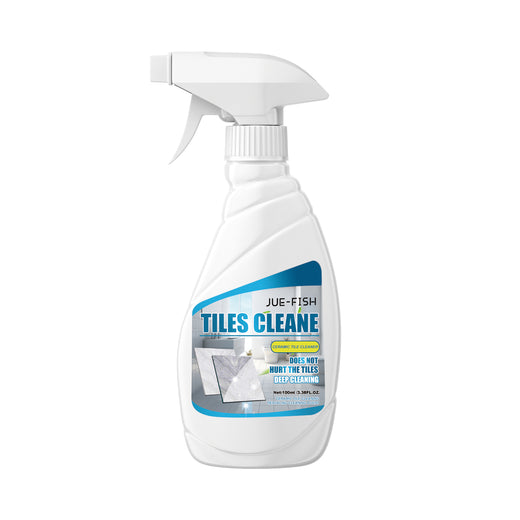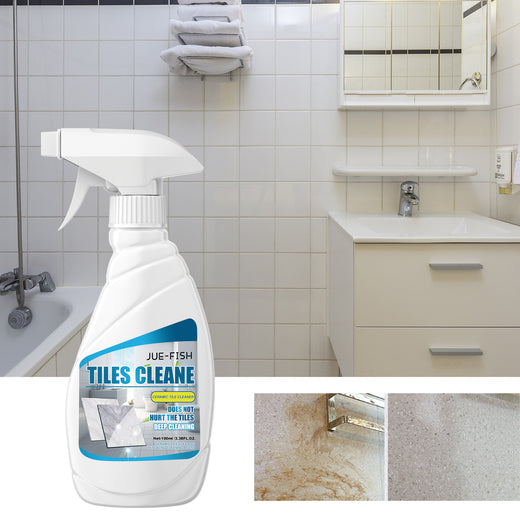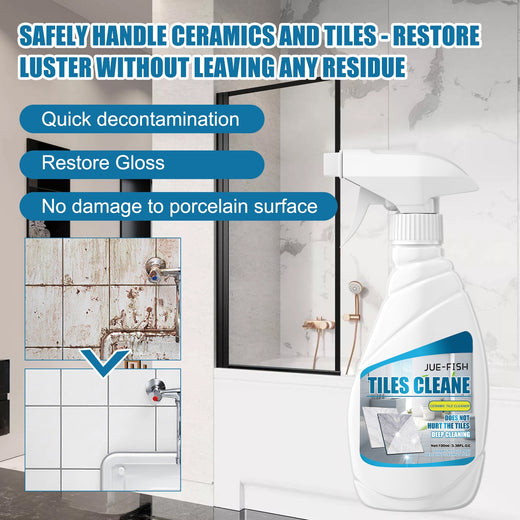
Ceramic Tile Coating Agent — Seal & Brighten Stone
Bring Your Dull Counters Back to Brilliant
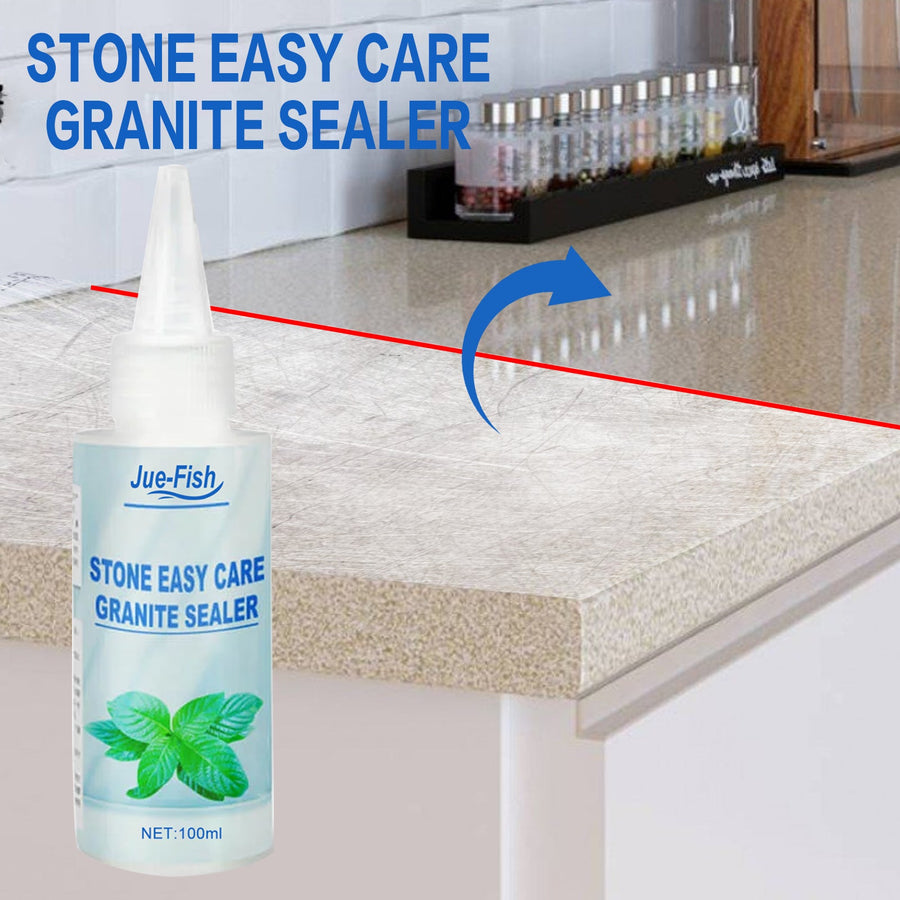
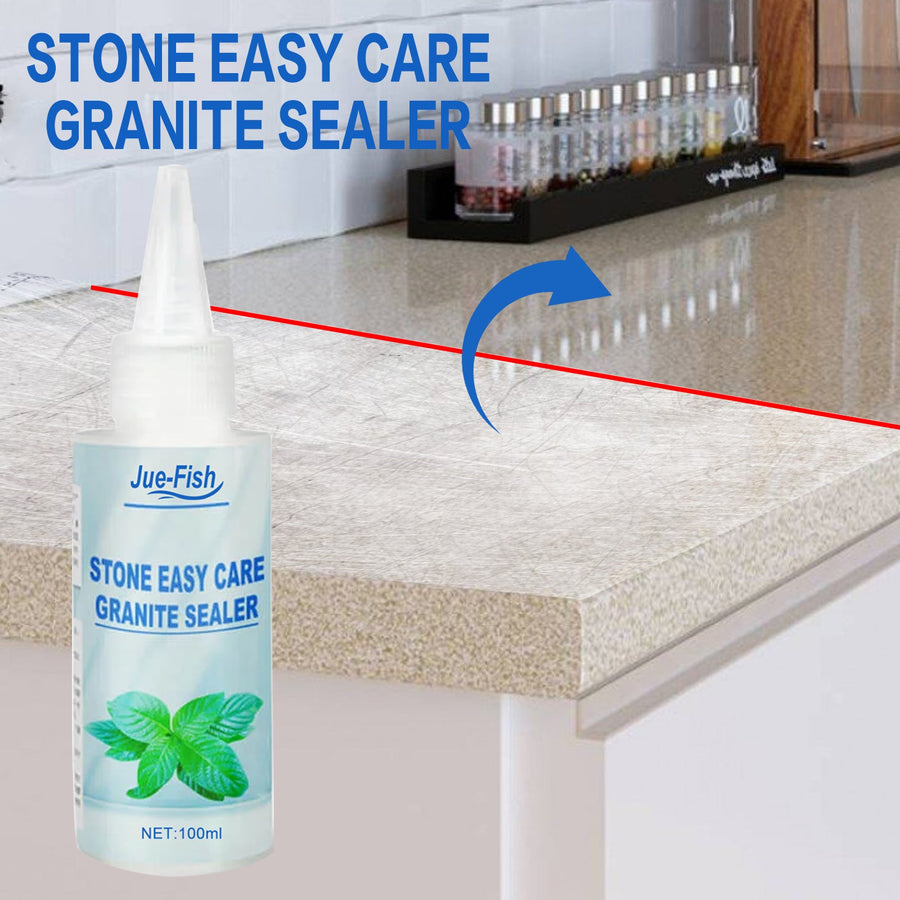
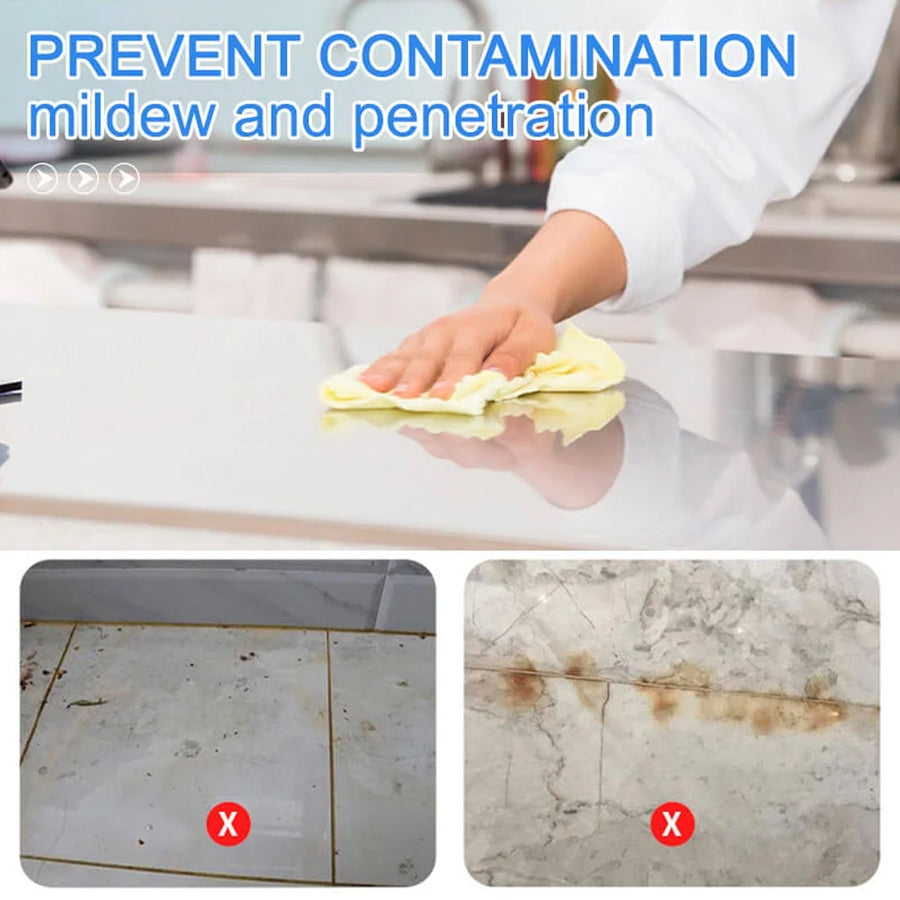
Stained, chalky granite that drinks up every spill becomes a glossy, water-beading surface you're proud to wipe down. One precise applicator, one fast fix.

Three Defenses in One Bottle
This coating agent repairs, shields, and brightens — no separate steps needed.

Repairs Dull, Corroded Stone
Alkaline damage from soaps, hard water minerals and acidic foods gradually eat away the surface, leaving a chalky, faded layer. The formula penetrates to renew the stone's color depth from within, visibly lifting that dull film and returning the rich, natural tone.

An Invisible Water-Repellent Shield
Instead of a temporary film that washes away, this sealer bonds with the stone to create a lasting hydrophobic barrier. Liquids bead up and stay on the surface — no more dark rings, no more panic when the salad dressing splashes. Everyday wipe-downs keep things spotless.

Precision Pointed Applicator
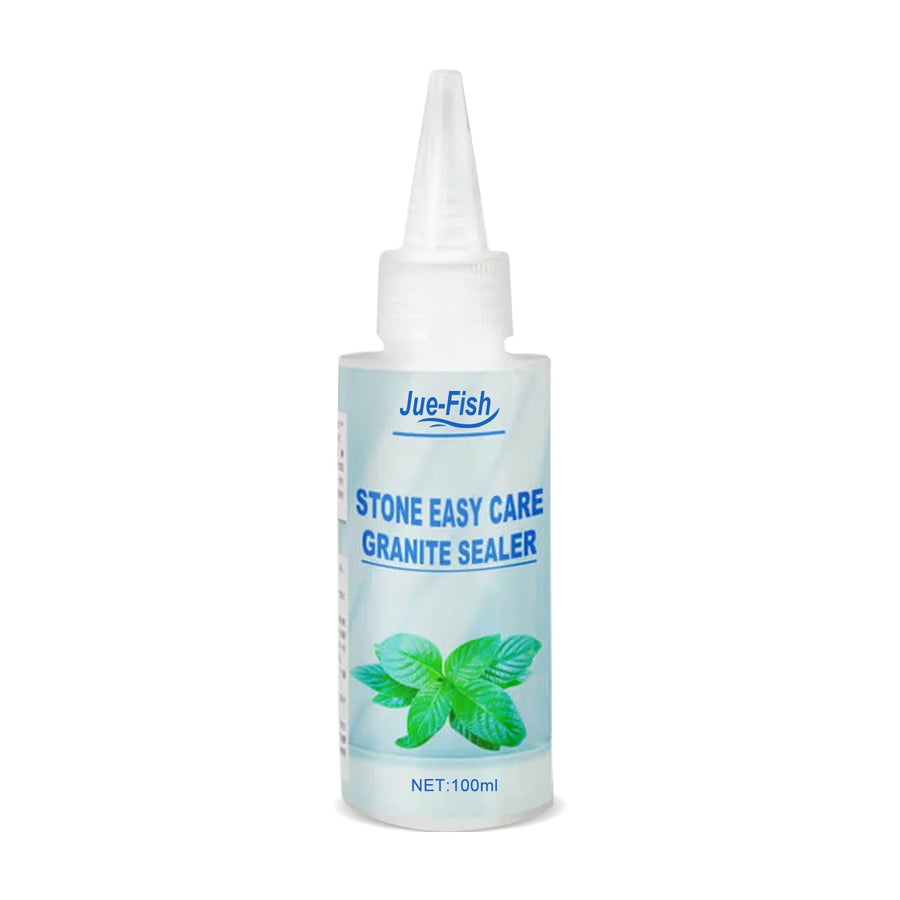
The sharp, needle-like nozzle gives you surgical placement. Dispense a thin, even bead exactly along seams, edges, and problem areas without overspraying cabinets or leaving puddles. Clean lines, no waste, and a professional-looking finish every time.
Counters People Love Again
From homeowners who took stone care into their own hands.
Our 10-year-old granite looks brand new. Water beads up instantly and the color is so much richer.
Love the pointed tip — no mess, no waste. I got precise lines along the grout and it dried streak-free.
Super easy to apply between tenants. I only wish the 100ml bottle was a bit larger for doing multiple units at once.
First-time home owner with a granite island. I was terrified of ruining it — now I splash water on it intentionally just to watch it bead!
Used on my marble bathroom vanity. The dull film from soap scum is gone and the stone has this subtle, glossy glow.
Three kids, constant spills. This sealer means I wipe it up and move on — no staining, no etching. A lifesaver.
Restored the gloss on my outdoor stone table. Only note: there’s a slight chemical smell while applying, but it faded completely by morning.
With patience and the nozzle, I got a perfect, even coat. The granite looks deeper and darker — exactly how it looked when installed.
My ceramic tile floor had become dull and porous. After one pass it’s brighter and so much easier to mop. Great product.
Does exactly what it says. I sealed the counters before a dinner party and every guest commented on the shine.
Works great, but wish there was a bigger refill size for heavy-use kitchens like mine. The applicator is brilliant though.
No more cloudy patches where the kettle sits. I reapply every few months and my counter stays pristine.
How to Seal Stone in Minutes
The pointed applicator makes it straightforward. No messy brushes, no resealing anxiety.
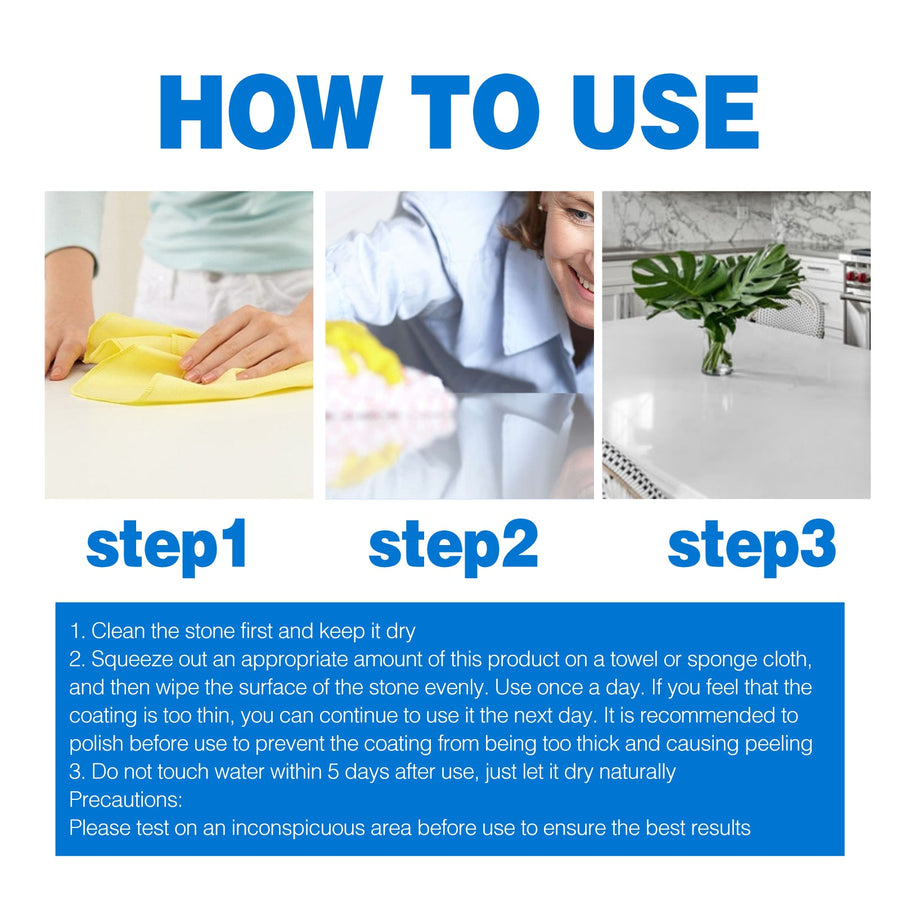
Clean and dry the surface
Start with a stone-safe cleaner to remove all oil, soap residue and dust. The surface must be completely dry — no moisture hiding in pores.
Apply a thin bead
Dispense a controlled, narrow bead along the stone using the pointed nozzle. Work in sections so the formula doesn’t dry before you spread it.
Spread evenly
Use a clean, lint-free cloth to spread the coating in an even, thin layer across the surface. Wipe away any excess immediately to avoid clouding.
Let it cure
Allow the stone to cure undisturbed for the recommended time (typically a few hours). Then test with a few drops of water — tight beading means the seal is on.
The Numbers That Matter
Measurable performance for a surface you use daily.
Coating Agent vs Wax vs the Pro
What actually lasts on porous kitchen stone.
| Surface Wax | This Coating AgentBEST | Pro Reseal | |
|---|---|---|---|
| Water repellency | Weak (washes off) | Strong (beads up) | Strong (professional grade) |
| Longevity | Days to weeks | ~200 days | 2-5 years |
| DIY friendly | Yes | Yes, precise nozzle | No — pro only |
| Cost per application | Low, but frequent re-purchase | Affordable, lasts months | High upfront |
| Repairs dullness | No | Yes, restores color depth | Yes, but expensive |
From Chalky to Luminous
A story of damage reversed and protection built.
When the Shine Fades
You remember the day the counter was installed — deep, glossy, the heart of the kitchen. Now it looks tired. Water soaks in, leaving dark rings. Acidic spills etch dull spots you can't polish out. That proud surface has become a daily reminder that something is slipping.
Why Stone Needs Sealing
Natural stone is porous — unsealed, it absorbs liquids like a sponge. Every spill, every splash of acidic food, every smear of oil drives deeper into the capillaries. Surface waxes and sprays sit on top and wash off in days. Left untreated, the damage accumulates, etching the stone until only a pro can resurface it.
One Precise Pass
The Stone Easy Care Granite Sealer is different. This clinical 100ml bottle holds a penetrating formula that does three jobs in one pass: it repairs corrosion and alkali dullness, it locks out future stains with an invisible water-repellent shield, and it deepens the natural color. The pointed nozzle puts product exactly where you need it — no mess, no waste.

Counters Worth Showing Off
After sealing, the transformation is immediate. Water beads up and rolls off. Spills wipe clean without a trace. The stone regains the depth and gloss it had on installation day. You find yourself running a hand over it, smiling — no more wincing when someone sets down a glass. It's the counter you fell in love with, protected for the long run.
Research on stone sealing and surface protection
About this item
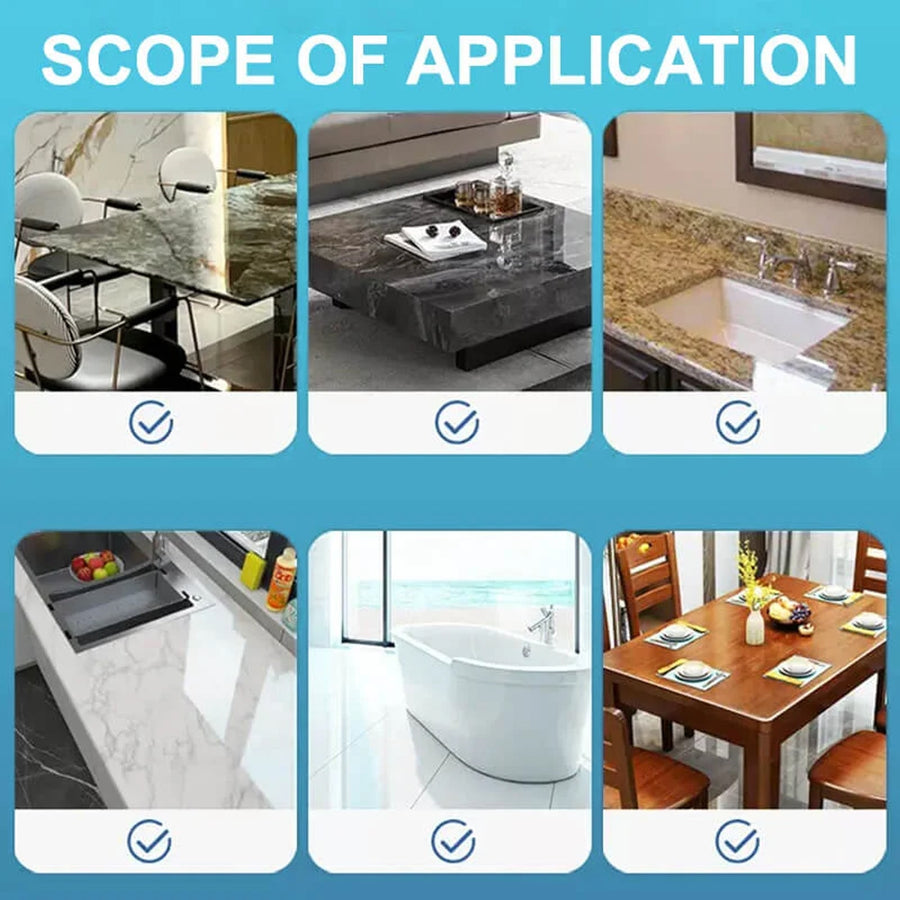
Restore your granite, marble or tile to its original deep gloss and protect it from daily spills. The precision applicator makes sealing straightforward — one thin bead, no mess, no fear. Water beads
Protects and restores granite, marble, and tile with easy-to-apply liquid sealing formula
- Stone staining and discoloration
- Water spots and mineral deposits
- Alkali damage and corrosion
- Difficult stone maintenance
Before You Apply
Clear answers to the most common concerns before you seal.
Explore more
You might also like