Skip to content

Kitchen Degreaser for Stoves, Cooktops & Greasy Surfaces

7 products

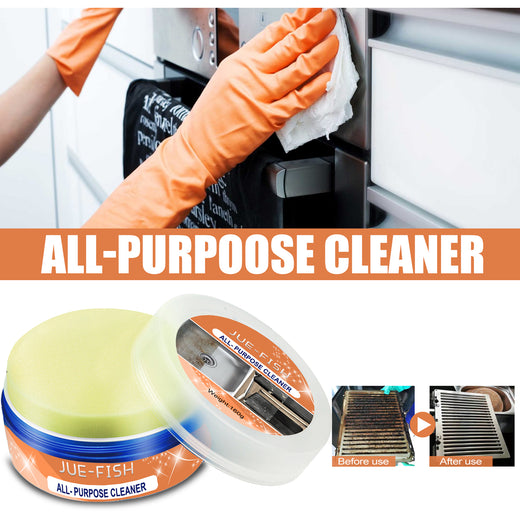
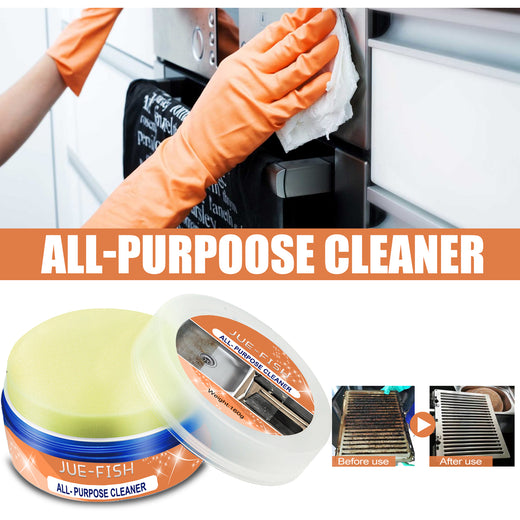
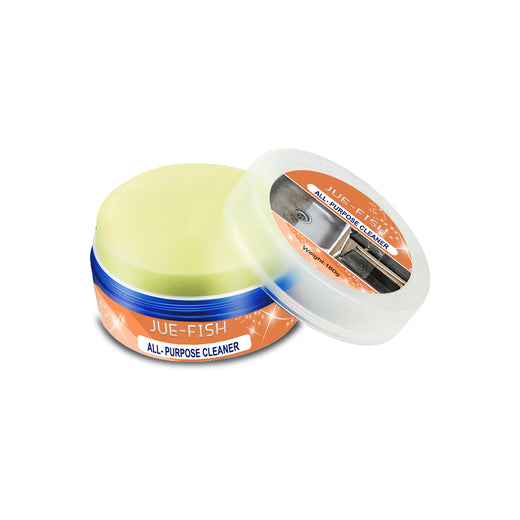
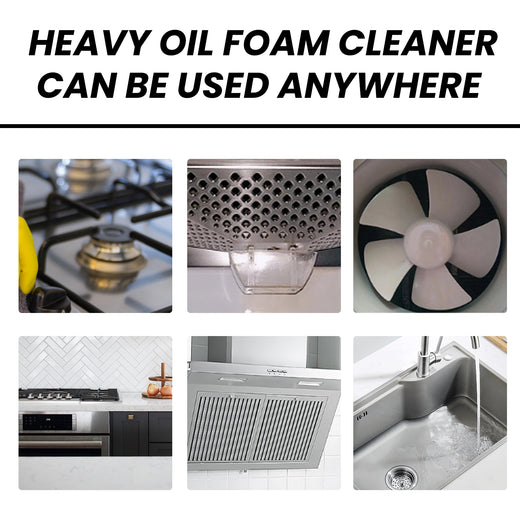
A kitchen degreaser helps lift cooking oil, splashes, baked-on residue and sticky buildup from stoves, cooktops, range hoods, cabinets and other greasy surfaces. This category includes foam sprays, gel cleaners, heavy-duty oil removers and cleaning powder, so you can choose a format suited to the mess and the surface.

How to Choose the Best Kitchen Degreaser

Start by matching the cleaner to the type of grease and the surface you need to clean. For everyday splashes on stovetops, cabinet fronts and backsplashes, a kitchen degreaser spray is quick to apply and wipe away. For thick, sticky or baked-on buildup, choose a heavy-duty foam or kitchen grease cleaner gel that can stay on the residue briefly before wiping. Powder is useful for range hood grease and some stubborn deposits, but it needs careful dilution or application according to the product directions. Check the intended surface before use, especially with painted cabinets, delicate finishes, natural stone, aluminum and coated cooktops. If you are comparing the best degreaser for kitchens, prioritize surface compatibility, application control and the type of grease you clean most often.

Which Types of Kitchen Degreaser Work Best?

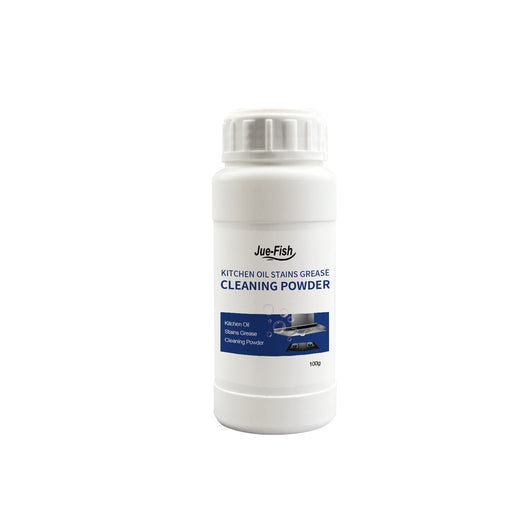
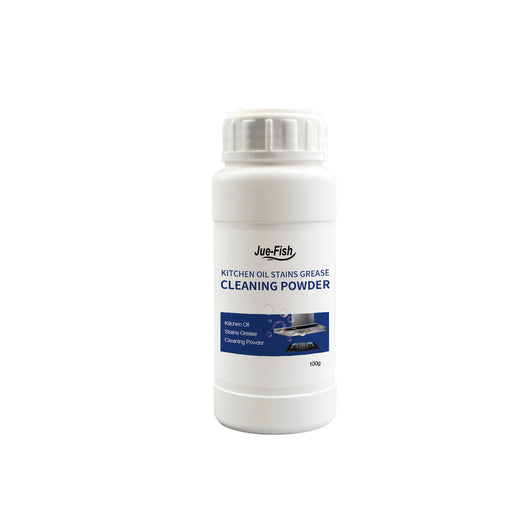
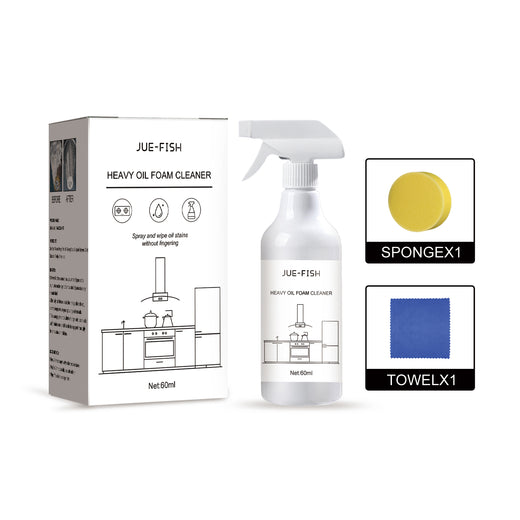
Foam sprays spread across vertical surfaces and cling to grease on stove surrounds, cabinet doors and range hoods, making them practical for spray-and-wipe cleaning. A standard heavy oil foam cleaner suits broad areas where you want visible coverage. Gel cleaners stay concentrated on small, baked-on spots, such as burner areas or hardened splatters, and can help limit dripping. Oil removal sprays are convenient for frequent cleaning and targeted greasy patches, including some grill surfaces when the label permits that use. Cleaning powder is a separate option for heavy range hood buildup and rust-related grime; it typically requires more preparation and rinsing. Choose the format you will use correctly rather than relying only on the “heavy duty” description.

What to Look for in a Kitchen Degreaser Spray

Look for clear directions covering where to apply the product, how long to leave it in place and whether rinsing is required. A trigger spray is useful for large, accessible areas, while foam helps the cleaner remain visible on vertical grease. For cabinets, choose a product that states it is suitable for the relevant finish, then test an inconspicuous area first. For cooktops, confirm that the cleaner is intended for the surface material and keep it away from controls, openings and electrical components. If you need a kitchen degreaser for grills, check that grill use is specifically listed and follow any instructions about cooling, rinsing and food-contact areas. Avoid choosing solely by the strongest-sounding wording; compatibility and easy residue removal matter just as much.

How to Use a Kitchen Degreaser Safely and Effectively

Remove loose crumbs and let the surface cool before applying a kitchen degreaser to a stove, cooktop or grill. Spray foam or liquid onto a cloth or directly onto a compatible surface as directed, keeping the product away from burners, vents, switches and electrical parts. Allow the cleaner to work for the stated time without letting it dry, then wipe with a clean cloth. Repeat on thick buildup instead of aggressively scrubbing a delicate finish. Use a damp cloth to remove remaining cleaner when the directions call for rinsing, followed by a dry towel to reduce streaks. Ventilate the area, wear any protective equipment listed on the label and never mix degreaser with bleach, ammonia or other household cleaners.

What Are Common Kitchen Degreasing Mistakes?

A common mistake is using a powerful kitchen degreaser on every surface without checking compatibility. Painted or wood-finished cabinets can be damaged by excess moisture, strong formulas or prolonged contact, so apply carefully and test first. Spraying directly into appliance openings, control panels or burners can also create problems; put the product on a cloth when the label allows. Do not scrub immediately if the residue needs time to soften, but do not leave cleaner to dry either. Another mistake is using too much product, which can leave a film and require extra rinsing. Avoid homemade kitchen degreaser recipes that combine cleaning ingredients without clear compatibility guidance, and never mix household chemicals.

Who Should Use Heavy-Duty Kitchen Degreaser?

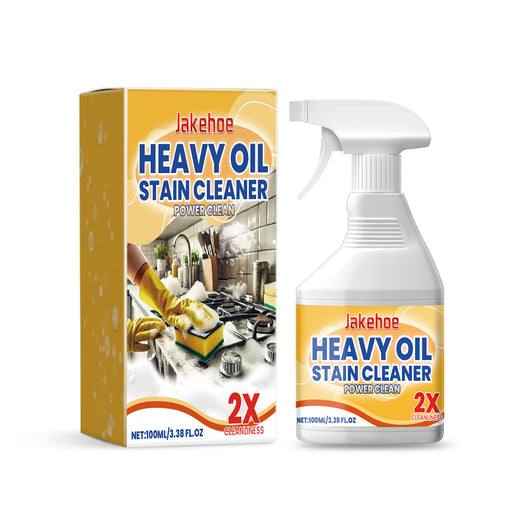
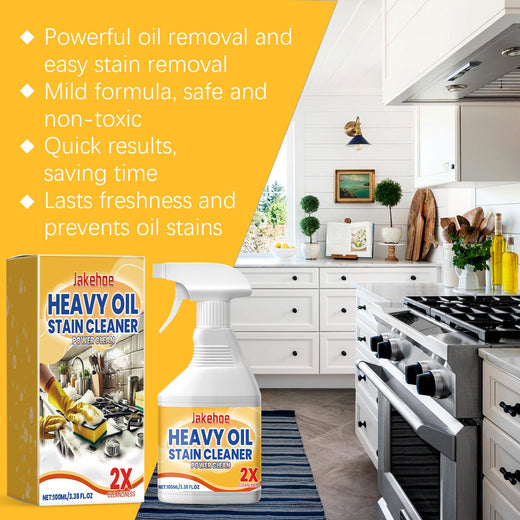
Heavy-duty kitchen degreaser is suited to homes, rental turnovers and food-preparation areas with recurring oil buildup on range hoods, stovetops, splash zones, cabinet fronts and other compatible hard surfaces. Foam is helpful when grease is spread over a broad or vertical area, while gel is better for concentrated baked-on spots. A 2X-style oil removal spray may suit shoppers who want a targeted product for repeated heavy grease cleaning, provided the label matches the surface. Powder can be useful for range hood grease and rust-related residue when you are comfortable following mixing and rinsing directions. For light daily splashes, a simpler spray may be easier to control. Always confirm whether the product is appropriate for food-contact surfaces, grills or specific appliance finishes.

Frequently asked questions

What is the best degreaser for kitchens?

The best kitchen degreaser depends on the surface and the type of buildup. Foam sprays are practical for broad areas, gel works well on concentrated baked-on grime, and oil-removal sprays suit targeted cleaning. Check the product directions and surface compatibility before choosing.

What is the best degreaser for kitchen grease?

For fresh splashes, a kitchen degreaser spray can loosen oil for quick wiping. For thick or sticky buildup, choose a heavy oil foam cleaner or gel and allow it to work for the label’s stated time before wiping and rinsing as directed.

What is best for removing kitchen grease?

Use a degreaser matched to the surface, apply it to cooled equipment and give it enough contact time to soften the residue. Wipe with a clean cloth and repeat rather than using excessive force on cooktops, painted cabinets or coated finishes.

What's the best way to degrease your kitchen?

Remove loose debris, work in small sections and start with the least aggressive suitable cleaner. Apply foam, spray or gel as directed, keep it away from openings and electrical parts, then wipe and rinse when required. Never mix degreaser with other household chemicals.

What is the best homemade degreaser for the kitchen?

A mild solution of warm water and dish soap can help with light, fresh grease on compatible washable surfaces. Homemade mixtures are less suitable for baked-on buildup, and you should not combine ingredients such as bleach, ammonia or acids. For heavy grease, use a labeled kitchen degreaser and follow its directions.

How do you remove icky sticky greasy gunk from kitchen cabinets?

Test the cleaner on a hidden area first, especially on painted, wood-finished or laminated cabinets. Apply a small amount of compatible degreaser to a cloth or as directed, let it loosen the residue without drying, then wipe with a damp cloth and dry the surface. Repeat gently instead of soaking or harshly scrubbing the finish.